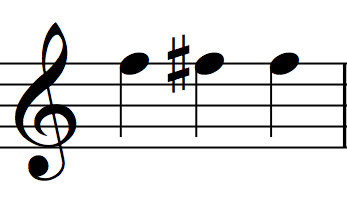
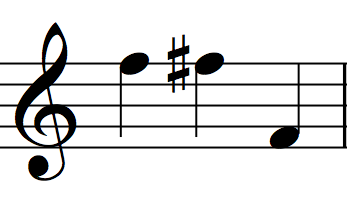
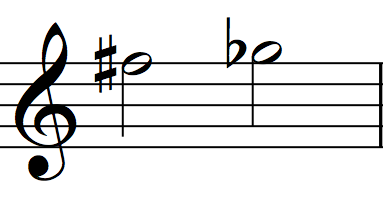
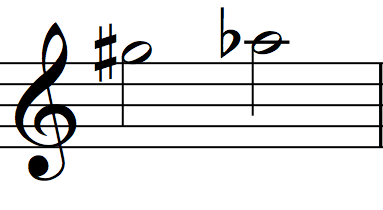
<?xml version="1.0" encoding="UTF-8"?>
<!DOCTYPE html PUBLIC "-//W3C//DTD XHTML 1.1//EN" "http://www.w3.org/TR/xhtml11/DTD/xhtml11.dtd">
<html xmlns="http://www.w3.org/1999/xhtml" xml:lang="en">
<head>
<meta content="text/html; charset=UTF-8" http-equiv="content-type" />
<meta http-equiv="Content-Language" content="en" />
<meta name="generator" content="Pressbooks 5.14.2" />
<meta name="pb-authors" content="Chelsea Green" />
<meta name="pb-editors" content="" />
<meta name="pb-translators" content="" />
<meta name="pb-reviewers" content="" />
<meta name="pb-illustrators" content="" />
<meta name="pb-contributors" content="" />
<meta name="pb-title" content="Sight-Reading for Guitar" />
<meta name="pb-language" content="en" />
<meta name="pb-cover-image" content="https://press.rebus.community/app/uploads/sites/81/2018/03/SRG-Book-Cover-Draft-3.jpg" />
<meta name="pb-subtitle" content="The Keep Going Method Book and Video Series" />
<meta name="pb-copyright-holder" content="Chelsea Green" />
<meta name="pb-book-license" content="cc-by" />
<meta name="pb-about-unlimited" content="Sight-Reading for Guitar: The Keep Going Method Book and Video Series teaches guitar players from all musical backgrounds to understand, read and play modern staff notation in real time. The Keep Going Method is designed to impart the knowledge, skills and attitudes needed for sight-reading with efficiency, fun and encouragement. The skill of sight-reading is a difficult to develop, primarily because it is traditionally taught inefficiently. Further, students encounter high levels of emotional discomfort in the beginning stages of skill acquisition. The method in this book is designed to impart the knowledge, skills and attitudes needed for sight-reading with efficiency, clarity and encouragement. All types of guitars apply: electric, steel-string and nylon-string.Each unit contains brief descriptions of musical symbols, play-along duet exercises and compositions, encouragement and methods for self-assessment. The series contains 20 units that start at the beginner level and progress to the intermediate/advanced level. At the completion of the series guitarists will be able to sight-read most rhythms, pitches and other notations relevant to guitar notation. The series also features 30 original duet compositions, of varying styles, created exclusively for this series!" />
<meta name="pb-about-50" content="Sight-Reading for Guitar: The Keep Going Method Book and Video Series teaches guitar players from all musical backgrounds to understand, read and play modern staff notation in real time. The Keep Going Method is designed to impart the knowledge, skills and attitudes needed for sight-reading with efficiency, fun and encouragement.The team behind the series has decided to launch it early. We want to equip guitarists, who may be adjusting to new methods of teaching and learning, with a quality open resource. Get in touch with the team on the Rebus Community platform." />
<meta name="pb-ebook-isbn" content="978-1-989014-19-6" />
<meta name="pb-publication-date" content="1585785600" />
<title>Sight-Reading for Guitar</title>
</head>
<body lang='en' >
<div id="half-title-page"><h1 class="title">Sight-Reading for Guitar</h1></div>
<div id="title-page"><h1 class="title">Sight-Reading for Guitar</h1><h2 class="subtitle">The Keep Going Method Book and Video Series</h2><h3 class="author">Chelsea Green</h3><h3 class="author"></h3><h4 class="publisher"></h4><h5 class="publisher-city"></h5></div>
<div id="copyright-page"><div class="ugc">
<div class="license-attribution"><p><img src="https://press.rebus.community/app/themes/pressbooks-book/packages/buckram/assets/images/cc-by.svg" alt="Icon for the Creative Commons Attribution 4.0 International License" /></p><p>Sight-Reading for Guitar by Chelsea Green is licensed under a <a rel="license" href="https://creativecommons.org/licenses/by/4.0/">Creative Commons Attribution 4.0 International License</a>, except where otherwise noted.</p></div>
</div></div>
<div id="toc"><h1>Contents</h1><ul><li class="front-matter miscellaneous"><a href="#front-matter-early-release-note"><span class="toc-chapter-title">Early Release Note</span></a></li><li class="front-matter miscellaneous"><a href="#front-matter-what-is-an-open-textbook"><span class="toc-chapter-title">What is an open textbook?</span></a></li><li class="front-matter miscellaneous"><a href="#front-matter-praise-for-this-series"><span class="toc-chapter-title">Praise for this Series</span></a></li><li class="front-matter acknowledgements"><a href="#front-matter-acknowledgements"><span class="toc-chapter-title">Acknowledgements</span></a></li><li class="front-matter introduction"><a href="#front-matter-introduction"><span class="toc-chapter-title">Introduction</span></a></li><li class="part display-none"><a href="#part-main-body">Main Body</a></li><li class="chapter standard"><a href="#chapter-chapter-1"><span class="toc-chapter-title">Open Strings, Basic Rhythms &#038; the 4/4 Time Signature</span></a></li><li class="chapter standard"><a href="#chapter-unit-2"><span class="toc-chapter-title">More Open Strings, Rhythms &#038; Time Signatures</span></a></li><li class="chapter standard"><a href="#chapter-unit-3-first-string-tempo"><span class="toc-chapter-title">Notes on the First String &#038; Tempo</span></a></li><li class="chapter standard"><a href="#chapter-second-string-articulations-voicing"><span class="toc-chapter-title">Notes on the Second String, Articulations &#038; Voicings</span></a></li><li class="chapter standard"><a href="#chapter-third-string-syncopated-rhythms"><span class="toc-chapter-title">Notes on the Third String &#038; Dotted Rhythms</span></a></li><li class="chapter standard"><a href="#chapter-notes-on-the-fourth-string-ornaments"><span class="toc-chapter-title">Notes on the Fourth String, Ornaments &#038; the Tie</span></a></li><li class="chapter standard"><a href="#chapter-unit-7-notes-on-the-fifth-string-more-navigation-ornaments"><span class="toc-chapter-title">Notes on the Fifth String, More Navigation &#038; Ornaments</span></a></li><li class="chapter standard"><a href="#chapter-slug-8-notes-on-the-sixth-string-dynamics"><span class="toc-chapter-title">Notes on the Sixth String &#038; Dynamics</span></a></li><li class="chapter standard"><a href="#chapter-unit-9-simple-vs-compound-meter"><span class="toc-chapter-title">Simple vs. Compound Meter</span></a></li><li class="chapter standard"><a href="#chapter-slug-1023"><span class="toc-chapter-title">More Notes, Accidentals &#038; the Eighth-Note Triplet</span></a></li><li class="chapter standard"><a href="#chapter-more-notes-on-the-second-string-color-navigation"><span class="toc-chapter-title">More Notes, Color &#038; Navigation</span></a></li><li class="chapter standard"><a href="#chapter-third-string-accidentals-repetition-fingerings"><span class="toc-chapter-title">More Notes, Repetition &#038; Fingerings</span></a></li><li class="chapter standard"><a href="#chapter-more-notes-on-the-fourth-string-sixteenth-note-rhythms"><span class="toc-chapter-title">More Notes, Sixteenth Note Rhythms &#038; Dotted Eighth Note Rhythms</span></a></li><li class="chapter standard"><a href="#chapter-more-notes-on-the-fifth-string-expression"><span class="toc-chapter-title">More Notes, Expression &#038; Tuplets</span></a></li><li class="chapter standard"><a href="#chapter-more-notes-on-the-sixth-string-more-meter"><span class="toc-chapter-title">More Notes &#038; Meter</span></a></li><li class="chapter standard"><a href="#chapter-more-notes-on-the-first-string-key-signatures"><span class="toc-chapter-title">More Notes, Key Signatures &#038; Cut Time Meter</span></a></li><li class="chapter standard"><a href="#chapter-more-notes-on-the-first-string-extended-techniques"><span class="toc-chapter-title">More Notes &#038; Extended Techniques</span></a></li><li class="chapter standard"><a href="#chapter-more-notes-on-the-first-string-atonality-cut-time-swing-rhythm"><span class="toc-chapter-title">More Notes, Thirty-Second Rhythms &#038; Swing</span></a></li><li class="chapter standard"><a href="#chapter-playing-in-positions"><span class="toc-chapter-title">Playing in Positions</span></a></li><li class="chapter standard"><a href="#chapter-intervals-chords"><span class="toc-chapter-title">Intervals, Chords &#038; Strums</span></a></li><li class="chapter standard"><a href="#chapter-enharmonics"><span class="toc-chapter-title">More Enharmonics</span></a></li><li class="chapter standard"><a href="#chapter-refining-your-practice"><span class="toc-chapter-title">Refining Your Practice</span></a></li><li class="back-matter appendix"><a href="#back-matter-appendix"><span class="toc-chapter-title">Appendix</span></a></li><li class="back-matter miscellaneous"><a href="#back-matter-about-the-author-and-composers"><span class="toc-chapter-title">About the Author &#038; Composers</span></a></li><li class="back-matter miscellaneous"><a href="#back-matter-adoption-form"><span class="toc-chapter-title">Adoption Form</span></a></li><li class="back-matter miscellaneous"><a href="#back-matter-licensing-and-attribution-information"><span class="toc-chapter-title">Licensing &#038; Attribution Information</span></a></li><li class="back-matter miscellaneous"><a href="#back-matter-review-statement"><span class="toc-chapter-title">Review Statement</span></a></li><li class="back-matter miscellaneous"><a href="#back-matter-accessibility-assessment"><span class="toc-chapter-title">Accessibility Assessment</span></a></li><li class="back-matter miscellaneous"><a href="#back-matter-version-history"><span class="toc-chapter-title">Version History</span></a></li></ul></div>
<div class="front-matter miscellaneous" id="front-matter-early-release-note" title="Early Release Note"><div class="front-matter-title-wrap"><h3 class="front-matter-number">1</h3><h1 class="front-matter-title">Early Release Note</h1></div><div class="ugc front-matter-ugc"> <p>The author, specialists at the Center for Learning &amp; Teaching (American University in Cairo), and members of the Rebus Community have decided to launch this open series ahead of its full completion. We want to equip you with a quality open resource for teaching and learning by which you can successfully adjust to circumstances arising from the current COVID-19 health crisis and resultant physical distancing protocols.</p> <p>We strive to complete the first edition of the series in the coming weeks to months. As a result, you can expect to see the following updates (to be recorded in the <a href="#back-matter-version-history">Version History</a>):</p> <ul><li style="font-weight: 400">Additional play-along duets (until each unit contains approximately fifteen total). If you would like to submit your play-along scores to be considered for inclusion in the series, please read the <a href="https://www.rebus.community/t/statement-about-score-submission/3291">Statement about Score Submission</a> on the <a href="https://www.rebus.community/c/open-textbooks-in-development/sight-reading-for-guitar">Rebus Community platform</a>.</li> <li style="font-weight: 400">Additional Appendix items such as: the <em>Keep Going Scores</em> (compiled PDF of all the exercises and compositions in the series, in order of units); the <em>Obelisks</em> (compiled PDF of all the commissioned compositions in the series, in order of composer); and MP3s of all play-along MIDIs.</li> <li style="font-weight: 400">Additional hyperlinks to other open sources throughout the series.</li> </ul> </div></div>
<div class="front-matter miscellaneous" id="front-matter-what-is-an-open-textbook" title="What is an open textbook?"><div class="front-matter-title-wrap"><h3 class="front-matter-number">2</h3><h1 class="front-matter-title">What is an open textbook?</h1></div><div class="ugc front-matter-ugc"> <p><em>Adapted from Christina Hendricks’ <a href="https://press.rebus.community/intro-to-phil-of-mind/front-matter/what-is-an-open-textbook/">What is an Open Textbook</a></em></p> <p>An open textbook is like a commercial textbook, except: it is publicly available online free of charge (and at low-cost in print), and it has an open license that allows others to reuse it, download and revise it, and redistribute it. This book has a <a href="https://creativecommons.org/licenses/by/4.0/">Creative Commons Attribution</a> license, which allows reuse, revision, and redistribution so long as the original creator is attributed. Additionally, most duets in the Let’s Play Compositions category have a <a href="https://creativecommons.org/licenses/by-nc/4.0/">Creative Commons Attribution-NonCommercial</a> license, which bears an additional stipulation that the content may not be used for commercial purposes. This license was adopted in large part to credit the composers who generously contributed their duets to the series.</p> <p>In addition to saving students money, an open textbook can be revised to be better contextualized to one’s own teaching. For example, in an open textbook one may add in examples more relevant to one’s own context or the topic of a course, or embedded slides, videos, or other resources. Note from the licensing information for this book that one must clarify in such cases that the book is an adaptation.</p> <p>A number of commercial publishers offer relatively inexpensive digital textbooks (whether on their own or available through an access code that students must pay to purchase), but these may have certain limitations and other issues:</p> <ul><li>&nbsp; Access for students is often limited to a short period of time;</li> <li>&nbsp; Students cannot buy used copies from others, nor sell their own copies to others, to save money;</li> <li>&nbsp; Depending on the platform, there may be limits to how students can interact with and take notes on the books (and they may not be able to export their notes outside the book, so lose access to those as well when they lose access to the book).</li> </ul> <p>None of these is the case with open textbooks. In this open resource, <em>Sight-Reading for Guitar: The Keep Going Method Book and Video Series</em>, students can download materials in this series and keep it for as long as they wish. They can interact with it in multiple formats: on the web (YouTube lectures, PDFs, and streaming MP3s); MP3s; as a physical print book (coming soon), and more. Further, they can add notes and annotations via Hypothes.is.</p> <p>See the <a href="#back-matter-licensing-and-attribution-information">Licensing &amp; Attribution Information</a> section for more information on what the open license on this book allows, and how to properly attribute the work when reusing, redistributing, or adapting.</p> </div></div>
<div class="front-matter miscellaneous" id="front-matter-praise-for-this-series" title="Praise for this Series"><div class="front-matter-title-wrap"><h3 class="front-matter-number">3</h3><h1 class="front-matter-title">Praise for this Series</h1></div><div class="ugc front-matter-ugc"><p>&#8220;Chelsea Green is not just a wonderful performer but a born, deeply instinctual, and highly empathic teacher. Sight reading is a painful weak spot for not just beginners but for even high-level players (who do their best to avoid situations calling for it). Chelsea lays out a sounding plan in her “Keep Going Method” that offers an appealing path—challenging without being intimidating, substantial while full of fun. A great strength is the applicability to a wide range of levels and backgrounds. This made a pianist want to go out and buy a guitar.&#8221;</p> <p><strong>— Robert S. Winter, Distinguished Professor of Music Emeritus, UCLA; Creator of Music in the Air (first all-digital history of Western and world musics)</strong></p> </div></div>
<div class="front-matter acknowledgements" id="front-matter-acknowledgements" title="Acknowledgements"><div class="front-matter-title-wrap"><h3 class="front-matter-number">4</h3><h1 class="front-matter-title">Acknowledgements</h1></div><div class="ugc front-matter-ugc"><h3>Center for Learning and Teaching at the American University in Cairo, Egypt</h3> <p>CLT Project Lead: Maha Bali</p> <p>CLT Project Manager: Nadine Aboulmagd</p> <p>Video Filming and Editing: Hassan Labib and Ahmad El Zorkani</p> <p>Student Technology Assistants: Farida Harouni, <span class="il">Mennatallah</span> Khalil, Abdel Rahman Diaa and Amr Adel Gouhar</p> <p>Support: Tarek El Maghraby</p> <div class="wp-nocaption alignnone wp-image-4246"><img class="alignnone wp-image-4246" src="https://press.rebus.community/app/uploads/sites/81/2019/11/CLT-Logo-Text-Colored-1-copy.jpg" alt="" width="438" height="54" srcset="https://press.rebus.community/app/uploads/sites/81/2019/11/CLT-Logo-Text-Colored-1-copy.jpg 2420w, https://press.rebus.community/app/uploads/sites/81/2019/11/CLT-Logo-Text-Colored-1-copy-300x37.jpg 300w, https://press.rebus.community/app/uploads/sites/81/2019/11/CLT-Logo-Text-Colored-1-copy-1024x126.jpg 1024w, https://press.rebus.community/app/uploads/sites/81/2019/11/CLT-Logo-Text-Colored-1-copy-768x95.jpg 768w, https://press.rebus.community/app/uploads/sites/81/2019/11/CLT-Logo-Text-Colored-1-copy-1536x189.jpg 1536w, https://press.rebus.community/app/uploads/sites/81/2019/11/CLT-Logo-Text-Colored-1-copy-2048x252.jpg 2048w, https://press.rebus.community/app/uploads/sites/81/2019/11/CLT-Logo-Text-Colored-1-copy-65x8.jpg 65w, https://press.rebus.community/app/uploads/sites/81/2019/11/CLT-Logo-Text-Colored-1-copy-225x28.jpg 225w, https://press.rebus.community/app/uploads/sites/81/2019/11/CLT-Logo-Text-Colored-1-copy-350x43.jpg 350w" /></div> <h3>The Rebus Community</h3> <p>Project Managers: Apurva Ashok and Zoe Wake Hyde</p> <h3>Beta-Testers</h3> <p>Susan Jones, Shehab M. Mohamed and Youmna Zakaraya</p> <h3>Peer Reviewers</h3> <p>John Baboukis, Alan Berman, Alan Levine, Walter Marsh, Mark Popeney, Randy Rusk and Peter Yates</p> <h3>American University in Cairo</h3> <p>The original compositions were commissioned with grant funding from the American University in Cairo.</p> <div class="wp-nocaption alignnone wp-image-4256"><img class="alignnone wp-image-4256" src="https://press.rebus.community/app/uploads/sites/81/2019/11/AUC-E-logo-1line-2color-BO-2-copy.jpg" alt="" width="436" height="46" srcset="https://press.rebus.community/app/uploads/sites/81/2019/11/AUC-E-logo-1line-2color-BO-2-copy.jpg 2041w, https://press.rebus.community/app/uploads/sites/81/2019/11/AUC-E-logo-1line-2color-BO-2-copy-300x32.jpg 300w, https://press.rebus.community/app/uploads/sites/81/2019/11/AUC-E-logo-1line-2color-BO-2-copy-1024x108.jpg 1024w, https://press.rebus.community/app/uploads/sites/81/2019/11/AUC-E-logo-1line-2color-BO-2-copy-768x81.jpg 768w, https://press.rebus.community/app/uploads/sites/81/2019/11/AUC-E-logo-1line-2color-BO-2-copy-1536x163.jpg 1536w, https://press.rebus.community/app/uploads/sites/81/2019/11/AUC-E-logo-1line-2color-BO-2-copy-65x7.jpg 65w, https://press.rebus.community/app/uploads/sites/81/2019/11/AUC-E-logo-1line-2color-BO-2-copy-225x24.jpg 225w, https://press.rebus.community/app/uploads/sites/81/2019/11/AUC-E-logo-1line-2color-BO-2-copy-350x37.jpg 350w" /></div> <h3>Special Thanks</h3> <p>Frank Bartscheck, Philip Graulty, Mary Green, Jazz Hands, Karim Frège, Ahmed Hossam Refai, Mohamed Abou Rehab and Nick Romeliotis</p> <h3>Composers</h3> <p>Bahaa El Ansary, John Baboukis, Ashraf Fouad, Joan Greenwald, Eric Kiernowski, Paweł Kuźma, Walter Marsh, Brandon Mayer, Mark Popeney, Emile Porée, Felix Salazar and Peter Yates</p> <h3>Other</h3> <p>The theoretical content, musical arrangements, compositions and guitar performances are by Chelsea Green (unless otherwise attributed).</p> </div></div>
<div class="front-matter introduction" id="front-matter-introduction" title="Introduction"><div class="front-matter-title-wrap"><h3 class="front-matter-number">5</h3><h1 class="front-matter-title">Introduction</h1></div><div class="ugc front-matter-ugc"> <p style="text-align: center"></p> <div class="textbox interactive-content interactive-content--oembed"><img src="https://i.ytimg.com/vi/HAKk6PjxLgk/hqdefault.jpg" alt="Thumbnail for the embedded element &quot;Sight-Reading for Guitar: Introduction&quot;" title="Sight-Reading for Guitar: Introduction" /> <p>A YouTube element has been excluded from this version of the text. You can view it online here: <a href="https://press.rebus.community/sightreadingforguitar/?p=4#pb-interactive-content" title="Sight-Reading for Guitar: Introduction">https://press.rebus.community/sightreadingforguitar/?p=4</a> </p> </div> <p style="text-align: center"></p> <div class="textbox interactive-content interactive-content--oembed"><img src="https://i.ytimg.com/vi/xQ5jO2wdt9w/hqdefault.jpg" alt="Thumbnail for the embedded element &quot;Sight-Reading for Guitar: What to Expect&quot;" title="Sight-Reading for Guitar: What to Expect" /> <p>A YouTube element has been excluded from this version of the text. You can view it online here: <a href="https://press.rebus.community/sightreadingforguitar/?p=4#pb-interactive-content" title="Sight-Reading for Guitar: What to Expect">https://press.rebus.community/sightreadingforguitar/?p=4</a> </p> </div> <p>Sight-Reading for Guitar: The Keep Going Method Book &amp; Video Series teaches and trains guitarists from all musical backgrounds to understand, read and play modern staff notation in real time. Sight-reading is a juggling act. Good sight-reading demands that we see, understand, process and physically react to notation with speed and accuracy. If we linger too long on any mental, emotional or physical response, all the balls come tumbling down. This method imparts and reinforces the knowledge, skills, behaviors and attitudes needed to overcome sight-reading challenges in a fun and effective manner.</p> <p>Sight-reading is especially difficult to master on the guitar, for a variety of reasons. Each reason is carefully addressed in this series. The first reason is due to the unique design of the instrument. The sight-reading guitarist must be able to: (A) play multiple pitches at the same time, (B) find multiple locations for the same pitch and (C) not look at her hands while reading notation.</p> <p>The second reason has to do with attitude. Learning to sight-read can be emotionally uncomfortable. Since most guitarists learn to sight-read alone, they can mistakenly believe their frustration is a reason to quit. Bear in mind that all good sight-readers have experienced frustration. They are good at sight-reading, in large part, because they developed the right attitudes and behaviors to overcome discomfort.</p> <p>The main obstacle, however, is that most guitar methods don’t emphasize the most important thing about sight-reading, which is to <em>keep going</em>. In order to develop the synthesis of seeing, understanding, processing and reacting to information in real time, students must train in playing to the end of the piece without stopping, regardless of mistakes and other distractions.</p> <p>Beginning sight-readers learn quickly when paired with experienced sight-readers. This is why duets (songs for two instruments) are at the heart of this method. Every unit contains exercises and compositions with play-along duets. You, the student, will play the <em>Guitar 1</em> part of the duet along with the recording. The recording contains the <em>Guitar 2</em> part, which is played by the more experienced sight-reader. The recording will not stop playing when a mistake is made, which will inspire you to <em>keep going</em>.</p> <h2>What to Expect</h2> <p>The series consists of twenty-two units in total. It starts at a beginner level and progresses to an intermediate-advanced level. Each unit contains two sections: theoretical and practical. The theoretical section presents descriptions of musical symbols. This information can be learned from the video at the beginning of each unit, or from the written content directly below the video. Knowledge gained in the theoretical section is applied in the practical section, which contains sight-reading tips, attitude tips and play-along duets. Along the way, you will encounter hundreds of stylistically diverse duets and dozens of original compositions created for this series by an internationally diverse group of composers!</p> <h2>Outcomes</h2> <p>At the completion of this series, guitarists will be able to sight-read most of the notes playable on the guitar, intervals, basic chords, time signatures, key signatures, challenging rhythms, ornaments, expressions, articulations, navigation symbols, dynamics, tempi, notations for specialized guitar techniques and much more. More importantly, guitarists who have successfully completed the series will cultivate useful attitudes and behaviors for sight-reading. This method does not teach every notation applicable to guitar music. However, it does impart enough theoretical knowledge and practical skill for guitarists to successfully guide themselves toward a comprehensive understanding of guitar notation.</p> <h2>Requirements</h2> <p>No prior knowledge of music theory or modern standard notation is required. In other words, when it comes to music theory and sight-reading experience, you can be a complete beginner. Of course, you will need a guitar. All types of six-string guitars in standard tuning can be used: electric, steel-string or nylon-string. You can use a pick or fingers to play the exercises and compositions.</p> <p><span style="text-decoration: underline">A minimum level of intermediate playing technique is required.</span> You are ready for this series if you can play scales and switch chords in medium-fast tempi (see the video above for a demonstration of minimum requirements). This series does not teach guitar playing technique. However, links to existing resources about relevant techniques or music theory are included for further study.</p> <h2>Recommendations</h2> <p>I strongly advise you to print the scores and sight-read from hard copies. The collection of exercises and compositions, entitled <em>Keep Going Scores,</em> is available in the <span style="color: #a60c0c">Appendix</span>. Sight-reading is easier to develop when scores are at eye level, preferably on a music stand. This placement ensures good posture, easy page turning and consistent skill acquisition. If printing is not an option then you can sight-read from soft copies, which are available in each unit.</p> <h2>Two Types of Users</h2> <p>Two types of learners can use this series.</p> <ul><li>Self-learners are individuals attempting learn on their own. If you are a self-learner, please strive to maintain a positive attitude and accurate self-assessment.</li> <li>Guided-learners are students under the guidance of a teacher. If you are a guided-learner, please play the duet exercises and compositions with your teacher in place of the play-along recordings. Teachers are encouraged to make assessments and further recommendations.</li> </ul> <h2><span style="font-family: Quantico, sans-serif">How to Access &amp; Use the Series</span></h2> <p>This series is designed for a variety of learners in a variety of contexts. As a result, some content is available in several forms.</p> <ul><li>Theoretical information exists in video and written form at the beginning of each unit. I advise you to learn from the video and use the text as a reference.</li> <li>Scores for the play-along exercises and compositions can be accessed as a PDF printable collection in the <span style="color: #a60c0c">Appendix</span> and can be viewed online in each unit. <span style="text-decoration: underline">I strongly advise you to sight-read from the hard copies.</span></li> <li>Audio files of the play-along exercises and compositions can be accessed at end of each unit and as a downloadable collection of MP3s in the <span style="color: #a60c0c">Appendix</span>.</li> </ul> </div></div>
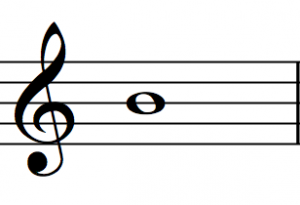
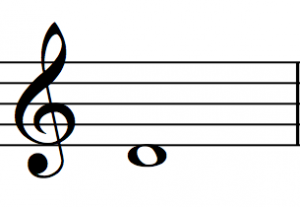
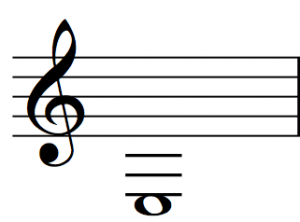
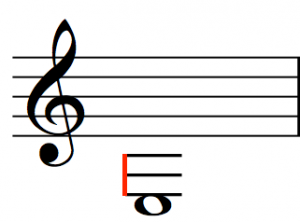
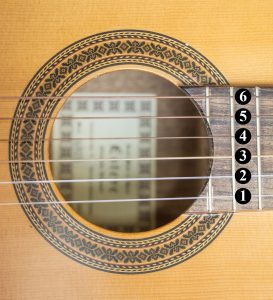
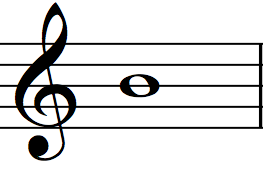
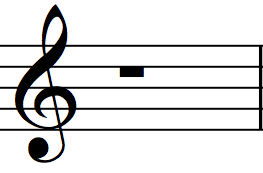
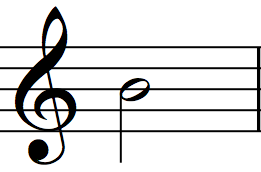
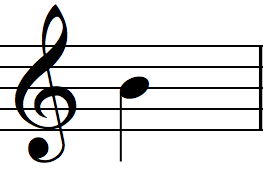
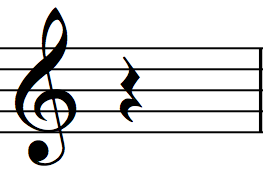
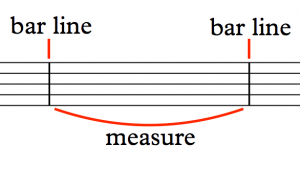
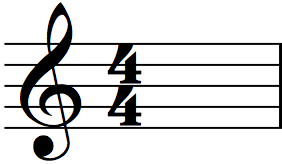
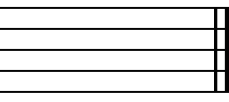
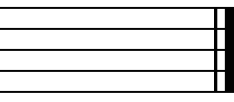
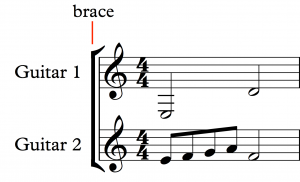
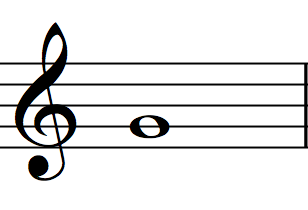
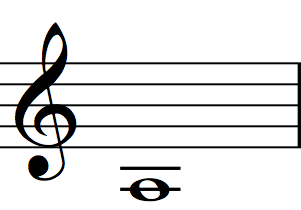
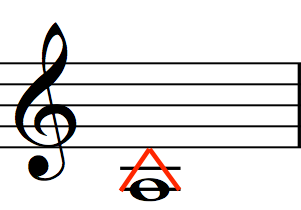
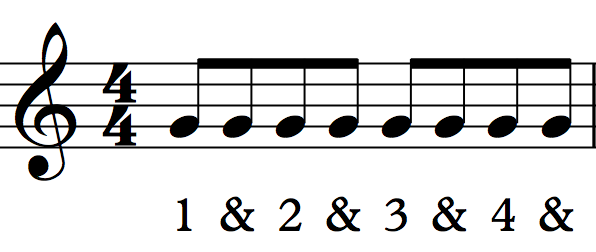
<div class="chapter standard" id="chapter-chapter-1" title="Open Strings, Basic Rhythms &#038; the 4/4 Time Signature"><div class="chapter-title-wrap"><h3 class="chapter-number">1</h3><h2 class="chapter-title">Open Strings, Basic Rhythms &#038; the 4/4 Time Signature</h2></div><div class="ugc chapter-ugc"> <p style="text-align: center"></p> <div class="textbox interactive-content interactive-content--oembed"><img src="https://i.ytimg.com/vi/-jWY5Js-E6s/hqdefault.jpg" alt="Thumbnail for the embedded element &quot;Sight-Reading for Guitar: Unit 1.1 Theoretical&quot;" title="Sight-Reading for Guitar: Unit 1.1 Theoretical" /> <p>A YouTube element has been excluded from this version of the text. You can view it online here: <a href="https://press.rebus.community/sightreadingforguitar/?p=5#pb-interactive-content" title="Sight-Reading for Guitar: Unit 1.1 Theoretical">https://press.rebus.community/sightreadingforguitar/?p=5</a> </p> </div> <p style="text-align: center"></p> <div class="textbox interactive-content interactive-content--oembed"><img src="https://i.ytimg.com/vi/x6zrubPUx7A/hqdefault.jpg" alt="Thumbnail for the embedded element &quot;Sight-Reading for Guitar: Unit 1.2 Practical&quot;" title="Sight-Reading for Guitar: Unit 1.2 Practical" /> <p>A YouTube element has been excluded from this version of the text. You can view it online here: <a href="https://press.rebus.community/sightreadingforguitar/?p=5#pb-interactive-content" title="Sight-Reading for Guitar: Unit 1.2 Practical">https://press.rebus.community/sightreadingforguitar/?p=5</a> </p> </div> <h2>Introduction</h2> <p>In this unit you will learn three notes, six rhythms and the most common time signature. Every unit in this series consists of two sections. The first section is theoretical. You will learn to recognize and understand the symbols used in music notation, especially as they relate to the guitar. The second section is practical. You will pluck rhythms and play duets with a recorded guitar part. Why duets? Duets inspire you to continue playing, or <em>keep going</em>, if you make a mistake. According to many studies, as well as my experience as a musician and educator, this method is the most efficient and fun way to become a great sight-reader. Let’s get started!</p> <h2>Notations</h2> <h3 class="red"><span style="color: #a60c0c">Basic Symbols</span></h3> <h4>The Staff</h4> <div class="wp-nocaption border"><img class="border: alignleft wp-image-127" src="https://press.rebus.community/app/uploads/sites/81/2017/07/staff_0001-300x169.png" alt="" width="141" height="79" srcset="https://press.rebus.community/app/uploads/sites/81/2017/07/staff_0001-300x169.png 300w, https://press.rebus.community/app/uploads/sites/81/2017/07/staff_0001-65x37.png 65w, https://press.rebus.community/app/uploads/sites/81/2017/07/staff_0001-225x126.png 225w, https://press.rebus.community/app/uploads/sites/81/2017/07/staff_0001-350x197.png 350w, https://press.rebus.community/app/uploads/sites/81/2017/07/staff_0001.png 395w" /></div> <p>&nbsp;</p> <p>&nbsp;</p> <p>&nbsp;</p> <p>The staff consists of five equally spread out lines, which create four empty spaces. Pitch names are determined by the position of notes on the staff. Notes placed higher on the staff are higher in pitch than notes placed lower on the staff.</p> <h4>The G-Clef</h4> <div class="wp-nocaption alignnone wp-image-128"><img class="alignnone wp-image-128" src="https://press.rebus.community/app/uploads/sites/81/2017/07/treble-clef_0001-300x283.png" alt="" width="125" height="118" /></div> <p>This symbol is called a G-clef. When it is placed on the staff in the manner of the example it is referred to as a&nbsp;treble clef.&nbsp;The treble clef is positioned at the beginning of each staff. Guitar music is written in treble clef, although it sounds an octave lower than written.</p> <h3 class="red" style="text-align: left"><span style="color: #a60c0c">Notes</span></h3> <h4>The Note ‘B’</h4> <h4><img class="alignnone wp-image-107" src="https://press.rebus.community/app/uploads/sites/81/2017/07/Note-b-300x205.png" alt="" width="149" height="102" /></h4> <p>The note ‘B’ is in on the middle line of the staff. Think of <em>in-be-tween</em>. It is played as the second string open.</p> <h4>The Note ‘D’</h4> <h4><img class="alignnone wp-image-106" src="https://press.rebus.community/app/uploads/sites/81/2017/07/Note-D-300x207.png" alt="" width="150" height="104" /></h4> <p style="text-align: left">The note ‘D’ is directly below the staff. Think of ‘D’ for down because it is <em>down</em> below the first staff line. &nbsp;It is played as the fourth string open.</p> <h4>The Note ‘E’</h4> <h4><img class="wp-image-87 alignnone" src="https://press.rebus.community/app/uploads/sites/81/2017/07/Unit-1-Symbols-test-300x222.png" alt="" width="152" height="112" /></h4> <div class="wp-nocaption wp-image-119 alignnone"><img class="wp-image-119 alignnone" src="https://press.rebus.community/app/uploads/sites/81/2017/07/Note-E-red-line-1-300x222.png" alt="" width="163" height="121" /></div> <p>The note ‘E’ is below the third leger line. The extra lines below the staff are called leger lines. Notice that they are evenly spaced and are meant to be an extension of the staff. The note ‘E’ is played as the sixth string open. To remember the pitch ‘E’, imagine a vertical line placed to the left of the three leger lines. Notice how it makes an upper case letter ‘E’ (as shown below).</p> <h4>String Numbers</h4> <div class="wp-nocaption wp-image-124 alignnone"><img class="wp-image-124 alignnone" src="https://press.rebus.community/app/uploads/sites/81/2017/07/numbered-strings-273x300.jpg" alt="" width="320" height="352" srcset="https://press.rebus.community/app/uploads/sites/81/2017/07/numbered-strings-273x300.jpg 273w, https://press.rebus.community/app/uploads/sites/81/2017/07/numbered-strings-768x845.jpg 768w, https://press.rebus.community/app/uploads/sites/81/2017/07/numbered-strings-931x1024.jpg 931w, https://press.rebus.community/app/uploads/sites/81/2017/07/numbered-strings-65x72.jpg 65w, https://press.rebus.community/app/uploads/sites/81/2017/07/numbered-strings-225x248.jpg 225w, https://press.rebus.community/app/uploads/sites/81/2017/07/numbered-strings-350x385.jpg 350w, https://press.rebus.community/app/uploads/sites/81/2017/07/numbered-strings.jpg 1280w" /></div> <p style="text-align: left">The strings on the guitar are numbered 1 through 6 from the floor upward. For example, the note ‘B’ is played as the second string open.</p> <h3 class="red"><span style="color: #a60c0c">Rhythms</span></h3> <h4>Whole Note</h4> <h4><a href="https://press.rebus.community/app/uploads/sites/81/2017/07/Whole-note-II_0001.png"><img class="alignnone wp-image-2731" src="https://press.rebus.community/app/uploads/sites/81/2017/07/Whole-note-II_0001.png" alt="" width="127" height="81" srcset="https://press.rebus.community/app/uploads/sites/81/2017/07/Whole-note-II_0001.png 263w, https://press.rebus.community/app/uploads/sites/81/2017/07/Whole-note-II_0001-65x42.png 65w, https://press.rebus.community/app/uploads/sites/81/2017/07/Whole-note-II_0001-225x145.png 225w" /></a></h4> <p style="text-align: left">A whole note sustains for 4 beats. The whole note consists of an oval shape that is not colored in.</p> <h4>Whole Rest</h4> <h4><a href="https://press.rebus.community/app/uploads/sites/81/2017/07/Whole-rest-II_0001.png"><img class="alignnone wp-image-2732" src="https://press.rebus.community/app/uploads/sites/81/2017/07/Whole-rest-II_0001.png" alt="" width="128" height="85" srcset="https://press.rebus.community/app/uploads/sites/81/2017/07/Whole-rest-II_0001.png 263w, https://press.rebus.community/app/uploads/sites/81/2017/07/Whole-rest-II_0001-65x43.png 65w, https://press.rebus.community/app/uploads/sites/81/2017/07/Whole-rest-II_0001-225x148.png 225w" /></a></h4> <p style="text-align: left">A whole rest creates silence for 4 beats. The whole note rest looks like a top hat placed upside down.</p> <h4>Half Note</h4> <h4><a href="https://press.rebus.community/app/uploads/sites/81/2017/07/Half-note-II_0001.png"><img class="alignnone wp-image-2733" src="https://press.rebus.community/app/uploads/sites/81/2017/07/Half-note-II_0001.png" alt="" width="125" height="82" srcset="https://press.rebus.community/app/uploads/sites/81/2017/07/Half-note-II_0001.png 261w, https://press.rebus.community/app/uploads/sites/81/2017/07/Half-note-II_0001-65x43.png 65w, https://press.rebus.community/app/uploads/sites/81/2017/07/Half-note-II_0001-225x148.png 225w" /></a></h4> <p style="text-align: left">A half note sustains for 2 beats. The half note consists of an open note head and a stem.</p> <h4>Half Rest</h4> <h4><a href="https://press.rebus.community/app/uploads/sites/81/2017/07/Half-rest-II_0001.png"><img class="alignnone wp-image-2734" src="https://press.rebus.community/app/uploads/sites/81/2017/07/Half-rest-II_0001.png" alt="" width="125" height="85" srcset="https://press.rebus.community/app/uploads/sites/81/2017/07/Half-rest-II_0001.png 258w, https://press.rebus.community/app/uploads/sites/81/2017/07/Half-rest-II_0001-65x44.png 65w, https://press.rebus.community/app/uploads/sites/81/2017/07/Half-rest-II_0001-225x152.png 225w" /></a></h4> <p style="text-align: left">A half rest creates silence for 2 beats. The half-note rest looks like a top hat right side up.</p> <h4>Quarter Note</h4> <h4><a href="https://press.rebus.community/app/uploads/sites/81/2017/07/Quarter-note-II_0001.png"><img class="alignnone wp-image-2735" src="https://press.rebus.community/app/uploads/sites/81/2017/07/Quarter-note-II_0001.png" alt="" width="129" height="84" srcset="https://press.rebus.community/app/uploads/sites/81/2017/07/Quarter-note-II_0001.png 263w, https://press.rebus.community/app/uploads/sites/81/2017/07/Quarter-note-II_0001-65x42.png 65w, https://press.rebus.community/app/uploads/sites/81/2017/07/Quarter-note-II_0001-225x146.png 225w" /></a></h4> <p style="text-align: left">A quarter note sustains for 1 beat. The quarter note consists of a note head that is filled in and a stem.</p> <h4>Quarter Rest</h4> <h4><a href="https://press.rebus.community/app/uploads/sites/81/2017/07/Quarter-rest-II_0001.png"><img class="alignnone wp-image-2736" src="https://press.rebus.community/app/uploads/sites/81/2017/07/Quarter-rest-II_0001.png" alt="" width="130" height="86" srcset="https://press.rebus.community/app/uploads/sites/81/2017/07/Quarter-rest-II_0001.png 263w, https://press.rebus.community/app/uploads/sites/81/2017/07/Quarter-rest-II_0001-65x43.png 65w, https://press.rebus.community/app/uploads/sites/81/2017/07/Quarter-rest-II_0001-225x149.png 225w" /></a></h4> <p style="text-align: left">A quarter rest creates silence for 1 beat. The quarter note rest is a somewhat squiggly line.</p> <p style="text-align: left">Note: I have used the note ‘B’ in the pitched examples above for the whole, half and quarter notes.&nbsp; However, any pitch can have any rhythm. Pitches and rhythms are the main building blocks of standard music notation and are combined in countless ways. To be an excellent sight-reader, it is important to be quick at recognizing, processing and playing pitches <em>and</em> rhythms.</p> <h2>How to Count</h2> <p>Most songs have a steady beat. Composers typically clump the beats into groups of 2, 3 or 4, with an accent placed on the first beat of the group. The following symbols and concepts are essential to understanding rhythm in standard notation.</p> <h4 style="text-align: left">Bar Line and Measure</h4> <div class="wp-nocaption wp-image-99 alignnone"><img class="wp-image-99 alignnone" src="https://press.rebus.community/app/uploads/sites/81/2017/07/measure-and-barlines_0002-300x169.png" alt="" width="284" height="160" srcset="https://press.rebus.community/app/uploads/sites/81/2017/07/measure-and-barlines_0002-300x169.png 300w, https://press.rebus.community/app/uploads/sites/81/2017/07/measure-and-barlines_0002-65x37.png 65w, https://press.rebus.community/app/uploads/sites/81/2017/07/measure-and-barlines_0002-225x127.png 225w, https://press.rebus.community/app/uploads/sites/81/2017/07/measure-and-barlines_0002-350x198.png 350w, https://press.rebus.community/app/uploads/sites/81/2017/07/measure-and-barlines_0002.png 586w" /></div> <p style="text-align: left"><em>Bar lines </em>divide the staff into measures. A <em>measure </em>is the space between two bar lines. Measures are important because they contain the groups of beats. If the song is grouped into four beats per measure, that means each measure must add up to four beats—no more, no less.</p> <h4 style="text-align: left">4/4 Time Signature</h4> <div class="wp-nocaption wp-image-98 alignnone"><img class="wp-image-98 alignnone" src="https://press.rebus.community/app/uploads/sites/81/2017/07/4-4-time-signature_0001-e1552559771468.png" alt="" width="133" height="77" srcset="https://press.rebus.community/app/uploads/sites/81/2017/07/4-4-time-signature_0001-e1552559771468.png 282w, https://press.rebus.community/app/uploads/sites/81/2017/07/4-4-time-signature_0001-e1552559771468-65x38.png 65w, https://press.rebus.community/app/uploads/sites/81/2017/07/4-4-time-signature_0001-e1552559771468-225x131.png 225w" /></div> <p style="text-align: left">The <em>time signature</em> is placed at the beginning of&nbsp; a piece. It contains two numbers. The top number expresses <em>how many</em> beats are in a measure. The bottom number expresses <em>what type of&nbsp; note value usually receives one beat</em>. Think of the bottom number as a fraction with the number 1 on top. For example, in the case of the time signature to your left, 1/4 refers to a quarter note. Therefore, a 4/4 time signature = 4 x 1/4 notes per measure. Or, put another way, a 4/4 time signature contains four quarter notes per measure.<strong><br /> </strong></p> <h4 style="text-align: left">Double Bar Line</h4> <div class="wp-nocaption wp-image-552 alignnone"><img class="wp-image-552 alignnone" src="https://press.rebus.community/app/uploads/sites/81/2017/07/double-barline-new.png" alt="" width="136" height="61" srcset="https://press.rebus.community/app/uploads/sites/81/2017/07/double-barline-new.png 229w, https://press.rebus.community/app/uploads/sites/81/2017/07/double-barline-new-65x29.png 65w, https://press.rebus.community/app/uploads/sites/81/2017/07/double-barline-new-225x100.png 225w" /></div> <p style="text-align: left">The double bar line marks the end of a musical section. Notice that both vertical lines are the same width.</p> <h4 style="text-align: left">Ending Bar Line</h4> <div class="wp-nocaption wp-image-550 alignnone"><img class="wp-image-550 alignnone" src="https://press.rebus.community/app/uploads/sites/81/2017/07/ending-bar-line_0001-1.png" alt="" width="137" height="60" srcset="https://press.rebus.community/app/uploads/sites/81/2017/07/ending-bar-line_0001-1.png 234w, https://press.rebus.community/app/uploads/sites/81/2017/07/ending-bar-line_0001-1-65x28.png 65w, https://press.rebus.community/app/uploads/sites/81/2017/07/ending-bar-line_0001-1-225x98.png 225w" /></div> <p style="text-align: left">The ending bar line marks the end of an entire composition. Notice that the second line vertical line is thicker than the first.</p> <div></div> <div class="textbox standard"><table><tbody><tr><td class="icon" style="width: 101.25px"><img class="alignnone wp-image-111" src="https://press.rebus.community/app/uploads/sites/81/2017/07/black-guitar-icon.png" alt="" width="50" height="50" srcset="https://press.rebus.community/app/uploads/sites/81/2017/07/black-guitar-icon.png 1024w, https://press.rebus.community/app/uploads/sites/81/2017/07/black-guitar-icon-150x150.png 150w, https://press.rebus.community/app/uploads/sites/81/2017/07/black-guitar-icon-300x300.png 300w, https://press.rebus.community/app/uploads/sites/81/2017/07/black-guitar-icon-768x768.png 768w, https://press.rebus.community/app/uploads/sites/81/2017/07/black-guitar-icon-65x65.png 65w, https://press.rebus.community/app/uploads/sites/81/2017/07/black-guitar-icon-225x225.png 225w, https://press.rebus.community/app/uploads/sites/81/2017/07/black-guitar-icon-350x350.png 350w" /></td> <td class="heading" style="width: 1211.25px"><h2 class="nomargin">Let’s Play</h2> </td> </tr> </tbody> </table> </div> <h2>Sight-Reading Tips</h2> <p>Knowledge of music notation is critical, but knowledge is not enough. Physical posture, mental attitude and good habits contribute to sight-reading successes as well. Throughout the series you will receive sight-reading tips, quotes, proverbs, poems and aphorisms to inspire <em>keep going</em> sight-reading.</p> <h3 class="red"><span style="color: #a60c0c">Physical Posture</span></h3> <p>Make sure your guitar-playing posture maintains a relatively steady guitar. When your guitar is steady you don’t have to look at your hands very often. To be a good sight-reader your eyes need to be focused on the score, not on your hands. Also, make sure your guitar-playing posture doesn’t unnecessarily strain your muscles or joints. If you have trouble with posture, I suggest you work with a teacher and/or do more careful research on the topic before launching into this series.</p> <h3 class="red"><span style="color: #a60c0c">Attitude</span></h3> <p>The most important attitude for sight-reading is what I call the <em>keep going</em> attitude. The <em>keep going</em> attitude is more concerned with keeping the pulse than perfecting pitches and rhythms. Remember, you are playing exercises. The exercises in this series are not precious. You are playing them for your personal growth, not for a performance. So, don’t worry if the music sounds messy or ugly! The only thing you must actively strive to do is to stay with the pulse.</p> <p>Have fun! If you make a mistake, I suggest you laugh. Sight-reading does not have to be drudgery. Discovery, irony and even a bit of recklessness are the right attitudes for <em>keep going</em> sight-reading. My mentor, Theodore Norman, used to good-naturedly tease my bad sight-reading with ridiculous descriptions intended to lighten the mood, and it helped. He also advocated that guitarists respond to mistakes by nodding the head up and down, instead of left to right, to create a sense of confidence.</p> <p>One way to make sight-reading more fun is to do it with another musician. I suggest you do this series with a friend. If that is not possible, treat yourself like a friend.</p> <h3 class="red">Good Habit: Count Each Beat Out Loud</h3> <p>Count the beats 1-2-3-4- out loud, regardless of what the music demands. In other words, count throughout the entire exercise, even when you have rests. Some students experience difficulty counting out loud and playing at the same time. If you find it difficult, don’t give up! You will be able to master this skill with a bit of practice. Once you have mastered counting out loud while sight-reading, you can easily count silently, in your head.</p> <h3 class="red"><span style="color: #a60c0c">Checklist for Sight-Reading</span></h3> <ul><li>Count the beats out loud.</li> <li>Keep going (even if you make a mistake).</li> <li>Maintain your best playing posture.</li> <li>Look at the score, not your hands.</li> </ul> <table><tbody><tr><td class="icon"><img class="alignnone wp-image-111" src="https://press.rebus.community/app/uploads/sites/81/2017/07/black-guitar-icon.png" alt="" width="50" height="50" srcset="https://press.rebus.community/app/uploads/sites/81/2017/07/black-guitar-icon.png 1024w, https://press.rebus.community/app/uploads/sites/81/2017/07/black-guitar-icon-150x150.png 150w, https://press.rebus.community/app/uploads/sites/81/2017/07/black-guitar-icon-300x300.png 300w, https://press.rebus.community/app/uploads/sites/81/2017/07/black-guitar-icon-768x768.png 768w, https://press.rebus.community/app/uploads/sites/81/2017/07/black-guitar-icon-65x65.png 65w, https://press.rebus.community/app/uploads/sites/81/2017/07/black-guitar-icon-225x225.png 225w, https://press.rebus.community/app/uploads/sites/81/2017/07/black-guitar-icon-350x350.png 350w" /></td> <td class="heading"><h2 class="nomargin">Let’s Play Rhythms</h2> </td> </tr> </tbody> </table> <p>It’s time to put this knowledge to practice. Every unit begins with a few play-along exercises that require you to sight-read a variety of rhythms while plucking only one pitch. Click on the blue phrase with the word <em>Score</em> to open the musical notation in another window. Then, click on the play button under <em>Audio</em> to start the play-along track.&nbsp; Wait for the count-in to start the song. Remember, it is critical that you keep up with the beats, even if you make a mistake. Don’t forget to count out loud.</p> <h3><span style="color: #a60c0c">Attitude Tip</span></h3> <h3>In order to play well, you have to permit yourself to play badly. –Theodore Norman</h3> <h3><a href="https://press.rebus.community/app/uploads/sites/81/2017/07/Exercise-1.1-1.pdf" target="_blank" rel="noopener noreferrer">Exercise 1.1: Score</a></h3> <h3><span style="font-family: Quantico, sans-serif">Exercise 1.1: Audio</span></h3> <p></p> <div class="textbox interactive-content interactive-content--audio"><span class="interactive-content__icon"></span> <p>An audio element has been excluded from this version of the text. You can listen to it online here: <a href="https://press.rebus.community/sightreadingforguitar/?p=5#pb-interactive-content" title="Open Strings, Basic Rhythms &amp; the 4/4 Time Signature">https://press.rebus.community/sightreadingforguitar/?p=5</a> </p> </div> <h3><a href="https://press.rebus.community/app/uploads/sites/81/2017/07/Exercise-1.2-1.pdf" target="_blank" rel="noopener noreferrer">Exercise 1.2: Score</a></h3> <h3>Exercise 1.2: Audio</h3> <p></p> <div class="textbox interactive-content interactive-content--audio"><span class="interactive-content__icon"></span> <p>An audio element has been excluded from this version of the text. You can listen to it online here: <a href="https://press.rebus.community/sightreadingforguitar/?p=5#pb-interactive-content" title="Open Strings, Basic Rhythms &amp; the 4/4 Time Signature">https://press.rebus.community/sightreadingforguitar/?p=5</a> </p> </div> <h3><a href="https://press.rebus.community/app/uploads/sites/81/2017/07/Exercise-1.3-1.pdf" target="_blank" rel="noopener noreferrer">Exercise 1.3: Score</a></h3> <h3>Exercise 1.3: Audio</h3> <p></p> <div class="textbox interactive-content interactive-content--audio"><span class="interactive-content__icon"></span> <p>An audio element has been excluded from this version of the text. You can listen to it online here: <a href="https://press.rebus.community/sightreadingforguitar/?p=5#pb-interactive-content" title="Open Strings, Basic Rhythms &amp; the 4/4 Time Signature">https://press.rebus.community/sightreadingforguitar/?p=5</a> </p> </div> <table><tbody><tr><td class="icon"><img class="alignnone wp-image-111" src="https://press.rebus.community/app/uploads/sites/81/2017/07/black-guitar-icon.png" alt="" width="50" height="50" srcset="https://press.rebus.community/app/uploads/sites/81/2017/07/black-guitar-icon.png 1024w, https://press.rebus.community/app/uploads/sites/81/2017/07/black-guitar-icon-150x150.png 150w, https://press.rebus.community/app/uploads/sites/81/2017/07/black-guitar-icon-300x300.png 300w, https://press.rebus.community/app/uploads/sites/81/2017/07/black-guitar-icon-768x768.png 768w, https://press.rebus.community/app/uploads/sites/81/2017/07/black-guitar-icon-65x65.png 65w, https://press.rebus.community/app/uploads/sites/81/2017/07/black-guitar-icon-225x225.png 225w, https://press.rebus.community/app/uploads/sites/81/2017/07/black-guitar-icon-350x350.png 350w" /></td> <td class="heading"><h2 class="nomargin">Let’s Play Duets</h2> </td> </tr> </tbody> </table> <p>At the end of every unit, we will play duets. The duets encourage you to keep up with the beat. In my experience, students who stop to fix mistakes in the middle of an exercise take a long time to learn to sight-read. However, students who <em>keep going</em> with the beat, especially when they make mistakes, learn to sight-read quickly.</p> <h3><span style="color: #a60c0c">Attitude Tip</span></h3> <h3>Fall down seven times, get up eight times. –Japanese proverb</h3> <h3><span style="color: #a60c0c">Duet Notation</span></h3> <p>Duet notation is different from solo notation. Duet notation includes a brace that joins two staves. The word <em>staves</em> (rhymes with <em>caves</em>) refers to more than one staff. When two ore more staves are joined by brace, the unit is called a <em>system</em>. The system indicates that the music on both staves are to be played at the same time and according to the same pulse.</p> <div class="wp-nocaption wp-image-116 alignnone"><img class="wp-image-116 alignnone" src="https://press.rebus.community/app/uploads/sites/81/2017/07/brace-2-staves-300x182.png" alt="" width="399" height="242" srcset="https://press.rebus.community/app/uploads/sites/81/2017/07/brace-2-staves-300x182.png 300w, https://press.rebus.community/app/uploads/sites/81/2017/07/brace-2-staves-768x465.png 768w, https://press.rebus.community/app/uploads/sites/81/2017/07/brace-2-staves-1024x620.png 1024w, https://press.rebus.community/app/uploads/sites/81/2017/07/brace-2-staves-65x39.png 65w, https://press.rebus.community/app/uploads/sites/81/2017/07/brace-2-staves-225x136.png 225w, https://press.rebus.community/app/uploads/sites/81/2017/07/brace-2-staves-350x212.png 350w, https://press.rebus.community/app/uploads/sites/81/2017/07/brace-2-staves.png 1617w" /></div> <p>Notice the top staff is labeled <em>Guitar 1</em> and the bottom staff is labeled <em>Guitar 2</em>. You, the student, will read from the <em>Guitar 1</em> staff while I play from the&nbsp;<em>Guitar 2</em>&nbsp; staff&nbsp;<em>&nbsp;</em>in the prerecorded, play-along tracks below. Throughout this series, you are only expected to play <em>Guitar 1</em>. The notation for <em>Guitar 1</em> has been carefully designed to progressively build upon the concepts introduced in each unit.</p> <h3><a href="https://press.rebus.community/app/uploads/sites/81/2017/07/Exercise-1.4-1.pdf" target="_blank" rel="noopener noreferrer">Exercise 1.4: Score</a></h3> <h3>Exercise 1.4: Audio</h3> <p></p> <div class="textbox interactive-content interactive-content--audio"><span class="interactive-content__icon"></span> <p>An audio element has been excluded from this version of the text. You can listen to it online here: <a href="https://press.rebus.community/sightreadingforguitar/?p=5#pb-interactive-content" title="Open Strings, Basic Rhythms &amp; the 4/4 Time Signature">https://press.rebus.community/sightreadingforguitar/?p=5</a> </p> </div> <h3><a href="https://press.rebus.community/app/uploads/sites/81/2017/07/Exercise-1.5.pdf" target="_blank" rel="noopener noreferrer">Exercise 1.5: Score</a></h3> <h3>Exercise 1.5: Audio</h3> <p></p> <div class="textbox interactive-content interactive-content--audio"><span class="interactive-content__icon"></span> <p>An audio element has been excluded from this version of the text. You can listen to it online here: <a href="https://press.rebus.community/sightreadingforguitar/?p=5#pb-interactive-content" title="Open Strings, Basic Rhythms &amp; the 4/4 Time Signature">https://press.rebus.community/sightreadingforguitar/?p=5</a> </p> </div> <h3><a href="https://press.rebus.community/app/uploads/sites/81/2017/07/Exercise-1.6-Full-Score.pdf" target="_blank" rel="noopener noreferrer">Exercise 1.6: Score</a></h3> <h3>Exercise 1.6: Audio</h3> <p></p> <div class="textbox interactive-content interactive-content--audio"><span class="interactive-content__icon"></span> <p>An audio element has been excluded from this version of the text. You can listen to it online here: <a href="https://press.rebus.community/sightreadingforguitar/?p=5#pb-interactive-content" title="Open Strings, Basic Rhythms &amp; the 4/4 Time Signature">https://press.rebus.community/sightreadingforguitar/?p=5</a> </p> </div> <h3><a href="https://press.rebus.community/app/uploads/sites/81/2017/07/Exercise-1.7.pdf">Exercise 1.7: Score</a></h3> <h3>Exercise 1.7: Audio</h3> <p></p> <div class="textbox interactive-content interactive-content--audio"><span class="interactive-content__icon"></span> <p>An audio element has been excluded from this version of the text. You can listen to it online here: <a href="https://press.rebus.community/sightreadingforguitar/?p=5#pb-interactive-content" title="Open Strings, Basic Rhythms &amp; the 4/4 Time Signature">https://press.rebus.community/sightreadingforguitar/?p=5</a> </p> </div> <h3><a href="https://press.rebus.community/app/uploads/sites/81/2017/07/Exercise-1.8.pdf">Exercise 1.8: Score</a></h3> <h3>Exercise 1.8: Audio</h3> <p></p> <div class="textbox interactive-content interactive-content--audio"><span class="interactive-content__icon"></span> <p>An audio element has been excluded from this version of the text. You can listen to it online here: <a href="https://press.rebus.community/sightreadingforguitar/?p=5#pb-interactive-content" title="Open Strings, Basic Rhythms &amp; the 4/4 Time Signature">https://press.rebus.community/sightreadingforguitar/?p=5</a> </p> </div> <div><div class="textbox shaded congrats"><h3 class="red">Congratulations!</h3> <p>You have completed this unit! If you kept up with the beat and accurately played approximately 70% of the pitches and rhythms, you are ready for the next unit. Feel free to repeat the exercises. However, do not play them so often that you memorize them. Once you memorize the notation, you are no longer developing the skill of sight-reading.</p> </div> </div> </div></div>
<div class="chapter standard" id="chapter-unit-2" title="More Open Strings, Rhythms &#038; Time Signatures"><div class="chapter-title-wrap"><h3 class="chapter-number">2</h3><h2 class="chapter-title">More Open Strings, Rhythms &#038; Time Signatures</h2></div><div class="ugc chapter-ugc"> <p style="text-align: center"></p> <div class="textbox interactive-content interactive-content--oembed"><img src="https://i.ytimg.com/vi/Gu_cuzfRMiY/hqdefault.jpg" alt="Thumbnail for the embedded element &quot;Sight-Reading for Guitar: Unit 2&quot;" title="Sight-Reading for Guitar: Unit 2" /> <p>A YouTube element has been excluded from this version of the text. You can view it online here: <a href="https://press.rebus.community/sightreadingforguitar/?p=27#pb-interactive-content" title="Sight-Reading for Guitar: Unit 2">https://press.rebus.community/sightreadingforguitar/?p=27</a> </p> </div> <h2>Introduction</h2> <p>In this unit you will learn three more notes, eighth-note rhythms and two more time signatures. We will continue to follow the same procedure in which you learn symbols and then sight-read them in the <em>Let’s Play</em> section below. Let’s begin!</p> <h2>Notations</h2> <h3 class="red"><span style="color: #a60c0c">Notes</span></h3> <h4>The Note ‘E’</h4> <div class="wp-nocaption wp-image-216 alignnone"><img class="wp-image-216 alignnone" src="https://press.rebus.community/app/uploads/sites/81/2017/07/The-note-E.png" alt="" width="150" height="102" srcset="https://press.rebus.community/app/uploads/sites/81/2017/07/The-note-E.png 308w, https://press.rebus.community/app/uploads/sites/81/2017/07/The-note-E-300x205.png 300w, https://press.rebus.community/app/uploads/sites/81/2017/07/The-note-E-65x44.png 65w, https://press.rebus.community/app/uploads/sites/81/2017/07/The-note-E-225x153.png 225w" /></div> <p>‘E’ is in the top space of the staff. It is played as the first string open.</p> <h4>The Note ‘G’</h4> <div class="wp-nocaption wp-image-217 alignnone"><img class="wp-image-217 alignnone" src="https://press.rebus.community/app/uploads/sites/81/2017/07/The-note-G.png" alt="" width="150" height="78" /></div> <p>‘G’ is on the second line of the staff. &nbsp;It is played as the third string open.</p> <h4>The Note ‘A’</h4> <div class="wp-nocaption wp-image-214 alignnone"><img class="wp-image-214 alignnone" src="https://press.rebus.community/app/uploads/sites/81/2017/07/The-note-A-.png" alt="" width="150" height="105" /></div> <div class="wp-nocaption wp-image-215 alignnone"><img class="wp-image-215 alignnone" src="https://press.rebus.community/app/uploads/sites/81/2017/07/The-note-A-leger-line.png" alt="" width="150" height="105" /></div> <p>‘A’ is on the leger second line. It is played as the fifth string open. To remember the pitch A, imagine two diagonal lines that touch at the top and run tangentially along the note head. Notice how it makes an upper case letter A.</p> <p class="red"><span style="color: #a60c0c;font-family: Quantico, sans-serif;font-size: 1.17em">Rhythms<br /> </span>An eighth note sustains for half of a beat. The eighth note can be written in two ways: either with a <em>beam</em> or a <em>flag</em>.</p> <h4>Eighth Notes Beamed</h4> <div class="wp-nocaption wp-image-2727 alignnone"><a href="https://press.rebus.community/app/uploads/sites/81/2017/07/8th-note-beamed-III.png"><img class="wp-image-2727 alignnone" src="https://press.rebus.community/app/uploads/sites/81/2017/07/8th-note-beamed-III.png" alt="" width="123" height="92" srcset="https://press.rebus.community/app/uploads/sites/81/2017/07/8th-note-beamed-III.png 232w, https://press.rebus.community/app/uploads/sites/81/2017/07/8th-note-beamed-III-65x48.png 65w, https://press.rebus.community/app/uploads/sites/81/2017/07/8th-note-beamed-III-225x168.png 225w" /></a></div> <p>When eighth notes are grouped, each note consists of a note head that is filled in, a stem and a beam. Notice that the beam connects two eighth notes.</p> <h4>Eighth Note Flagged</h4> <div class="wp-nocaption wp-image-2728 alignnone"><a href="https://press.rebus.community/app/uploads/sites/81/2017/07/8th-note-flagged-III.png"><img class="wp-image-2728 alignnone" src="https://press.rebus.community/app/uploads/sites/81/2017/07/8th-note-flagged-III.png" alt="" width="122" height="91" srcset="https://press.rebus.community/app/uploads/sites/81/2017/07/8th-note-flagged-III.png 229w, https://press.rebus.community/app/uploads/sites/81/2017/07/8th-note-flagged-III-65x49.png 65w, https://press.rebus.community/app/uploads/sites/81/2017/07/8th-note-flagged-III-225x168.png 225w" /></a></div> <p>When eighth notes are not grouped each note contains a&nbsp;flag(instead of a beam).</p> <h4>Eighth Rest</h4> <div class="wp-nocaption wp-image-2729 alignnone"><a href="https://press.rebus.community/app/uploads/sites/81/2017/07/8th-note-rest-III.png"><img class="wp-image-2729 alignnone" src="https://press.rebus.community/app/uploads/sites/81/2017/07/8th-note-rest-III.png" alt="" width="124" height="94" srcset="https://press.rebus.community/app/uploads/sites/81/2017/07/8th-note-rest-III.png 226w, https://press.rebus.community/app/uploads/sites/81/2017/07/8th-note-rest-III-65x49.png 65w, https://press.rebus.community/app/uploads/sites/81/2017/07/8th-note-rest-III-225x169.png 225w" /></a></div> <p>The&nbsp;eighth rest creates silence for half of a beat. It consists of a diagonal line with a small flag.</p> <h4><span style="font-family: Quantico, sans-serif">How To Count Eighth Notes</span></h4> <div class="wp-nocaption wp-image-213 alignnone"><img class="wp-image-213 alignnone" src="https://press.rebus.community/app/uploads/sites/81/2017/07/how-to-count.png" alt="" width="310" height="131" srcset="https://press.rebus.community/app/uploads/sites/81/2017/07/how-to-count.png 596w, https://press.rebus.community/app/uploads/sites/81/2017/07/how-to-count-300x127.png 300w, https://press.rebus.community/app/uploads/sites/81/2017/07/how-to-count-65x27.png 65w, https://press.rebus.community/app/uploads/sites/81/2017/07/how-to-count-225x95.png 225w, https://press.rebus.community/app/uploads/sites/81/2017/07/how-to-count-350x148.png 350w" /></div> <p>The first half of the beat receives a number that represents the beat’s placement in the measure. The second half of the beat receives the word <em>and </em>(represented by the symbol <em>&amp;</em>). Whenever music contains eighth-note rhythms I suggest you count with ‘<em>&amp;’</em> throughout the entire piece, even when you encounter quarter, half and whole-note rhythms. This will help you maintain a steady beat.</p> <h2 style="text-align: left">Time Signatures &amp; Meter</h2> <h4 style="text-align: left">2/4 Time Signature</h4> <div class="wp-nocaption wp-image-208 alignnone"><a href="https://press.rebus.community/app/uploads/sites/81/2017/07/2-4-e1552847868140.png"><img class="wp-image-208 alignnone" src="https://press.rebus.community/app/uploads/sites/81/2017/07/2-4-e1552847868140.png" alt="" width="200" height="112" srcset="https://press.rebus.community/app/uploads/sites/81/2017/07/2-4-e1552847868140.png 395w, https://press.rebus.community/app/uploads/sites/81/2017/07/2-4-e1552847868140-300x168.png 300w, https://press.rebus.community/app/uploads/sites/81/2017/07/2-4-e1552847868140-65x36.png 65w, https://press.rebus.community/app/uploads/sites/81/2017/07/2-4-e1552847868140-225x126.png 225w, https://press.rebus.community/app/uploads/sites/81/2017/07/2-4-e1552847868140-350x196.png 350w" /></a></div> <p style="text-align: left">The 2/4 time signature = 2 x 1/4&nbsp; notes per measure. In other words, there are 2 quarter notes per measure. When measures contain two beat groupings, musicians refer to the music as being in <em>duple meter</em>. It is important to allow yourself to <em>feel</em> the groupings of twos and accent certain sounds accordingly.</p> <h4 style="text-align: left">3/4 Time Signature</h4> <div class="wp-nocaption wp-image-209 alignnone"><a href="https://press.rebus.community/app/uploads/sites/81/2017/07/3-4-e1552847916510.png"><img class="wp-image-209 alignnone" src="https://press.rebus.community/app/uploads/sites/81/2017/07/3-4-e1552847916510.png" alt="" width="250" height="112" srcset="https://press.rebus.community/app/uploads/sites/81/2017/07/3-4-e1552847916510.png 493w, https://press.rebus.community/app/uploads/sites/81/2017/07/3-4-e1552847916510-300x134.png 300w, https://press.rebus.community/app/uploads/sites/81/2017/07/3-4-e1552847916510-65x29.png 65w, https://press.rebus.community/app/uploads/sites/81/2017/07/3-4-e1552847916510-225x101.png 225w, https://press.rebus.community/app/uploads/sites/81/2017/07/3-4-e1552847916510-350x157.png 350w" /></a></div> <p>The 3/4 time signature = 3 x 1/4 notes per measure. In other words, there are 3 quarter notes per measure. When measures contain three beat groupings, musicians refer to the music as being in <em>triple meter</em>. It is important to allow yourself to <em>feel</em> the groupings of threes and accent certain sounds accordingly. By the way, 4/4 time is considered <em>quadruple meter</em> because the measures contain four beat groupings.</p> <div class="textbox standard"><table><tbody><tr><td class="icon" style="width: 101.25px"><img class="alignnone wp-image-111" src="https://press.rebus.community/app/uploads/sites/81/2017/07/black-guitar-icon.png" alt="" width="50" height="50" srcset="https://press.rebus.community/app/uploads/sites/81/2017/07/black-guitar-icon.png 1024w, https://press.rebus.community/app/uploads/sites/81/2017/07/black-guitar-icon-150x150.png 150w, https://press.rebus.community/app/uploads/sites/81/2017/07/black-guitar-icon-300x300.png 300w, https://press.rebus.community/app/uploads/sites/81/2017/07/black-guitar-icon-768x768.png 768w, https://press.rebus.community/app/uploads/sites/81/2017/07/black-guitar-icon-65x65.png 65w, https://press.rebus.community/app/uploads/sites/81/2017/07/black-guitar-icon-225x225.png 225w, https://press.rebus.community/app/uploads/sites/81/2017/07/black-guitar-icon-350x350.png 350w" /></td> <td class="heading" style="width: 1211.25px"><h2 class="nomargin">Let’s Play</h2> </td> </tr> </tbody> </table> </div> <h2>Sight-Reading Tips</h2> <h3><span style="color: #a60c0c">Rhythmic Feel</span></h3> <p>A recent study suggests that sight-reading improves when musicians focus on the <em>feel</em> of the meter, instead of individual beats.<span class="footnote">Penttinen, Marjaana and Huovinen, Erkki. "The Early Development of Sight-Reading Skills in Adulthood: A Study of Eye Movements." <em>Journal of Research in Music Education, </em>vol. 59, no. 2, 2011, pp. 196-220.</span> To play with the <em>feel</em> of the meter, start by emphasizing the first beat of each measure more than the others.</p> <p>If you want to learn more about time signatures and meter please visit: http://openmusictheory.com/meter.html</p> <h3><span style="color: #a60c0c">Patterns</span></h3> <p>For the last few decades, music educators have studied a phenomenon called <em>chunking</em>. Chunking is when musicians visually perceive patterns rather than individual notes. It turns out that skilled sight-readers chunk.<span class="footnote">Gromko, Joyce Eastlund. "Predictors of Music Sight-Reading Ability in High School Wind Players." <em>Journal of Research in Music Education, </em>vol. 52, no. 1, 2004, pp. 6-15.&nbsp;</span></p> <p>You all chunk when you read words. Most of you see the letters <em>d-o-g</em> and immediately say <em>dog</em>. This is an example of chunking. But, remember what it was like when you had to sound out each individual letter: <em>dee-oh-gee</em>? That is pre-chunking.</p> <p>The exercises under the heading <em>Let’s Play Patterns</em> are designed to help you process individual notes into patterns as quickly as possible. It is important to trust your instincts. I would rather you attempt to play a pattern and make mistakes than to not try at all.</p> <h3 class="red"><span style="color: #a60c0c">Checklist for Sight-Reading </span></h3> <ul><li>Count the beats out loud (including the <em>&amp;</em>).</li> <li>Keep going (even if you make a mistake).</li> <li>Maintain your best playing posture.</li> <li>Look at the score, not your hands.</li> <li>Play with the <em>feel</em> of the meter.</li> <li>Play patterns instead of individual notes (AKA chunk).</li> <li>Have fun!</li> </ul> <table><tbody><tr><td class="icon"><img class="alignnone wp-image-111" src="https://press.rebus.community/app/uploads/sites/81/2017/07/black-guitar-icon.png" alt="" width="50" height="50" srcset="https://press.rebus.community/app/uploads/sites/81/2017/07/black-guitar-icon.png 1024w, https://press.rebus.community/app/uploads/sites/81/2017/07/black-guitar-icon-150x150.png 150w, https://press.rebus.community/app/uploads/sites/81/2017/07/black-guitar-icon-300x300.png 300w, https://press.rebus.community/app/uploads/sites/81/2017/07/black-guitar-icon-768x768.png 768w, https://press.rebus.community/app/uploads/sites/81/2017/07/black-guitar-icon-65x65.png 65w, https://press.rebus.community/app/uploads/sites/81/2017/07/black-guitar-icon-225x225.png 225w, https://press.rebus.community/app/uploads/sites/81/2017/07/black-guitar-icon-350x350.png 350w" /></td> <td class="heading"><h2 class="nomargin">Let’s Play Rhythms</h2> </td> </tr> </tbody> </table> <h3><span style="color: #a60c0c">Attitude Tip</span></h3> <h3>Do not fear mistakes, there are none. –Miles Davis</h3> <h3><a href="https://press.rebus.community/app/uploads/sites/81/2017/07/Exercise-2.1-2.pdf" target="_blank" rel="noopener noreferrer">Exercise 2.1: Score</a></h3> <h3>Exercise 2.1: Audio</h3> <p></p> <div class="textbox interactive-content interactive-content--audio"><span class="interactive-content__icon"></span> <p>An audio element has been excluded from this version of the text. You can listen to it online here: <a href="https://press.rebus.community/sightreadingforguitar/?p=27#pb-interactive-content" title="More Open Strings, Rhythms &amp; Time Signatures">https://press.rebus.community/sightreadingforguitar/?p=27</a> </p> </div> <h3><a href="https://press.rebus.community/app/uploads/sites/81/2017/07/Exercise-2.2.pdf" target="_blank" rel="noopener noreferrer">Exercise 2.2: Score</a></h3> <h3>Exercise 2.2: Audio</h3> <p></p> <div class="textbox interactive-content interactive-content--audio"><span class="interactive-content__icon"></span> <p>An audio element has been excluded from this version of the text. You can listen to it online here: <a href="https://press.rebus.community/sightreadingforguitar/?p=27#pb-interactive-content" title="More Open Strings, Rhythms &amp; Time Signatures">https://press.rebus.community/sightreadingforguitar/?p=27</a> </p> </div> <p>The next exercise will have a <em>two</em> beat count-in because there is a 2/4 time signature at the beginning of the score. Since the smallest rhythmic value in Ex. 2.3 is an eighth note, you need to count 1&amp;2&amp;. From now on, please remember that the count-in always corresponds with the time signature.</p> <h3><a href="https://press.rebus.community/app/uploads/sites/81/2017/07/Exercise-2.3-Full-Score.pdf" target="_blank" rel="noopener noreferrer">Exercise 2.3: Score</a></h3> <h3>Exercise 2.3: Audio</h3> <p></p> <div class="textbox interactive-content interactive-content--audio"><span class="interactive-content__icon"></span> <p>An audio element has been excluded from this version of the text. You can listen to it online here: <a href="https://press.rebus.community/sightreadingforguitar/?p=27#pb-interactive-content" title="More Open Strings, Rhythms &amp; Time Signatures">https://press.rebus.community/sightreadingforguitar/?p=27</a> </p> </div> <p>The next two exercises will have a <em>three </em>beat count-in because there is a 3/4 time signature at the beginning of the each score. Since the smallest rhythmic value in Ex. 2.4 is a quarter note, you simply need to count 123. However, since the smallest rhythmic value in Ex. 2.5 is an eighth note, you need to count 1&amp;2&amp;3&amp;.</p> <h3><a href="https://press.rebus.community/app/uploads/sites/81/2017/07/Exercise-2.4-Full-Score.pdf" target="_blank" rel="noopener noreferrer">Exercise 2.4: Score</a></h3> <h3>Exercise 2.4: Audio</h3> <p></p> <div class="textbox interactive-content interactive-content--audio"><span class="interactive-content__icon"></span> <p>An audio element has been excluded from this version of the text. You can listen to it online here: <a href="https://press.rebus.community/sightreadingforguitar/?p=27#pb-interactive-content" title="More Open Strings, Rhythms &amp; Time Signatures">https://press.rebus.community/sightreadingforguitar/?p=27</a> </p> </div> <h3><a href="https://press.rebus.community/app/uploads/sites/81/2017/07/Exercise-2.5-Full-Score.pdf" target="_blank" rel="noopener noreferrer">Exercise 2.5: Score</a></h3> <h3>Exercise 2.5: Audio</h3> <p></p> <div class="textbox interactive-content interactive-content--audio"><span class="interactive-content__icon"></span> <p>An audio element has been excluded from this version of the text. You can listen to it online here: <a href="https://press.rebus.community/sightreadingforguitar/?p=27#pb-interactive-content" title="More Open Strings, Rhythms &amp; Time Signatures">https://press.rebus.community/sightreadingforguitar/?p=27</a> </p> </div> <table><tbody><tr><td class="icon"><img class="alignnone wp-image-111" src="https://press.rebus.community/app/uploads/sites/81/2017/07/black-guitar-icon.png" alt="" width="50" height="50" srcset="https://press.rebus.community/app/uploads/sites/81/2017/07/black-guitar-icon.png 1024w, https://press.rebus.community/app/uploads/sites/81/2017/07/black-guitar-icon-150x150.png 150w, https://press.rebus.community/app/uploads/sites/81/2017/07/black-guitar-icon-300x300.png 300w, https://press.rebus.community/app/uploads/sites/81/2017/07/black-guitar-icon-768x768.png 768w, https://press.rebus.community/app/uploads/sites/81/2017/07/black-guitar-icon-65x65.png 65w, https://press.rebus.community/app/uploads/sites/81/2017/07/black-guitar-icon-225x225.png 225w, https://press.rebus.community/app/uploads/sites/81/2017/07/black-guitar-icon-350x350.png 350w" /></td> <td class="heading"><h2 class="nomargin">Let’s Play Patterns</h2> </td> </tr> </tbody> </table> <h3><span style="color: #a60c0c">Attitude Tip</span></h3> <h3>Only those who will risk going too far can possibly find out how far one can go. –T.S. Eliot</h3> <p>The <em>Let’s Play Patterns</em> category will help you develop the ability to chunk. The exercises in this category are presented as guitar duets.</p> <h3><a href="https://press.rebus.community/app/uploads/sites/81/2017/07/Exercise-2.6-Full-Score.pdf" target="_blank" rel="noopener noreferrer">Exercise 2.6: Score</a></h3> <h3>Exercise 2.6: Audio</h3> <p></p> <div class="textbox interactive-content interactive-content--audio"><span class="interactive-content__icon"></span> <p>An audio element has been excluded from this version of the text. You can listen to it online here: <a href="https://press.rebus.community/sightreadingforguitar/?p=27#pb-interactive-content" title="More Open Strings, Rhythms &amp; Time Signatures">https://press.rebus.community/sightreadingforguitar/?p=27</a> </p> </div> <h3><a href="https://press.rebus.community/app/uploads/sites/81/2017/07/Exercise-2.7-Full-Score.pdf" target="_blank" rel="noopener noreferrer">Exercise 2.7: Score</a></h3> <h3>Exercise 2.7: Audio</h3> <p></p> <div class="textbox interactive-content interactive-content--audio"><span class="interactive-content__icon"></span> <p>An audio element has been excluded from this version of the text. You can listen to it online here: <a href="https://press.rebus.community/sightreadingforguitar/?p=27#pb-interactive-content" title="More Open Strings, Rhythms &amp; Time Signatures">https://press.rebus.community/sightreadingforguitar/?p=27</a> </p> </div> <h3><a href="https://press.rebus.community/app/uploads/sites/81/2017/07/Exercise-2.8-Full-Score.pdf" target="_blank" rel="noopener noreferrer">Exercise 2.8: Score</a></h3> <h3>Exercise 2.8: Audio</h3> <p></p> <div class="textbox interactive-content interactive-content--audio"><span class="interactive-content__icon"></span> <p>An audio element has been excluded from this version of the text. You can listen to it online here: <a href="https://press.rebus.community/sightreadingforguitar/?p=27#pb-interactive-content" title="More Open Strings, Rhythms &amp; Time Signatures">https://press.rebus.community/sightreadingforguitar/?p=27</a> </p> </div> <table><tbody><tr><td class="icon"><img class="alignnone wp-image-111" src="https://press.rebus.community/app/uploads/sites/81/2017/07/black-guitar-icon.png" alt="" width="50" height="50" srcset="https://press.rebus.community/app/uploads/sites/81/2017/07/black-guitar-icon.png 1024w, https://press.rebus.community/app/uploads/sites/81/2017/07/black-guitar-icon-150x150.png 150w, https://press.rebus.community/app/uploads/sites/81/2017/07/black-guitar-icon-300x300.png 300w, https://press.rebus.community/app/uploads/sites/81/2017/07/black-guitar-icon-768x768.png 768w, https://press.rebus.community/app/uploads/sites/81/2017/07/black-guitar-icon-65x65.png 65w, https://press.rebus.community/app/uploads/sites/81/2017/07/black-guitar-icon-225x225.png 225w, https://press.rebus.community/app/uploads/sites/81/2017/07/black-guitar-icon-350x350.png 350w" /></td> <td class="heading"><h2 class="nomargin">Let’s Play Duets</h2> </td> </tr> </tbody> </table> <h3><span style="color: #a60c0c">Attitude Tip</span></h3> <h3>The day you decide to do it is your lucky day. –Japanese proverb</h3> <p>The exercises in this series are progressive and cumulative. They contain information you learned in this unit as well as previous units. As a result, you may need to review the symbols you learned in Unit 1.</p> <h3><a href="https://press.rebus.community/app/uploads/sites/81/2017/07/Exercise-2.9-Full-Score.pdf" target="_blank" rel="noopener noreferrer">Exercise 2.9: Score</a></h3> <h3>Exercise 2.9: Audio</h3> <p></p> <div class="textbox interactive-content interactive-content--audio"><span class="interactive-content__icon"></span> <p>An audio element has been excluded from this version of the text. You can listen to it online here: <a href="https://press.rebus.community/sightreadingforguitar/?p=27#pb-interactive-content" title="More Open Strings, Rhythms &amp; Time Signatures">https://press.rebus.community/sightreadingforguitar/?p=27</a> </p> </div> <h3><a href="https://press.rebus.community/app/uploads/sites/81/2017/07/Exercise-2.10-Full-Score.pdf" target="_blank" rel="noopener noreferrer">Exercise 2.10: Score</a></h3> <h3>Exercise 2.10: Audio</h3> <p></p> <div class="textbox interactive-content interactive-content--audio"><span class="interactive-content__icon"></span> <p>An audio element has been excluded from this version of the text. You can listen to it online here: <a href="https://press.rebus.community/sightreadingforguitar/?p=27#pb-interactive-content" title="More Open Strings, Rhythms &amp; Time Signatures">https://press.rebus.community/sightreadingforguitar/?p=27</a> </p> </div> <h3><a href="https://press.rebus.community/app/uploads/sites/81/2017/07/The-Quiet-House.pdf"><em>The Quiet House</em> by Frank Bartscheck II: Score</a></h3> <h3><em>The Quiet House</em>: Audio</h3> <p></p> <div class="textbox interactive-content interactive-content--audio"><span class="interactive-content__icon"></span> <p>An audio element has been excluded from this version of the text. You can listen to it online here: <a href="https://press.rebus.community/sightreadingforguitar/?p=27#pb-interactive-content" title="More Open Strings, Rhythms &amp; Time Signatures">https://press.rebus.community/sightreadingforguitar/?p=27</a> </p> </div> <div><div class="textbox shaded congrats"><h3 class="red">Congratulations!</h3> <p>You have completed this unit! If you kept up with the beat and accurately played approximately 70% of the pitches and rhythms, you are ready for the next unit. Feel free to repeat the exercises. However, do not play them so often that you memorize them. Once you memorize the notation, you are no longer developing the skill of sight-reading.</p> </div> </div> </div></div>
<div class="chapter standard" id="chapter-unit-3-first-string-tempo" title="Notes on the First String &#038; Tempo"><div class="chapter-title-wrap"><h3 class="chapter-number">3</h3><h2 class="chapter-title">Notes on the First String &#038; Tempo</h2></div><div class="ugc chapter-ugc"> <p style="text-align: center"></p> <div class="textbox interactive-content interactive-content--oembed"><img src="https://i.ytimg.com/vi/_lxfF6n_4jE/hqdefault.jpg" alt="Thumbnail for the embedded element &quot;Sight-Reading for Guitar: Unit 3&quot;" title="Sight-Reading for Guitar: Unit 3" /> <p>A YouTube element has been excluded from this version of the text. You can view it online here: <a href="https://press.rebus.community/sightreadingforguitar/?p=55#pb-interactive-content" title="Sight-Reading for Guitar: Unit 3">https://press.rebus.community/sightreadingforguitar/?p=55</a> </p> </div> <h2><strong>INTRODUCTION</strong></h2> <p>In this unit you will learn two fretted notes on the first string and a variety of tempo indicators.</p> <h2>Notations</h2> <h3 class="red"><span style="color: #a60c0c">Notes</span></h3> <h4>The Note ‘F’</h4> <div class="wp-nocaption wp-image-187 alignnone"><img class="wp-image-187 alignnone" src="https://press.rebus.community/app/uploads/sites/81/2017/09/note-f-300x205.png" alt="" width="150" height="102" /></div> <p>‘F’ is on the top line of the staff. To play ‘F’, fret the first fret on the first string.</p> <h4>The Note ‘G’</h4> <div class="wp-nocaption wp-image-188 alignnone"><img class="wp-image-188 alignnone" src="https://press.rebus.community/app/uploads/sites/81/2017/09/note-g-300x205.png" alt="" width="150" height="81" /></div> <p>‘G’ sits directly on top of the staff.&nbsp; To play ‘G’, fret the third fret on the first string.</p> <p class="red"><span style="color: #a60c0c;font-family: Quantico, sans-serif;font-size: 1.17em">Tempo<br /> </span>Tempo is the speed, or pace, of a piece. It can be conveyed in two ways: in beats per minute (BPM) or with descriptive words.</p> <h4>Beats Per Minute (BPM)</h4> <div class="wp-nocaption wp-image-186 alignnone"><img class="wp-image-186 alignnone" src="https://press.rebus.community/app/uploads/sites/81/2017/09/bpm-e1547150162311-300x107.png" alt="" width="150" height="54" srcset="https://press.rebus.community/app/uploads/sites/81/2017/09/bpm-e1547150162311-300x107.png 300w, https://press.rebus.community/app/uploads/sites/81/2017/09/bpm-e1547150162311-65x23.png 65w, https://press.rebus.community/app/uploads/sites/81/2017/09/bpm-e1547150162311-225x80.png 225w, https://press.rebus.community/app/uploads/sites/81/2017/09/bpm-e1547150162311.png 341w" /></div> <p>BPM is the most precise way to convey tempo. A rhythmic value is equated to a number that represents beats per minute. In the example, a quarter note equals 120 beats per minute, which means that the pace will unfold as two beats per second. To find an exact BPM, you can purchase a metronome or visit this free site: <a href="https://www.metronomeonline.com/">https://www.metronomeonline.com/</a>.</p> <p class="red"><span style="color: #a60c0c;font-family: Quantico, sans-serif;font-size: 1.17em">Descriptive Words<br /> </span>Prior to the invention of the metronome, composers used descriptive words to indicate tempo. Many composers continue to employ these words along with or instead of metronome markings. Below is a list of ten commonly used tempo indicators. Italian words are traditionally used. You will probably encounter other words (in Italian, French, German and other languages) that are not listed here. Most of the time, the definition can be found with an online search.</p> <table style="border-collapse: collapse;width: 50%"><tbody><tr><td><b>Tempo</b></td> <td><b>How to Play</b></td> <td><b>Approx. BPM</b></td> </tr> <tr><td style="text-align: left">Largo</td> <td>broadly</td> <td>40-60</td> </tr> <tr><td>Lento</td> <td>slowly</td> <td>45-60</td> </tr> <tr><td>Larghetto</td> <td>a little faster than Largo</td> <td>60-66</td> </tr> <tr><td>Adagio</td> <td>moderately slow</td> <td>66-76</td> </tr> <tr><td>Andante</td> <td>walking pace</td> <td>76-108</td> </tr> <tr><td>Moderato</td> <td>moderately</td> <td>108-120</td> </tr> <tr><td>Allegro</td> <td>happy, or fast</td> <td>120-168</td> </tr> <tr><td>Vivace<em><br /> </em></td> <td>lively and fast</td> <td>168-176</td> </tr> <tr><td>Presto</td> <td>very fast</td> <td>168-200</td> </tr> <tr><td>Prestissimo</td> <td>faster than Presto</td> <td>higher than 200</td> </tr> </tbody> </table> <div class="textbox standard"><table><tbody><tr><td class="icon" style="width: 101.25px"><img class="alignnone wp-image-111" src="https://press.rebus.community/app/uploads/sites/81/2017/07/black-guitar-icon.png" alt="" width="50" height="50" srcset="https://press.rebus.community/app/uploads/sites/81/2017/07/black-guitar-icon.png 1024w, https://press.rebus.community/app/uploads/sites/81/2017/07/black-guitar-icon-150x150.png 150w, https://press.rebus.community/app/uploads/sites/81/2017/07/black-guitar-icon-300x300.png 300w, https://press.rebus.community/app/uploads/sites/81/2017/07/black-guitar-icon-768x768.png 768w, https://press.rebus.community/app/uploads/sites/81/2017/07/black-guitar-icon-65x65.png 65w, https://press.rebus.community/app/uploads/sites/81/2017/07/black-guitar-icon-225x225.png 225w, https://press.rebus.community/app/uploads/sites/81/2017/07/black-guitar-icon-350x350.png 350w" /></td> <td class="heading" style="width: 1211.25px"><h2 class="nomargin">Let’s Play</h2> </td> </tr> </tbody> </table> </div> <h2>Sight-Reading Tip</h2> <p>If you drop the rhythm—meaning you lose your place while sight-reading—I suggest you play only the first beat of each measure. This will allow you to mentally keep your place in the rhythmic scheme. When that becomes manageable, play only the first and third beats of examples in 4/4 time. Finally, when that becomes manageable, play the entire exercise.</p> <p>Theodore Norman advocated this method and many guitarists have used it to become great sight-readers. However, this is but one creative solution to a sight-reading obstacle. All great sight-reading guitarists engage in creative problem solving. Think of an obstacle as an opportunity to invent a creative solution. Then, create a solution and put it into action.</p> <h3 class="red"><span style="color: #a60c0c">Checklist for Sight-Reading</span></h3> <ul><li>Count the beats out loud (including the <em>&amp;</em>).</li> <li>Keep going (even if you make a mistake).</li> <li>Maintain your best playing posture.</li> <li>Look at the score, not your hands.</li> <li>Play with the <em>feel</em> of the meter.</li> <li>Play patterns instead of individual notes (AKA chunk).</li> <li>Have fun!</li> </ul> <table><tbody><tr><td class="icon"><img class="alignnone wp-image-111" src="https://press.rebus.community/app/uploads/sites/81/2017/07/black-guitar-icon.png" alt="" width="50" height="50" srcset="https://press.rebus.community/app/uploads/sites/81/2017/07/black-guitar-icon.png 1024w, https://press.rebus.community/app/uploads/sites/81/2017/07/black-guitar-icon-150x150.png 150w, https://press.rebus.community/app/uploads/sites/81/2017/07/black-guitar-icon-300x300.png 300w, https://press.rebus.community/app/uploads/sites/81/2017/07/black-guitar-icon-768x768.png 768w, https://press.rebus.community/app/uploads/sites/81/2017/07/black-guitar-icon-65x65.png 65w, https://press.rebus.community/app/uploads/sites/81/2017/07/black-guitar-icon-225x225.png 225w, https://press.rebus.community/app/uploads/sites/81/2017/07/black-guitar-icon-350x350.png 350w" /></td> <td class="heading"><h2 class="nomargin">Let’s Play Rhythms</h2> </td> </tr> </tbody> </table> <h3><span style="color: #a60c0c">Attitude Tip</span></h3> <h3>To practice is not to collect things and put them in your basket, rather [it is] to find what is up your sleeve. –Shunryu Suzuki</h3> <h3><a href="https://press.rebus.community/app/uploads/sites/81/2017/09/Exercise-3.1-Full-Score.pdf" target="_blank" rel="noopener noreferrer">Exercise 3.1: Score</a></h3> <h3>Exercise 3.1: Audio</h3> <p></p> <div class="textbox interactive-content interactive-content--audio"><span class="interactive-content__icon"></span> <p>An audio element has been excluded from this version of the text. You can listen to it online here: <a href="https://press.rebus.community/sightreadingforguitar/?p=55#pb-interactive-content" title="Notes on the First String &amp; Tempo">https://press.rebus.community/sightreadingforguitar/?p=55</a> </p> </div> <h3><a href="https://press.rebus.community/app/uploads/sites/81/2017/09/Exercise-3.2-Full-Score.pdf" target="_blank" rel="noopener noreferrer">Exercise 3.2: Score</a></h3> <h3>Exercise 3.2 Audio</h3> <p></p> <div class="textbox interactive-content interactive-content--audio"><span class="interactive-content__icon"></span> <p>An audio element has been excluded from this version of the text. You can listen to it online here: <a href="https://press.rebus.community/sightreadingforguitar/?p=55#pb-interactive-content" title="Notes on the First String &amp; Tempo">https://press.rebus.community/sightreadingforguitar/?p=55</a> </p> </div> <h3><a href="https://press.rebus.community/app/uploads/sites/81/2017/09/Exercise-3.3-Full-Score.pdf" target="_blank" rel="noopener noreferrer">Exercise 3.3: Score</a></h3> <h3>Exercise 3.3: Audio</h3> <p></p> <div class="textbox interactive-content interactive-content--audio"><span class="interactive-content__icon"></span> <p>An audio element has been excluded from this version of the text. You can listen to it online here: <a href="https://press.rebus.community/sightreadingforguitar/?p=55#pb-interactive-content" title="Notes on the First String &amp; Tempo">https://press.rebus.community/sightreadingforguitar/?p=55</a> </p> </div> <h3><a href="https://press.rebus.community/app/uploads/sites/81/2017/09/Exercise-3.4-Full-Score.pdf" target="_blank" rel="noopener noreferrer">Exercise 3.4: Score</a></h3> <h3>Exercise 3.4 Audio</h3> <p></p> <div class="textbox interactive-content interactive-content--audio"><span class="interactive-content__icon"></span> <p>An audio element has been excluded from this version of the text. You can listen to it online here: <a href="https://press.rebus.community/sightreadingforguitar/?p=55#pb-interactive-content" title="Notes on the First String &amp; Tempo">https://press.rebus.community/sightreadingforguitar/?p=55</a> </p> </div> <h3><a href="https://press.rebus.community/app/uploads/sites/81/2017/09/Exercise-3.5-Full-Score.pdf" target="_blank" rel="noopener noreferrer">Exercise 3.5: Score</a></h3> <h3>Exercise 3.5: Audio</h3> <p></p> <div class="textbox interactive-content interactive-content--audio"><span class="interactive-content__icon"></span> <p>An audio element has been excluded from this version of the text. You can listen to it online here: <a href="https://press.rebus.community/sightreadingforguitar/?p=55#pb-interactive-content" title="Notes on the First String &amp; Tempo">https://press.rebus.community/sightreadingforguitar/?p=55</a> </p> </div> <h3><a href="https://press.rebus.community/app/uploads/sites/81/2017/09/Exercise-3.6-Full-Score.pdf" target="_blank" rel="noopener noreferrer">Exercise 3.6: Score</a></h3> <h3>Exercise 3.6 Audio</h3> <p></p> <div class="textbox interactive-content interactive-content--audio"><span class="interactive-content__icon"></span> <p>An audio element has been excluded from this version of the text. You can listen to it online here: <a href="https://press.rebus.community/sightreadingforguitar/?p=55#pb-interactive-content" title="Notes on the First String &amp; Tempo">https://press.rebus.community/sightreadingforguitar/?p=55</a> </p> </div> <table><tbody><tr><td class="icon"><img class="alignnone wp-image-111" src="https://press.rebus.community/app/uploads/sites/81/2017/07/black-guitar-icon.png" alt="" width="50" height="50" srcset="https://press.rebus.community/app/uploads/sites/81/2017/07/black-guitar-icon.png 1024w, https://press.rebus.community/app/uploads/sites/81/2017/07/black-guitar-icon-150x150.png 150w, https://press.rebus.community/app/uploads/sites/81/2017/07/black-guitar-icon-300x300.png 300w, https://press.rebus.community/app/uploads/sites/81/2017/07/black-guitar-icon-768x768.png 768w, https://press.rebus.community/app/uploads/sites/81/2017/07/black-guitar-icon-65x65.png 65w, https://press.rebus.community/app/uploads/sites/81/2017/07/black-guitar-icon-225x225.png 225w, https://press.rebus.community/app/uploads/sites/81/2017/07/black-guitar-icon-350x350.png 350w" /></td> <td class="heading"><h2 class="nomargin">Let’s Play Patterns</h2> </td> </tr> </tbody> </table> <h3><span style="color: #a60c0c;font-family: Quantico, sans-serif">Attitude Tip</span></h3> <h3>We cannot solve our problems with the same level of thinking that created them. –Albert Einstein</h3> <h3><a href="https://press.rebus.community/app/uploads/sites/81/2017/09/Exercise-3.7-Full-Score.pdf" target="_blank" rel="noopener noreferrer">Exercise 3.7: Score</a></h3> <h3>Exercise 3.7: Audio</h3> <p></p> <div class="textbox interactive-content interactive-content--audio"><span class="interactive-content__icon"></span> <p>An audio element has been excluded from this version of the text. You can listen to it online here: <a href="https://press.rebus.community/sightreadingforguitar/?p=55#pb-interactive-content" title="Notes on the First String &amp; Tempo">https://press.rebus.community/sightreadingforguitar/?p=55</a> </p> </div> <table><tbody><tr><td class="icon"><img class="alignnone wp-image-111" src="https://press.rebus.community/app/uploads/sites/81/2017/07/black-guitar-icon.png" alt="" width="50" height="50" srcset="https://press.rebus.community/app/uploads/sites/81/2017/07/black-guitar-icon.png 1024w, https://press.rebus.community/app/uploads/sites/81/2017/07/black-guitar-icon-150x150.png 150w, https://press.rebus.community/app/uploads/sites/81/2017/07/black-guitar-icon-300x300.png 300w, https://press.rebus.community/app/uploads/sites/81/2017/07/black-guitar-icon-768x768.png 768w, https://press.rebus.community/app/uploads/sites/81/2017/07/black-guitar-icon-65x65.png 65w, https://press.rebus.community/app/uploads/sites/81/2017/07/black-guitar-icon-225x225.png 225w, https://press.rebus.community/app/uploads/sites/81/2017/07/black-guitar-icon-350x350.png 350w" /></td> <td class="heading"><h2 class="nomargin">Let’s Play Duets</h2> </td> </tr> </tbody> </table> <h3><span style="color: #a60c0c">Attitude Tip</span></h3> <h3>Everything is perfect, but there is a lot of room for improvement. –Shunryu Suzuki</h3> <h3><a href="https://press.rebus.community/app/uploads/sites/81/2017/09/Exercise-3.8-Full-Score.pdf" target="_blank" rel="noopener noreferrer">Exercise 3.8: Score</a></h3> <h3>Exercise 3.8: Audio</h3> <p></p> <div class="textbox interactive-content interactive-content--audio"><span class="interactive-content__icon"></span> <p>An audio element has been excluded from this version of the text. You can listen to it online here: <a href="https://press.rebus.community/sightreadingforguitar/?p=55#pb-interactive-content" title="Notes on the First String &amp; Tempo">https://press.rebus.community/sightreadingforguitar/?p=55</a> </p> </div> <h3><a href="https://press.rebus.community/app/uploads/sites/81/2017/09/Exercise-3.9-Full-Score.pdf" target="_blank" rel="noopener noreferrer">Exercise 3.9: Score</a></h3> <h3>Exercise 3.9: Audio</h3> <p></p> <div class="textbox interactive-content interactive-content--audio"><span class="interactive-content__icon"></span> <p>An audio element has been excluded from this version of the text. You can listen to it online here: <a href="https://press.rebus.community/sightreadingforguitar/?p=55#pb-interactive-content" title="Notes on the First String &amp; Tempo">https://press.rebus.community/sightreadingforguitar/?p=55</a> </p> </div> <h3><a href="https://press.rebus.community/app/uploads/sites/81/2017/09/Exercise-3.10-Full-Score.pdf" target="_blank" rel="noopener noreferrer">Exercise 3.10: Score</a></h3> <h3>Exercise 3.10: Audio</h3> <p></p> <div class="textbox interactive-content interactive-content--audio"><span class="interactive-content__icon"></span> <p>An audio element has been excluded from this version of the text. You can listen to it online here: <a href="https://press.rebus.community/sightreadingforguitar/?p=55#pb-interactive-content" title="Notes on the First String &amp; Tempo">https://press.rebus.community/sightreadingforguitar/?p=55</a> </p> </div> <div><div class="textbox shaded congrats"><h3 class="red">Congratulations!</h3> <p>You have completed this unit! If you kept up with the beat and accurately played approximately 70% of the pitches and rhythms, you are ready for the next unit. Feel free to repeat the exercises. However, do not play them so often that you memorize them. Once you memorize the notation, you are no longer developing the skill of sight-reading.</p> </div> </div> </div></div>
<div class="chapter standard" id="chapter-second-string-articulations-voicing" title="Notes on the Second String, Articulations &#038; Voicings"><div class="chapter-title-wrap"><h3 class="chapter-number">4</h3><h2 class="chapter-title">Notes on the Second String, Articulations &#038; Voicings</h2></div><div class="ugc chapter-ugc"> <p style="text-align: center"></p> <div class="textbox interactive-content interactive-content--oembed"><img src="https://i.ytimg.com/vi/mnBPmjLsmmg/hqdefault.jpg" alt="Thumbnail for the embedded element &quot;Sight-Reading for Guitar: Unit 4&quot;" title="Sight-Reading for Guitar: Unit 4" /> <p>A YouTube element has been excluded from this version of the text. You can view it online here: <a href="https://press.rebus.community/sightreadingforguitar/?p=133#pb-interactive-content" title="Sight-Reading for Guitar: Unit 4">https://press.rebus.community/sightreadingforguitar/?p=133</a> </p> </div> <h2><strong>INTRODUCTION</strong></h2> <p>In this unit you will learn two fretted notes on the second string and articulations.</p> <h2><strong>NOTATION</strong></h2> <h3><span style="color: #a60c0c">Notes</span></h3> <h4>The Note ‘C’</h4> <div class="wp-nocaption alignnone"><img class="alignnone" src="https://press.rebus.community/app/uploads/sites/81/2017/09/note-C_0001ok-2.png" alt="" width="177" height="96" /></div> <p>‘C’ is in on the third space of the staff. To play ‘C’, fret the first fret on the second string.</p> <h4>The Note ‘D’</h4> <div class="wp-nocaption alignnone"><img class="alignnone" src="https://press.rebus.community/app/uploads/sites/81/2017/09/note-D_0001ok-1.png" alt="" width="171" height="92" /></div> <p>‘D’ is on the fourth line of the staff. To play ‘D’, fret the third fret on the second string.</p> <h3><span style="color: #a60c0c">Articulations</span></h3> <p>Articulations direct musicians to vary the emphasis of notes, and control the endings as well as the beginnings of the sounds. A <em>phrase</em> is a collection of notes that can be perceived as a coherent idea. Articulations alter one or more of the following aspects of a note or phrase: dynamic (loud or soft), duration (long or short) or relation to neighboring notes. Some of the most common articulations are described below.</p> <h4>Tenuto</h4> <div class="wp-nocaption wp-image-2742 alignnone"><a href="https://press.rebus.community/app/uploads/sites/81/2017/09/Tenuto-II_0001.png"><img class="wp-image-2742 alignnone" src="https://press.rebus.community/app/uploads/sites/81/2017/09/Tenuto-II_0001.png" alt="" width="151" height="107" srcset="https://press.rebus.community/app/uploads/sites/81/2017/09/Tenuto-II_0001.png 249w, https://press.rebus.community/app/uploads/sites/81/2017/09/Tenuto-II_0001-65x46.png 65w, https://press.rebus.community/app/uploads/sites/81/2017/09/Tenuto-II_0001-225x159.png 225w" /></a></div> <p>The tenuto is a straight line. It directs you to sustain the note for the full duration of its indicated rhythmic value, or even slightly longer.</p> <h4>Accent</h4> <div class="wp-nocaption alignnone"><a href="https://press.rebus.community/app/uploads/sites/81/2017/09/Accent-II_0001.png"><img class="alignnone" src="https://press.rebus.community/app/uploads/sites/81/2017/09/Accent-II_0001.png" alt="" width="153" height="108" /></a></div> <p>The accent is a sideways wedge. It directs you to play the note louder than its surrounding notes.</p> <h4>Marcato</h4> <div class="wp-nocaption alignnone"><a href="https://press.rebus.community/app/uploads/sites/81/2017/09/Marcato-II_0001.png"><img class="alignnone" src="https://press.rebus.community/app/uploads/sites/81/2017/09/Marcato-II_0001.png" alt="" width="155" height="109" /></a></div> <p>The marcato is an upward wedge. It directs you to play the note even louder than a note with an accent mark.</p> <h4>Staccato</h4> <div class="wp-nocaption alignnone"><a href="https://press.rebus.community/app/uploads/sites/81/2017/09/Staccato-II_0001-1.png"><img class="alignnone" src="https://press.rebus.community/app/uploads/sites/81/2017/09/Staccato-II_0001-1.png" alt="" width="159" height="110" /></a></div> <p>The staccato is a dot. It directs you to play the note shorter than its rhythmic value indicates, without speeding up.</p> <h4>Fermata</h4> <div class="wp-nocaption alignnone"><a href="https://press.rebus.community/app/uploads/sites/81/2017/09/Fermata-II_0001.png"><img class="alignnone" src="https://press.rebus.community/app/uploads/sites/81/2017/09/Fermata-II_0001.png" alt="" width="160" height="111" /></a></div> <p>The fermata is a semi-circle with a dot in the middle. It directs you to sustain the note(s) for longer than its indicated value, and in accordance to your musical taste. <em>NOTE: Throughout this series, a note with a fermata symbol will be held for twice its indicated duration.</em></p> <h4>Mezzo-Staccato</h4> <div class="wp-nocaption alignnone"><a href="https://press.rebus.community/app/uploads/sites/81/2017/09/Mezzo-Staccato-II_0001.png"><img class="alignnone" src="https://press.rebus.community/app/uploads/sites/81/2017/09/Mezzo-Staccato-II_0001.png" alt="" width="162" height="114" /></a></div> <p>The mezzo-staccato (AKA portato or articulated legato) is a combination of a tenuto and staccato (over one note) or a slur and staccato (over more than one note). It directs you to play the phrase with a smooth yet pulsing articulation.</p> <h4>Breath</h4> <div class="wp-nocaption alignnone"><a href="https://press.rebus.community/app/uploads/sites/81/2017/09/Breath-II_0001.png"><img class="alignnone" src="https://press.rebus.community/app/uploads/sites/81/2017/09/Breath-II_0001.png" alt="" width="160" height="114" /></a></div> <p>The breath is a comma. It directs you to pause after its preceding note, without interrupting the flow of the tempo.</p> <h4>Slur</h4> <div class="wp-nocaption alignnone"><a href="https://press.rebus.community/app/uploads/sites/81/2017/09/Slur-II_0001.png"><img class="alignnone" src="https://press.rebus.community/app/uploads/sites/81/2017/09/Slur-II_0001.png" alt="" width="163" height="125" /></a></div> <p>The slur is a curved line that connects two or more notes. It directs you to play legato. <em>Legato </em>means to play the notes as a smooth and connected phrase. Sometimes the word <em>legato </em>will appear below the phrase.</p> <h4>Pull-Off</h4> <div class="wp-nocaption alignnone"><a href="https://press.rebus.community/app/uploads/sites/81/2017/09/PO-II_0001.png"><img class="alignnone" src="https://press.rebus.community/app/uploads/sites/81/2017/09/PO-II_0001.png" alt="" width="160" height="118" /></a></div> <p>The pull-off is a type of slur. It directs you to pluck the string to sound the first note of the group and <em>pull</em> the fretting finger(s) off the string to refresh string vibration for the remaining note(s) of the group. The word <em>pull</em> is misleading since to sound the second note, the fretting finger actually <em>plucks</em> the string, in a downward direction. Pull-offs are usually implied when a slur connects a higher note to a lower note. Sometimes, the letter ‘P’ is placed above the slur.</p> <h4>Hammer-On</h4> <div class="wp-nocaption alignnone"><a href="https://press.rebus.community/app/uploads/sites/81/2017/09/HO-II_0001.png"><img class="alignnone" src="https://press.rebus.community/app/uploads/sites/81/2017/09/HO-II_0001.png" alt="" width="159" height="120" /></a></div> <p>The hammer-on is another type of slur. It directs you to pluck the string for the first note of the group and <em>hammer</em> the fretting finger(s) onto the string to refresh string vibration for the subsequent note(s) of the group. Hammer-ons are usually implied when a slur connects a lower note to a higher note. Sometimes, the letter ‘H’ is placed above the slur.</p> <h3><span style="color: #a60c0c">Voices &amp; Stem Direction</span></h3> <p>The guitar is one of the only instruments that can consistently play multiple notes at once. As a result, one guitar can produce different conceptual elements—such as a bass line, harmony and melody—at the same time. In some genres of guitar music—such as the fugues of J.S. Bach—one guitar can produce concurrent melodies. These different musical elements are referred to as&nbsp;<em>voices</em>. Music notation strives to convey distinct voices on one score by assigning down stems to lower voices (bass) and up stems to higher voices (usually the main melody). The practice of using stem direction to show different voices is meant to help guitarists make sense of the notated musical material.</p> <div class="wp-nocaption wp-image-787 alignnone"><img class="wp-image-787 alignnone" src="https://press.rebus.community/app/uploads/sites/81/2017/09/New-stem-and-voices_0001-300x278.png" alt="" width="191" height="177" srcset="https://press.rebus.community/app/uploads/sites/81/2017/09/New-stem-and-voices_0001-300x278.png 300w, https://press.rebus.community/app/uploads/sites/81/2017/09/New-stem-and-voices_0001-65x60.png 65w, https://press.rebus.community/app/uploads/sites/81/2017/09/New-stem-and-voices_0001-225x208.png 225w, https://press.rebus.community/app/uploads/sites/81/2017/09/New-stem-and-voices_0001.png 308w" /></div> <p>The notation above suggests two voices: a sustained bass note and a melody. Both parts are written in the same measure. The different stem directions set the voices apart. The down stem on note ‘A’ suggests it belongs to a sustained bass note. The up stem on note ‘C’ suggests it belongs to the melody. The quarter rest that precedes ‘C’ belongs to the melody too. Notice that each voice adds up to 2 beats.</p> <div class="textbox standard"><table><tbody><tr><td class="icon" style="width: 101.25px"><img class="alignnone wp-image-111" src="https://press.rebus.community/app/uploads/sites/81/2017/07/black-guitar-icon.png" alt="" width="50" height="50" srcset="https://press.rebus.community/app/uploads/sites/81/2017/07/black-guitar-icon.png 1024w, https://press.rebus.community/app/uploads/sites/81/2017/07/black-guitar-icon-150x150.png 150w, https://press.rebus.community/app/uploads/sites/81/2017/07/black-guitar-icon-300x300.png 300w, https://press.rebus.community/app/uploads/sites/81/2017/07/black-guitar-icon-768x768.png 768w, https://press.rebus.community/app/uploads/sites/81/2017/07/black-guitar-icon-65x65.png 65w, https://press.rebus.community/app/uploads/sites/81/2017/07/black-guitar-icon-225x225.png 225w, https://press.rebus.community/app/uploads/sites/81/2017/07/black-guitar-icon-350x350.png 350w" /></td> <td class="heading" style="width: 1211.25px"><h2 class="nomargin">Let’s Play</h2> </td> </tr> </tbody> </table> </div> <h2>Sight-Reading Tip</h2> <p>Cultivate a calm demeanor. It is normal to experience uncomfortable emotions while sight-reading, especially for beginners. Nervousness, frustration, anger, panic, confusion and shame are just a few of the many feelings that arise. Allow calmness to enter into this assortment of emotions, like a ray of light piercing a stormy sky.</p> <h3 class="red"><span style="color: #a60c0c">Checklist for Sight-Reading</span></h3> <ul><li>Count the beats out loud (including the <em>&amp;</em>).</li> <li>Keep going (even if you make a mistake).</li> <li>Maintain your best playing posture.</li> <li>Look at the score, not your hands.</li> <li>Play with the <em>feel</em> of the meter.</li> <li>Play patterns instead of individual notes (AKA chunk).</li> <li>Cultivate a calm demeanor.</li> <li>Have fun!</li> </ul> <table><tbody><tr><td class="icon"><img class="alignnone wp-image-111" src="https://press.rebus.community/app/uploads/sites/81/2017/07/black-guitar-icon.png" alt="" width="50" height="50" srcset="https://press.rebus.community/app/uploads/sites/81/2017/07/black-guitar-icon.png 1024w, https://press.rebus.community/app/uploads/sites/81/2017/07/black-guitar-icon-150x150.png 150w, https://press.rebus.community/app/uploads/sites/81/2017/07/black-guitar-icon-300x300.png 300w, https://press.rebus.community/app/uploads/sites/81/2017/07/black-guitar-icon-768x768.png 768w, https://press.rebus.community/app/uploads/sites/81/2017/07/black-guitar-icon-65x65.png 65w, https://press.rebus.community/app/uploads/sites/81/2017/07/black-guitar-icon-225x225.png 225w, https://press.rebus.community/app/uploads/sites/81/2017/07/black-guitar-icon-350x350.png 350w" /></td> <td class="heading"><h2 class="nomargin">Let’s Play Rhythms</h2> </td> </tr> </tbody> </table> <h3><span style="color: #a60c00">Attitude Tip</span></h3> <h3>Calmness of mind does not mean you should stop your activity. Real calmness should be found in activity itself. We say, “It is easy to have calmness in inactivity, it is hard to have calmness in activity, but calmness in activity is true calmness.” –Shunryu Suzuki</h3> <h3><a href="https://press.rebus.community/app/uploads/sites/81/2017/09/Exercise-4.1-Full-Score.pdf" target="_blank" rel="noopener noreferrer">Exercise 4.1: Score</a></h3> <h3>Exercise 4.1: Audio</h3> <p></p> <div class="textbox interactive-content interactive-content--audio"><span class="interactive-content__icon"></span> <p>An audio element has been excluded from this version of the text. You can listen to it online here: <a href="https://press.rebus.community/sightreadingforguitar/?p=133#pb-interactive-content" title="Notes on the Second String, Articulations &amp; Voicings">https://press.rebus.community/sightreadingforguitar/?p=133</a> </p> </div> <h3 style="text-align: left"><a href="https://press.rebus.community/app/uploads/sites/81/2017/09/Exercise-4.2-Full-Score.pdf" target="_blank" rel="noopener noreferrer">Exercise 4.2: Score</a></h3> <h3 style="text-align: left">Exercise 4.2: Audio</h3> <p></p> <div class="textbox interactive-content interactive-content--audio"><span class="interactive-content__icon"></span> <p>An audio element has been excluded from this version of the text. You can listen to it online here: <a href="https://press.rebus.community/sightreadingforguitar/?p=133#pb-interactive-content" title="Notes on the Second String, Articulations &amp; Voicings">https://press.rebus.community/sightreadingforguitar/?p=133</a> </p> </div> <h3 style="text-align: left"><a href="https://press.rebus.community/app/uploads/sites/81/2017/09/Exercise-4.3-Full-Score.pdf" target="_blank" rel="noopener noreferrer">Exercise 4.3: Score</a></h3> <h3 style="text-align: left">Exercise 4.3: Audio</h3> <p></p> <div class="textbox interactive-content interactive-content--audio"><span class="interactive-content__icon"></span> <p>An audio element has been excluded from this version of the text. You can listen to it online here: <a href="https://press.rebus.community/sightreadingforguitar/?p=133#pb-interactive-content" title="Notes on the Second String, Articulations &amp; Voicings">https://press.rebus.community/sightreadingforguitar/?p=133</a> </p> </div> <table class="alignnone"><tbody><tr><td class="icon"><img class="alignnone wp-image-111" src="https://press.rebus.community/app/uploads/sites/81/2017/07/black-guitar-icon.png" alt="" width="50" height="50" srcset="https://press.rebus.community/app/uploads/sites/81/2017/07/black-guitar-icon.png 1024w, https://press.rebus.community/app/uploads/sites/81/2017/07/black-guitar-icon-150x150.png 150w, https://press.rebus.community/app/uploads/sites/81/2017/07/black-guitar-icon-300x300.png 300w, https://press.rebus.community/app/uploads/sites/81/2017/07/black-guitar-icon-768x768.png 768w, https://press.rebus.community/app/uploads/sites/81/2017/07/black-guitar-icon-65x65.png 65w, https://press.rebus.community/app/uploads/sites/81/2017/07/black-guitar-icon-225x225.png 225w, https://press.rebus.community/app/uploads/sites/81/2017/07/black-guitar-icon-350x350.png 350w" /></td> <td class="heading"><h2 class="nomargin">Let’s Play Patterns</h2> </td> </tr> </tbody> </table> <h3 style="text-align: left"><span style="color: #a60c00">Attitude Tip</span></h3> <h3 style="text-align: left">Take it easy, but take it. –Woody Guthrie</h3> <h3 style="text-align: left"><a href="https://press.rebus.community/app/uploads/sites/81/2017/09/Exercise-4.4-Full-Score.pdf" target="_blank" rel="noopener noreferrer">Exercise 4.4: Score</a></h3> <h3 style="text-align: left">Exercise 4.4: Audio</h3> <p></p> <div class="textbox interactive-content interactive-content--audio"><span class="interactive-content__icon"></span> <p>An audio element has been excluded from this version of the text. You can listen to it online here: <a href="https://press.rebus.community/sightreadingforguitar/?p=133#pb-interactive-content" title="Notes on the Second String, Articulations &amp; Voicings">https://press.rebus.community/sightreadingforguitar/?p=133</a> </p> </div> <h3 style="text-align: left"><a href="https://press.rebus.community/app/uploads/sites/81/2017/09/Exercise-4.5-Full-Score.pdf" target="_blank" rel="noopener noreferrer">Exercise 4.5: Score</a></h3> <h3 style="text-align: left">Exercise 4.5: Audio</h3> <p></p> <div class="textbox interactive-content interactive-content--audio"><span class="interactive-content__icon"></span> <p>An audio element has been excluded from this version of the text. You can listen to it online here: <a href="https://press.rebus.community/sightreadingforguitar/?p=133#pb-interactive-content" title="Notes on the Second String, Articulations &amp; Voicings">https://press.rebus.community/sightreadingforguitar/?p=133</a> </p> </div> <table class="alignnone"><tbody><tr><td class="icon"><img class="alignnone wp-image-111" src="https://press.rebus.community/app/uploads/sites/81/2017/07/black-guitar-icon.png" alt="" width="50" height="50" srcset="https://press.rebus.community/app/uploads/sites/81/2017/07/black-guitar-icon.png 1024w, https://press.rebus.community/app/uploads/sites/81/2017/07/black-guitar-icon-150x150.png 150w, https://press.rebus.community/app/uploads/sites/81/2017/07/black-guitar-icon-300x300.png 300w, https://press.rebus.community/app/uploads/sites/81/2017/07/black-guitar-icon-768x768.png 768w, https://press.rebus.community/app/uploads/sites/81/2017/07/black-guitar-icon-65x65.png 65w, https://press.rebus.community/app/uploads/sites/81/2017/07/black-guitar-icon-225x225.png 225w, https://press.rebus.community/app/uploads/sites/81/2017/07/black-guitar-icon-350x350.png 350w" /></td> <td class="heading"><h2 class="nomargin">Let’s Play Duets</h2> </td> </tr> </tbody> </table> <h3 style="text-align: left"><span style="color: #a60c00">Attitude Tip</span></h3> <h3 style="text-align: left">Jump off the cliff and learn how to make wings on the way down. –Ray Bradbury</h3> <h3 style="text-align: left"><a href="https://press.rebus.community/app/uploads/sites/81/2017/09/Exercise-4.6-Full-Score.pdf" target="_blank" rel="noopener noreferrer">Exercise 4.6: Score</a></h3> <h3 style="text-align: left">Exercise 4.6: Audio</h3> <p></p> <div class="textbox interactive-content interactive-content--audio"><span class="interactive-content__icon"></span> <p>An audio element has been excluded from this version of the text. You can listen to it online here: <a href="https://press.rebus.community/sightreadingforguitar/?p=133#pb-interactive-content" title="Notes on the Second String, Articulations &amp; Voicings">https://press.rebus.community/sightreadingforguitar/?p=133</a> </p> </div> <h3 style="text-align: left"><a href="https://press.rebus.community/app/uploads/sites/81/2017/09/Exercise-4.7-Full-Score.pdf" target="_blank" rel="noopener noreferrer">Exercise 4.7, <em>Folias</em>: Score</a></h3> <h3 style="text-align: left">Exercise 4.7: Audio</h3> <p></p> <div class="textbox interactive-content interactive-content--audio"><span class="interactive-content__icon"></span> <p>An audio element has been excluded from this version of the text. You can listen to it online here: <a href="https://press.rebus.community/sightreadingforguitar/?p=133#pb-interactive-content" title="Notes on the Second String, Articulations &amp; Voicings">https://press.rebus.community/sightreadingforguitar/?p=133</a> </p> </div> <h3 style="text-align: left"><a href="https://press.rebus.community/app/uploads/sites/81/2017/09/Exercise-4.8-Full-Score.pdf" target="_blank" rel="noopener noreferrer">Exercise 4.8: Score</a></h3> <h3 style="text-align: left">Exercise 4.8: Audio</h3> <p></p> <div class="textbox interactive-content interactive-content--audio"><span class="interactive-content__icon"></span> <p>An audio element has been excluded from this version of the text. You can listen to it online here: <a href="https://press.rebus.community/sightreadingforguitar/?p=133#pb-interactive-content" title="Notes on the Second String, Articulations &amp; Voicings">https://press.rebus.community/sightreadingforguitar/?p=133</a> </p> </div> <div><div class="textbox shaded congrats"><h3 class="red" style="text-align: left">Congratulations!</h3> <p style="text-align: left">You have completed this unit! If you kept up with the beat and accurately played approximately 70% of the pitches and rhythms, you are ready for the next unit. Feel free to repeat the exercises. However, do not play them so often that you memorize them. Once you memorize the notation, you are no longer developing the skill of sight-reading.</p> </div> </div> </div></div>
<div class="chapter standard" id="chapter-third-string-syncopated-rhythms" title="Notes on the Third String &#038; Dotted Rhythms"><div class="chapter-title-wrap"><h3 class="chapter-number">5</h3><h2 class="chapter-title">Notes on the Third String &#038; Dotted Rhythms</h2></div><div class="ugc chapter-ugc"> <p style="text-align: center"></p> <div class="textbox interactive-content interactive-content--oembed"><img src="https://i.ytimg.com/vi/aNI8fhmjv7g/hqdefault.jpg" alt="Thumbnail for the embedded element &quot;Sight-Reading for Guitar: Unit 5&quot;" title="Sight-Reading for Guitar: Unit 5" /> <p>A YouTube element has been excluded from this version of the text. You can view it online here: <a href="https://press.rebus.community/sightreadingforguitar/?p=224#pb-interactive-content" title="Sight-Reading for Guitar: Unit 5">https://press.rebus.community/sightreadingforguitar/?p=224</a> </p> </div> <h2><strong>INTRODUCTION</strong></h2> <p>In this unit you will learn two fretted notes on the third string and two types of dotted rhythms. You will also be introduced to the concept of syncopation.</p> <h2><strong>NOTATIONS</strong></h2> <h3><span style="color: #a60c00">Notes</span></h3> <h4>The Note ‘A’</h4> <div class="wp-nocaption alignnone wp-image-230"><img class="alignnone wp-image-230" src="https://press.rebus.community/app/uploads/sites/81/2017/09/Note-A-e1571041877685.png" alt="" width="150" height="82" srcset="https://press.rebus.community/app/uploads/sites/81/2017/09/Note-A-e1571041877685.png 200w, https://press.rebus.community/app/uploads/sites/81/2017/09/Note-A-e1571041877685-65x36.png 65w" /></div> <p style="text-align: left">‘A’ is in the second space of the staff. To play ‘A’, fret the second fret on the third string.</p> <h4>The Note ‘B’</h4> <div class="wp-nocaption alignnone wp-image-231"><img class="alignnone wp-image-231" src="https://press.rebus.community/app/uploads/sites/81/2017/09/Note-B.png" alt="" width="154" height="106" /></div> <p>You already learned to read this note as the open second string. However, this same pitch can be played on the fourth fret of the third string as well. When you see this note in music notation you can choose whether you want to play it as the second string/open (AKA no fretting) or the third string/fourth fret.</p> <h3><span style="color: #a60c00">Rhythms</span></h3> <p>The rhythmic concepts learned in this unit often create an energizing and exciting musical effect known as <em>syncopation</em>. To understand syncopation you must first understand the terms <em>onbeat</em> and <em>offbeat</em>. Remember how to count eighth notes in 4/4 time?</p> <div class="wp-nocaption wp-image-914 alignnone"><img class="wp-image-914 alignnone" src="https://press.rebus.community/app/uploads/sites/81/2017/09/On-off-beats.png" alt="" width="401" height="136" srcset="https://press.rebus.community/app/uploads/sites/81/2017/09/On-off-beats.png 776w, https://press.rebus.community/app/uploads/sites/81/2017/09/On-off-beats-300x102.png 300w, https://press.rebus.community/app/uploads/sites/81/2017/09/On-off-beats-768x261.png 768w, https://press.rebus.community/app/uploads/sites/81/2017/09/On-off-beats-65x22.png 65w, https://press.rebus.community/app/uploads/sites/81/2017/09/On-off-beats-225x77.png 225w, https://press.rebus.community/app/uploads/sites/81/2017/09/On-off-beats-350x119.png 350w" /></div> <p>In this example, the onbeats occur on the numbers <em>1,2,3,4</em> and the offbeats occur on the <em>&amp;</em>‘s. Onbeats usually get more strength and emphasis than offbeats. The listener expects to hear emphasis on the onbeat. Syncopation plays with those expectations. When syncopation occurs, musical emphasis is either partially, or completely, placed on the offbeats rather than the onbeats. Syncopation can occur for a few beats, or for the entire piece. The following dotted rhythms often facilitate syncopation.</p> <h4>Dotted Half Note</h4> <div class="wp-nocaption wp-image-2754 alignnone"><a href="https://press.rebus.community/app/uploads/sites/81/2017/09/Dotted-half-note-II.png"><img class="wp-image-2754 alignnone" src="https://press.rebus.community/app/uploads/sites/81/2017/09/Dotted-half-note-II.png" alt="" width="142" height="89" srcset="https://press.rebus.community/app/uploads/sites/81/2017/09/Dotted-half-note-II.png 277w, https://press.rebus.community/app/uploads/sites/81/2017/09/Dotted-half-note-II-65x41.png 65w, https://press.rebus.community/app/uploads/sites/81/2017/09/Dotted-half-note-II-225x141.png 225w" /></a></div> <p>The dotted half note sustains for 3 beats. The dotted half note consists of a half note with a dot positioned close to the notehead.</p> <h4>Dotted Half Rest</h4> <div class="wp-nocaption wp-image-2755 alignnone"><a href="https://press.rebus.community/app/uploads/sites/81/2017/09/Dotted-half-rest-II.png"><img class="wp-image-2755 alignnone" src="https://press.rebus.community/app/uploads/sites/81/2017/09/Dotted-half-rest-II.png" alt="" width="139" height="86" srcset="https://press.rebus.community/app/uploads/sites/81/2017/09/Dotted-half-rest-II.png 277w, https://press.rebus.community/app/uploads/sites/81/2017/09/Dotted-half-rest-II-65x40.png 65w, https://press.rebus.community/app/uploads/sites/81/2017/09/Dotted-half-rest-II-225x139.png 225w" /></a></div> <p>The dotted half rest creates silence for 3 beats. The dotted half rest consist of a half note rest with a dot positioned to its right.</p> <h4>Dotted Quarter Note</h4> <div class="wp-nocaption wp-image-2756 alignnone"><a href="https://press.rebus.community/app/uploads/sites/81/2017/09/Dotted-quarter-note-II.png"><img class="wp-image-2756 alignnone" src="https://press.rebus.community/app/uploads/sites/81/2017/09/Dotted-quarter-note-II.png" alt="" width="148" height="92" srcset="https://press.rebus.community/app/uploads/sites/81/2017/09/Dotted-quarter-note-II.png 280w, https://press.rebus.community/app/uploads/sites/81/2017/09/Dotted-quarter-note-II-65x40.png 65w, https://press.rebus.community/app/uploads/sites/81/2017/09/Dotted-quarter-note-II-225x139.png 225w" /></a></div> <p>The dotted quarter note sustains for 1.5 beats. The dotted quarter note consists of a quarter note with a dot positioned close to the notehead.</p> <h4>Dotted Quarter Rest</h4> <div class="wp-nocaption alignnone wp-image-2757"><a href="https://press.rebus.community/app/uploads/sites/81/2017/09/Dotted-quarter-rest-II.png"><img class="alignnone wp-image-2757" src="https://press.rebus.community/app/uploads/sites/81/2017/09/Dotted-quarter-rest-II.png" alt="" width="145" height="90" srcset="https://press.rebus.community/app/uploads/sites/81/2017/09/Dotted-quarter-rest-II.png 280w, https://press.rebus.community/app/uploads/sites/81/2017/09/Dotted-quarter-rest-II-65x40.png 65w, https://press.rebus.community/app/uploads/sites/81/2017/09/Dotted-quarter-rest-II-225x139.png 225w" /></a></div> <p>The dotted quarter rest creates silence for 1.5 beats. The dotted quarter rest consists of a quarter note rest with a dot positioned to its right.</p> <h4 style="text-align: left">The Pickup</h4> <div class="wp-nocaption wp-image-288 alignnone"><img class="wp-image-288 alignnone" src="https://press.rebus.community/app/uploads/sites/81/2017/09/pick-up-1-300x122.png" alt="" width="295" height="120" srcset="https://press.rebus.community/app/uploads/sites/81/2017/09/pick-up-1-300x122.png 300w, https://press.rebus.community/app/uploads/sites/81/2017/09/pick-up-1-768x312.png 768w, https://press.rebus.community/app/uploads/sites/81/2017/09/pick-up-1-1024x416.png 1024w, https://press.rebus.community/app/uploads/sites/81/2017/09/pick-up-1-65x26.png 65w, https://press.rebus.community/app/uploads/sites/81/2017/09/pick-up-1-225x91.png 225w, https://press.rebus.community/app/uploads/sites/81/2017/09/pick-up-1-350x142.png 350w, https://press.rebus.community/app/uploads/sites/81/2017/09/pick-up-1.png 1110w" /></div> <p>The pickup (AKA anacrusis) is a note, or small collection of notes, that precedes the first <em>downbeat</em> in a musical section or phrase. The downbeat is the first onbeat of each measure.</p> <div class="textbox standard"><table><tbody><tr><td class="icon" style="width: 101.25px"><img class="alignnone wp-image-111" src="https://press.rebus.community/app/uploads/sites/81/2017/07/black-guitar-icon.png" alt="" width="50" height="50" srcset="https://press.rebus.community/app/uploads/sites/81/2017/07/black-guitar-icon.png 1024w, https://press.rebus.community/app/uploads/sites/81/2017/07/black-guitar-icon-150x150.png 150w, https://press.rebus.community/app/uploads/sites/81/2017/07/black-guitar-icon-300x300.png 300w, https://press.rebus.community/app/uploads/sites/81/2017/07/black-guitar-icon-768x768.png 768w, https://press.rebus.community/app/uploads/sites/81/2017/07/black-guitar-icon-65x65.png 65w, https://press.rebus.community/app/uploads/sites/81/2017/07/black-guitar-icon-225x225.png 225w, https://press.rebus.community/app/uploads/sites/81/2017/07/black-guitar-icon-350x350.png 350w" /></td> <td class="heading" style="width: 1211.25px"><h2 class="nomargin">Let’s Play</h2> </td> </tr> </tbody> </table> </div> <h2>Sight-Reading Tip</h2> <p>Most people experience difficulty when learning to sight-read syncopated rhythms. Find scores that contain syncopated rhythms and pluck the rhythms only. In other words, ignore the changing pitches and choose only one pitch to play so that you can focus all your attention on sight-reading rhythms.&nbsp;You can apply this approach to the duets in this series.</p> <p>However, for a more comprehensive resource, I recommend using the book, <em>Modern Reading Text in 4/4 for All Instruments</em> by Louis Bellson and Gil Breines. Make sight-reading rhythms a part of your daily practice. It will increase your confidence and effectiveness in a matter of days!</p> <h3 class="red"><span style="color: #a60c0c">Checklist for Sight-Reading</span></h3> <ul><li>Count the beats out loud (including the <em>&amp;</em>).</li> <li>Keep going (even if you make a mistake).</li> <li>Maintain your best playing posture.</li> <li>Look at the score, not your hands.</li> <li>Play with the <em>feel</em> of the meter.</li> <li>Play patterns instead of individual notes (AKA chunk).</li> <li>Cultivate a calm demeanor.</li> <li>Have fun!</li> </ul> <table><tbody><tr><td class="icon"><img class="alignnone wp-image-111" src="https://press.rebus.community/app/uploads/sites/81/2017/07/black-guitar-icon.png" alt="" width="50" height="50" srcset="https://press.rebus.community/app/uploads/sites/81/2017/07/black-guitar-icon.png 1024w, https://press.rebus.community/app/uploads/sites/81/2017/07/black-guitar-icon-150x150.png 150w, https://press.rebus.community/app/uploads/sites/81/2017/07/black-guitar-icon-300x300.png 300w, https://press.rebus.community/app/uploads/sites/81/2017/07/black-guitar-icon-768x768.png 768w, https://press.rebus.community/app/uploads/sites/81/2017/07/black-guitar-icon-65x65.png 65w, https://press.rebus.community/app/uploads/sites/81/2017/07/black-guitar-icon-225x225.png 225w, https://press.rebus.community/app/uploads/sites/81/2017/07/black-guitar-icon-350x350.png 350w" /></td> <td class="heading"><h2 class="nomargin">Let’s Play Rhythms</h2> </td> </tr> </tbody> </table> <h3><span style="color: #a60c00">Attitude Tip</span></h3> <h3>Problems worthy of attack prove their worth by fighting back. –Piet Hein</h3> <h3><a href="https://press.rebus.community/app/uploads/sites/81/2017/09/Exercise-5.1-Full-Score-1.pdf" target="_blank" rel="noopener noreferrer">Exercise 5.1: Score</a></h3> <h3>Exercise 5.1: Audio</h3> <p></p> <div class="textbox interactive-content interactive-content--audio"><span class="interactive-content__icon"></span> <p>An audio element has been excluded from this version of the text. You can listen to it online here: <a href="https://press.rebus.community/sightreadingforguitar/?p=224#pb-interactive-content" title="Notes on the Third String &amp; Dotted Rhythms">https://press.rebus.community/sightreadingforguitar/?p=224</a> </p> </div> <h3><a href="https://press.rebus.community/app/uploads/sites/81/2017/09/Exercise-5.2-Full-Score-1.pdf" target="_blank" rel="noopener noreferrer">Exercise 5.2: Score</a></h3> <h3>Exercise 5.2: Audio</h3> <p></p> <div class="textbox interactive-content interactive-content--audio"><span class="interactive-content__icon"></span> <p>An audio element has been excluded from this version of the text. You can listen to it online here: <a href="https://press.rebus.community/sightreadingforguitar/?p=224#pb-interactive-content" title="Notes on the Third String &amp; Dotted Rhythms">https://press.rebus.community/sightreadingforguitar/?p=224</a> </p> </div> <h3><a href="https://press.rebus.community/app/uploads/sites/81/2017/09/Exercise-5.3-Full-Score-1.pdf" target="_blank" rel="noopener noreferrer">Exercise 5.3: Score</a></h3> <h3>Exercise 5.3: Audio</h3> <p></p> <div class="textbox interactive-content interactive-content--audio"><span class="interactive-content__icon"></span> <p>An audio element has been excluded from this version of the text. You can listen to it online here: <a href="https://press.rebus.community/sightreadingforguitar/?p=224#pb-interactive-content" title="Notes on the Third String &amp; Dotted Rhythms">https://press.rebus.community/sightreadingforguitar/?p=224</a> </p> </div> <table><tbody><tr><td class="icon"><img class="alignnone wp-image-111" src="https://press.rebus.community/app/uploads/sites/81/2017/07/black-guitar-icon.png" alt="" width="50" height="50" srcset="https://press.rebus.community/app/uploads/sites/81/2017/07/black-guitar-icon.png 1024w, https://press.rebus.community/app/uploads/sites/81/2017/07/black-guitar-icon-150x150.png 150w, https://press.rebus.community/app/uploads/sites/81/2017/07/black-guitar-icon-300x300.png 300w, https://press.rebus.community/app/uploads/sites/81/2017/07/black-guitar-icon-768x768.png 768w, https://press.rebus.community/app/uploads/sites/81/2017/07/black-guitar-icon-65x65.png 65w, https://press.rebus.community/app/uploads/sites/81/2017/07/black-guitar-icon-225x225.png 225w, https://press.rebus.community/app/uploads/sites/81/2017/07/black-guitar-icon-350x350.png 350w" /></td> <td class="heading"><h2 class="nomargin">Let’s Play Patterns</h2> </td> </tr> </tbody> </table> <h3><span style="color: #a60c00">Attitude Tip</span></h3> <h3>There are two kinds of worries–those you can do something about and those you can’t. Don’t spend any time on the latter. –Duke Ellington</h3> <h3><a href="https://press.rebus.community/app/uploads/sites/81/2017/09/Exercise-5.4-Full-Score-1.pdf" target="_blank" rel="noopener noreferrer">Exercise 5.4: Score</a></h3> <h3>Exercise 5.4: Audio</h3> <p></p> <div class="textbox interactive-content interactive-content--audio"><span class="interactive-content__icon"></span> <p>An audio element has been excluded from this version of the text. You can listen to it online here: <a href="https://press.rebus.community/sightreadingforguitar/?p=224#pb-interactive-content" title="Notes on the Third String &amp; Dotted Rhythms">https://press.rebus.community/sightreadingforguitar/?p=224</a> </p> </div> <h3><a href="https://press.rebus.community/app/uploads/sites/81/2017/09/Exercise-5.5-Full-Score-1.pdf" target="_blank" rel="noopener noreferrer">Exercise 5.5: Score</a></h3> <h3>Exercise 5.5: Audio</h3> <p></p> <div class="textbox interactive-content interactive-content--audio"><span class="interactive-content__icon"></span> <p>An audio element has been excluded from this version of the text. You can listen to it online here: <a href="https://press.rebus.community/sightreadingforguitar/?p=224#pb-interactive-content" title="Notes on the Third String &amp; Dotted Rhythms">https://press.rebus.community/sightreadingforguitar/?p=224</a> </p> </div> <h3><a href="https://press.rebus.community/app/uploads/sites/81/2017/09/Exercise-5.6-Full-Score-1.pdf" target="_blank" rel="noopener noreferrer">Exercise 5.6: Score</a></h3> <h3>Exercise 5.6: Audio</h3> <p></p> <div class="textbox interactive-content interactive-content--audio"><span class="interactive-content__icon"></span> <p>An audio element has been excluded from this version of the text. You can listen to it online here: <a href="https://press.rebus.community/sightreadingforguitar/?p=224#pb-interactive-content" title="Notes on the Third String &amp; Dotted Rhythms">https://press.rebus.community/sightreadingforguitar/?p=224</a> </p> </div> <table><tbody><tr><td class="icon"><img class="alignnone wp-image-111" src="https://press.rebus.community/app/uploads/sites/81/2017/07/black-guitar-icon.png" alt="" width="50" height="50" srcset="https://press.rebus.community/app/uploads/sites/81/2017/07/black-guitar-icon.png 1024w, https://press.rebus.community/app/uploads/sites/81/2017/07/black-guitar-icon-150x150.png 150w, https://press.rebus.community/app/uploads/sites/81/2017/07/black-guitar-icon-300x300.png 300w, https://press.rebus.community/app/uploads/sites/81/2017/07/black-guitar-icon-768x768.png 768w, https://press.rebus.community/app/uploads/sites/81/2017/07/black-guitar-icon-65x65.png 65w, https://press.rebus.community/app/uploads/sites/81/2017/07/black-guitar-icon-225x225.png 225w, https://press.rebus.community/app/uploads/sites/81/2017/07/black-guitar-icon-350x350.png 350w" /></td> <td class="heading"><h2 class="nomargin">Let’s Play Duets</h2> </td> </tr> </tbody> </table> <h3><span style="color: #a60c00">Attitude Tip</span></h3> <h3>It is our choices that show what we truly are, far more than our abilities. –Albus Dumbledore (J.K. Rowling)</h3> <h3><a href="https://press.rebus.community/app/uploads/sites/81/2017/09/Exercise-5.7-Full-Score.pdf" target="_blank" rel="noopener noreferrer">Exercise 5.7, <em>Romanseca</em>: Score</a></h3> <h3>Exercise 5.7, <em>Romanesca</em>: Audio</h3> <p></p> <div class="textbox interactive-content interactive-content--audio"><span class="interactive-content__icon"></span> <p>An audio element has been excluded from this version of the text. You can listen to it online here: <a href="https://press.rebus.community/sightreadingforguitar/?p=224#pb-interactive-content" title="Notes on the Third String &amp; Dotted Rhythms">https://press.rebus.community/sightreadingforguitar/?p=224</a> </p> </div> <h3><a href="https://press.rebus.community/app/uploads/sites/81/2017/09/Exercise-5.8-Full-Score-1.pdf" target="_blank" rel="noopener noreferrer"><em>Minuet in C Major </em>by Johann Christoph Friedman Bach: Score</a></h3> <h3><em>Minuet in C Major</em>: Audio</h3> <p></p> <div class="textbox interactive-content interactive-content--audio"><span class="interactive-content__icon"></span> <p>An audio element has been excluded from this version of the text. You can listen to it online here: <a href="https://press.rebus.community/sightreadingforguitar/?p=224#pb-interactive-content" title="Notes on the Third String &amp; Dotted Rhythms">https://press.rebus.community/sightreadingforguitar/?p=224</a> </p> </div> <h3><a href="https://press.rebus.community/app/uploads/sites/81/2017/09/Exercise-5.9-Full-Score.pdf" target="_blank" rel="noopener noreferrer"><em>Menuet en Rondeau</em> by Jean-Philippe Rameau: Score</a></h3> <h3><em>Menuet en Rondeau</em>: Audio</h3> <p></p> <div class="textbox interactive-content interactive-content--audio"><span class="interactive-content__icon"></span> <p>An audio element has been excluded from this version of the text. You can listen to it online here: <a href="https://press.rebus.community/sightreadingforguitar/?p=224#pb-interactive-content" title="Notes on the Third String &amp; Dotted Rhythms">https://press.rebus.community/sightreadingforguitar/?p=224</a> </p> </div> <div><div class="textbox shaded congrats"><h3 class="red">Congratulations!</h3> <p>You have completed this unit! If you kept up with the beat and accurately played approximately 70% of the pitches and rhythms, you are ready for the next unit. Feel free to repeat the exercises. However, do not play them so often that you memorize them. Once you memorize the notation, you are no longer developing the skill of sight-reading.</p> </div> </div> </div></div>
<div class="chapter standard" id="chapter-notes-on-the-fourth-string-ornaments" title="Notes on the Fourth String, Ornaments &#038; the Tie"><div class="chapter-title-wrap"><h3 class="chapter-number">6</h3><h2 class="chapter-title">Notes on the Fourth String, Ornaments &#038; the Tie</h2></div><div class="ugc chapter-ugc"> <p style="text-align: center"></p> <div class="textbox interactive-content interactive-content--oembed"><img src="https://i.ytimg.com/vi/3Ggx-3m7bDQ/hqdefault.jpg" alt="Thumbnail for the embedded element &quot;Sight-Reading for Guitar: Unit 6&quot;" title="Sight-Reading for Guitar: Unit 6" /> <p>A YouTube element has been excluded from this version of the text. You can view it online here: <a href="https://press.rebus.community/sightreadingforguitar/?p=709#pb-interactive-content" title="Sight-Reading for Guitar: Unit 6">https://press.rebus.community/sightreadingforguitar/?p=709</a> </p> </div> <h2>Introduction</h2> <p>In this unit you will learn two notes on the fourth string, ornaments and the tie.</p> <h2>Notations</h2> <h3 class="red" style="text-align: left"><span style="color: #a60c0c">Notes</span></h3> <h4>The Note ‘E’</h4> <div class="wp-nocaption alignnone wp-image-3502 size-full"><img class="alignnone wp-image-3502 size-full" src="https://press.rebus.community/app/uploads/sites/81/2018/02/Note-E2-e1571043510517.png" alt="" width="179" height="101" srcset="https://press.rebus.community/app/uploads/sites/81/2018/02/Note-E2-e1571043510517.png 179w, https://press.rebus.community/app/uploads/sites/81/2018/02/Note-E2-e1571043510517-65x37.png 65w" /></div> <p>‘E’ is on the first space of the staff. To play ‘E’, fret the second fret on the fourth string.</p> <h4>The Note ‘F’</h4> <div class="wp-nocaption alignnone wp-image-3503 size-full"><img class="alignnone wp-image-3503 size-full" src="https://press.rebus.community/app/uploads/sites/81/2018/02/Note-F2-e1571043533573.png" alt="" width="179" height="103" srcset="https://press.rebus.community/app/uploads/sites/81/2018/02/Note-F2-e1571043533573.png 179w, https://press.rebus.community/app/uploads/sites/81/2018/02/Note-F2-e1571043533573-65x37.png 65w" /></div> <p>‘F’ is in the first space of the staff. To play ‘F’, fret the third fret on the fourth string.</p> <h3 class="red" style="text-align: left"><span style="color: #a60c0c">Ornaments</span></h3> <p>Ornaments typically embellish melody. However, ornaments can embellish harmony as well. Notice that many of the ornaments described below demand consideration of both pitch and rhythmic duration.<strong>&nbsp;</strong></p> <h4>Acciaccatura</h4> <div class="wp-nocaption wp-image-3504 alignnone"><img class="wp-image-3504 alignnone" src="https://press.rebus.community/app/uploads/sites/81/2018/02/Accacciatura-II2.png" alt="" width="165" height="107" srcset="https://press.rebus.community/app/uploads/sites/81/2018/02/Accacciatura-II2.png 164w, https://press.rebus.community/app/uploads/sites/81/2018/02/Accacciatura-II2-65x42.png 65w" /></div> <p>The acciaccatura is a note grouping in which a <em>grace note with a line through the stem </em>ties to a principal note. The grace note is played <em>slightly before the downbeat of </em>the principal note.</p> <h4>Bend</h4> <div class="wp-nocaption wp-image-3505 alignnone"><img class="wp-image-3505 alignnone" src="https://press.rebus.community/app/uploads/sites/81/2018/02/Bend-1-II2.png" alt="" width="163" height="105" srcset="https://press.rebus.community/app/uploads/sites/81/2018/02/Bend-1-II2.png 164w, https://press.rebus.community/app/uploads/sites/81/2018/02/Bend-1-II2-65x42.png 65w" /></div> <div class="wp-nocaption wp-image-3519 alignnone"><img class="wp-image-3519 alignnone" src="https://press.rebus.community/app/uploads/sites/81/2018/02/Bend-2-II2.png" alt="" width="162" height="101" srcset="https://press.rebus.community/app/uploads/sites/81/2018/02/Bend-2-II2.png 167w, https://press.rebus.community/app/uploads/sites/81/2018/02/Bend-2-II2-65x40.png 65w" /></div> <p>The bend is usually notated as upward curving line, sometimes with an arrow on the end. This symbol leaves the exact pitch of the bent note up to the performer. It can also be notated as two conjoining diagonal lines. This symbol specifies the exact pitch of the bent note. The bend directs you to either push the vibrating string toward the ceiling or pull it toward the floor. Both actions raise the pitch of the vibrating string.</p> <h4>Bend and Release</h4> <div class="wp-nocaption wp-image-3506 alignnone"><img class="wp-image-3506 alignnone" src="https://press.rebus.community/app/uploads/sites/81/2018/02/Bend-and-release-II2.png" alt="" width="163" height="100" srcset="https://press.rebus.community/app/uploads/sites/81/2018/02/Bend-and-release-II2.png 167w, https://press.rebus.community/app/uploads/sites/81/2018/02/Bend-and-release-II2-65x40.png 65w" /></div> <p>The bend and release is usually notated as upward and downward curving line. It can also be notated as three conjoining diagonal lines. It directs you to pluck, bend and return the string to its starting pitch.</p> <h4>Glissando</h4> <div class="wp-nocaption wp-image-3507 alignnone"><img class="wp-image-3507 alignnone" src="https://press.rebus.community/app/uploads/sites/81/2018/02/Gliss-1-again2.png" alt="" width="164" height="111" srcset="https://press.rebus.community/app/uploads/sites/81/2018/02/Gliss-1-again2.png 167w, https://press.rebus.community/app/uploads/sites/81/2018/02/Gliss-1-again2-65x44.png 65w" /></div> <div class="wp-nocaption wp-image-3508 alignnone"><img class="wp-image-3508 alignnone" src="https://press.rebus.community/app/uploads/sites/81/2018/02/Gliss-2-II2.png" alt="" width="162" height="102" srcset="https://press.rebus.community/app/uploads/sites/81/2018/02/Gliss-2-II2.png 167w, https://press.rebus.community/app/uploads/sites/81/2018/02/Gliss-2-II2-65x41.png 65w" /></div> <p>The glissando is commonly written as either a wavy or straight diagonal line connecting two notes. Sometimes the abbreviation ‘<em>gliss.’&nbsp;</em>&nbsp;for glissando sits atop of the line. The glissando is a continuous slide from the starting to ending note.</p> <h4>Slide (AKA Portamento)</h4> <div class="wp-nocaption wp-image-3509 alignnone"><img class="wp-image-3509 alignnone" src="https://press.rebus.community/app/uploads/sites/81/2018/02/Slide-II2.png" alt="" width="172" height="106" srcset="https://press.rebus.community/app/uploads/sites/81/2018/02/Slide-II2.png 167w, https://press.rebus.community/app/uploads/sites/81/2018/02/Slide-II2-65x40.png 65w" /></div> <p>The slide (AKA portamento) is commonly written as a diagonal line. Sometimes the abbreviation ‘<em>sl.’</em> for slide or ‘<em>port.’</em>&nbsp;for portamento sits atop the line. Slides can connect two specified notes with a continuous motion, in the manner of a glissando. Yet, sometimes only one note is specified and the performer can determine the other note. Typically, the performer can choose the rhythmic nuance of a slide as well.</p> <h4>Appoggiatura</h4> <div class="wp-nocaption wp-image-3510 alignnone"><img class="wp-image-3510 alignnone" src="https://press.rebus.community/app/uploads/sites/81/2018/02/Appoggiatura-II2.png" alt="" width="162" height="102" srcset="https://press.rebus.community/app/uploads/sites/81/2018/02/Appoggiatura-II2.png 164w, https://press.rebus.community/app/uploads/sites/81/2018/02/Appoggiatura-II2-65x41.png 65w" /></div> <p>The appoggiatura is a note grouping in which a grace note (the note in small font) ties to a principal note. The grace note is played on the downbeat of the principal note and takes approximately half its rhythmic value.</p> <h3 class="red" style="text-align: left"><span style="color: #a60c0c">The Tie</span></h3> <h4>Tie</h4> <div class="wp-nocaption alignnone wp-image-1122"><img class="alignnone wp-image-1122" src="https://press.rebus.community/app/uploads/sites/81/2018/03/Tie.png" alt="" width="426" height="123" /></div> <p>The tie is a curved line that connects notes of the same staff position and name. Tied notes sustain for the sum of their rhythmic values. Usually, the tie connects two notes across a barline. For guitarists, the tie directs us to initiate the sound by plucking only the first of the two notes and allow the second of the two notes to sustain for its stated duration. In other words, we only pluck once, not twice.</p> <h4 style="text-align: left">The Tie vs. The Slur</h4> <div class="wp-nocaption alignnone wp-image-1121"><img class="alignnone wp-image-1121" style="font-family: 'Crimson Text', Georgia, 'Times New Roman', serif;font-size: 16px" src="https://press.rebus.community/app/uploads/sites/81/2018/03/Tie-vs.-slur.png" alt="" width="463" height="152" /></div> <p>The tie may look like the slur but they function in dramatically different ways. The tie alters rhythm whereas the slur alters articulation. To tell them apart, remember the following: the tie connects two notes of the <em>same</em> pitch whereas the slur connects notes of <em>different</em> pitches.</p> <div class="textbox standard"><table><tbody><tr><td class="icon" style="width: 101.25px"><img class="alignnone wp-image-111" src="https://press.rebus.community/app/uploads/sites/81/2017/07/black-guitar-icon.png" alt="" width="50" height="50" srcset="https://press.rebus.community/app/uploads/sites/81/2017/07/black-guitar-icon.png 1024w, https://press.rebus.community/app/uploads/sites/81/2017/07/black-guitar-icon-150x150.png 150w, https://press.rebus.community/app/uploads/sites/81/2017/07/black-guitar-icon-300x300.png 300w, https://press.rebus.community/app/uploads/sites/81/2017/07/black-guitar-icon-768x768.png 768w, https://press.rebus.community/app/uploads/sites/81/2017/07/black-guitar-icon-65x65.png 65w, https://press.rebus.community/app/uploads/sites/81/2017/07/black-guitar-icon-225x225.png 225w, https://press.rebus.community/app/uploads/sites/81/2017/07/black-guitar-icon-350x350.png 350w" /></td> <td class="heading" style="width: 1211.25px"><h2 class="nomargin">Let’s Play</h2> </td> </tr> </tbody> </table> </div> <h2>Sight-Reading Tip</h2> <p>Embrace the unexpected. Sometimes the most innovative sounds and meaningful insights arise during sight-reading. You only get one chance to have a first musical encounter with a piece. Open yourself up to the possibility of an inspiring first impression.<strong>&nbsp;</strong></p> <h3 class="red"><span style="color: #a60c0c">Checklist for Sight-Reading</span></h3> <ul><li>Count the beats out loud (including the <em>&amp;</em>).</li> <li>Keep going (even if you make a mistake).</li> <li>Maintain your best playing posture.</li> <li>Look at the score, not your hands.</li> <li>Play with the <em>feel</em> of the meter.</li> <li>Play patterns instead of individual notes (AKA chunk).</li> <li>Cultivate a calm demeanor.</li> <li>Have fun!</li> </ul> <table><tbody><tr><td class="icon"><img class="alignnone wp-image-111" src="https://press.rebus.community/app/uploads/sites/81/2017/07/black-guitar-icon.png" alt="" width="50" height="50" srcset="https://press.rebus.community/app/uploads/sites/81/2017/07/black-guitar-icon.png 1024w, https://press.rebus.community/app/uploads/sites/81/2017/07/black-guitar-icon-150x150.png 150w, https://press.rebus.community/app/uploads/sites/81/2017/07/black-guitar-icon-300x300.png 300w, https://press.rebus.community/app/uploads/sites/81/2017/07/black-guitar-icon-768x768.png 768w, https://press.rebus.community/app/uploads/sites/81/2017/07/black-guitar-icon-65x65.png 65w, https://press.rebus.community/app/uploads/sites/81/2017/07/black-guitar-icon-225x225.png 225w, https://press.rebus.community/app/uploads/sites/81/2017/07/black-guitar-icon-350x350.png 350w" /></td> <td class="heading"><h2 class="nomargin">Let’s Play Rhythms</h2> </td> </tr> </tbody> </table> <h3 style="text-align: left"><span style="color: #a60c0c">Attitude Tip</span></h3> <h3 style="text-align: center">A baby sparrow…<br /> hopping<br /> with curiosity<br /> to watch my brushwork <span class="footnote">S.M. Scott, editor, Yin Yang: A Zen Guided Journal (White Plains: Peter Pauper Press, 1998)</span><br /> –Shoha</h3> <h3><a href="https://press.rebus.community/app/uploads/sites/81/2018/02/Exercise-6.1-Full-Score.pdf" target="_blank" rel="noopener noreferrer">Exercise 6.1: Score</a></h3> <h3>Exercise 6.1: Audio</h3> <p></p> <div class="textbox interactive-content interactive-content--audio"><span class="interactive-content__icon"></span> <p>An audio element has been excluded from this version of the text. You can listen to it online here: <a href="https://press.rebus.community/sightreadingforguitar/?p=709#pb-interactive-content" title="Notes on the Fourth String, Ornaments &amp; the Tie">https://press.rebus.community/sightreadingforguitar/?p=709</a> </p> </div> <h3><a href="https://press.rebus.community/app/uploads/sites/81/2018/02/Exercise-6.2-Full-Score.pdf" target="_blank" rel="noopener noreferrer">Exercise 6.2: Score</a></h3> <h3>Exercise 6.2: Audio</h3> <p></p> <div class="textbox interactive-content interactive-content--audio"><span class="interactive-content__icon"></span> <p>An audio element has been excluded from this version of the text. You can listen to it online here: <a href="https://press.rebus.community/sightreadingforguitar/?p=709#pb-interactive-content" title="Notes on the Fourth String, Ornaments &amp; the Tie">https://press.rebus.community/sightreadingforguitar/?p=709</a> </p> </div> <h3><a href="https://press.rebus.community/app/uploads/sites/81/2018/02/Exercise-6.3-Full-Score.pdf" target="_blank" rel="noopener noreferrer">Exercise 6.3: Score</a></h3> <h3>Exercise 6.3: Audio</h3> <p></p> <div class="textbox interactive-content interactive-content--audio"><span class="interactive-content__icon"></span> <p>An audio element has been excluded from this version of the text. You can listen to it online here: <a href="https://press.rebus.community/sightreadingforguitar/?p=709#pb-interactive-content" title="Notes on the Fourth String, Ornaments &amp; the Tie">https://press.rebus.community/sightreadingforguitar/?p=709</a> </p> </div> <table><tbody><tr><td class="icon"><img class="alignnone wp-image-111" src="https://press.rebus.community/app/uploads/sites/81/2017/07/black-guitar-icon.png" alt="" width="50" height="50" srcset="https://press.rebus.community/app/uploads/sites/81/2017/07/black-guitar-icon.png 1024w, https://press.rebus.community/app/uploads/sites/81/2017/07/black-guitar-icon-150x150.png 150w, https://press.rebus.community/app/uploads/sites/81/2017/07/black-guitar-icon-300x300.png 300w, https://press.rebus.community/app/uploads/sites/81/2017/07/black-guitar-icon-768x768.png 768w, https://press.rebus.community/app/uploads/sites/81/2017/07/black-guitar-icon-65x65.png 65w, https://press.rebus.community/app/uploads/sites/81/2017/07/black-guitar-icon-225x225.png 225w, https://press.rebus.community/app/uploads/sites/81/2017/07/black-guitar-icon-350x350.png 350w" /></td> <td class="heading"><h2 class="nomargin">Let’s Play Patterns</h2> </td> </tr> </tbody> </table> <h3 style="text-align: left"><span style="color: #a60c0c">Attitude Tip</span></h3> <h3 style="text-align: center">Not seeing<br /> The room is white<br /> Until that red apple <span class="footnote">William J. Higginson, <em>The Haiku Handbook </em>(New York: Kodansha International Ltd., 1989), 6.&nbsp;</span><br /> –Anita Virgil</h3> <h3><a href="https://press.rebus.community/app/uploads/sites/81/2018/02/Exercise-6.4-Full-Score.pdf" target="_blank" rel="noopener noreferrer">Exercise 6.4: Score</a></h3> <h3>Exercise 6.4: Audio</h3> <p></p> <div class="textbox interactive-content interactive-content--audio"><span class="interactive-content__icon"></span> <p>An audio element has been excluded from this version of the text. You can listen to it online here: <a href="https://press.rebus.community/sightreadingforguitar/?p=709#pb-interactive-content" title="Notes on the Fourth String, Ornaments &amp; the Tie">https://press.rebus.community/sightreadingforguitar/?p=709</a> </p> </div> <h3><a href="https://press.rebus.community/app/uploads/sites/81/2018/02/Exercise-6.5-Full-Score.pdf" target="_blank" rel="noopener noreferrer">Exercise 6.5: Score</a></h3> <h3>Exercise 6.5: Audio</h3> <p></p> <div class="textbox interactive-content interactive-content--audio"><span class="interactive-content__icon"></span> <p>An audio element has been excluded from this version of the text. You can listen to it online here: <a href="https://press.rebus.community/sightreadingforguitar/?p=709#pb-interactive-content" title="Notes on the Fourth String, Ornaments &amp; the Tie">https://press.rebus.community/sightreadingforguitar/?p=709</a> </p> </div> <table><tbody><tr><td class="icon"><img class="alignnone wp-image-111" src="https://press.rebus.community/app/uploads/sites/81/2017/07/black-guitar-icon.png" alt="" width="50" height="50" srcset="https://press.rebus.community/app/uploads/sites/81/2017/07/black-guitar-icon.png 1024w, https://press.rebus.community/app/uploads/sites/81/2017/07/black-guitar-icon-150x150.png 150w, https://press.rebus.community/app/uploads/sites/81/2017/07/black-guitar-icon-300x300.png 300w, https://press.rebus.community/app/uploads/sites/81/2017/07/black-guitar-icon-768x768.png 768w, https://press.rebus.community/app/uploads/sites/81/2017/07/black-guitar-icon-65x65.png 65w, https://press.rebus.community/app/uploads/sites/81/2017/07/black-guitar-icon-225x225.png 225w, https://press.rebus.community/app/uploads/sites/81/2017/07/black-guitar-icon-350x350.png 350w" /></td> <td class="heading"><h2 class="nomargin">Let’s Play Duets</h2> </td> </tr> </tbody> </table> <h3><span style="color: #a60c0c">Attitude Tip</span></h3> <h3>Things turn out better by accident sometimes, but you can’t organize accidents. –Jeff Beck</h3> <h3><a href="https://press.rebus.community/app/uploads/sites/81/2018/02/Exercise-6.6-Full-Score.pdf" target="_blank" rel="noopener noreferrer">Exercise 6.6: Score</a></h3> <h3>Exercise 6.6: Audio</h3> <p></p> <div class="textbox interactive-content interactive-content--audio"><span class="interactive-content__icon"></span> <p>An audio element has been excluded from this version of the text. You can listen to it online here: <a href="https://press.rebus.community/sightreadingforguitar/?p=709#pb-interactive-content" title="Notes on the Fourth String, Ornaments &amp; the Tie">https://press.rebus.community/sightreadingforguitar/?p=709</a> </p> </div> <h3><a href="https://press.rebus.community/app/uploads/sites/81/2018/02/Exercise-6.7-Full-Score.pdf" target="_blank" rel="noopener noreferrer">Exercise 6.7: Score</a></h3> <h3>Exercise 6.7: Audio</h3> <p></p> <div class="textbox interactive-content interactive-content--audio"><span class="interactive-content__icon"></span> <p>An audio element has been excluded from this version of the text. You can listen to it online here: <a href="https://press.rebus.community/sightreadingforguitar/?p=709#pb-interactive-content" title="Notes on the Fourth String, Ornaments &amp; the Tie">https://press.rebus.community/sightreadingforguitar/?p=709</a> </p> </div> <h3><a href="https://press.rebus.community/app/uploads/sites/81/2018/02/The-Irish-Lady.pdf"><em>The Irish Lady</em>: Score</a></h3> <h3><em>The Irish Lady</em>: Audio</h3> <p></p> <div class="textbox interactive-content interactive-content--audio"><span class="interactive-content__icon"></span> <p>An audio element has been excluded from this version of the text. You can listen to it online here: <a href="https://press.rebus.community/sightreadingforguitar/?p=709#pb-interactive-content" title="Notes on the Fourth String, Ornaments &amp; the Tie">https://press.rebus.community/sightreadingforguitar/?p=709</a> </p> </div> <div><div class="textbox shaded congrats"><h3 class="red">Congratulations!</h3> <p>You have completed this unit! If you kept up with the beat and accurately played approximately 70% of the pitches and rhythms, you are ready for the next unit. Feel free to repeat the exercises. However, do not play them so often that you memorize them. Once you memorize the notation, you are no longer developing the skill of sight-reading.</p> </div> </div> </div></div>
<div class="chapter standard" id="chapter-unit-7-notes-on-the-fifth-string-more-navigation-ornaments" title="Notes on the Fifth String, More Navigation &#038; Ornaments"><div class="chapter-title-wrap"><h3 class="chapter-number">7</h3><h2 class="chapter-title">Notes on the Fifth String, More Navigation &#038; Ornaments</h2></div><div class="ugc chapter-ugc"> <p style="text-align: center"></p> <div class="textbox interactive-content interactive-content--oembed"><img src="https://i.ytimg.com/vi/Z5WVwxOYdLk/hqdefault.jpg" alt="Thumbnail for the embedded element &quot;Sight-Reading for Guitar: Unit 7&quot;" title="Sight-Reading for Guitar: Unit 7" /> <p>A YouTube element has been excluded from this version of the text. You can view it online here: <a href="https://press.rebus.community/sightreadingforguitar/?p=793#pb-interactive-content" title="Sight-Reading for Guitar: Unit 7">https://press.rebus.community/sightreadingforguitar/?p=793</a> </p> </div> <h2>INTRODUCTION</h2> <p>In this unit you will learn two fretted notes on the fifth string, the repeat, first &amp; second endings and a variety of common ornaments.</p> <h2>NOTATIONS</h2> <h3 class="red" style="text-align: left"><span style="color: #a60c0c">Notes</span></h3> <h4>The Note ‘B’</h4> <div class="wp-nocaption wp-image-820 alignnone"><img class="wp-image-820 alignnone" src="https://press.rebus.community/app/uploads/sites/81/2018/02/Note-B.png" alt="" width="149" height="105" srcset="https://press.rebus.community/app/uploads/sites/81/2018/02/Note-B.png 297w, https://press.rebus.community/app/uploads/sites/81/2018/02/Note-B-65x46.png 65w, https://press.rebus.community/app/uploads/sites/81/2018/02/Note-B-225x159.png 225w" /></div> <p style="text-align: left">‘B’ is directly underneath the first leger line below the staff. To play ‘B’, fret the second fret on the fifth string.</p> <h4>The Note ‘C’</h4> <h4><img class="alignnone wp-image-821" src="https://press.rebus.community/app/uploads/sites/81/2018/02/Note-C.png" alt="" width="151" height="107" /></h4> <p style="text-align: left">‘C’ is on the first ledger line below the staff. To play ‘C’, fret the third fret on the fifth string.</p> <h3 class="red" style="text-align: left"><span style="color: #a60c0c">Navigation</span></h3> <h4 style="text-align: left">Repeat Sign</h4> <div class="wp-nocaption wp-image-822 alignnone"><img class="wp-image-822 alignnone" src="https://press.rebus.community/app/uploads/sites/81/2018/02/Repeat.png" alt="" width="209" height="68" srcset="https://press.rebus.community/app/uploads/sites/81/2018/02/Repeat.png 412w, https://press.rebus.community/app/uploads/sites/81/2018/02/Repeat-300x98.png 300w, https://press.rebus.community/app/uploads/sites/81/2018/02/Repeat-65x21.png 65w, https://press.rebus.community/app/uploads/sites/81/2018/02/Repeat-225x73.png 225w, https://press.rebus.community/app/uploads/sites/81/2018/02/Repeat-350x114.png 350w" /></div> <p style="text-align: left">The repeat sign is comprised of two vertical lines and two dots. Notice how the dots of the two repeats face one another. When the dots of two repeat signs face one another, all the music in between them must be repeated. If the score has one repeat sign alone, you are expected to play from the beginning to the repeat sign then jump back to the beginning and play the same musical material again. When you encounter the repeat sign a second time, ignore it and continue playing through the score.</p> <h4 style="text-align: left">First &amp; Second Endings (AKA Prima &amp; Seconda Volta)</h4> <div class="wp-nocaption wp-image-823 alignnone"><img class="wp-image-823 alignnone" src="https://press.rebus.community/app/uploads/sites/81/2018/02/First-and-Second-Endings.png" alt="" width="498" height="118" srcset="https://press.rebus.community/app/uploads/sites/81/2018/02/First-and-Second-Endings.png 988w, https://press.rebus.community/app/uploads/sites/81/2018/02/First-and-Second-Endings-300x71.png 300w, https://press.rebus.community/app/uploads/sites/81/2018/02/First-and-Second-Endings-768x182.png 768w, https://press.rebus.community/app/uploads/sites/81/2018/02/First-and-Second-Endings-65x15.png 65w, https://press.rebus.community/app/uploads/sites/81/2018/02/First-and-Second-Endings-225x53.png 225w, https://press.rebus.community/app/uploads/sites/81/2018/02/First-and-Second-Endings-350x83.png 350w" /></div> <p style="text-align: left">Often, repeated sections of music will feature a first &amp; second ending (AKA prima &amp; seconda volta). The first ending consists of the measure(s) under the line labeled ‘1.’ Similarly, the second ending is the measure(s) under the line labeled ‘2.’ The first time through the music, play the first ending. The second time through, skip the first ending and jump directly to the second ending.</p> <h3 class="red" style="text-align: left"><span style="color: #a60c0c">Ornaments</span></h3> <h4>Vibrato</h4> <h4><a href="https://press.rebus.community/app/uploads/sites/81/2018/02/vibrato-2.png"><img class="alignnone wp-image-2847" src="https://press.rebus.community/app/uploads/sites/81/2018/02/vibrato-2.png" alt="" width="126" height="88" srcset="https://press.rebus.community/app/uploads/sites/81/2018/02/vibrato-2.png 249w, https://press.rebus.community/app/uploads/sites/81/2018/02/vibrato-2-65x45.png 65w, https://press.rebus.community/app/uploads/sites/81/2018/02/vibrato-2-225x156.png 225w" /></a></h4> <p style="text-align: left">The vibrato is a jagged line. It directs you to produce a rapid and slight variation of pitch.</p> <h4>Upper Mordent</h4> <h4><a href="https://press.rebus.community/app/uploads/sites/81/2018/02/upper-mordent-2.png"><img class="wp-image-2848 alignnone" src="https://press.rebus.community/app/uploads/sites/81/2018/02/upper-mordent-2.png" alt="" width="128" height="92" srcset="https://press.rebus.community/app/uploads/sites/81/2018/02/upper-mordent-2.png 249w, https://press.rebus.community/app/uploads/sites/81/2018/02/upper-mordent-2-65x47.png 65w, https://press.rebus.community/app/uploads/sites/81/2018/02/upper-mordent-2-225x162.png 225w" /></a></h4> <p style="text-align: left">The upper mordent is a short, horizontal squiggle. It directs you to produce a quick, single alternation between the indicated note, the note above it in the scale and the indicated note again.</p> <h4>Lower Mordent</h4> <h4><a href="https://press.rebus.community/app/uploads/sites/81/2018/02/lower-mordent-2.png"><img class="alignnone wp-image-2849" src="https://press.rebus.community/app/uploads/sites/81/2018/02/lower-mordent-2.png" alt="" width="127" height="91" srcset="https://press.rebus.community/app/uploads/sites/81/2018/02/lower-mordent-2.png 249w, https://press.rebus.community/app/uploads/sites/81/2018/02/lower-mordent-2-65x47.png 65w, https://press.rebus.community/app/uploads/sites/81/2018/02/lower-mordent-2-225x162.png 225w" /></a></h4> <p style="text-align: left">The lower mordent is a short, horizontal squiggle bisected by a vertical line. It directs you to produce a quick, single alternation between the indicated note, the note below it in the scale and the indicated note again.</p> <h4>Trill</h4> <h4><a href="https://press.rebus.community/app/uploads/sites/81/2018/02/trill-2.png"><img class="alignnone wp-image-2850" src="https://press.rebus.community/app/uploads/sites/81/2018/02/trill-2.png" alt="" width="129" height="96" srcset="https://press.rebus.community/app/uploads/sites/81/2018/02/trill-2.png 249w, https://press.rebus.community/app/uploads/sites/81/2018/02/trill-2-65x49.png 65w, https://press.rebus.community/app/uploads/sites/81/2018/02/trill-2-225x168.png 225w" /></a></h4> <p style="text-align: left">The trill is a long, squiggly line. Sometimes it is simply the letters ‘<em>tr</em>.’ It directs you to rapidly alternate between two adjacent notes for the duration of the notated rhythm.</p> <h4>Turn</h4> <h4><a href="https://press.rebus.community/app/uploads/sites/81/2018/02/turn-2.png"><img class="alignnone wp-image-2851" src="https://press.rebus.community/app/uploads/sites/81/2018/02/turn-2.png" alt="" width="130" height="92" srcset="https://press.rebus.community/app/uploads/sites/81/2018/02/turn-2.png 249w, https://press.rebus.community/app/uploads/sites/81/2018/02/turn-2-65x46.png 65w, https://press.rebus.community/app/uploads/sites/81/2018/02/turn-2-225x159.png 225w" /></a></h4> <p style="text-align: left">The turn looks like a horizontal ‘<em>S</em>.’ It directs you to play four notes: the note above the indicated note in the scale, the note indicated, the note below the indicated note in the scale and the note indicated again.</p> <h4>Tremolo</h4> <h4><a href="https://press.rebus.community/app/uploads/sites/81/2018/02/tremolo-2.png"><img class="alignnone wp-image-2852" src="https://press.rebus.community/app/uploads/sites/81/2018/02/tremolo-2.png" alt="" width="130" height="92" srcset="https://press.rebus.community/app/uploads/sites/81/2018/02/tremolo-2.png 249w, https://press.rebus.community/app/uploads/sites/81/2018/02/tremolo-2-65x46.png 65w, https://press.rebus.community/app/uploads/sites/81/2018/02/tremolo-2-225x159.png 225w" /></a></h4> <p>The tremolo consists of slashes through a note stem. It directs you to rapidly repeat the notated pitch. A variety of guitar techniques can produce a tremolo. The most common tremolo consists of three slashes through the stem. However, some notation employs more slashes for a faster tremolo (or longer duration) and fewer slashes for a slower tremolo (or shorter duration).</p> <div class="textbox standard"><table><tbody><tr><td class="icon" style="width: 101.25px"><img class="alignnone wp-image-111" src="https://press.rebus.community/app/uploads/sites/81/2017/07/black-guitar-icon.png" alt="" width="50" height="50" srcset="https://press.rebus.community/app/uploads/sites/81/2017/07/black-guitar-icon.png 1024w, https://press.rebus.community/app/uploads/sites/81/2017/07/black-guitar-icon-150x150.png 150w, https://press.rebus.community/app/uploads/sites/81/2017/07/black-guitar-icon-300x300.png 300w, https://press.rebus.community/app/uploads/sites/81/2017/07/black-guitar-icon-768x768.png 768w, https://press.rebus.community/app/uploads/sites/81/2017/07/black-guitar-icon-65x65.png 65w, https://press.rebus.community/app/uploads/sites/81/2017/07/black-guitar-icon-225x225.png 225w, https://press.rebus.community/app/uploads/sites/81/2017/07/black-guitar-icon-350x350.png 350w" /></td> <td class="heading" style="width: 1211.25px"><h2 class="nomargin">Let’s Play</h2> </td> </tr> </tbody> </table> </div> <h2>Sight-Reading Tip</h2> <p>Mentally scan the score before playing. Quickly pass your eyes along the score—from left to right—making sure you understand the <em>feel</em> created by the meter&nbsp;and tempo. You can envision a scenario or adjust the rate of your breathing to prepare your mind and body to match the <em>feel</em> of the piece. I know a guitarist who visualizes herself on a surfboard in the Pacific Ocean, eager to catch the perfect wave. When a piece requires a lot of energy and rhythmic intensity, I sometimes imagine a train propelling onwards. If you have time, quickly scan the score again. Look for any recurring or unusual rhythmic patterns, articulations or ornaments. Make the quick-scan a habit. It will help you to&nbsp;<em>expect the unexpected.</em></p> <h3 class="red"><span style="color: #a60c0c">Checklist for Sight-Reading </span></h3> <ul><li>Count the beats out loud (including the <em>&amp;</em>).</li> <li>Keep going (even if you make a mistake).</li> <li>Maintain your best playing posture.</li> <li>Look at the score, not your hands.</li> <li>Play with the <em>feel</em> of the meter.</li> <li>Play patterns instead of individual notes (AKA chunk).</li> <li>Cultivate a calm demeanor.</li> <li>Have fun!</li> </ul> <table><tbody><tr><td class="icon"><img class="alignnone wp-image-111" src="https://press.rebus.community/app/uploads/sites/81/2017/07/black-guitar-icon.png" alt="" width="50" height="50" srcset="https://press.rebus.community/app/uploads/sites/81/2017/07/black-guitar-icon.png 1024w, https://press.rebus.community/app/uploads/sites/81/2017/07/black-guitar-icon-150x150.png 150w, https://press.rebus.community/app/uploads/sites/81/2017/07/black-guitar-icon-300x300.png 300w, https://press.rebus.community/app/uploads/sites/81/2017/07/black-guitar-icon-768x768.png 768w, https://press.rebus.community/app/uploads/sites/81/2017/07/black-guitar-icon-65x65.png 65w, https://press.rebus.community/app/uploads/sites/81/2017/07/black-guitar-icon-225x225.png 225w, https://press.rebus.community/app/uploads/sites/81/2017/07/black-guitar-icon-350x350.png 350w" /></td> <td class="heading"><h2 class="nomargin">Let’s Play Rhythms</h2> </td> </tr> </tbody> </table> <p>You will notice that the following scores no longer contain advice about proper counting. At this point in your sight-reading development,&nbsp;<em>you</em> must be able to determine the proper way to count. When you do the quick-scan, as discussed in the <em>Sight-Reading Tip</em> above, decide how to count based on the composition’s smallest rhythmic unit and meter. For example, if the smallest rhythmic unit in a common-time piece is an eighth note, then I suggest you count: 1&amp;2&amp;3&amp;4&amp;. However,&nbsp;if the smallest rhythmic unit in a common-time piece is a quarter note, then you can simply count: 1234.</p> <h3><span style="color: #a60c0c">Attitude Tip</span></h3> <h3>We pick up the scent as we wander about, not as we sit idly by. –Vincent Van Gogh</h3> <h3><a href="https://press.rebus.community/app/uploads/sites/81/2018/02/Exercise-7.1-Full-Score.pdf" target="_blank" rel="noopener noreferrer">Exercise 7.1: Score</a></h3> <h3>Exercise 7.1: Audio</h3> <p></p> <div class="textbox interactive-content interactive-content--audio"><span class="interactive-content__icon"></span> <p>An audio element has been excluded from this version of the text. You can listen to it online here: <a href="https://press.rebus.community/sightreadingforguitar/?p=793#pb-interactive-content" title="Notes on the Fifth String, More Navigation &amp; Ornaments">https://press.rebus.community/sightreadingforguitar/?p=793</a> </p> </div> <h3><a href="https://press.rebus.community/app/uploads/sites/81/2018/02/Exercise-7.2-Full-Score.pdf" target="_blank" rel="noopener noreferrer">Exercise 7.2: Score</a></h3> <h3>Exercise 7.2: Audio</h3> <p></p> <div class="textbox interactive-content interactive-content--audio"><span class="interactive-content__icon"></span> <p>An audio element has been excluded from this version of the text. You can listen to it online here: <a href="https://press.rebus.community/sightreadingforguitar/?p=793#pb-interactive-content" title="Notes on the Fifth String, More Navigation &amp; Ornaments">https://press.rebus.community/sightreadingforguitar/?p=793</a> </p> </div> <table><tbody><tr><td class="icon"><img class="alignnone wp-image-111" src="https://press.rebus.community/app/uploads/sites/81/2017/07/black-guitar-icon.png" alt="" width="50" height="50" srcset="https://press.rebus.community/app/uploads/sites/81/2017/07/black-guitar-icon.png 1024w, https://press.rebus.community/app/uploads/sites/81/2017/07/black-guitar-icon-150x150.png 150w, https://press.rebus.community/app/uploads/sites/81/2017/07/black-guitar-icon-300x300.png 300w, https://press.rebus.community/app/uploads/sites/81/2017/07/black-guitar-icon-768x768.png 768w, https://press.rebus.community/app/uploads/sites/81/2017/07/black-guitar-icon-65x65.png 65w, https://press.rebus.community/app/uploads/sites/81/2017/07/black-guitar-icon-225x225.png 225w, https://press.rebus.community/app/uploads/sites/81/2017/07/black-guitar-icon-350x350.png 350w" /></td> <td class="heading"><h2 class="nomargin">Let’s Play Patterns</h2> </td> </tr> </tbody> </table> <h3><span style="color: #a60c0c">Attitude Tip</span></h3> <h3>Begin anywhere. –John Cage</h3> <h3><a href="https://press.rebus.community/app/uploads/sites/81/2018/02/Exercise-7.3-Full-Score.pdf" target="_blank" rel="noopener noreferrer">Exercise 7.3: Score</a></h3> <h3>Exercise 7.3: Audio</h3> <p></p> <div class="textbox interactive-content interactive-content--audio"><span class="interactive-content__icon"></span> <p>An audio element has been excluded from this version of the text. You can listen to it online here: <a href="https://press.rebus.community/sightreadingforguitar/?p=793#pb-interactive-content" title="Notes on the Fifth String, More Navigation &amp; Ornaments">https://press.rebus.community/sightreadingforguitar/?p=793</a> </p> </div> <h3><a href="https://press.rebus.community/app/uploads/sites/81/2018/02/Exercise-7.4-Full-Score.pdf" target="_blank" rel="noopener noreferrer">Exercise 7.4: Score</a></h3> <h3>Exercise 7.4: Audio</h3> <p></p> <div class="textbox interactive-content interactive-content--audio"><span class="interactive-content__icon"></span> <p>An audio element has been excluded from this version of the text. You can listen to it online here: <a href="https://press.rebus.community/sightreadingforguitar/?p=793#pb-interactive-content" title="Notes on the Fifth String, More Navigation &amp; Ornaments">https://press.rebus.community/sightreadingforguitar/?p=793</a> </p> </div> <table><tbody><tr><td class="icon"><img class="alignnone wp-image-111" src="https://press.rebus.community/app/uploads/sites/81/2017/07/black-guitar-icon.png" alt="" width="50" height="50" srcset="https://press.rebus.community/app/uploads/sites/81/2017/07/black-guitar-icon.png 1024w, https://press.rebus.community/app/uploads/sites/81/2017/07/black-guitar-icon-150x150.png 150w, https://press.rebus.community/app/uploads/sites/81/2017/07/black-guitar-icon-300x300.png 300w, https://press.rebus.community/app/uploads/sites/81/2017/07/black-guitar-icon-768x768.png 768w, https://press.rebus.community/app/uploads/sites/81/2017/07/black-guitar-icon-65x65.png 65w, https://press.rebus.community/app/uploads/sites/81/2017/07/black-guitar-icon-225x225.png 225w, https://press.rebus.community/app/uploads/sites/81/2017/07/black-guitar-icon-350x350.png 350w" /></td> <td class="heading"><h2 class="nomargin">Let’s Play Duets</h2> </td> </tr> </tbody> </table> <h3><span style="color: #a60c0c">Attitude Tip</span></h3> <h3>You can’t wait for inspiration; you have to go after it with a club. –Jack London</h3> <h3><a href="https://press.rebus.community/app/uploads/sites/81/2018/02/Exercise-7.5-Full-Score-1.pdf" target="_blank" rel="noopener noreferrer">Exercise 7.5: Score</a></h3> <h3>Exercise 7.5: Audio</h3> <p></p> <div class="textbox interactive-content interactive-content--audio"><span class="interactive-content__icon"></span> <p>An audio element has been excluded from this version of the text. You can listen to it online here: <a href="https://press.rebus.community/sightreadingforguitar/?p=793#pb-interactive-content" title="Notes on the Fifth String, More Navigation &amp; Ornaments">https://press.rebus.community/sightreadingforguitar/?p=793</a> </p> </div> <h3><a href="https://press.rebus.community/app/uploads/sites/81/2018/02/Exercise-7.5-Full-Score.pdf" target="_blank" rel="noopener noreferrer"><em>Minuet</em> by Robert de Visée: Score</a></h3> <h3><em>Minuet</em>: Audio</h3> <p></p> <div class="textbox interactive-content interactive-content--audio"><span class="interactive-content__icon"></span> <p>An audio element has been excluded from this version of the text. You can listen to it online here: <a href="https://press.rebus.community/sightreadingforguitar/?p=793#pb-interactive-content" title="Notes on the Fifth String, More Navigation &amp; Ornaments">https://press.rebus.community/sightreadingforguitar/?p=793</a> </p> </div> <h3><a href="https://press.rebus.community/app/uploads/sites/81/2018/02/Exercise-7.6-Musettas-Waltz-Full-Score.pdf" target="_blank" rel="noopener noreferrer"><em>Musetta’s Waltz</em> by Giacomo Puccini: Score</a></h3> <h3><em>Musetta’s Waltz</em>: Audio</h3> <p></p> <div class="textbox interactive-content interactive-content--audio"><span class="interactive-content__icon"></span> <p>An audio element has been excluded from this version of the text. You can listen to it online here: <a href="https://press.rebus.community/sightreadingforguitar/?p=793#pb-interactive-content" title="Notes on the Fifth String, More Navigation &amp; Ornaments">https://press.rebus.community/sightreadingforguitar/?p=793</a> </p> </div> <div><div class="textbox shaded congrats"><h3 class="red">Congratulations!</h3> <p>You have completed this unit! If you kept up with the beat and accurately played approximately 70% of the pitches and rhythms, you are ready for the next unit. Feel free to repeat the exercises. However, do not play them so often that you memorize them. Once you memorize the notation, you are no longer developing the skill of sight-reading.</p> </div> </div> </div></div>
<div class="chapter standard" id="chapter-slug-8-notes-on-the-sixth-string-dynamics" title="Notes on the Sixth String &#038; Dynamics"><div class="chapter-title-wrap"><h3 class="chapter-number">8</h3><h2 class="chapter-title">Notes on the Sixth String &#038; Dynamics</h2></div><div class="ugc chapter-ugc"> <p style="text-align: center"></p> <div class="textbox interactive-content interactive-content--oembed"><img src="https://i.ytimg.com/vi/S8jabYN_xYA/hqdefault.jpg" alt="Thumbnail for the embedded element &quot;Sight-Reading for Guitar: Unit 8&quot;" title="Sight-Reading for Guitar: Unit 8" /> <p>A YouTube element has been excluded from this version of the text. You can view it online here: <a href="https://press.rebus.community/sightreadingforguitar/?p=928#pb-interactive-content" title="Sight-Reading for Guitar: Unit 8">https://press.rebus.community/sightreadingforguitar/?p=928</a> </p> </div> <h2>INTRODUCTION</h2> <p>In this unit you will learn two fretted notes on the sixth string and dynamics.</p> <h2>NOTATIONS</h2> <h3 class="red" style="text-align: left"><span style="color: #a60c0c">Notes</span></h3> <h4>The Note ‘F’</h4> <div class="wp-nocaption alignnone wp-image-991"><img class="alignnone wp-image-991" src="https://press.rebus.community/app/uploads/sites/81/2018/03/F.png" alt="" width="145" height="122" /></div> <p>‘F’ is on the third leger line below the staff. To play ‘F’, fret the first fret on the sixth string.</p> <h4>The Note ‘G’</h4> <h4><img class="alignnone wp-image-992" src="https://press.rebus.community/app/uploads/sites/81/2018/03/G-e1571046394743.png" alt="" width="152" height="105" srcset="https://press.rebus.community/app/uploads/sites/81/2018/03/G-e1571046394743.png 298w, https://press.rebus.community/app/uploads/sites/81/2018/03/G-e1571046394743-65x45.png 65w, https://press.rebus.community/app/uploads/sites/81/2018/03/G-e1571046394743-225x155.png 225w" /></h4> <p style="text-align: left">‘G’ is underneath the second leger line below the staff. To play ‘G’, fret the third fret on the sixth string.</p> <h3 class="red" style="text-align: left"><span style="color: #a60c0c">Dynamics</span></h3> <p>The word dynamic refers to variations in loudness. Since music notation developed over a vast period of time and place (and continues to develop) there are a few ways to notate dynamic. The dynamics in this section relate to the Italian words <em>piano </em>(soft), <em>forte </em>(strong) and <em>mezzo </em>(half). The list below includes the symbol, its Italian name and its musical direction. It is organized from the softest to the loudest dynamic.</p> <table class="alignnone" style="border-collapse: collapse;width: 50.0006%"><tbody><tr><td style="width: 1.28205%;text-align: left"><strong>Symbol</strong></td> <td style="width: 1.28205%"><strong>Italian name</strong></td> <td style="width: 2.12766%"><strong>Musical direction</strong></td> </tr> <tr><td style="width: 1.28205%;text-align: left"><em>ppp</em></td> <td style="width: 1.28205%">pianississimo</td> <td style="width: 2.12766%">extremely soft</td> </tr> <tr><td style="width: 1.28205%"><em>pp</em></td> <td style="width: 1.28205%">pianissimo</td> <td style="width: 2.12766%">very soft</td> </tr> <tr><td style="width: 1.28205%"><em>p </em></td> <td style="width: 1.28205%">piano</td> <td style="width: 2.12766%">soft</td> </tr> <tr><td style="width: 1.28205%"><em>mp</em></td> <td style="width: 1.28205%">mezzopiano</td> <td style="width: 2.12766%">moderately soft</td> </tr> <tr><td style="width: 1.28205%"><em>mf</em></td> <td style="width: 1.28205%">mezzoforte</td> <td style="width: 2.12766%">moderately loud</td> </tr> <tr><td style="width: 1.28205%"><em>f</em></td> <td style="width: 1.28205%">forte</td> <td style="width: 2.12766%">loud</td> </tr> <tr><td style="width: 1.28205%"><em>ff</em></td> <td style="width: 1.28205%">fortissimo</td> <td style="width: 2.12766%">&nbsp;very loud</td> </tr> <tr><td style="width: 1.28205%"><em>fff<br /> </em></td> <td style="width: 1.28205%">fortississimo</td> <td style="width: 2.12766%">extremely loud</td> </tr> <tr><td style="width: 1.28205%"><em>&nbsp;</em></td> <td style="width: 1.28205%"></td> <td style="width: 2.12766%"></td> </tr> </tbody> </table> <h3 class="red" style="text-align: left"><span style="color: #a60c0c">Gradual Dynamic Changes</span></h3> <h4>Crescendo</h4> <h4><img class="alignnone wp-image-993" src="https://press.rebus.community/app/uploads/sites/81/2018/03/cresc.-e1571046510920.png" alt="" width="232" height="107" srcset="https://press.rebus.community/app/uploads/sites/81/2018/03/cresc.-e1571046510920.png 464w, https://press.rebus.community/app/uploads/sites/81/2018/03/cresc.-e1571046510920-300x138.png 300w, https://press.rebus.community/app/uploads/sites/81/2018/03/cresc.-e1571046510920-65x30.png 65w, https://press.rebus.community/app/uploads/sites/81/2018/03/cresc.-e1571046510920-225x104.png 225w, https://press.rebus.community/app/uploads/sites/81/2018/03/cresc.-e1571046510920-350x161.png 350w" /></h4> <p>The crescendo, directs you to grow louder. The word means “increasing” in Italian.</p> <h4>Decrescendo</h4> <h4><img class="alignnone wp-image-994" src="https://press.rebus.community/app/uploads/sites/81/2018/03/decresc.-e1571046551948.png" alt="" width="238" height="103" srcset="https://press.rebus.community/app/uploads/sites/81/2018/03/decresc.-e1571046551948.png 464w, https://press.rebus.community/app/uploads/sites/81/2018/03/decresc.-e1571046551948-300x130.png 300w, https://press.rebus.community/app/uploads/sites/81/2018/03/decresc.-e1571046551948-65x28.png 65w, https://press.rebus.community/app/uploads/sites/81/2018/03/decresc.-e1571046551948-225x97.png 225w, https://press.rebus.community/app/uploads/sites/81/2018/03/decresc.-e1571046551948-350x152.png 350w" /></h4> <p>The decrescendo directs you to grow softer. The word means “decreasing” in Italian.</p> <h4>Diminuendo</h4> <h4><img class="alignnone wp-image-995" src="https://press.rebus.community/app/uploads/sites/81/2018/03/dim.-e1571046581968.png" alt="" width="237" height="104" srcset="https://press.rebus.community/app/uploads/sites/81/2018/03/dim.-e1571046581968.png 464w, https://press.rebus.community/app/uploads/sites/81/2018/03/dim.-e1571046581968-300x132.png 300w, https://press.rebus.community/app/uploads/sites/81/2018/03/dim.-e1571046581968-65x29.png 65w, https://press.rebus.community/app/uploads/sites/81/2018/03/dim.-e1571046581968-225x99.png 225w, https://press.rebus.community/app/uploads/sites/81/2018/03/dim.-e1571046581968-350x154.png 350w" /></h4> <p style="text-align: left">The diminuendo directs you to grow softer. The word means “diminishing” in Italian.</p> <h4>Hairpin Crescendo</h4> <h4><img class="alignnone wp-image-996" src="https://press.rebus.community/app/uploads/sites/81/2018/03/cresc.-hairpin-e1571046610275.png" alt="" width="236" height="109" srcset="https://press.rebus.community/app/uploads/sites/81/2018/03/cresc.-hairpin-e1571046610275.png 464w, https://press.rebus.community/app/uploads/sites/81/2018/03/cresc.-hairpin-e1571046610275-300x138.png 300w, https://press.rebus.community/app/uploads/sites/81/2018/03/cresc.-hairpin-e1571046610275-65x30.png 65w, https://press.rebus.community/app/uploads/sites/81/2018/03/cresc.-hairpin-e1571046610275-225x104.png 225w, https://press.rebus.community/app/uploads/sites/81/2018/03/cresc.-hairpin-e1571046610275-350x161.png 350w" /></h4> <p style="text-align: left">Hairpins direct you to either grow louder or softer over time. They are usually placed under the staff and relate to the notation directly above. A hairpin crescendo that widens from left to right directs you to grow louder.</p> <h4>Hairpin Decrescendo</h4> <h4><img class="alignnone wp-image-997" src="https://press.rebus.community/app/uploads/sites/81/2018/03/decresc.-hairpin-e1571046661270.png" alt="" width="233" height="112" srcset="https://press.rebus.community/app/uploads/sites/81/2018/03/decresc.-hairpin-e1571046661270.png 464w, https://press.rebus.community/app/uploads/sites/81/2018/03/decresc.-hairpin-e1571046661270-300x144.png 300w, https://press.rebus.community/app/uploads/sites/81/2018/03/decresc.-hairpin-e1571046661270-65x31.png 65w, https://press.rebus.community/app/uploads/sites/81/2018/03/decresc.-hairpin-e1571046661270-225x108.png 225w, https://press.rebus.community/app/uploads/sites/81/2018/03/decresc.-hairpin-e1571046661270-350x168.png 350w" /></h4> <p style="text-align: left">A hairpin decrescendo that narrows from left to right directs you to grow softer.</p> <h3 class="red" style="text-align: left"><span style="color: #a60c0c">Sudden Dynamic Change</span></h3> <h4>Sforzando</h4> <h4><a href="https://press.rebus.community/app/uploads/sites/81/2018/03/Sfz-II.png"><img class="wp-image-2763 alignnone" src="https://press.rebus.community/app/uploads/sites/81/2018/03/Sfz-II.png" alt="" width="229" height="101" srcset="https://press.rebus.community/app/uploads/sites/81/2018/03/Sfz-II.png 464w, https://press.rebus.community/app/uploads/sites/81/2018/03/Sfz-II-300x133.png 300w, https://press.rebus.community/app/uploads/sites/81/2018/03/Sfz-II-65x29.png 65w, https://press.rebus.community/app/uploads/sites/81/2018/03/Sfz-II-225x99.png 225w, https://press.rebus.community/app/uploads/sites/81/2018/03/Sfz-II-350x155.png 350w" /></a></h4> <p style="text-align: left">The sforzando involves a sudden and loud accent. It is short for subito forzando, which means “suddenly, with force” in Italian.</p> <h3 class="red" style="text-align: left"><span style="color: #a60c0c">Dynamic Modifiers</span></h3> <h4>Molto</h4> <h4><img class="alignnone wp-image-1001" src="https://press.rebus.community/app/uploads/sites/81/2018/03/molto-e1571046701312.png" alt="" width="238" height="105" srcset="https://press.rebus.community/app/uploads/sites/81/2018/03/molto-e1571046701312.png 464w, https://press.rebus.community/app/uploads/sites/81/2018/03/molto-e1571046701312-300x132.png 300w, https://press.rebus.community/app/uploads/sites/81/2018/03/molto-e1571046701312-65x29.png 65w, https://press.rebus.community/app/uploads/sites/81/2018/03/molto-e1571046701312-225x99.png 225w, https://press.rebus.community/app/uploads/sites/81/2018/03/molto-e1571046701312-350x154.png 350w" /></h4> <p style="text-align: left">The molto is a modifier that is usually paired with another dynamic (as in the example above). The word means “much” in Italian. It directs you to enact a more dramatic change of dynamic.</p> <h4>Poco</h4> <h4><img class="alignnone wp-image-1002" src="https://press.rebus.community/app/uploads/sites/81/2018/03/poco-e1571046771543.png" alt="" width="234" height="107" srcset="https://press.rebus.community/app/uploads/sites/81/2018/03/poco-e1571046771543.png 464w, https://press.rebus.community/app/uploads/sites/81/2018/03/poco-e1571046771543-300x137.png 300w, https://press.rebus.community/app/uploads/sites/81/2018/03/poco-e1571046771543-65x30.png 65w, https://press.rebus.community/app/uploads/sites/81/2018/03/poco-e1571046771543-225x103.png 225w, https://press.rebus.community/app/uploads/sites/81/2018/03/poco-e1571046771543-350x160.png 350w" /></h4> <p style="text-align: left">The poco is a modifier that is usually paired with another dynamic (as in the example above). The word means “little” in Italian. It directs you to enact a more subtle change of dynamic.</p> <h4>Subito</h4> <h4><a href="https://press.rebus.community/app/uploads/sites/81/2018/03/Subito-II.png"><img class="wp-image-2764 alignnone" src="https://press.rebus.community/app/uploads/sites/81/2018/03/Subito-II.png" alt="" width="243" height="109" srcset="https://press.rebus.community/app/uploads/sites/81/2018/03/Subito-II.png 464w, https://press.rebus.community/app/uploads/sites/81/2018/03/Subito-II-300x134.png 300w, https://press.rebus.community/app/uploads/sites/81/2018/03/Subito-II-65x29.png 65w, https://press.rebus.community/app/uploads/sites/81/2018/03/Subito-II-225x101.png 225w, https://press.rebus.community/app/uploads/sites/81/2018/03/Subito-II-350x157.png 350w" /></a></h4> <p>The subito is a modifier that is usually paired with another dynamic (as in the example above). The word means “suddenly” in Italian. It directs you to instantly change dynamic.</p> <div class="textbox standard"><table><tbody><tr><td class="icon" style="width: 101.25px"><img class="alignnone wp-image-111" src="https://press.rebus.community/app/uploads/sites/81/2017/07/black-guitar-icon.png" alt="" width="50" height="50" srcset="https://press.rebus.community/app/uploads/sites/81/2017/07/black-guitar-icon.png 1024w, https://press.rebus.community/app/uploads/sites/81/2017/07/black-guitar-icon-150x150.png 150w, https://press.rebus.community/app/uploads/sites/81/2017/07/black-guitar-icon-300x300.png 300w, https://press.rebus.community/app/uploads/sites/81/2017/07/black-guitar-icon-768x768.png 768w, https://press.rebus.community/app/uploads/sites/81/2017/07/black-guitar-icon-65x65.png 65w, https://press.rebus.community/app/uploads/sites/81/2017/07/black-guitar-icon-225x225.png 225w, https://press.rebus.community/app/uploads/sites/81/2017/07/black-guitar-icon-350x350.png 350w" /></td> <td class="heading" style="width: 1211.25px"><h2 class="nomargin">Let’s Play</h2> </td> </tr> </tbody> </table> </div> <h2>Sight-Reading Tip</h2> <p>Dynamic changes force us to listen to the acoustic space, other players and our own playing. Attentive listening can create relaxation and exhilaration at the same time. Become acquainted with the diverse effects of careful listening as you sight-read.</p> <h3 class="red"><span style="color: #a60c0c">Checklist for Sight-Reading</span></h3> <ul><li>Count the beats out loud (including the <em>&amp;</em>).</li> <li>Keep going (even if you make a mistake).</li> <li>Maintain your best playing posture.</li> <li>Look at the score, not your hands.</li> <li>Play with the <em>feel</em> of the meter.</li> <li>Play patterns instead of individual notes (AKA chunk).</li> <li>Cultivate a calm demeanor.</li> <li>Have fun!</li> </ul> <table><tbody><tr><td class="icon"><img class="alignnone wp-image-111" src="https://press.rebus.community/app/uploads/sites/81/2017/07/black-guitar-icon.png" alt="" width="50" height="50" srcset="https://press.rebus.community/app/uploads/sites/81/2017/07/black-guitar-icon.png 1024w, https://press.rebus.community/app/uploads/sites/81/2017/07/black-guitar-icon-150x150.png 150w, https://press.rebus.community/app/uploads/sites/81/2017/07/black-guitar-icon-300x300.png 300w, https://press.rebus.community/app/uploads/sites/81/2017/07/black-guitar-icon-768x768.png 768w, https://press.rebus.community/app/uploads/sites/81/2017/07/black-guitar-icon-65x65.png 65w, https://press.rebus.community/app/uploads/sites/81/2017/07/black-guitar-icon-225x225.png 225w, https://press.rebus.community/app/uploads/sites/81/2017/07/black-guitar-icon-350x350.png 350w" /></td> <td class="heading"><h2 class="nomargin">Let’s Play Rhythms</h2> </td> </tr> </tbody> </table> <h3><span style="color: #a60c0c">Attitude Tip<br /> </span></h3> <h3>The most important thing I look for in a musician is whether he knows how to listen. –Duke Ellington</h3> <h3><a href="https://press.rebus.community/app/uploads/sites/81/2018/03/Exercise-8.1-Full-Score.pdf" target="_blank" rel="noopener noreferrer">Exercise 8.1: Score</a></h3> <h3>Exercise 8.1: Audio</h3> <p></p> <div class="textbox interactive-content interactive-content--audio"><span class="interactive-content__icon"></span> <p>An audio element has been excluded from this version of the text. You can listen to it online here: <a href="https://press.rebus.community/sightreadingforguitar/?p=928#pb-interactive-content" title="Notes on the Sixth String &amp; Dynamics">https://press.rebus.community/sightreadingforguitar/?p=928</a> </p> </div> <h3><a href="https://press.rebus.community/app/uploads/sites/81/2018/03/Exercise-8.2-Full-Score.pdf" target="_blank" rel="noopener noreferrer">Exercise 8.2: Score</a></h3> <h3>Exercise 8.2: Audio</h3> <p></p> <div class="textbox interactive-content interactive-content--audio"><span class="interactive-content__icon"></span> <p>An audio element has been excluded from this version of the text. You can listen to it online here: <a href="https://press.rebus.community/sightreadingforguitar/?p=928#pb-interactive-content" title="Notes on the Sixth String &amp; Dynamics">https://press.rebus.community/sightreadingforguitar/?p=928</a> </p> </div> <h3><a href="https://press.rebus.community/app/uploads/sites/81/2018/03/Exercise-8.3-Full-Score.pdf" target="_blank" rel="noopener noreferrer">Exercise 8.3: Score</a></h3> <h3>Exercise 8.3: Audio</h3> <p></p> <div class="textbox interactive-content interactive-content--audio"><span class="interactive-content__icon"></span> <p>An audio element has been excluded from this version of the text. You can listen to it online here: <a href="https://press.rebus.community/sightreadingforguitar/?p=928#pb-interactive-content" title="Notes on the Sixth String &amp; Dynamics">https://press.rebus.community/sightreadingforguitar/?p=928</a> </p> </div> <table><tbody><tr><td class="icon"><img class="alignnone wp-image-111" src="https://press.rebus.community/app/uploads/sites/81/2017/07/black-guitar-icon.png" alt="" width="50" height="50" srcset="https://press.rebus.community/app/uploads/sites/81/2017/07/black-guitar-icon.png 1024w, https://press.rebus.community/app/uploads/sites/81/2017/07/black-guitar-icon-150x150.png 150w, https://press.rebus.community/app/uploads/sites/81/2017/07/black-guitar-icon-300x300.png 300w, https://press.rebus.community/app/uploads/sites/81/2017/07/black-guitar-icon-768x768.png 768w, https://press.rebus.community/app/uploads/sites/81/2017/07/black-guitar-icon-65x65.png 65w, https://press.rebus.community/app/uploads/sites/81/2017/07/black-guitar-icon-225x225.png 225w, https://press.rebus.community/app/uploads/sites/81/2017/07/black-guitar-icon-350x350.png 350w" /></td> <td class="heading"><h2 class="nomargin">Let’s Play Patterns</h2> </td> </tr> </tbody> </table> <h3><span style="color: #a60c0c">Attitude Tip</span></h3> <h3>Time passes. Listen. Time passes. Come closer now.<span class="footnote">Dylan Thomas, <em>Under Milk Wood </em>(New York: New Directions, 1954), 3.&nbsp;Congratulations!You have completed this unit! If you kept up with the beat and accurately played 60-70% of the pitches and rhythms, you are ready for the next unit. Feel free to repeat the exercises. However, do not play them so often that you memorize them. Once you memorize the notation, you are no longer developing the skill of sight-reading.</span>&nbsp;–Dylan Thomas from <em>Under Milk Wood</em></h3> <h3><a href="https://press.rebus.community/app/uploads/sites/81/2018/03/Exercise-8.4-Full-Score.pdf" target="_blank" rel="noopener noreferrer">Exercise 8.4: Score</a></h3> <h3>Exercise 8.4: Audio</h3> <p></p> <div class="textbox interactive-content interactive-content--audio"><span class="interactive-content__icon"></span> <p>An audio element has been excluded from this version of the text. You can listen to it online here: <a href="https://press.rebus.community/sightreadingforguitar/?p=928#pb-interactive-content" title="Notes on the Sixth String &amp; Dynamics">https://press.rebus.community/sightreadingforguitar/?p=928</a> </p> </div> <table><tbody><tr><td class="icon"><img class="alignnone wp-image-111" src="https://press.rebus.community/app/uploads/sites/81/2017/07/black-guitar-icon.png" alt="" width="50" height="50" srcset="https://press.rebus.community/app/uploads/sites/81/2017/07/black-guitar-icon.png 1024w, https://press.rebus.community/app/uploads/sites/81/2017/07/black-guitar-icon-150x150.png 150w, https://press.rebus.community/app/uploads/sites/81/2017/07/black-guitar-icon-300x300.png 300w, https://press.rebus.community/app/uploads/sites/81/2017/07/black-guitar-icon-768x768.png 768w, https://press.rebus.community/app/uploads/sites/81/2017/07/black-guitar-icon-65x65.png 65w, https://press.rebus.community/app/uploads/sites/81/2017/07/black-guitar-icon-225x225.png 225w, https://press.rebus.community/app/uploads/sites/81/2017/07/black-guitar-icon-350x350.png 350w" /></td> <td class="heading"><h2 class="nomargin">Let’s Play Duets</h2> </td> </tr> </tbody> </table> <h3><span style="color: #a60c0c">Attitude Tip</span></h3> <h3>In music, silence is more important than sound. –Miles Davis</h3> <h3><a href="https://press.rebus.community/app/uploads/sites/81/2018/03/Exercise-8.5-Full-Score.pdf" target="_blank" rel="noopener noreferrer">Exercise 8.5: Score</a></h3> <h3>Exercise 8.5: Audio</h3> <p></p> <div class="textbox interactive-content interactive-content--audio"><span class="interactive-content__icon"></span> <p>An audio element has been excluded from this version of the text. You can listen to it online here: <a href="https://press.rebus.community/sightreadingforguitar/?p=928#pb-interactive-content" title="Notes on the Sixth String &amp; Dynamics">https://press.rebus.community/sightreadingforguitar/?p=928</a> </p> </div> <h3><a href="https://press.rebus.community/app/uploads/sites/81/2018/03/Exercise-8.6-Full-Score.pdf" target="_blank" rel="noopener noreferrer">from <em>Sonata in C Major</em> by Domenico Scarlatti: Score</a></h3> <h3>from <em>Sonata in C Major</em>: Audio</h3> <p></p> <div class="textbox interactive-content interactive-content--audio"><span class="interactive-content__icon"></span> <p>An audio element has been excluded from this version of the text. You can listen to it online here: <a href="https://press.rebus.community/sightreadingforguitar/?p=928#pb-interactive-content" title="Notes on the Sixth String &amp; Dynamics">https://press.rebus.community/sightreadingforguitar/?p=928</a> </p> </div> <div><div class="textbox shaded congrats"><h3 class="red">Congratulations!</h3> <p>You have completed this unit! If you kept up with the beat and accurately played approximately 70% of the pitches and rhythms, you are ready for the next unit. Feel free to repeat the exercises. However, do not play them so often that you memorize them. Once you memorize the notation, you are no longer developing the skill of sight-reading.</p> </div> </div> </div></div>
<div class="chapter standard" id="chapter-unit-9-simple-vs-compound-meter" title="Simple vs. Compound Meter"><div class="chapter-title-wrap"><h3 class="chapter-number">9</h3><h2 class="chapter-title">Simple vs. Compound Meter</h2></div><div class="ugc chapter-ugc"> <p style="text-align: center"></p> <div class="textbox interactive-content interactive-content--oembed"><img src="https://i.ytimg.com/vi/jEldiRxZMI4/hqdefault.jpg" alt="Thumbnail for the embedded element &quot;Sight-Reading for Guitar: Unit 9&quot;" title="Sight-Reading for Guitar: Unit 9" /> <p>A YouTube element has been excluded from this version of the text. You can view it online here: <a href="https://press.rebus.community/sightreadingforguitar/?p=961#pb-interactive-content" title="Sight-Reading for Guitar: Unit 9">https://press.rebus.community/sightreadingforguitar/?p=961</a> </p> </div> <h2>INTRODUCTION</h2> <p>In this unit you will learn simple and compound meters. You will also begin to sight-read compositions created especially for this series!</p> <h2>NOTATIONS</h2> <p class="red"><span style="color: #a60c0c;font-family: Quantico, sans-serif;font-size: 1.17em">Simple vs. Compound Meter Explained<br /> </span>In Unit 2 you learned to describe meter in terms of how a <em>measure</em> is broken down into beats. Duple meter is broken into two beats per measure; triple meter into three beats per measure; and quadruple meter into four beats per measure.</p> <p>The terms introduced in this unit—<em>simple</em> and <em>compound</em>—describe how a <em>beat</em> is broken down into smaller subdivisions. Simply put, beats are typically subdivided (AKA broken down) into twos or threes. Meters that subdivide <em>mos</em>t of the beats into two equal parts are called <em>simple meters</em>; meters that subdivide <em>most</em> of the beats into three equal parts are called <em>compound meters.</em> This seemingly small distinction makes huge&nbsp;difference in <em>feel.&nbsp;&nbsp;</em>For me, music in simple meter feels angular, whereas music in compound meter feels round. Let’s explore this distinction further.</p> <p>Both examples below consist of four beats per measure and are therefore in quadruple meter. However, the first one is in <em>simple</em> quadruple meter and the second is in <em>compound</em> quadruple meter.</p> <h4 style="text-align: left">Simple Meter Example</h4> <div class="wp-nocaption wp-image-3873 alignnone"><a href="https://press.rebus.community/app/uploads/sites/81/2018/03/Simple-Quadruple-II.png"><img class="wp-image-3873 alignnone" style="text-indent: 0em" src="https://press.rebus.community/app/uploads/sites/81/2018/03/Simple-Quadruple-II.png" alt="" width="273" height="84" srcset="https://press.rebus.community/app/uploads/sites/81/2018/03/Simple-Quadruple-II.png 583w, https://press.rebus.community/app/uploads/sites/81/2018/03/Simple-Quadruple-II-300x92.png 300w, https://press.rebus.community/app/uploads/sites/81/2018/03/Simple-Quadruple-II-65x20.png 65w, https://press.rebus.community/app/uploads/sites/81/2018/03/Simple-Quadruple-II-225x69.png 225w, https://press.rebus.community/app/uploads/sites/81/2018/03/Simple-Quadruple-II-350x107.png 350w" /></a></div> <p style="text-align: left">In simple meter most beats are broken into two equal parts. Notice how the eighth notes are beamed in groups of two to emphasize the subdivision of the beat.</p> <div class="wp-nocaption wp-image-3875 alignnone"><a href="https://press.rebus.community/app/uploads/sites/81/2018/03/Simple-Quadruple-Quarters.png"><img class="wp-image-3875 alignnone" src="https://press.rebus.community/app/uploads/sites/81/2018/03/Simple-Quadruple-Quarters.png" alt="" width="219" height="82" srcset="https://press.rebus.community/app/uploads/sites/81/2018/03/Simple-Quadruple-Quarters.png 470w, https://press.rebus.community/app/uploads/sites/81/2018/03/Simple-Quadruple-Quarters-300x112.png 300w, https://press.rebus.community/app/uploads/sites/81/2018/03/Simple-Quadruple-Quarters-65x24.png 65w, https://press.rebus.community/app/uploads/sites/81/2018/03/Simple-Quadruple-Quarters-225x84.png 225w, https://press.rebus.community/app/uploads/sites/81/2018/03/Simple-Quadruple-Quarters-350x131.png 350w" /></a></div> <p style="text-align: left">Therefore, in simple meter, each beat is represented by a quarter note.</p> <p></p> <div class="textbox interactive-content interactive-content--audio"><span class="interactive-content__icon"></span> <p>An audio element has been excluded from this version of the text. You can listen to it online here: <a href="https://press.rebus.community/sightreadingforguitar/?p=961#pb-interactive-content" title="Simple vs. Compound Meter">https://press.rebus.community/sightreadingforguitar/?p=961</a> </p> </div> <h4 style="text-align: left">Compound Meter Example</h4> <div class="wp-nocaption alignnone wp-image-1035"><img class="alignnone wp-image-1035" src="https://press.rebus.community/app/uploads/sites/81/2018/03/Compound-Meter-Compound-Quadruple.png" alt="" width="383" height="98" /></div> <p style="text-align: left">In compound meter most beats are broken into three equal parts. Notice how the eighth notes are beamed in groups of three to emphasize the subdivision of the beat.</p> <div class="wp-nocaption wp-image-3876 alignnone"><a href="https://press.rebus.community/app/uploads/sites/81/2018/03/Compound-Quadruple-Dotted-Quarters.png"><img class="wp-image-3876 alignnone" src="https://press.rebus.community/app/uploads/sites/81/2018/03/Compound-Quadruple-Dotted-Quarters.png" alt="" width="272" height="81" srcset="https://press.rebus.community/app/uploads/sites/81/2018/03/Compound-Quadruple-Dotted-Quarters.png 572w, https://press.rebus.community/app/uploads/sites/81/2018/03/Compound-Quadruple-Dotted-Quarters-300x90.png 300w, https://press.rebus.community/app/uploads/sites/81/2018/03/Compound-Quadruple-Dotted-Quarters-65x19.png 65w, https://press.rebus.community/app/uploads/sites/81/2018/03/Compound-Quadruple-Dotted-Quarters-225x67.png 225w, https://press.rebus.community/app/uploads/sites/81/2018/03/Compound-Quadruple-Dotted-Quarters-350x105.png 350w" /></a></div> <p style="text-align: left">Therefore, in compound meter, each beat is represented by a dotted-quarter note.</p> <p></p> <div class="textbox interactive-content interactive-content--audio"><span class="interactive-content__icon"></span> <p>An audio element has been excluded from this version of the text. You can listen to it online here: <a href="https://press.rebus.community/sightreadingforguitar/?p=961#pb-interactive-content" title="Simple vs. Compound Meter">https://press.rebus.community/sightreadingforguitar/?p=961</a> </p> </div> <p class="red"><span style="color: #a60c0c;font-family: Quantico, sans-serif;font-size: 1.17em">Six Types of Standard Meter<br /> </span>Similarly, duple and triple meters can be expressed in simple and compound as well. Thus, there are six types of standard meter in Western music:</p> <h4 style="text-align: left">Simple Duple</h4> <div class="wp-nocaption wp-image-1046 alignnone"><a href="https://press.rebus.community/app/uploads/sites/81/2018/03/Simple-Duple-Example-e1552848798989.png"><img class="wp-image-1046 alignnone" src="https://press.rebus.community/app/uploads/sites/81/2018/03/Simple-Duple-Example-e1552848798989-300x136.png" alt="" width="179" height="81" srcset="https://press.rebus.community/app/uploads/sites/81/2018/03/Simple-Duple-Example-e1552848798989-300x136.png 300w, https://press.rebus.community/app/uploads/sites/81/2018/03/Simple-Duple-Example-e1552848798989-65x29.png 65w, https://press.rebus.community/app/uploads/sites/81/2018/03/Simple-Duple-Example-e1552848798989-225x102.png 225w, https://press.rebus.community/app/uploads/sites/81/2018/03/Simple-Duple-Example-e1552848798989-350x158.png 350w, https://press.rebus.community/app/uploads/sites/81/2018/03/Simple-Duple-Example-e1552848798989.png 374w" /></a></div> <p>In simple duple meter most beats divide into eighth notes. There are two beats per measure and each beat is a quarter note.</p> <p></p> <div class="textbox interactive-content interactive-content--audio"><span class="interactive-content__icon"></span> <p>An audio element has been excluded from this version of the text. You can listen to it online here: <a href="https://press.rebus.community/sightreadingforguitar/?p=961#pb-interactive-content" title="Simple vs. Compound Meter">https://press.rebus.community/sightreadingforguitar/?p=961</a> </p> </div> <h4 style="text-align: left">Simple Triple</h4> <div class="wp-nocaption wp-image-1048 alignnone"><a href="https://press.rebus.community/app/uploads/sites/81/2018/03/Simple-Triple-e1552848858900.png"><img class="wp-image-1048 alignnone" src="https://press.rebus.community/app/uploads/sites/81/2018/03/Simple-Triple-e1552848858900.png" alt="" width="235" height="81" srcset="https://press.rebus.community/app/uploads/sites/81/2018/03/Simple-Triple-e1552848858900.png 486w, https://press.rebus.community/app/uploads/sites/81/2018/03/Simple-Triple-e1552848858900-300x103.png 300w, https://press.rebus.community/app/uploads/sites/81/2018/03/Simple-Triple-e1552848858900-65x22.png 65w, https://press.rebus.community/app/uploads/sites/81/2018/03/Simple-Triple-e1552848858900-225x77.png 225w, https://press.rebus.community/app/uploads/sites/81/2018/03/Simple-Triple-e1552848858900-350x120.png 350w" /></a></div> <p style="text-align: left">In simple triple meter most beats divide into eighth notes. There are three beats per measure and each beat is a quarter note.</p> <p></p> <div class="textbox interactive-content interactive-content--audio"><span class="interactive-content__icon"></span> <p>An audio element has been excluded from this version of the text. You can listen to it online here: <a href="https://press.rebus.community/sightreadingforguitar/?p=961#pb-interactive-content" title="Simple vs. Compound Meter">https://press.rebus.community/sightreadingforguitar/?p=961</a> </p> </div> <h4 style="text-align: left">Simple Quadruple</h4> <div class="wp-nocaption wp-image-3873 alignnone"><a href="https://press.rebus.community/app/uploads/sites/81/2018/03/Simple-Quadruple-II.png"><img class="wp-image-3873 alignnone" src="https://press.rebus.community/app/uploads/sites/81/2018/03/Simple-Quadruple-II.png" alt="" width="280" height="86" srcset="https://press.rebus.community/app/uploads/sites/81/2018/03/Simple-Quadruple-II.png 583w, https://press.rebus.community/app/uploads/sites/81/2018/03/Simple-Quadruple-II-300x92.png 300w, https://press.rebus.community/app/uploads/sites/81/2018/03/Simple-Quadruple-II-65x20.png 65w, https://press.rebus.community/app/uploads/sites/81/2018/03/Simple-Quadruple-II-225x69.png 225w, https://press.rebus.community/app/uploads/sites/81/2018/03/Simple-Quadruple-II-350x107.png 350w" /></a></div> <p style="text-align: left">In simple quadruple meter most beats divide into eighth notes. There are four beats per measure and each beat is a quarter note.</p> <p></p> <div class="textbox interactive-content interactive-content--audio"><span class="interactive-content__icon"></span> <p>An audio element has been excluded from this version of the text. You can listen to it online here: <a href="https://press.rebus.community/sightreadingforguitar/?p=961#pb-interactive-content" title="Simple vs. Compound Meter">https://press.rebus.community/sightreadingforguitar/?p=961</a> </p> </div> <h4 style="text-align: left">Compound Duple</h4> <div class="wp-nocaption wp-image-1390 alignnone"><a href="https://press.rebus.community/app/uploads/sites/81/2018/03/Compound-duple-counting-example.png"><img class="wp-image-1390 alignnone" src="https://press.rebus.community/app/uploads/sites/81/2018/03/Compound-duple-counting-example-300x176.png" alt="" width="236" height="139" srcset="https://press.rebus.community/app/uploads/sites/81/2018/03/Compound-duple-counting-example-300x176.png 300w, https://press.rebus.community/app/uploads/sites/81/2018/03/Compound-duple-counting-example-65x38.png 65w, https://press.rebus.community/app/uploads/sites/81/2018/03/Compound-duple-counting-example-225x132.png 225w, https://press.rebus.community/app/uploads/sites/81/2018/03/Compound-duple-counting-example-350x205.png 350w, https://press.rebus.community/app/uploads/sites/81/2018/03/Compound-duple-counting-example.png 480w" /></a></div> <p style="text-align: left">In compound duple meter most beats divide into three eighth notes. There are two beats per measure and each beat is equivalent to a dotted-quarter note. This meter can be counted in a variety of ways. The graphic above presents two options. I recommend using the second option because it emphasizes the duple feel.</p> <p></p> <div class="textbox interactive-content interactive-content--audio"><span class="interactive-content__icon"></span> <p>An audio element has been excluded from this version of the text. You can listen to it online here: <a href="https://press.rebus.community/sightreadingforguitar/?p=961#pb-interactive-content" title="Simple vs. Compound Meter">https://press.rebus.community/sightreadingforguitar/?p=961</a> </p> </div> <h4 style="text-align: left">Compound Triple</h4> <div class="wp-nocaption wp-image-1391 alignnone"><a href="https://press.rebus.community/app/uploads/sites/81/2018/03/Compound-triple-counting-example.png"><img class="wp-image-1391 alignnone" src="https://press.rebus.community/app/uploads/sites/81/2018/03/Compound-triple-counting-example-300x129.png" alt="" width="332" height="143" srcset="https://press.rebus.community/app/uploads/sites/81/2018/03/Compound-triple-counting-example-300x129.png 300w, https://press.rebus.community/app/uploads/sites/81/2018/03/Compound-triple-counting-example-65x28.png 65w, https://press.rebus.community/app/uploads/sites/81/2018/03/Compound-triple-counting-example-225x97.png 225w, https://press.rebus.community/app/uploads/sites/81/2018/03/Compound-triple-counting-example-350x151.png 350w, https://press.rebus.community/app/uploads/sites/81/2018/03/Compound-triple-counting-example.png 672w" /></a></div> <p style="text-align: left">In compound triple meter most beats divide into three eighth notes. There are three beats per measure and each beat is equivalent to a dotted-quarter note. This meter can be counted in a variety of ways. The graphic above presents two options. I recommend using the second option because it emphasizes the triple feel.</p> <p></p> <div class="textbox interactive-content interactive-content--audio"><span class="interactive-content__icon"></span> <p>An audio element has been excluded from this version of the text. You can listen to it online here: <a href="https://press.rebus.community/sightreadingforguitar/?p=961#pb-interactive-content" title="Simple vs. Compound Meter">https://press.rebus.community/sightreadingforguitar/?p=961</a> </p> </div> <h4 style="text-align: left">Compound Quadruple</h4> <div class="wp-nocaption wp-image-1392 alignnone"><a href="https://press.rebus.community/app/uploads/sites/81/2018/03/Compound-quadruple-counting-example.png"><img class="wp-image-1392 alignnone" src="https://press.rebus.community/app/uploads/sites/81/2018/03/Compound-quadruple-counting-example-300x103.png" alt="" width="423" height="145" srcset="https://press.rebus.community/app/uploads/sites/81/2018/03/Compound-quadruple-counting-example-300x103.png 300w, https://press.rebus.community/app/uploads/sites/81/2018/03/Compound-quadruple-counting-example-768x263.png 768w, https://press.rebus.community/app/uploads/sites/81/2018/03/Compound-quadruple-counting-example-65x22.png 65w, https://press.rebus.community/app/uploads/sites/81/2018/03/Compound-quadruple-counting-example-225x77.png 225w, https://press.rebus.community/app/uploads/sites/81/2018/03/Compound-quadruple-counting-example-350x120.png 350w, https://press.rebus.community/app/uploads/sites/81/2018/03/Compound-quadruple-counting-example.png 866w" /></a></div> <p>In compound quadruple meter most beats divide into three eighth notes. There are four beats per measure and each beat is equivalent to a dotted-quarter note. This meter can be counted in a variety of ways. The graphic above presents two options. I recommend using the second option because it emphasizes the quadruple feel.</p> <p></p> <div class="textbox interactive-content interactive-content--audio"><span class="interactive-content__icon"></span> <p>An audio element has been excluded from this version of the text. You can listen to it online here: <a href="https://press.rebus.community/sightreadingforguitar/?p=961#pb-interactive-content" title="Simple vs. Compound Meter">https://press.rebus.community/sightreadingforguitar/?p=961</a> </p> </div> <p class="red"><span style="color: #a60c0c;font-family: Quantico, sans-serif;font-size: 1.17em">The Hemiola<br /> </span>The hemiola is a device in which rhythmic accents switch from two beats subdivided in three parts to three beats subdivided in two parts (or vice versa). It creates excitement and energy. I suggest you emphasize the change in accent whenever you encounter a hemiola.</p> <h4 style="text-align: left">The Hemiola in Compound Meter</h4> <div class="wp-nocaption wp-image-2854 alignnone"><a href="https://press.rebus.community/app/uploads/sites/81/2018/03/Hemiola-again.png"><img class="wp-image-2854 alignnone" src="https://press.rebus.community/app/uploads/sites/81/2018/03/Hemiola-again.png" alt="" width="297" height="108" srcset="https://press.rebus.community/app/uploads/sites/81/2018/03/Hemiola-again.png 613w, https://press.rebus.community/app/uploads/sites/81/2018/03/Hemiola-again-300x109.png 300w, https://press.rebus.community/app/uploads/sites/81/2018/03/Hemiola-again-65x24.png 65w, https://press.rebus.community/app/uploads/sites/81/2018/03/Hemiola-again-225x82.png 225w, https://press.rebus.community/app/uploads/sites/81/2018/03/Hemiola-again-350x127.png 350w" /></a></div> <p>When a hemiola appears in compound meter the rhythmic accents switch from two beats subdivided in three parts to three beats subdivided in two parts.</p> <h4 style="text-align: left">The Hemiola in Simple Meter</h4> <div class="wp-nocaption wp-image-1396 alignnone"><a href="https://press.rebus.community/app/uploads/sites/81/2018/03/hemiola-simple.png"><img class="wp-image-1396 alignnone" src="https://press.rebus.community/app/uploads/sites/81/2018/03/hemiola-simple.png" alt="" width="306" height="114" srcset="https://press.rebus.community/app/uploads/sites/81/2018/03/hemiola-simple.png 628w, https://press.rebus.community/app/uploads/sites/81/2018/03/hemiola-simple-300x112.png 300w, https://press.rebus.community/app/uploads/sites/81/2018/03/hemiola-simple-65x24.png 65w, https://press.rebus.community/app/uploads/sites/81/2018/03/hemiola-simple-225x84.png 225w, https://press.rebus.community/app/uploads/sites/81/2018/03/hemiola-simple-350x130.png 350w" /></a></div> <p style="text-align: left">When a hemiola appears in simple meter the rhythmic accents switch from three beats subdivided in two parts to two beats subdivided in three parts.</p> <h3><span style="color: #a60c0c">Simple vs. Compound Meter Time Signatures</span></h3> <h4>Top Number of the Time Signature</h4> <p>To determine meter, you can employ the following short cut. Look to the top number of the time signature.</p> <table class="alignnone" style="border-collapse: collapse;width: 25.0006%"><tbody><tr><td>Simple duple</td> <td>2</td> </tr> <tr><td>Simple triple</td> <td>3</td> </tr> <tr><td>Simple quadruple</td> <td>4</td> </tr> <tr><td>Compound duple</td> <td>&nbsp;6</td> </tr> <tr><td>Compound triple</td> <td>&nbsp;9</td> </tr> <tr><td>Compound quadruple</td> <td>12</td> </tr> </tbody> </table> <p style="margin: 0;">&nbsp;</p> <h4>Bottom Number of the Time Signature</h4> <p class="red"><span style="color: #a60c0c;font-family: Quantico, sans-serif"><strong>Simple Meter<br /> </strong></span>As you learned in Unit 2, the bottom number of the time signature, in simple meter, corresponds to the type of note that becomes <em>a single beat </em>(AKA pulse, in this case). Therefore, if the bottom number is ‘4,’ then each beat is represented by a quarter note. It’s pretty simple, which is why it is called simple meter.</p> <p class="red"><span style="color: #a60c0c;font-family: Quantico, sans-serif"><strong>Compound Meter<br /> </strong></span>In compound meter, the bottom number of the time signature corresponds to the type of note that becomes <em>a one-third division of the beat </em>(AKA pulse, in this case)<em>. </em>If compound meter is notated such that the dotted-quarter note is the beat (as in the examples above) then the eighth note is the one-third division of the dotted-quarter. Hence, the number ‘8’ takes the place of the bottom number of the time signature.</p> <div class="textbox standard"><table><tbody><tr><td class="icon" style="width: 101.25px"><img class="alignnone wp-image-111" src="https://press.rebus.community/app/uploads/sites/81/2017/07/black-guitar-icon.png" alt="" width="50" height="50" srcset="https://press.rebus.community/app/uploads/sites/81/2017/07/black-guitar-icon.png 1024w, https://press.rebus.community/app/uploads/sites/81/2017/07/black-guitar-icon-150x150.png 150w, https://press.rebus.community/app/uploads/sites/81/2017/07/black-guitar-icon-300x300.png 300w, https://press.rebus.community/app/uploads/sites/81/2017/07/black-guitar-icon-768x768.png 768w, https://press.rebus.community/app/uploads/sites/81/2017/07/black-guitar-icon-65x65.png 65w, https://press.rebus.community/app/uploads/sites/81/2017/07/black-guitar-icon-225x225.png 225w, https://press.rebus.community/app/uploads/sites/81/2017/07/black-guitar-icon-350x350.png 350w" /></td> <td class="heading" style="width: 1211.25px"><h2 class="nomargin">Let’s Play</h2> </td> </tr> </tbody> </table> </div> <h2>Sight-Reading Tip</h2> <p>Sight-reading empowers you to engage with music you may have never heard before. Many musicians derive oodles of joy from bringing music notation to life for the first hearing. It is like unwrapping a present! Further, sight-reading creates an opportunity to decide whether a piece is worth investing the time needed to make it performance-ready.</p> <p>When I started sight-reading for the purpose of scouting new performance repertoire, I finally stopped confusing the act of sight-reading with the act of performing. When I sight-read, my goal is to <em>get a sense</em> of the shape, character and difficulties of a piece. Sometimes, mistakes do not get in the way of achieving that goal, which is why they can be ignored. However, when I prepare for performance, my goal is to <em>master </em>the shape, character and difficulties of a piece. In this case, mistakes are crucial to goal attainment. Mistakes are obstacles that, when overcome, clear the path to greater mastery.</p> <p>I want you to experience the difference between a sight-reading attitude and a performance-preparation attitude. This was one of my motivations for commissioning composers to write over thirty original duet compositions for this series. You do not have to perfect these compositions. All you have to do is sight-read them. If you don’t like the piece, feel free to continue through the series without mastering it. However, if you do like one or more of the compositions, I encourage you to shift from a sight-reading attitude to a performance-preparation attitude so you can add them to your performance repertoire. The original compositions are available in the Appendix as a collection entitled&nbsp;<em>The Obelisks.</em></p> <h3 class="red"><span style="color: #a60c0c">Checklist for Sight-Reading</span></h3> <ul><li>Count the beats out loud (including the&nbsp;<em>&amp;</em>).</li> <li>Keep going (even if you make a mistake).</li> <li>Maintain your best playing posture.</li> <li>Look at the score, not your hands.</li> <li>Play with the<em>&nbsp;feel</em>&nbsp;of the meter.</li> <li>Play patterns instead of individual notes (AKA chunk).</li> <li>Cultivate a calm demeanor.</li> <li>Have fun!</li> </ul> <table><tbody><tr><td class="icon"><img class="alignnone wp-image-111" src="https://press.rebus.community/app/uploads/sites/81/2017/07/black-guitar-icon.png" alt="" width="50" height="50" srcset="https://press.rebus.community/app/uploads/sites/81/2017/07/black-guitar-icon.png 1024w, https://press.rebus.community/app/uploads/sites/81/2017/07/black-guitar-icon-150x150.png 150w, https://press.rebus.community/app/uploads/sites/81/2017/07/black-guitar-icon-300x300.png 300w, https://press.rebus.community/app/uploads/sites/81/2017/07/black-guitar-icon-768x768.png 768w, https://press.rebus.community/app/uploads/sites/81/2017/07/black-guitar-icon-65x65.png 65w, https://press.rebus.community/app/uploads/sites/81/2017/07/black-guitar-icon-225x225.png 225w, https://press.rebus.community/app/uploads/sites/81/2017/07/black-guitar-icon-350x350.png 350w" /></td> <td class="heading"><h2 class="nomargin">Let’s Play Rhythms</h2> </td> </tr> </tbody> </table> <h3><span style="color: #a60c0c">Attitude Tip</span></h3> <h3>The most beautiful thing we can experience is the mysterious. It is the source of all true art and science. –Albert Einstein</h3> <p>Throughout this unit the count-in click for pieces in compound meter will include the eighth note subdivision of each beat. An emphasis will be placed on the beginning of each beat to help establish the compound meter&nbsp;<em>feel .</em></p> <h3><a href="https://press.rebus.community/app/uploads/sites/81/2018/03/Exercise-9.1-Full-Score.pdf" target="_blank" rel="noopener noreferrer">Exercise 9.1: Score</a></h3> <h3>Exercise 9.1: Audio</h3> <p></p> <div class="textbox interactive-content interactive-content--audio"><span class="interactive-content__icon"></span> <p>An audio element has been excluded from this version of the text. You can listen to it online here: <a href="https://press.rebus.community/sightreadingforguitar/?p=961#pb-interactive-content" title="Simple vs. Compound Meter">https://press.rebus.community/sightreadingforguitar/?p=961</a> </p> </div> <h3><a href="https://press.rebus.community/app/uploads/sites/81/2018/03/Exercise-9.2-Full-Score-1.pdf" target="_blank" rel="noopener noreferrer">Exercise 9.2: Score</a></h3> <h3>Exercise 9.2: Audio</h3> <p></p> <div class="textbox interactive-content interactive-content--audio"><span class="interactive-content__icon"></span> <p>An audio element has been excluded from this version of the text. You can listen to it online here: <a href="https://press.rebus.community/sightreadingforguitar/?p=961#pb-interactive-content" title="Simple vs. Compound Meter">https://press.rebus.community/sightreadingforguitar/?p=961</a> </p> </div> <h3><a href="https://press.rebus.community/app/uploads/sites/81/2018/03/Exercise-9.3-Full-Score.pdf" target="_blank" rel="noopener noreferrer">Exercise 9.3: Score</a></h3> <h3>Exercise 9.3: Audio</h3> <p></p> <div class="textbox interactive-content interactive-content--audio"><span class="interactive-content__icon"></span> <p>An audio element has been excluded from this version of the text. You can listen to it online here: <a href="https://press.rebus.community/sightreadingforguitar/?p=961#pb-interactive-content" title="Simple vs. Compound Meter">https://press.rebus.community/sightreadingforguitar/?p=961</a> </p> </div> <table><tbody><tr><td class="icon"><img class="alignnone wp-image-111" src="https://press.rebus.community/app/uploads/sites/81/2017/07/black-guitar-icon.png" alt="" width="50" height="50" srcset="https://press.rebus.community/app/uploads/sites/81/2017/07/black-guitar-icon.png 1024w, https://press.rebus.community/app/uploads/sites/81/2017/07/black-guitar-icon-150x150.png 150w, https://press.rebus.community/app/uploads/sites/81/2017/07/black-guitar-icon-300x300.png 300w, https://press.rebus.community/app/uploads/sites/81/2017/07/black-guitar-icon-768x768.png 768w, https://press.rebus.community/app/uploads/sites/81/2017/07/black-guitar-icon-65x65.png 65w, https://press.rebus.community/app/uploads/sites/81/2017/07/black-guitar-icon-225x225.png 225w, https://press.rebus.community/app/uploads/sites/81/2017/07/black-guitar-icon-350x350.png 350w" /></td> <td class="heading"><h2 class="nomargin">Let’s Play Patterns</h2> </td> </tr> </tbody> </table> <h3><span style="color: #a60c0c">Attitude Tip</span></h3> <h3>I have no special talents, I am only passionately curious. –Albert Einstein</h3> <h3><a href="https://press.rebus.community/app/uploads/sites/81/2018/03/Exercise-9.4-Full-Score.pdf" target="_blank" rel="noopener noreferrer">Exercise 9.4: Score</a></h3> <h3>Exercise 9.4: Audio</h3> <p></p> <div class="textbox interactive-content interactive-content--audio"><span class="interactive-content__icon"></span> <p>An audio element has been excluded from this version of the text. You can listen to it online here: <a href="https://press.rebus.community/sightreadingforguitar/?p=961#pb-interactive-content" title="Simple vs. Compound Meter">https://press.rebus.community/sightreadingforguitar/?p=961</a> </p> </div> <table><tbody><tr><td class="icon"><img class="alignnone wp-image-111" src="https://press.rebus.community/app/uploads/sites/81/2017/07/black-guitar-icon.png" alt="" width="50" height="50" srcset="https://press.rebus.community/app/uploads/sites/81/2017/07/black-guitar-icon.png 1024w, https://press.rebus.community/app/uploads/sites/81/2017/07/black-guitar-icon-150x150.png 150w, https://press.rebus.community/app/uploads/sites/81/2017/07/black-guitar-icon-300x300.png 300w, https://press.rebus.community/app/uploads/sites/81/2017/07/black-guitar-icon-768x768.png 768w, https://press.rebus.community/app/uploads/sites/81/2017/07/black-guitar-icon-65x65.png 65w, https://press.rebus.community/app/uploads/sites/81/2017/07/black-guitar-icon-225x225.png 225w, https://press.rebus.community/app/uploads/sites/81/2017/07/black-guitar-icon-350x350.png 350w" /></td> <td class="heading"><h2 class="nomargin">Let’s Play Duets</h2> </td> </tr> </tbody> </table> <h3><span style="color: #a60c0c">Attitude Tip</span></h3> <h3><span style="text-indent: 0em">The cure for boredom is curiosity. There is no cure for curiosity.&nbsp;</span>–<span style="text-indent: 0em">Dorothy Parker</span></h3> <h3><a href="https://press.rebus.community/app/uploads/sites/81/2018/03/Exercise-9.5-Sumer-Full-Score.pdf" target="_blank" rel="noopener noreferrer">from <em>Sumer is Icumen In</em>: Score</a></h3> <h3>from <em>Sumer is Icumen In</em>: Audio</h3> <p></p> <div class="textbox interactive-content interactive-content--audio"><span class="interactive-content__icon"></span> <p>An audio element has been excluded from this version of the text. You can listen to it online here: <a href="https://press.rebus.community/sightreadingforguitar/?p=961#pb-interactive-content" title="Simple vs. Compound Meter">https://press.rebus.community/sightreadingforguitar/?p=961</a> </p> </div> <h3><a href="https://press.rebus.community/app/uploads/sites/81/2018/03/Exercise-9.6-Full-Score-1.pdf" target="_blank" rel="noopener noreferrer">from <em>Have a Drink on Me:</em> Score</a></h3> <h3>from <em>Have a Drink on Me</em>: Audio</h3> <p></p> <div class="textbox interactive-content interactive-content--audio"><span class="interactive-content__icon"></span> <p>An audio element has been excluded from this version of the text. You can listen to it online here: <a href="https://press.rebus.community/sightreadingforguitar/?p=961#pb-interactive-content" title="Simple vs. Compound Meter">https://press.rebus.community/sightreadingforguitar/?p=961</a> </p> </div> <h3><a href="https://press.rebus.community/app/uploads/sites/81/2018/03/Exercise-9.7-Gigue-Full-Score.pdf" target="_blank" rel="noopener noreferrer">Gigue from <em>Partita in A Minor</em> by Johann Anton Logy: Score</a></h3> <h3>Gigue: Audio</h3> <p></p> <div class="textbox interactive-content interactive-content--audio"><span class="interactive-content__icon"></span> <p>An audio element has been excluded from this version of the text. You can listen to it online here: <a href="https://press.rebus.community/sightreadingforguitar/?p=961#pb-interactive-content" title="Simple vs. Compound Meter">https://press.rebus.community/sightreadingforguitar/?p=961</a> </p> </div> <div class="textbox shaded"><h3><span style="color: #a60c0c">The Obelisks</span></h3> <p>The compositions composed for this series are complied into a collection called <em>The Obelisks. </em>The collection&nbsp;is available for viewing and downloading in&nbsp;the Appendix (forthcoming). I hope you are inspired to perform these pieces and learn about the composers who contributed to this series.</p> </div> <table><tbody><tr><td class="icon"><img class="alignnone wp-image-111" src="https://press.rebus.community/app/uploads/sites/81/2017/07/black-guitar-icon.png" alt="" width="50" height="50" srcset="https://press.rebus.community/app/uploads/sites/81/2017/07/black-guitar-icon.png 1024w, https://press.rebus.community/app/uploads/sites/81/2017/07/black-guitar-icon-150x150.png 150w, https://press.rebus.community/app/uploads/sites/81/2017/07/black-guitar-icon-300x300.png 300w, https://press.rebus.community/app/uploads/sites/81/2017/07/black-guitar-icon-768x768.png 768w, https://press.rebus.community/app/uploads/sites/81/2017/07/black-guitar-icon-65x65.png 65w, https://press.rebus.community/app/uploads/sites/81/2017/07/black-guitar-icon-225x225.png 225w, https://press.rebus.community/app/uploads/sites/81/2017/07/black-guitar-icon-350x350.png 350w" /></td> <td class="heading"><h2 class="nomargin">Let’s Play Compositions</h2> </td> </tr> </tbody> </table> <p><em>These compositions are under the <a href="https://creativecommons.org/licenses/by-nc/4.0/" target="_blank" rel="noopener noreferrer">Creative Commons&nbsp;<span class="cc-license-title">Attribution-NonCommercial 4.0 International</span> License </a><span class="cc-license-identifier">(CC BY-NC 4.0).</span></em></p> <h3><span style="color: #a60c0c">Attitude Tip</span></h3> <h3>Curiosity is the engine of achievement. –Sir Ken Robinson</h3> <h3><a href="https://press.rebus.community/app/uploads/sites/81/2018/03/The-First-Time-Alone.pdf" target="_blank" rel="noopener noreferrer"><em>The First Time Alone</em> by John Baboukis: Score</a></h3> <h3><em>The First Time Alone</em>: Audio</h3> <p></p> <div class="textbox interactive-content interactive-content--audio"><span class="interactive-content__icon"></span> <p>An audio element has been excluded from this version of the text. You can listen to it online here: <a href="https://press.rebus.community/sightreadingforguitar/?p=961#pb-interactive-content" title="Simple vs. Compound Meter">https://press.rebus.community/sightreadingforguitar/?p=961</a> </p> </div> <h3><a href="https://press.rebus.community/app/uploads/sites/81/2018/03/Brief-Moments-I-Before.pdf" target="_blank" rel="noopener noreferrer">Before, No. 1 from <em>Brief Moments</em> by Mark Popeney: Score</a></h3> <h3>Before, No. 1 from <em>Brief Moments</em>: Audio</h3> <p></p> <div class="textbox interactive-content interactive-content--audio"><span class="interactive-content__icon"></span> <p>An audio element has been excluded from this version of the text. You can listen to it online here: <a href="https://press.rebus.community/sightreadingforguitar/?p=961#pb-interactive-content" title="Simple vs. Compound Meter">https://press.rebus.community/sightreadingforguitar/?p=961</a> </p> </div> <div><div class="textbox shaded congrats"><h3 class="red">Congratulations!</h3> <p>You have completed this unit! If you kept up with the beat and accurately played approximately 70% of the pitches and rhythms, you are ready for the next unit. Feel free to repeat the exercises. However, do not play them so often that you memorize them. Once you memorize the notation, you are no longer developing the skill of sight-reading.</p> </div> </div> </div></div>
<div class="chapter standard" id="chapter-slug-1023" title="More Notes, Accidentals &#038; the Eighth-Note Triplet"><div class="chapter-title-wrap"><h3 class="chapter-number">10</h3><h2 class="chapter-title">More Notes, Accidentals &#038; the Eighth-Note Triplet</h2></div><div class="ugc chapter-ugc"> <p style="text-align: center"></p> <div class="textbox interactive-content interactive-content--oembed"><img src="https://i.ytimg.com/vi/XD7XInJQ4RY/hqdefault.jpg" alt="Thumbnail for the embedded element &quot;Sight-Reading for Guitar: Unit 10&quot;" title="Sight-Reading for Guitar: Unit 10" /> <p>A YouTube element has been excluded from this version of the text. You can view it online here: <a href="https://press.rebus.community/sightreadingforguitar/?p=1023#pb-interactive-content" title="Sight-Reading for Guitar: Unit 10">https://press.rebus.community/sightreadingforguitar/?p=1023</a> </p> </div> <h2>INTRODUCTION</h2> <p>In this unit you will learn more notes on the first string, accidentals and the eighth-note triplet.</p> <h2>NOTATIONS</h2> <h3 class="red" style="text-align: left"><span style="color: #a60c0c">Accidentals</span></h3> <p>Accidentals are symbols that pair with a notes to create new notes. Three common accidentals are: the <em>sharp</em> (♯), the <em>flat</em> (♭) and the <em>natural</em> (♮).</p> <table class="alignnone" style="border-collapse: collapse"><tbody><tr><td><strong>Name</strong></td> <td><b>Symbol</b></td> <td><strong>Effect</strong></td> </tr> <tr><td>Sharp</td> <td>&nbsp;♯</td> <td>The sharp raises pitch up one fret.</td> </tr> <tr><td>Flat</td> <td>♭</td> <td>The flat lowers pitch down one fret.</td> </tr> <tr><td>Natural</td> <td><em>♮</em></td> <td>The natural cancels the effect of a sharp or flat.</td> </tr> </tbody> </table> <p>&nbsp;</p> <h4>Sharp</h4> <div class="wp-nocaption alignnone wp-image-1113"><img class="alignnone wp-image-1113" src="https://press.rebus.community/app/uploads/sites/81/2018/03/F-and-F-e1571047665451.png" alt="" width="180" height="81" srcset="https://press.rebus.community/app/uploads/sites/81/2018/03/F-and-F-e1571047665451.png 369w, https://press.rebus.community/app/uploads/sites/81/2018/03/F-and-F-e1571047665451-300x136.png 300w, https://press.rebus.community/app/uploads/sites/81/2018/03/F-and-F-e1571047665451-65x29.png 65w, https://press.rebus.community/app/uploads/sites/81/2018/03/F-and-F-e1571047665451-225x102.png 225w, https://press.rebus.community/app/uploads/sites/81/2018/03/F-and-F-e1571047665451-350x158.png 350w" /></div> <p style="text-align: left">In this example, ‘F’ is played as the first fret/first string. ‘F♯’ is played as the second fret/first string. Since they produce different pitches, they are considered different notes.</p> <h4>Flat</h4> <h4><img class="wp-image-1118 alignnone" src="https://press.rebus.community/app/uploads/sites/81/2018/03/G-and-Gb-e1571047691160.png" alt="" width="190" height="88" srcset="https://press.rebus.community/app/uploads/sites/81/2018/03/G-and-Gb-e1571047691160.png 369w, https://press.rebus.community/app/uploads/sites/81/2018/03/G-and-Gb-e1571047691160-300x139.png 300w, https://press.rebus.community/app/uploads/sites/81/2018/03/G-and-Gb-e1571047691160-65x30.png 65w, https://press.rebus.community/app/uploads/sites/81/2018/03/G-and-Gb-e1571047691160-225x104.png 225w, https://press.rebus.community/app/uploads/sites/81/2018/03/G-and-Gb-e1571047691160-350x162.png 350w" /></h4> <p style="text-align: left">In this example, ‘G’ is played as the third fret/first string. ‘G♭’ is played as the second fret/first string.</p> <h4>Natural</h4> <h4><img class="alignnone wp-image-1115" src="https://press.rebus.community/app/uploads/sites/81/2018/03/F-F-F-natural-e1571047723155.png" alt="" width="179" height="86" srcset="https://press.rebus.community/app/uploads/sites/81/2018/03/F-F-F-natural-e1571047723155.png 347w, https://press.rebus.community/app/uploads/sites/81/2018/03/F-F-F-natural-e1571047723155-300x144.png 300w, https://press.rebus.community/app/uploads/sites/81/2018/03/F-F-F-natural-e1571047723155-65x31.png 65w, https://press.rebus.community/app/uploads/sites/81/2018/03/F-F-F-natural-e1571047723155-225x108.png 225w" /></h4> <p style="text-align: left">In this example, ‘F’ is played as the first fret/ first string; ‘F♯’ is played as the second fret/first string; ‘F♮’ is played as the first fret/first string again. The natural symbol cancelled the sharp of the previous note.</p> <p style="text-align: left">Notice how the placement of the accidental in speech and writing is different from the placement of the accidental in&nbsp; music notation. For example, the sharp symbol follows the note when we say or write&nbsp; ‘F♯,’ whereas the sharp symbol precedes the note in music notation.</p> <h4>Rules for Accidentals</h4> <p>Accidentals apply to successive notes on the <em>same&nbsp;staff position</em> for the remainder of the measure in which they occur, unless explicitly changed by another accidental. The effect of the accidental ends once a barline is passed (there is one exception to this rule, which will be discussed below, under the heading <em>The Tie &amp; Accidentals</em>).</p> <div class="wp-nocaption wp-image-1116 alignnone"><img class="wp-image-1116 alignnone" src="https://press.rebus.community/app/uploads/sites/81/2018/03/F-F-F.png" alt="" width="182" height="110" srcset="https://press.rebus.community/app/uploads/sites/81/2018/03/F-F-F.png 347w, https://press.rebus.community/app/uploads/sites/81/2018/03/F-F-F-300x182.png 300w, https://press.rebus.community/app/uploads/sites/81/2018/03/F-F-F-65x39.png 65w, https://press.rebus.community/app/uploads/sites/81/2018/03/F-F-F-225x136.png 225w" /></div> <p>In the example above, the ‘F’ on beat one is played as the first fret, the ‘F♯’ on beat two is played as the second fret and the ‘F♯’ on beat three is played as the second fret as well. The note on beat three is indeed an ‘F♯’ even though the sharp was not added to it in the score.</p> <div class="wp-nocaption wp-image-1114 alignnone"><img class="wp-image-1114 alignnone" src="https://press.rebus.community/app/uploads/sites/81/2018/03/F-F-F-an-octave-lower.png" alt="" width="185" height="112" srcset="https://press.rebus.community/app/uploads/sites/81/2018/03/F-F-F-an-octave-lower.png 347w, https://press.rebus.community/app/uploads/sites/81/2018/03/F-F-F-an-octave-lower-300x182.png 300w, https://press.rebus.community/app/uploads/sites/81/2018/03/F-F-F-an-octave-lower-65x39.png 65w, https://press.rebus.community/app/uploads/sites/81/2018/03/F-F-F-an-octave-lower-225x136.png 225w" /></div> <p>In the example above, the ‘F’ on beat one is played as the first fret/first string, the ‘F♯’ on beat two is played as the second fret/first string and the ‘F’ on beat three is played as the third fret/fourth string. The note on beat three is an ‘F’ (not and ‘F♯’) because the ‘F’ on beat two is <em>a different staff position</em> than the ‘F’ on beat three.</p> <h4 class="red" style="text-align: left">Enharmonic Equivalents</h4> <p>Did you notice in the first two examples that ‘F♯’ and ‘G♭’ are both played as the second fret/first string? ‘F♯’ and ‘G♭’ create the same pitch. For that reason, we call them enharmonic equivalents. <em>Enharmonics</em> (for short) are notes that create the same pitch, despite being notated differently. If you are curious to know more about enharmonics, you may enjoy taking a music theory course.<strong>&nbsp;</strong></p> <h3 class="red" style="text-align: left"><span style="color: #a60c0c">Notes</span></h3> <h4>The Notes ‘F♯’ and ‘G♭’</h4> <h4><img class="wp-image-1117 alignnone" src="https://press.rebus.community/app/uploads/sites/81/2018/03/F-and-Gb.png" alt="" width="193" height="106" /></h4> <p style="text-align: left">F♯ and G♭are enharmonics. To play ‘F♯’ and ‘G♭’, fret the second fret on the first string.</p> <h4>The Notes ‘G#’ and ‘Ab’</h4> <h4><img class="wp-image-1119 alignnone" src="https://press.rebus.community/app/uploads/sites/81/2018/03/G-and-Ab.png" alt="" width="195" height="107" srcset="https://press.rebus.community/app/uploads/sites/81/2018/03/G-and-Ab.png 383w, https://press.rebus.community/app/uploads/sites/81/2018/03/G-and-Ab-300x164.png 300w, https://press.rebus.community/app/uploads/sites/81/2018/03/G-and-Ab-65x36.png 65w, https://press.rebus.community/app/uploads/sites/81/2018/03/G-and-Ab-225x123.png 225w, https://press.rebus.community/app/uploads/sites/81/2018/03/G-and-Ab-350x192.png 350w" /></h4> <p style="text-align: left">‘G♯’ and ‘A♭’ are enharmonics. To play ‘G♯’ and ‘A♭’, fret the fourth fret on the first string.</p> <h4>The Note ‘A’</h4> <h4><img class="wp-image-1112 alignnone" src="https://press.rebus.community/app/uploads/sites/81/2018/03/A.png" alt="" width="130" height="108" srcset="https://press.rebus.community/app/uploads/sites/81/2018/03/A.png 252w, https://press.rebus.community/app/uploads/sites/81/2018/03/A-65x54.png 65w, https://press.rebus.community/app/uploads/sites/81/2018/03/A-225x188.png 225w" /></h4> <p style="text-align: left">‘A’ is on the first leger line above the staff. To play ‘A’, fret the fifth fret on the first string.</p> <h3 class="red" style="text-align: left"><span style="color: #a60c0c">The Tie &amp; Accidentals</span></h3> <h4 style="text-align: left">The Tie &amp; Rules for Accidentals</h4> <div class="wp-nocaption wp-image-1120 alignnone"><img class="wp-image-1120 alignnone" src="https://press.rebus.community/app/uploads/sites/81/2018/03/Tie-II.png" alt="" width="237" height="103" srcset="https://press.rebus.community/app/uploads/sites/81/2018/03/Tie-II.png 483w, https://press.rebus.community/app/uploads/sites/81/2018/03/Tie-II-300x130.png 300w, https://press.rebus.community/app/uploads/sites/81/2018/03/Tie-II-65x28.png 65w, https://press.rebus.community/app/uploads/sites/81/2018/03/Tie-II-225x98.png 225w, https://press.rebus.community/app/uploads/sites/81/2018/03/Tie-II-350x152.png 350w" /></div> <p>When a note that has been altered by an accidental ties to the same note across a barline, the accidental is carried through. However, subsequent notes at the same staff position in the second bar are not affected by the accidental that was carried through with the tied note.</p> <p>In this example, the tied note on beat one/measure two is an F♯. However, the note on beat two/measure two is an F natural. Some scores will include the natural as a helpful reminder. This is called a courtesy accidental. Bear in mind that some scores do not include courtesy accidentals. In this case, you are expected to know the rule and play the correct pitch.</p> <h3 class="red" style="text-align: left"><span style="color: #a60c0c">The Eighth-Note Triplet</span></h3> <h4 style="text-align: left">The Eighth-Note Triplet</h4> <div class="wp-nocaption wp-image-1126 alignnone"><a href="https://press.rebus.community/app/uploads/sites/81/2018/03/Triplet-e1552849471667.png"><img class="wp-image-1126 alignnone" src="https://press.rebus.community/app/uploads/sites/81/2018/03/Triplet-e1552849471667.png" alt="" width="186" height="87" srcset="https://press.rebus.community/app/uploads/sites/81/2018/03/Triplet-e1552849471667.png 369w, https://press.rebus.community/app/uploads/sites/81/2018/03/Triplet-e1552849471667-300x141.png 300w, https://press.rebus.community/app/uploads/sites/81/2018/03/Triplet-e1552849471667-65x30.png 65w, https://press.rebus.community/app/uploads/sites/81/2018/03/Triplet-e1552849471667-225x105.png 225w, https://press.rebus.community/app/uploads/sites/81/2018/03/Triplet-e1552849471667-350x164.png 350w" /></a></div> <p>In Unit 2 you learned to subdivide the quarter note into two equal parts using eighth notes. The example above contains an eighth-note triplet, which subdivides a quarter note into three equal parts. Notice that three eighth notes are beamed together along with a hovering number ‘3’. The number ‘3’ is what alters the math of the eighth note. In a triplet, each eighth note represents one-third of a beat.</p> <h4 style="text-align: left">Variations</h4> <div class="wp-nocaption wp-image-1125 alignnone"><a href="https://press.rebus.community/app/uploads/sites/81/2018/03/Triplet-variations-e1552849533698.png"><img class="wp-image-1125 alignnone" src="https://press.rebus.community/app/uploads/sites/81/2018/03/Triplet-variations-e1569179934961.png" alt="" width="183" height="88" /></a></div> <p style="text-align: left">The eighth-note triplet can include a two-third/one-third grouping as well. In the example above, the quarter note sustains for two-thirds of a beat and the eighth note sustains for one-third of a beat.</p> <div class="textbox standard"><table><tbody><tr><td class="icon" style="width: 101.25px"><img class="alignnone wp-image-111" src="https://press.rebus.community/app/uploads/sites/81/2017/07/black-guitar-icon.png" alt="" width="50" height="50" srcset="https://press.rebus.community/app/uploads/sites/81/2017/07/black-guitar-icon.png 1024w, https://press.rebus.community/app/uploads/sites/81/2017/07/black-guitar-icon-150x150.png 150w, https://press.rebus.community/app/uploads/sites/81/2017/07/black-guitar-icon-300x300.png 300w, https://press.rebus.community/app/uploads/sites/81/2017/07/black-guitar-icon-768x768.png 768w, https://press.rebus.community/app/uploads/sites/81/2017/07/black-guitar-icon-65x65.png 65w, https://press.rebus.community/app/uploads/sites/81/2017/07/black-guitar-icon-225x225.png 225w, https://press.rebus.community/app/uploads/sites/81/2017/07/black-guitar-icon-350x350.png 350w" /></td> <td class="heading" style="width: 1211.25px"><h2 class="nomargin">Let’s Play</h2> </td> </tr> </tbody> </table> </div> <h2>Sight-Reading Tip</h2> <h4 style="text-align: left">Practice Counting Triplets &amp; Triplet Variations</h4> <div class="wp-nocaption wp-image-1123 alignnone"><img class="wp-image-1123 alignnone" src="https://press.rebus.community/app/uploads/sites/81/2018/03/Triplet-counting-I.png" alt="" width="243" height="125" srcset="https://press.rebus.community/app/uploads/sites/81/2018/03/Triplet-counting-I.png 491w, https://press.rebus.community/app/uploads/sites/81/2018/03/Triplet-counting-I-300x155.png 300w, https://press.rebus.community/app/uploads/sites/81/2018/03/Triplet-counting-I-65x33.png 65w, https://press.rebus.community/app/uploads/sites/81/2018/03/Triplet-counting-I-225x116.png 225w, https://press.rebus.community/app/uploads/sites/81/2018/03/Triplet-counting-I-350x180.png 350w" /></div> <div class="wp-nocaption wp-image-1124 alignnone"><img class="wp-image-1124 alignnone" src="https://press.rebus.community/app/uploads/sites/81/2018/03/Triplet-counting-II.png" alt="" width="281" height="137" srcset="https://press.rebus.community/app/uploads/sites/81/2018/03/Triplet-counting-II.png 553w, https://press.rebus.community/app/uploads/sites/81/2018/03/Triplet-counting-II-300x146.png 300w, https://press.rebus.community/app/uploads/sites/81/2018/03/Triplet-counting-II-65x32.png 65w, https://press.rebus.community/app/uploads/sites/81/2018/03/Triplet-counting-II-225x109.png 225w, https://press.rebus.community/app/uploads/sites/81/2018/03/Triplet-counting-II-350x170.png 350w" /></div> <p style="text-align: left">It is important to develop the <em>feel</em> of the triplet subdivision through focused practice. I recommend counting triplets along with a metronome click. Set the metronome to quarter note = 80 BPM and count ‘<em>ta-ki-te’&nbsp;</em>&nbsp;in the space of every click. Alternatively, you can count ‘<em>1-trip-let, 2-trip-let</em>.’ Make sure the subdivisions are equally spaced and that you say ‘<em>ta</em>‘ or the beat number at the same time as the click. Triplets have a unique feel. You will begin to intuitively transition from the <em>triplet feel</em> to the <em>non-triplet feel</em> and back after dedicated and focused practice.</p> <h3 class="red"><span style="color: #a60c0c">Checklist for Sight-Reading</span></h3> <ul><li>Count the beats out loud (including the&nbsp;<em>&amp;</em>).</li> <li>Keep going (even if you make a mistake).</li> <li>Maintain your best playing posture.</li> <li>Look at the score, not your handsIn this example</li> <li>Play with the<em>&nbsp;feel</em>&nbsp;of the meter.</li> <li>Play patterns instead of individual notes (AKA chunk).</li> <li>Cultivate a calm demeanor.</li> <li>Have fun!</li> </ul> <table><tbody><tr><td class="icon"><img class="alignnone wp-image-111" src="https://press.rebus.community/app/uploads/sites/81/2017/07/black-guitar-icon.png" alt="" width="50" height="50" srcset="https://press.rebus.community/app/uploads/sites/81/2017/07/black-guitar-icon.png 1024w, https://press.rebus.community/app/uploads/sites/81/2017/07/black-guitar-icon-150x150.png 150w, https://press.rebus.community/app/uploads/sites/81/2017/07/black-guitar-icon-300x300.png 300w, https://press.rebus.community/app/uploads/sites/81/2017/07/black-guitar-icon-768x768.png 768w, https://press.rebus.community/app/uploads/sites/81/2017/07/black-guitar-icon-65x65.png 65w, https://press.rebus.community/app/uploads/sites/81/2017/07/black-guitar-icon-225x225.png 225w, https://press.rebus.community/app/uploads/sites/81/2017/07/black-guitar-icon-350x350.png 350w" /></td> <td class="heading"><h2 class="nomargin">Let’s Play Rhythms</h2> </td> </tr> </tbody> </table> <h3><span style="color: #a60c0c">Attitude Tip</span></h3> <h3>There are two rules in life: 1–Don’t give up; 2–Don’t forget rule 1. –Duke Ellington</h3> <h3><a href="https://press.rebus.community/app/uploads/sites/81/2018/03/Exercise-10.1-Full-Score.pdf" target="_blank" rel="noopener noreferrer">Exercise 10.1: Score</a></h3> <h3>Exercise 10.1: Audio</h3> <p></p> <div class="textbox interactive-content interactive-content--audio"><span class="interactive-content__icon"></span> <p>An audio element has been excluded from this version of the text. You can listen to it online here: <a href="https://press.rebus.community/sightreadingforguitar/?p=1023#pb-interactive-content" title="More Notes, Accidentals &amp; the Eighth-Note Triplet">https://press.rebus.community/sightreadingforguitar/?p=1023</a> </p> </div> <h3><a href="https://press.rebus.community/app/uploads/sites/81/2018/03/Exercise-10.2-Full-Score-1.pdf" target="_blank" rel="noopener noreferrer">Exercise 10.2: Score</a></h3> <h3>Exercise 10.2: Audio</h3> <p></p> <div class="textbox interactive-content interactive-content--audio"><span class="interactive-content__icon"></span> <p>An audio element has been excluded from this version of the text. You can listen to it online here: <a href="https://press.rebus.community/sightreadingforguitar/?p=1023#pb-interactive-content" title="More Notes, Accidentals &amp; the Eighth-Note Triplet">https://press.rebus.community/sightreadingforguitar/?p=1023</a> </p> </div> <h3><a href="https://press.rebus.community/app/uploads/sites/81/2018/03/Exercise-10.3-Full-Score-1.pdf" target="_blank" rel="noopener noreferrer">Exercise 10.3: Score</a></h3> <h3>Exercise 10.3: Audio</h3> <p></p> <div class="textbox interactive-content interactive-content--audio"><span class="interactive-content__icon"></span> <p>An audio element has been excluded from this version of the text. You can listen to it online here: <a href="https://press.rebus.community/sightreadingforguitar/?p=1023#pb-interactive-content" title="More Notes, Accidentals &amp; the Eighth-Note Triplet">https://press.rebus.community/sightreadingforguitar/?p=1023</a> </p> </div> <h3><a href="https://press.rebus.community/app/uploads/sites/81/2018/03/Exercise-10.4-Full-Score-1.pdf" target="_blank" rel="noopener noreferrer">Exercise 10.4: Score</a></h3> <h3>Exercise 10.4: Audio</h3> <p></p> <div class="textbox interactive-content interactive-content--audio"><span class="interactive-content__icon"></span> <p>An audio element has been excluded from this version of the text. You can listen to it online here: <a href="https://press.rebus.community/sightreadingforguitar/?p=1023#pb-interactive-content" title="More Notes, Accidentals &amp; the Eighth-Note Triplet">https://press.rebus.community/sightreadingforguitar/?p=1023</a> </p> </div> <table><tbody><tr><td class="icon"><img class="alignnone wp-image-111" src="https://press.rebus.community/app/uploads/sites/81/2017/07/black-guitar-icon.png" alt="" width="50" height="50" srcset="https://press.rebus.community/app/uploads/sites/81/2017/07/black-guitar-icon.png 1024w, https://press.rebus.community/app/uploads/sites/81/2017/07/black-guitar-icon-150x150.png 150w, https://press.rebus.community/app/uploads/sites/81/2017/07/black-guitar-icon-300x300.png 300w, https://press.rebus.community/app/uploads/sites/81/2017/07/black-guitar-icon-768x768.png 768w, https://press.rebus.community/app/uploads/sites/81/2017/07/black-guitar-icon-65x65.png 65w, https://press.rebus.community/app/uploads/sites/81/2017/07/black-guitar-icon-225x225.png 225w, https://press.rebus.community/app/uploads/sites/81/2017/07/black-guitar-icon-350x350.png 350w" /></td> <td class="heading"><h2 class="nomargin">Let’s Play Patterns</h2> </td> </tr> </tbody> </table> <h3><span style="color: #a60c0c">Attitude Tip</span></h3> <h3>The falling blossom doesn’t return to the branch. –Japanese proverb</h3> <h3><a href="https://press.rebus.community/app/uploads/sites/81/2018/03/Exercise-10.5-Full-Score-1.pdf" target="_blank" rel="noopener noreferrer">Exercise 10.5: Score</a></h3> <h3>Exercise 10.5: Audio</h3> <p></p> <div class="textbox interactive-content interactive-content--audio"><span class="interactive-content__icon"></span> <p>An audio element has been excluded from this version of the text. You can listen to it online here: <a href="https://press.rebus.community/sightreadingforguitar/?p=1023#pb-interactive-content" title="More Notes, Accidentals &amp; the Eighth-Note Triplet">https://press.rebus.community/sightreadingforguitar/?p=1023</a> </p> </div> <h3><a href="https://press.rebus.community/app/uploads/sites/81/2018/03/Exercise-10.6-Full-Score-1.pdf" target="_blank" rel="noopener noreferrer">Exercise 10.6: Score</a></h3> <h3>Exercise 10.6: Audio</h3> <p></p> <div class="textbox interactive-content interactive-content--audio"><span class="interactive-content__icon"></span> <p>An audio element has been excluded from this version of the text. You can listen to it online here: <a href="https://press.rebus.community/sightreadingforguitar/?p=1023#pb-interactive-content" title="More Notes, Accidentals &amp; the Eighth-Note Triplet">https://press.rebus.community/sightreadingforguitar/?p=1023</a> </p> </div> <table><tbody><tr><td class="icon"><img class="alignnone wp-image-111" src="https://press.rebus.community/app/uploads/sites/81/2017/07/black-guitar-icon.png" alt="" width="50" height="50" srcset="https://press.rebus.community/app/uploads/sites/81/2017/07/black-guitar-icon.png 1024w, https://press.rebus.community/app/uploads/sites/81/2017/07/black-guitar-icon-150x150.png 150w, https://press.rebus.community/app/uploads/sites/81/2017/07/black-guitar-icon-300x300.png 300w, https://press.rebus.community/app/uploads/sites/81/2017/07/black-guitar-icon-768x768.png 768w, https://press.rebus.community/app/uploads/sites/81/2017/07/black-guitar-icon-65x65.png 65w, https://press.rebus.community/app/uploads/sites/81/2017/07/black-guitar-icon-225x225.png 225w, https://press.rebus.community/app/uploads/sites/81/2017/07/black-guitar-icon-350x350.png 350w" /></td> <td class="heading"><h2 class="nomargin">Let’s Play Duets</h2> </td> </tr> </tbody> </table> <h3><span style="color: #a60c0c">Attitude Tip</span></h3> <h3><span style="font-family: Quantico, sans-serif">If things seem under control, you are just not going fast enough. –Mario Andretti</span><a href="https://press.rebus.community/app/uploads/sites/81/2018/03/Exercise-10.7-Full-Score.pdf" target="_blank" rel="noopener noreferrer"><br /> </a><a href="https://press.rebus.community/app/uploads/sites/81/2018/03/Exercise-10.7-again-Full-Score.pdf" target="_blank" rel="noopener noreferrer">Exercise 10.7: Score</a></h3> <h3>Exercise 10.7: Audio</h3> <p></p> <div class="textbox interactive-content interactive-content--audio"><span class="interactive-content__icon"></span> <p>An audio element has been excluded from this version of the text. You can listen to it online here: <a href="https://press.rebus.community/sightreadingforguitar/?p=1023#pb-interactive-content" title="More Notes, Accidentals &amp; the Eighth-Note Triplet">https://press.rebus.community/sightreadingforguitar/?p=1023</a> </p> </div> <h3><a href="https://press.rebus.community/app/uploads/sites/81/2018/03/Exercise-Gigue-Full-Score.pdf" target="_blank" rel="noopener noreferrer"><em>Gigue</em> by Robert de Visée: Score</a></h3> <h3><em>Gigue</em>: Audio</h3> <p></p> <div class="textbox interactive-content interactive-content--audio"><span class="interactive-content__icon"></span> <p>An audio element has been excluded from this version of the text. You can listen to it online here: <a href="https://press.rebus.community/sightreadingforguitar/?p=1023#pb-interactive-content" title="More Notes, Accidentals &amp; the Eighth-Note Triplet">https://press.rebus.community/sightreadingforguitar/?p=1023</a> </p> </div> <table><tbody><tr><td class="icon"><img class="alignnone wp-image-111" src="https://press.rebus.community/app/uploads/sites/81/2017/07/black-guitar-icon.png" alt="" width="50" height="50" srcset="https://press.rebus.community/app/uploads/sites/81/2017/07/black-guitar-icon.png 1024w, https://press.rebus.community/app/uploads/sites/81/2017/07/black-guitar-icon-150x150.png 150w, https://press.rebus.community/app/uploads/sites/81/2017/07/black-guitar-icon-300x300.png 300w, https://press.rebus.community/app/uploads/sites/81/2017/07/black-guitar-icon-768x768.png 768w, https://press.rebus.community/app/uploads/sites/81/2017/07/black-guitar-icon-65x65.png 65w, https://press.rebus.community/app/uploads/sites/81/2017/07/black-guitar-icon-225x225.png 225w, https://press.rebus.community/app/uploads/sites/81/2017/07/black-guitar-icon-350x350.png 350w" /></td> <td class="heading"><h2 class="nomargin">Let’s Play Compositions</h2> </td> </tr> </tbody> </table> <p><em>This composition is under the <a href="https://creativecommons.org/licenses/by-nc/4.0/" target="_blank" rel="noopener noreferrer">Creative Commons&nbsp;<span class="cc-license-title">Attribution-NonCommercial 4.0 International</span> License </a><span class="cc-license-identifier">(CC BY-NC 4.0).</span></em></p> <h3><span style="color: #a60c0c">Attitude Tip</span></h3> <h3>A known mistake is better than an unknown truth. –Arab proverb</h3> <h3><em><a href="https://press.rebus.community/app/uploads/sites/81/2018/03/Collage-Full-Score.pdf" target="_blank" rel="noopener noreferrer">Collage </a></em><a href="https://press.rebus.community/app/uploads/sites/81/2018/03/Collage-Full-Score.pdf" target="_blank" rel="noopener noreferrer">by Brandon Mayer: Score</a></h3> <h3><em>Collage</em>: Audio</h3> <p></p> <div class="textbox interactive-content interactive-content--audio"><span class="interactive-content__icon"></span> <p>An audio element has been excluded from this version of the text. You can listen to it online here: <a href="https://press.rebus.community/sightreadingforguitar/?p=1023#pb-interactive-content" title="More Notes, Accidentals &amp; the Eighth-Note Triplet">https://press.rebus.community/sightreadingforguitar/?p=1023</a> </p> </div> <div><div class="textbox shaded congrats"><h3 class="red">Congratulations!</h3> <p>You have completed this unit! If you kept up with the beat and accurately played approximately 70% of the pitches and rhythms, you are ready for the next unit. Feel free to repeat the exercises. However, do not play them so often that you memorize them. Once you memorize the notation, you are no longer developing the skill of sight-reading.</p> </div> </div> </div></div>
<div class="chapter standard" id="chapter-more-notes-on-the-second-string-color-navigation" title="More Notes, Color &#038; Navigation"><div class="chapter-title-wrap"><h3 class="chapter-number">11</h3><h2 class="chapter-title">More Notes, Color &#038; Navigation</h2></div><div class="ugc chapter-ugc"> <p style="text-align: center"></p> <div class="textbox interactive-content interactive-content--oembed"><img src="https://i.ytimg.com/vi/YdVUVkjB4-E/hqdefault.jpg" alt="Thumbnail for the embedded element &quot;Sight-Reading for Guitar: Unit 11&quot;" title="Sight-Reading for Guitar: Unit 11" /> <p>A YouTube element has been excluded from this version of the text. You can view it online here: <a href="https://press.rebus.community/sightreadingforguitar/?p=1061#pb-interactive-content" title="Sight-Reading for Guitar: Unit 11">https://press.rebus.community/sightreadingforguitar/?p=1061</a> </p> </div> <h2>INTRODUCTION</h2> <p>In this unit you will learn more fretted notes on the second string, more navigation symbols and tone colors.</p> <h2>NOTATIONS</h2> <h3 class="red" style="text-align: left"><span style="color: #a60c0c">Notes</span></h3> <h4>The Notes ‘C♯’ &amp; ‘D♭’</h4> <h4><img class="alignnone wp-image-1134" src="https://press.rebus.community/app/uploads/sites/81/2018/03/C-sharp-and-D-flat.png" alt="" width="178" height="101" /></h4> <p style="text-align: left">‘C♯’ and ‘D♭’ are enharmonics. To play ‘C♯’ and ‘D♭’, fret the second fret on the second string.</p> <h4>The Notes ‘D♯’ &amp; ‘E♭’</h4> <h4><img class="wp-image-1136 alignnone" src="https://press.rebus.community/app/uploads/sites/81/2018/03/D-sharp-and-E-flat.png" alt="" width="186" height="105" srcset="https://press.rebus.community/app/uploads/sites/81/2018/03/D-sharp-and-E-flat.png 371w, https://press.rebus.community/app/uploads/sites/81/2018/03/D-sharp-and-E-flat-300x170.png 300w, https://press.rebus.community/app/uploads/sites/81/2018/03/D-sharp-and-E-flat-65x37.png 65w, https://press.rebus.community/app/uploads/sites/81/2018/03/D-sharp-and-E-flat-225x127.png 225w, https://press.rebus.community/app/uploads/sites/81/2018/03/D-sharp-and-E-flat-350x198.png 350w" /></h4> <p style="text-align: left">‘D♯’ and ‘E♭’ are enharmonics. To play ‘D♯’ and ‘E♭’, fret the fourth fret on the second string.</p> <h4>The Note ‘E’</h4> <h4><img class="alignnone wp-image-1143" src="https://press.rebus.community/app/uploads/sites/81/2018/03/E.png" alt="" width="135" height="107" srcset="https://press.rebus.community/app/uploads/sites/81/2018/03/E.png 265w, https://press.rebus.community/app/uploads/sites/81/2018/03/E-65x52.png 65w, https://press.rebus.community/app/uploads/sites/81/2018/03/E-225x178.png 225w" /></h4> <p style="text-align: left">You already learned to read this note as the open first string. However, this same pitch can be played as the fifth fret of the second string as well.</p> <h3 class="red" style="text-align: left"><span style="color: #a60c0c">Navigation Symbols</span></h3> <p>The following symbols and Italian phrases direct you to repeat sections of music, often by jumping backward and forward in the score. Centuries ago, when paper was far more expensive than it is now, these symbols were cost effective. These symbols are still used today because musicians prefer to play from scores with minimal pages.</p> <h4>Coda</h4> <div class="wp-nocaption wp-image-2858 alignnone"><a href="https://press.rebus.community/app/uploads/sites/81/2018/03/coda-2.png"><img class="wp-image-2858 alignnone" src="https://press.rebus.community/app/uploads/sites/81/2018/03/coda-2.png" alt="" width="205" height="125" srcset="https://press.rebus.community/app/uploads/sites/81/2018/03/coda-2.png 410w, https://press.rebus.community/app/uploads/sites/81/2018/03/coda-2-300x182.png 300w, https://press.rebus.community/app/uploads/sites/81/2018/03/coda-2-65x39.png 65w, https://press.rebus.community/app/uploads/sites/81/2018/03/coda-2-225x137.png 225w, https://press.rebus.community/app/uploads/sites/81/2018/03/coda-2-350x213.png 350w" /></a></div> <p style="text-align: left">The Coda looks like&nbsp;an ellipse covered by a cross. It means “tail” in Italian. The Coda marks the starting point of the composition’s last section.</p> <h4>Segno</h4> <div class="wp-nocaption wp-image-2859 alignnone"><a href="https://press.rebus.community/app/uploads/sites/81/2018/03/segno-2.png"><img class="wp-image-2859 alignnone" src="https://press.rebus.community/app/uploads/sites/81/2018/03/segno-2.png" alt="" width="209" height="111" srcset="https://press.rebus.community/app/uploads/sites/81/2018/03/segno-2.png 410w, https://press.rebus.community/app/uploads/sites/81/2018/03/segno-2-300x160.png 300w, https://press.rebus.community/app/uploads/sites/81/2018/03/segno-2-65x35.png 65w, https://press.rebus.community/app/uploads/sites/81/2018/03/segno-2-225x120.png 225w, https://press.rebus.community/app/uploads/sites/81/2018/03/segno-2-350x186.png 350w" /></a></div> <p style="text-align: left">The Segno looks like an upper case “S” bisected by a diagonal line and dots. It means “sign” in Italian. Placed within the piece (not the beginning or ending), it marks a section to be repeated at a later point in the piece’s progression.</p> <h4>Dal Segno or D.S.</h4> <div class="wp-nocaption wp-image-2860 alignnone"><a href="https://press.rebus.community/app/uploads/sites/81/2018/03/dal-segno-2.png"><img class="wp-image-2860 alignnone" src="https://press.rebus.community/app/uploads/sites/81/2018/03/dal-segno-2.png" alt="" width="213" height="97" srcset="https://press.rebus.community/app/uploads/sites/81/2018/03/dal-segno-2.png 410w, https://press.rebus.community/app/uploads/sites/81/2018/03/dal-segno-2-300x136.png 300w, https://press.rebus.community/app/uploads/sites/81/2018/03/dal-segno-2-65x29.png 65w, https://press.rebus.community/app/uploads/sites/81/2018/03/dal-segno-2-225x102.png 225w, https://press.rebus.community/app/uploads/sites/81/2018/03/dal-segno-2-350x159.png 350w" /></a></div> <p style="text-align: left">D.S. is the abbreviation of Dal Segno. It means “to the sign” in Italian. The phrase directs you to go back to the <em>Segno</em> symbol.</p> <h4>Da Capo or D.C.</h4> <h4><a href="https://press.rebus.community/app/uploads/sites/81/2018/03/da-capo-2.png"><img class="wp-image-2861 alignnone" src="https://press.rebus.community/app/uploads/sites/81/2018/03/da-capo-2.png" alt="" width="211" height="97" srcset="https://press.rebus.community/app/uploads/sites/81/2018/03/da-capo-2.png 410w, https://press.rebus.community/app/uploads/sites/81/2018/03/da-capo-2-300x138.png 300w, https://press.rebus.community/app/uploads/sites/81/2018/03/da-capo-2-65x30.png 65w, https://press.rebus.community/app/uploads/sites/81/2018/03/da-capo-2-225x104.png 225w, https://press.rebus.community/app/uploads/sites/81/2018/03/da-capo-2-350x161.png 350w" /></a></h4> <p style="text-align: left">D.C. is the abbreviation of Da Capo<strong>. </strong>It means “to the head” in Italian<strong>. </strong>The phrase directs you to go back to the beginning of the piece.</p> <h4>Fine</h4> <h4><a href="https://press.rebus.community/app/uploads/sites/81/2018/03/fine-2.png"><img class="wp-image-2862 alignnone" style="font-family: inherit;font-size: inherit" src="https://press.rebus.community/app/uploads/sites/81/2018/03/fine-2.png" alt="" width="210" height="94" srcset="https://press.rebus.community/app/uploads/sites/81/2018/03/fine-2.png 410w, https://press.rebus.community/app/uploads/sites/81/2018/03/fine-2-300x135.png 300w, https://press.rebus.community/app/uploads/sites/81/2018/03/fine-2-65x29.png 65w, https://press.rebus.community/app/uploads/sites/81/2018/03/fine-2-225x101.png 225w, https://press.rebus.community/app/uploads/sites/81/2018/03/fine-2-350x157.png 350w" /></a></h4> <p style="text-align: left">The Fine is written directly into the score. It means “the end” in Italian. It marks the end of the piece. Navigation symbols allow you &nbsp;to jump around a score. Occasionally, a piece will end somewhere in the middle of the score.</p> <h3 class="red" style="text-align: left"><span style="color: #a60c0c">Combinations of Navigation Symbols</span></h3> <h4>D.C. al Fine</h4> <h4><a href="https://press.rebus.community/app/uploads/sites/81/2018/03/d.c.-al-fine-2.png"><img class="wp-image-2864 alignnone" src="https://press.rebus.community/app/uploads/sites/81/2018/03/d.c.-al-fine-2.png" alt="" width="208" height="96" srcset="https://press.rebus.community/app/uploads/sites/81/2018/03/d.c.-al-fine-2.png 410w, https://press.rebus.community/app/uploads/sites/81/2018/03/d.c.-al-fine-2-300x138.png 300w, https://press.rebus.community/app/uploads/sites/81/2018/03/d.c.-al-fine-2-65x30.png 65w, https://press.rebus.community/app/uploads/sites/81/2018/03/d.c.-al-fine-2-225x104.png 225w, https://press.rebus.community/app/uploads/sites/81/2018/03/d.c.-al-fine-2-350x161.png 350w" /></a></h4> <p style="text-align: left">The D.C. al Fine directs you to go back to the beginning of the piece and play until the <em>Fine.</em></p> <h4>D.S. al Fine</h4> <h4><a href="https://press.rebus.community/app/uploads/sites/81/2018/03/d.s.-al-fine-2.png"><img class="wp-image-2865 alignnone" src="https://press.rebus.community/app/uploads/sites/81/2018/03/d.s.-al-fine-2.png" alt="" width="205" height="96" srcset="https://press.rebus.community/app/uploads/sites/81/2018/03/d.s.-al-fine-2.png 410w, https://press.rebus.community/app/uploads/sites/81/2018/03/d.s.-al-fine-2-300x140.png 300w, https://press.rebus.community/app/uploads/sites/81/2018/03/d.s.-al-fine-2-65x30.png 65w, https://press.rebus.community/app/uploads/sites/81/2018/03/d.s.-al-fine-2-225x105.png 225w, https://press.rebus.community/app/uploads/sites/81/2018/03/d.s.-al-fine-2-350x164.png 350w" /></a></h4> <p style="text-align: left">The D.S. al Fine directs you to jump to the <em>Segno</em> and play until the <em>Fine</em>.</p> <h4>D.C. al Coda</h4> <h4><a href="https://press.rebus.community/app/uploads/sites/81/2018/03/d.c.-al-coda-2.png"><img class="wp-image-2866 alignnone" src="https://press.rebus.community/app/uploads/sites/81/2018/03/d.c.-al-coda-2.png" alt="" width="212" height="96" srcset="https://press.rebus.community/app/uploads/sites/81/2018/03/d.c.-al-coda-2.png 410w, https://press.rebus.community/app/uploads/sites/81/2018/03/d.c.-al-coda-2-300x136.png 300w, https://press.rebus.community/app/uploads/sites/81/2018/03/d.c.-al-coda-2-65x29.png 65w, https://press.rebus.community/app/uploads/sites/81/2018/03/d.c.-al-coda-2-225x102.png 225w, https://press.rebus.community/app/uploads/sites/81/2018/03/d.c.-al-coda-2-350x159.png 350w" /></a></h4> <p>The D.C. al Coda directs you to jump to the beginning, play to the <em>Coda</em>, jump forward to the other <em>Coda</em>, and play to the end of the piece. Traditionally, two <em>Coda </em>symbols were placed in the score. However, in standard practice today the <em>Coda</em> symbol is often replaced by the actual words ‘To Coda’ and ‘Coda.<strong>‘</strong></p> <h4>D.S. al Coda</h4> <h4><a href="https://press.rebus.community/app/uploads/sites/81/2018/03/d.s.-al-coda-2.png"><img class="wp-image-2867 alignnone" src="https://press.rebus.community/app/uploads/sites/81/2018/03/d.s.-al-coda-2.png" alt="" width="224" height="106" srcset="https://press.rebus.community/app/uploads/sites/81/2018/03/d.s.-al-coda-2.png 410w, https://press.rebus.community/app/uploads/sites/81/2018/03/d.s.-al-coda-2-300x142.png 300w, https://press.rebus.community/app/uploads/sites/81/2018/03/d.s.-al-coda-2-65x31.png 65w, https://press.rebus.community/app/uploads/sites/81/2018/03/d.s.-al-coda-2-225x106.png 225w, https://press.rebus.community/app/uploads/sites/81/2018/03/d.s.-al-coda-2-350x166.png 350w" /></a></h4> <p style="text-align: left">The D.S. al Coda directs you to jump to the Segno, play to the Coda, jump forward to the other Coda, and play to the end of the piece. In this case, two Coda symbols (or words) will be placed in the score.</p> <h3 class="red" style="text-align: left"><span style="color: #a60c0c">Tone Color</span></h3> <p>Three tone colors are commonly used in guitar notation. The following directions can appear in regular font, italicized font or as an abbreviation. See the video above for an example of <em>bright</em>, <em>warm</em> and <em>ordinary</em> tone colors.</p> <h4><em>Sul Tasto </em>or ‘ST’</h4> <h4><a href="https://press.rebus.community/app/uploads/sites/81/2018/03/sul-tasto-2.png"><img class="wp-image-2868 alignnone" src="https://press.rebus.community/app/uploads/sites/81/2018/03/sul-tasto-2.png" alt="" width="215" height="96" srcset="https://press.rebus.community/app/uploads/sites/81/2018/03/sul-tasto-2.png 410w, https://press.rebus.community/app/uploads/sites/81/2018/03/sul-tasto-2-300x135.png 300w, https://press.rebus.community/app/uploads/sites/81/2018/03/sul-tasto-2-65x29.png 65w, https://press.rebus.community/app/uploads/sites/81/2018/03/sul-tasto-2-225x101.png 225w, https://press.rebus.community/app/uploads/sites/81/2018/03/sul-tasto-2-350x157.png 350w" /></a></h4> <p style="text-align: left">This phrase, which means ‘at the neck’ in Italian, directs you to either pluck near the neck (for acoustic guitar) or engage the neck pick-up (for electric guitar) to produce a warm color.</p> <h4><em>Sul Ponticello </em>or ‘SP’</h4> <h4><a href="https://press.rebus.community/app/uploads/sites/81/2018/03/sul-pont-2.png"><img class="wp-image-2869 alignnone" src="https://press.rebus.community/app/uploads/sites/81/2018/03/sul-pont-2.png" alt="" width="224" height="102" srcset="https://press.rebus.community/app/uploads/sites/81/2018/03/sul-pont-2.png 410w, https://press.rebus.community/app/uploads/sites/81/2018/03/sul-pont-2-300x137.png 300w, https://press.rebus.community/app/uploads/sites/81/2018/03/sul-pont-2-65x30.png 65w, https://press.rebus.community/app/uploads/sites/81/2018/03/sul-pont-2-225x103.png 225w, https://press.rebus.community/app/uploads/sites/81/2018/03/sul-pont-2-350x160.png 350w" /></a></h4> <p style="text-align: left">This phrase, which means ‘at the bridge’ in Italian, directs you to either pluck near the bridge (for acoustic guitar) or engage the bridge pick-up (for electric guitar) to produce a bright color.</p> <h4><em>Ord. </em>or <em>Norm. </em>or <em>Nat.</em></h4> <h4><a href="https://press.rebus.community/app/uploads/sites/81/2018/03/ord-2.png"><img class="wp-image-2870 alignnone" src="https://press.rebus.community/app/uploads/sites/81/2018/03/ord-2.png" alt="" width="230" height="101" srcset="https://press.rebus.community/app/uploads/sites/81/2018/03/ord-2.png 410w, https://press.rebus.community/app/uploads/sites/81/2018/03/ord-2-300x132.png 300w, https://press.rebus.community/app/uploads/sites/81/2018/03/ord-2-65x29.png 65w, https://press.rebus.community/app/uploads/sites/81/2018/03/ord-2-225x99.png 225w, https://press.rebus.community/app/uploads/sites/81/2018/03/ord-2-350x154.png 350w" /></a></h4> <p style="text-align: left">The words ordinary, normal and natural often appear as abbreviations, which direct you to&nbsp;cancel the non-standard technique that preceded it in the score. In the case of guitar, the ordinary way of playing involves plucking over the sound hole (for acoustic guitar) or engaging both pick-ups (for electric guitar) to produce a full and even tone.</p> <div class="textbox standard"><table><tbody><tr><td class="icon" style="width: 101.25px"><img class="alignnone wp-image-111" src="https://press.rebus.community/app/uploads/sites/81/2017/07/black-guitar-icon.png" alt="" width="50" height="50" srcset="https://press.rebus.community/app/uploads/sites/81/2017/07/black-guitar-icon.png 1024w, https://press.rebus.community/app/uploads/sites/81/2017/07/black-guitar-icon-150x150.png 150w, https://press.rebus.community/app/uploads/sites/81/2017/07/black-guitar-icon-300x300.png 300w, https://press.rebus.community/app/uploads/sites/81/2017/07/black-guitar-icon-768x768.png 768w, https://press.rebus.community/app/uploads/sites/81/2017/07/black-guitar-icon-65x65.png 65w, https://press.rebus.community/app/uploads/sites/81/2017/07/black-guitar-icon-225x225.png 225w, https://press.rebus.community/app/uploads/sites/81/2017/07/black-guitar-icon-350x350.png 350w" /></td> <td class="heading" style="width: 1211.25px"><h2 class="nomargin">Let’s Play</h2> </td> </tr> </tbody> </table> </div> <h2>Sight-Reading Tip</h2> <p>Many pieces contain repeated musical material. When you scan the piece prior to sight-reading, practice jumping your eyes from one section to another, according to the directions of the navigation symbols. Great sight-readers train their eyes to scan and jump around the score with rhythmic precision. Sight-reading forces us to react to information quickly and trust our instincts.</p> <h3 class="red"><span style="color: #a60c0c">Checklist for Sight-Reading</span></h3> <ul><li>Count the beats out loud (including the&nbsp;<em>&amp;</em>).</li> <li>Keep going (even if you make a mistake).</li> <li>Maintain your best playing posture.</li> <li>Look at the score, not your hands.</li> <li>Play with the<em>&nbsp;feel</em>&nbsp;of the meter.</li> <li>Play patterns instead of individual notes (AKA chunk).</li> <li>Cultivate a calm demeanor.</li> <li>Have fun!</li> </ul> <table><tbody><tr><td class="icon"><img class="alignnone wp-image-111" src="https://press.rebus.community/app/uploads/sites/81/2017/07/black-guitar-icon.png" alt="" width="50" height="50" srcset="https://press.rebus.community/app/uploads/sites/81/2017/07/black-guitar-icon.png 1024w, https://press.rebus.community/app/uploads/sites/81/2017/07/black-guitar-icon-150x150.png 150w, https://press.rebus.community/app/uploads/sites/81/2017/07/black-guitar-icon-300x300.png 300w, https://press.rebus.community/app/uploads/sites/81/2017/07/black-guitar-icon-768x768.png 768w, https://press.rebus.community/app/uploads/sites/81/2017/07/black-guitar-icon-65x65.png 65w, https://press.rebus.community/app/uploads/sites/81/2017/07/black-guitar-icon-225x225.png 225w, https://press.rebus.community/app/uploads/sites/81/2017/07/black-guitar-icon-350x350.png 350w" /></td> <td class="heading"><h2 class="nomargin">Let’s Play Rhythms</h2> </td> </tr> </tbody> </table> <h3><span style="color: #a60c0c">Attitude Tip</span></h3> <h3>Nearly all the best things that came to me in life have been unexpected. –Carl Sandburg</h3> <h3><a href="https://press.rebus.community/app/uploads/sites/81/2018/03/Exercise-11.1-Full-Score.pdf" target="_blank" rel="noopener noreferrer">Exercise 11.1: Score</a></h3> <h3>Exercise 11.1: Audio</h3> <p></p> <div class="textbox interactive-content interactive-content--audio"><span class="interactive-content__icon"></span> <p>An audio element has been excluded from this version of the text. You can listen to it online here: <a href="https://press.rebus.community/sightreadingforguitar/?p=1061#pb-interactive-content" title="More Notes, Color &amp; Navigation">https://press.rebus.community/sightreadingforguitar/?p=1061</a> </p> </div> <h3><a href="https://press.rebus.community/app/uploads/sites/81/2018/03/Exercise-11.2-Full-Score.pdf" target="_blank" rel="noopener noreferrer">Exercise 11.2: Score</a></h3> <h3>Exercise 11.2: Audio</h3> <p></p> <div class="textbox interactive-content interactive-content--audio"><span class="interactive-content__icon"></span> <p>An audio element has been excluded from this version of the text. You can listen to it online here: <a href="https://press.rebus.community/sightreadingforguitar/?p=1061#pb-interactive-content" title="More Notes, Color &amp; Navigation">https://press.rebus.community/sightreadingforguitar/?p=1061</a> </p> </div> <h3><a href="https://press.rebus.community/app/uploads/sites/81/2018/03/Exercise-11.3-Full-Score.pdf" target="_blank" rel="noopener noreferrer">Exercise 11.3: Score</a></h3> <h3>Exercise 11.3: Audio</h3> <p></p> <div class="textbox interactive-content interactive-content--audio"><span class="interactive-content__icon"></span> <p>An audio element has been excluded from this version of the text. You can listen to it online here: <a href="https://press.rebus.community/sightreadingforguitar/?p=1061#pb-interactive-content" title="More Notes, Color &amp; Navigation">https://press.rebus.community/sightreadingforguitar/?p=1061</a> </p> </div> <h3><a href="https://press.rebus.community/app/uploads/sites/81/2018/03/Exercise-11.4-Full-Score.pdf" target="_blank" rel="noopener noreferrer">Exercise 11.4: Score</a></h3> <h3>Exercise 11.4: Audio</h3> <p></p> <div class="textbox interactive-content interactive-content--audio"><span class="interactive-content__icon"></span> <p>An audio element has been excluded from this version of the text. You can listen to it online here: <a href="https://press.rebus.community/sightreadingforguitar/?p=1061#pb-interactive-content" title="More Notes, Color &amp; Navigation">https://press.rebus.community/sightreadingforguitar/?p=1061</a> </p> </div> <table><tbody><tr><td class="icon"><img class="alignnone wp-image-111" src="https://press.rebus.community/app/uploads/sites/81/2017/07/black-guitar-icon.png" alt="" width="50" height="50" srcset="https://press.rebus.community/app/uploads/sites/81/2017/07/black-guitar-icon.png 1024w, https://press.rebus.community/app/uploads/sites/81/2017/07/black-guitar-icon-150x150.png 150w, https://press.rebus.community/app/uploads/sites/81/2017/07/black-guitar-icon-300x300.png 300w, https://press.rebus.community/app/uploads/sites/81/2017/07/black-guitar-icon-768x768.png 768w, https://press.rebus.community/app/uploads/sites/81/2017/07/black-guitar-icon-65x65.png 65w, https://press.rebus.community/app/uploads/sites/81/2017/07/black-guitar-icon-225x225.png 225w, https://press.rebus.community/app/uploads/sites/81/2017/07/black-guitar-icon-350x350.png 350w" /></td> <td class="heading"><h2 class="nomargin">Let’s Play Patterns</h2> </td> </tr> </tbody> </table> <h3><span style="color: #a60c0c">Attitude Tip</span></h3> <h3>I’m not afraid to look like an idiot. –Anthony Bourdain</h3> <h3><a href="https://press.rebus.community/app/uploads/sites/81/2018/03/Exercise-11.5-Full-Score.pdf" target="_blank" rel="noopener noreferrer">Exercise 11.5: Score</a></h3> <h3>Exercise 11.5: Audio</h3> <p></p> <div class="textbox interactive-content interactive-content--audio"><span class="interactive-content__icon"></span> <p>An audio element has been excluded from this version of the text. You can listen to it online here: <a href="https://press.rebus.community/sightreadingforguitar/?p=1061#pb-interactive-content" title="More Notes, Color &amp; Navigation">https://press.rebus.community/sightreadingforguitar/?p=1061</a> </p> </div> <h3><a href="https://press.rebus.community/app/uploads/sites/81/2018/03/Exercise-11.6-Full-Score-1.pdf" target="_blank" rel="noopener noreferrer">Exercise 11.6: Score</a></h3> <h3>Exercise 11.6: Audio</h3> <p></p> <div class="textbox interactive-content interactive-content--audio"><span class="interactive-content__icon"></span> <p>An audio element has been excluded from this version of the text. You can listen to it online here: <a href="https://press.rebus.community/sightreadingforguitar/?p=1061#pb-interactive-content" title="More Notes, Color &amp; Navigation">https://press.rebus.community/sightreadingforguitar/?p=1061</a> </p> </div> <table><tbody><tr><td class="icon"><img class="alignnone wp-image-111" src="https://press.rebus.community/app/uploads/sites/81/2017/07/black-guitar-icon.png" alt="" width="50" height="50" srcset="https://press.rebus.community/app/uploads/sites/81/2017/07/black-guitar-icon.png 1024w, https://press.rebus.community/app/uploads/sites/81/2017/07/black-guitar-icon-150x150.png 150w, https://press.rebus.community/app/uploads/sites/81/2017/07/black-guitar-icon-300x300.png 300w, https://press.rebus.community/app/uploads/sites/81/2017/07/black-guitar-icon-768x768.png 768w, https://press.rebus.community/app/uploads/sites/81/2017/07/black-guitar-icon-65x65.png 65w, https://press.rebus.community/app/uploads/sites/81/2017/07/black-guitar-icon-225x225.png 225w, https://press.rebus.community/app/uploads/sites/81/2017/07/black-guitar-icon-350x350.png 350w" /></td> <td class="heading"><h2 class="nomargin">Let’s Play Duets</h2> </td> </tr> </tbody> </table> <h3><span style="color: #a60c0c">Attitude Tip</span></h3> <h3>Just continue in your calm, ordinary practice and your character will be built up. –Shunryu Suzuki</h3> <h3><a href="https://press.rebus.community/app/uploads/sites/81/2018/03/Exercise-11.7-Full-Score.pdf" target="_blank" rel="noopener noreferrer">from <em>Courante à L’italéne</em> by François Couperin: Score</a></h3> <h3>from <em>Courante à L’italéne</em>: Audio</h3> <p></p> <div class="textbox interactive-content interactive-content--audio"><span class="interactive-content__icon"></span> <p>An audio element has been excluded from this version of the text. You can listen to it online here: <a href="https://press.rebus.community/sightreadingforguitar/?p=1061#pb-interactive-content" title="More Notes, Color &amp; Navigation">https://press.rebus.community/sightreadingforguitar/?p=1061</a> </p> </div> <p>The next piece contains many repeated sections and a D.C. al Fine. When you reach the D.C. al Fine and go back to the top of the piece, play the music within the repeat bars only once. This is standard practice.</p> <h3><a href="https://press.rebus.community/app/uploads/sites/81/2018/03/Exercise-11.8-Full-Score-1.pdf" target="_blank" rel="noopener noreferrer"><em>Muzette</em> by François Couperin: Score</a></h3> <h3><em>Muzette</em>: Audio</h3> <p></p> <div class="textbox interactive-content interactive-content--audio"><span class="interactive-content__icon"></span> <p>An audio element has been excluded from this version of the text. You can listen to it online here: <a href="https://press.rebus.community/sightreadingforguitar/?p=1061#pb-interactive-content" title="More Notes, Color &amp; Navigation">https://press.rebus.community/sightreadingforguitar/?p=1061</a> </p> </div> <table><tbody><tr><td class="icon"><img class="alignnone wp-image-111" src="https://press.rebus.community/app/uploads/sites/81/2017/07/black-guitar-icon.png" alt="" width="50" height="50" srcset="https://press.rebus.community/app/uploads/sites/81/2017/07/black-guitar-icon.png 1024w, https://press.rebus.community/app/uploads/sites/81/2017/07/black-guitar-icon-150x150.png 150w, https://press.rebus.community/app/uploads/sites/81/2017/07/black-guitar-icon-300x300.png 300w, https://press.rebus.community/app/uploads/sites/81/2017/07/black-guitar-icon-768x768.png 768w, https://press.rebus.community/app/uploads/sites/81/2017/07/black-guitar-icon-65x65.png 65w, https://press.rebus.community/app/uploads/sites/81/2017/07/black-guitar-icon-225x225.png 225w, https://press.rebus.community/app/uploads/sites/81/2017/07/black-guitar-icon-350x350.png 350w" /></td> <td class="heading"><h2 class="nomargin">Let’s Play Compositions</h2> </td> </tr> </tbody> </table> <p><em>This composition is under the <a href="https://creativecommons.org/licenses/by-nc/4.0/" target="_blank" rel="noopener noreferrer">Creative Commons&nbsp;<span class="cc-license-title">Attribution-NonCommercial 4.0 International</span> License </a><span class="cc-license-identifier">(CC BY-NC 4.0).</span></em></p> <h3><span style="color: #a60c0c">Attitude Tip</span></h3> <h3>The supple willow survives the tough pine in a snowstorm, for whereas the unyielding branches of the pine accumulate snow until they crack, the springy boughs of the willow bend under its weight, drop the snow, and jump back again. –Alan W. Watts</h3> <h3><em><a href="https://press.rebus.community/app/uploads/sites/81/2018/03/Around-Full-Score.pdf" target="_blank" rel="noopener noreferrer">Around </a></em><a href="https://press.rebus.community/app/uploads/sites/81/2018/03/Around-Full-Score.pdf" target="_blank" rel="noopener noreferrer">by Joan Greenwald: Score</a></h3> <h3><em>Around</em>: Audio</h3> <p></p> <div class="textbox interactive-content interactive-content--audio"><span class="interactive-content__icon"></span> <p>An audio element has been excluded from this version of the text. You can listen to it online here: <a href="https://press.rebus.community/sightreadingforguitar/?p=1061#pb-interactive-content" title="More Notes, Color &amp; Navigation">https://press.rebus.community/sightreadingforguitar/?p=1061</a> </p> </div> <div><div class="textbox shaded congrats"><h3 class="red">Congratulations!</h3> <p>You have completed this unit! If you kept up with the beat and accurately played approximately 70% of the pitches and rhythms, you are ready for the next unit. Feel free to repeat the exercises. However, do not play them so often that you memorize them. Once you memorize the notation, you are no longer developing the skill of sight-reading.</p> </div> </div> </div></div>
<div class="chapter standard" id="chapter-third-string-accidentals-repetition-fingerings" title="More Notes, Repetition &#038; Fingerings"><div class="chapter-title-wrap"><h3 class="chapter-number">12</h3><h2 class="chapter-title">More Notes, Repetition &#038; Fingerings</h2></div><div class="ugc chapter-ugc"> <p style="text-align: center"></p> <div class="textbox interactive-content interactive-content--oembed"><img src="https://i.ytimg.com/vi/lOED0AaJibQ/hqdefault.jpg" alt="Thumbnail for the embedded element &quot;Sight-Reading for Guitar: Unit 12&quot;" title="Sight-Reading for Guitar: Unit 12" /> <p>A YouTube element has been excluded from this version of the text. You can view it online here: <a href="https://press.rebus.community/sightreadingforguitar/?p=1066#pb-interactive-content" title="Sight-Reading for Guitar: Unit 12">https://press.rebus.community/sightreadingforguitar/?p=1066</a> </p> </div> <h2>INTRODUCTION<strong>&nbsp; &nbsp; &nbsp; &nbsp; &nbsp; &nbsp; &nbsp; &nbsp; &nbsp; &nbsp; &nbsp; &nbsp;</strong></h2> <p>In this unit you will learn more fretted notes on the third string, symbols for small-scale repetition and fingerings.</p> <h2>NOTATIONS</h2> <h3 class="red" style="text-align: left"><span style="color: #a60c0c">Notes</span></h3> <h4>The Notes ‘G♯’ &amp; ‘A♭’</h4> <h4><img class="wp-image-1869 alignnone" src="https://press.rebus.community/app/uploads/sites/81/2018/04/g-sharp-and-a-flat-e1571057200951.png" alt="" width="216" height="76" srcset="https://press.rebus.community/app/uploads/sites/81/2018/04/g-sharp-and-a-flat-e1571057200951.png 463w, https://press.rebus.community/app/uploads/sites/81/2018/04/g-sharp-and-a-flat-e1571057200951-300x106.png 300w, https://press.rebus.community/app/uploads/sites/81/2018/04/g-sharp-and-a-flat-e1571057200951-65x23.png 65w, https://press.rebus.community/app/uploads/sites/81/2018/04/g-sharp-and-a-flat-e1571057200951-225x79.png 225w, https://press.rebus.community/app/uploads/sites/81/2018/04/g-sharp-and-a-flat-e1571057200951-350x123.png 350w" /></h4> <p style="text-align: left">‘G♯’ and ‘A♭’ are enharmonics. To play ‘G♯’ or ‘A♭’, fret the first fret on the third string.</p> <h4>The Notes ‘A♯’ &amp; ‘B♭’</h4> <h4><img class="alignnone wp-image-1868" src="https://press.rebus.community/app/uploads/sites/81/2018/04/a-sharp-and-b-flat-e1571057278971.png" alt="" width="232" height="83" srcset="https://press.rebus.community/app/uploads/sites/81/2018/04/a-sharp-and-b-flat-e1571057278971.png 463w, https://press.rebus.community/app/uploads/sites/81/2018/04/a-sharp-and-b-flat-e1571057278971-300x108.png 300w, https://press.rebus.community/app/uploads/sites/81/2018/04/a-sharp-and-b-flat-e1571057278971-65x23.png 65w, https://press.rebus.community/app/uploads/sites/81/2018/04/a-sharp-and-b-flat-e1571057278971-225x81.png 225w, https://press.rebus.community/app/uploads/sites/81/2018/04/a-sharp-and-b-flat-e1571057278971-350x125.png 350w" /></h4> <p style="text-align: left">‘A♯’ and ‘B♭’ are enharmonics. To play ‘A♯’ or ‘B♭’, fret the third fret on the third string.</p> <h3 class="red" style="text-align: left"><span style="color: #a60c0c">Small-Scale Repetition&nbsp;</span></h3> <h4>Simile</h4> <div class="wp-nocaption wp-image-1874 alignnone"><img class="wp-image-1874 alignnone" src="https://press.rebus.community/app/uploads/sites/81/2018/04/simile.png" alt="" width="481" height="106" srcset="https://press.rebus.community/app/uploads/sites/81/2018/04/simile.png 965w, https://press.rebus.community/app/uploads/sites/81/2018/04/simile-300x66.png 300w, https://press.rebus.community/app/uploads/sites/81/2018/04/simile-768x170.png 768w, https://press.rebus.community/app/uploads/sites/81/2018/04/simile-65x14.png 65w, https://press.rebus.community/app/uploads/sites/81/2018/04/simile-225x50.png 225w, https://press.rebus.community/app/uploads/sites/81/2018/04/simile-350x77.png 350w" /></div> <p>The simile means “in a similar way.” Sometimes it is seen in notation as the abbreviation <em>sim.&nbsp;</em>It directs you to continue playing in the manner previously marked. In the example below, the <em>simile</em> refers to the tenuto articulations.</p> <h4 style="text-align: left">One-Beat Repeat</h4> <div class="wp-nocaption wp-image-1872 alignnone"><img class="wp-image-1872 alignnone" src="https://press.rebus.community/app/uploads/sites/81/2018/04/one-beat-repeat.png" alt="" width="308" height="92" srcset="https://press.rebus.community/app/uploads/sites/81/2018/04/one-beat-repeat.png 612w, https://press.rebus.community/app/uploads/sites/81/2018/04/one-beat-repeat-300x90.png 300w, https://press.rebus.community/app/uploads/sites/81/2018/04/one-beat-repeat-65x19.png 65w, https://press.rebus.community/app/uploads/sites/81/2018/04/one-beat-repeat-225x67.png 225w, https://press.rebus.community/app/uploads/sites/81/2018/04/one-beat-repeat-350x105.png 350w" /></div> <p style="text-align: left">The one-beat repeat is a diagonal line placed in the middle of the staff. It directs you to repeat the music from the preceding beat. It is important to mention that this symbol is often employed in jazz and popular music and suggests that you strum according to style or personal taste.</p> <h4 style="text-align: left">One-Measure Repeat</h4> <div class="wp-nocaption wp-image-1873 alignnone"><img class="wp-image-1873 alignnone" src="https://press.rebus.community/app/uploads/sites/81/2018/04/one-measure-repeat.png" alt="" width="473" height="92" srcset="https://press.rebus.community/app/uploads/sites/81/2018/04/one-measure-repeat.png 940w, https://press.rebus.community/app/uploads/sites/81/2018/04/one-measure-repeat-300x58.png 300w, https://press.rebus.community/app/uploads/sites/81/2018/04/one-measure-repeat-768x149.png 768w, https://press.rebus.community/app/uploads/sites/81/2018/04/one-measure-repeat-65x13.png 65w, https://press.rebus.community/app/uploads/sites/81/2018/04/one-measure-repeat-225x44.png 225w, https://press.rebus.community/app/uploads/sites/81/2018/04/one-measure-repeat-350x68.png 350w" /></div> <p>The one-measure repeat consists of a diagonal line with a dot on either side that is placed in the middle of an empty measure. It directs you to repeat the music from the preceding measure.</p> <h4 style="text-align: left">Two-Measure Repeat</h4> <div class="wp-nocaption wp-image-1852 alignnone"><a href="https://press.rebus.community/app/uploads/sites/81/2018/04/two-measure-repeat.png"><img class="wp-image-1852 alignnone" src="https://press.rebus.community/app/uploads/sites/81/2018/04/two-measure-repeat-1024x172.png" alt="" width="562" height="94" srcset="https://press.rebus.community/app/uploads/sites/81/2018/04/two-measure-repeat-1024x172.png 1024w, https://press.rebus.community/app/uploads/sites/81/2018/04/two-measure-repeat-300x50.png 300w, https://press.rebus.community/app/uploads/sites/81/2018/04/two-measure-repeat-768x129.png 768w, https://press.rebus.community/app/uploads/sites/81/2018/04/two-measure-repeat-65x11.png 65w, https://press.rebus.community/app/uploads/sites/81/2018/04/two-measure-repeat-225x38.png 225w, https://press.rebus.community/app/uploads/sites/81/2018/04/two-measure-repeat-350x59.png 350w, https://press.rebus.community/app/uploads/sites/81/2018/04/two-measure-repeat.png 1146w" /></a></div> <p>The two-measure repeat consists of two diagonal lines with dots on either side that is placed on the barline between two empty measures. It directs you to play the music from the two preceding measures.</p> <h4 style="text-align: left">Four-Measure Repeat</h4> <div class="wp-nocaption wp-image-1854 alignnone"><img class="wp-image-1854 alignnone" src="https://press.rebus.community/app/uploads/sites/81/2018/04/four-measure-repeat-1024x108.png" alt="" width="835" height="88" srcset="https://press.rebus.community/app/uploads/sites/81/2018/04/four-measure-repeat-1024x108.png 1024w, https://press.rebus.community/app/uploads/sites/81/2018/04/four-measure-repeat-300x32.png 300w, https://press.rebus.community/app/uploads/sites/81/2018/04/four-measure-repeat-768x81.png 768w, https://press.rebus.community/app/uploads/sites/81/2018/04/four-measure-repeat-65x7.png 65w, https://press.rebus.community/app/uploads/sites/81/2018/04/four-measure-repeat-225x24.png 225w, https://press.rebus.community/app/uploads/sites/81/2018/04/four-measure-repeat-350x37.png 350w, https://press.rebus.community/app/uploads/sites/81/2018/04/four-measure-repeat.png 1853w" /></div> <p>The four-measure repeat consists of four diagonal lines with dots on either side that is placed on the barline between four empty measures. It directs you to play the music from the four preceding measures.</p> <h3 class="red" style="text-align: left"><span style="color: #a60c0c">Fingerings&nbsp;</span></h3> <p>Fingerings specify which fingers to use and where to place them. The plucking-hand and fretting-hand each have a unique set of symbols.</p> <h4>Plucking-Hand Fingering</h4> <p>The plucking-hand fingering convention is universal. Each italicized letter corresponds with a Spanish word for a specific finger (with the exception of the pinky finger). See the example below.</p> <div class="wp-nocaption wp-image-2872 alignnone"><a href="https://press.rebus.community/app/uploads/sites/81/2018/04/plucking-hand-fingering-example.png"><img class="wp-image-2872 alignnone" src="https://press.rebus.community/app/uploads/sites/81/2018/04/plucking-hand-fingering-example.png" alt="" width="222" height="99" srcset="https://press.rebus.community/app/uploads/sites/81/2018/04/plucking-hand-fingering-example.png 470w, https://press.rebus.community/app/uploads/sites/81/2018/04/plucking-hand-fingering-example-300x134.png 300w, https://press.rebus.community/app/uploads/sites/81/2018/04/plucking-hand-fingering-example-65x29.png 65w, https://press.rebus.community/app/uploads/sites/81/2018/04/plucking-hand-fingering-example-225x101.png 225w, https://press.rebus.community/app/uploads/sites/81/2018/04/plucking-hand-fingering-example-350x156.png 350w" /></a></div> <p>&nbsp;</p> <table class="alignnone" style="border-collapse: collapse;width: 36.7102%;height: 158px"><tbody><tr><td><strong>Symbol</strong></td> <td><b>Spanish</b></td> <td><strong>English</strong></td> </tr> <tr><td><em>p</em></td> <td>pulgar</td> <td>thumb</td> </tr> <tr><td><em>i</em></td> <td>indicio</td> <td>index</td> </tr> <tr><td><em>m</em></td> <td>medio</td> <td>middle</td> </tr> <tr><td><em>a<br /> </em></td> <td>annular</td> <td>ring</td> </tr> <tr><td><em>e or x</em></td> <td></td> <td>pinky</td> </tr> </tbody> </table> <p>&nbsp;</p> <h3></h3> <h4>Fretting-Hand Fingering</h4> <p>The fretting-hand fingering convention is more complicated because it can involve up to three extra symbols per note. Fingerings can easily clutter the score with too much visual information, which is why I recommend playing from scores in which composers or editors apply fingering notations sparingly. Two fretting-hand fingering conventions are explained in this unit: the <em>standard method</em> and <em>Norman method</em> (named for its inventor, Theodore Norman). Both methods use Arabic numerals to represent fretting-fingers.</p> <table class="alignnone" style="border-collapse: collapse;width: 2.29803%;height: 137px"><tbody><tr><td><strong>Symbol</strong></td> <td><b>Finger</b></td> </tr> <tr><td>1</td> <td>index</td> </tr> <tr><td>2</td> <td>middle</td> </tr> <tr><td>3</td> <td>ring</td> </tr> <tr><td>4</td> <td>pinky</td> </tr> </tbody> </table> <h3 class="red" style="text-align: left"><span style="color: #a60c0c"><br /> The Standard Method</span></h3> <p>In the&nbsp; standard method, Arabic numbers (without circles) represent fretting fingers; circled Arabic numbers represent string numbers; and Roman numerals represent fret numbers. See the example of the standard method below.</p> <div class="wp-nocaption wp-image-3036 alignnone"><a href="https://press.rebus.community/app/uploads/sites/81/2018/04/standard-fingering-example-2.png"><img class="wp-image-3036 alignnone" src="https://press.rebus.community/app/uploads/sites/81/2018/04/standard-fingering-example-2.png" alt="" width="139" height="106" srcset="https://press.rebus.community/app/uploads/sites/81/2018/04/standard-fingering-example-2.png 276w, https://press.rebus.community/app/uploads/sites/81/2018/04/standard-fingering-example-2-65x50.png 65w, https://press.rebus.community/app/uploads/sites/81/2018/04/standard-fingering-example-2-225x173.png 225w" /></a></div> <table class="alignnone" style="border-collapse: collapse;width: 50%;height: 114px"><tbody><tr><td><strong>Symbol</strong></td> <td><b>Direction</b></td> <td><b>&nbsp;</b></td> </tr> <tr><td>Arabic number 3</td> <td>Fretting finger</td> <td></td> </tr> <tr><td>Circled Arabic number 3</td> <td>String number</td> <td></td> </tr> <tr><td>Roman numeral IV</td> <td>Fret number</td> <td></td> </tr> </tbody> </table> <h3 class="red" style="text-align: left"><span style="color: #a60c0c"><br /> The Norman Method</span></h3> <p>In the Norman method, Arabic numbers (without circles) represent fretting fingers and Roman numerals represent string numbers. Fret numbers are typically not employed in the Norman method because there is only one place per string where a note <em>of the same staff position </em>can be played. Therefore, if you are given the string number you can determine the suggested fret number on your own. See the example of the Norman method below.</p> <div class="wp-nocaption wp-image-1871 alignnone"><img class="wp-image-1871 alignnone" src="https://press.rebus.community/app/uploads/sites/81/2018/04/Norman-fingering-example.png" alt="" width="138" height="102" srcset="https://press.rebus.community/app/uploads/sites/81/2018/04/Norman-fingering-example.png 268w, https://press.rebus.community/app/uploads/sites/81/2018/04/Norman-fingering-example-65x48.png 65w, https://press.rebus.community/app/uploads/sites/81/2018/04/Norman-fingering-example-225x166.png 225w" /></div> <table class="alignnone" style="border-collapse: collapse;width: 50%;height: 97px"><tbody><tr><td><strong>Symbol</strong></td> <td><b>Direction</b></td> <td><b>&nbsp;</b></td> </tr> <tr><td>Arabic number 3</td> <td>Fretting finger</td> <td></td> </tr> <tr><td>Roman numeral IV</td> <td>String number</td> <td></td> </tr> </tbody> </table> <p>&nbsp;</p> <h3></h3> <h4>Why the Norman Method?</h4> <p>I believe the Norman method is more effective than the standard method at reducing the amount of visual information on the score. It also fosters an intuitive approach to sight-reading. However, because the standard method is more common, it will be applied to most compositions and exercises throughout the series.</p> <div class="textbox standard"><table><tbody><tr><td class="icon" style="width: 50.6667px;height: 69px"><img class="alignnone wp-image-111" src="https://press.rebus.community/app/uploads/sites/81/2017/07/black-guitar-icon.png" alt="" width="50" height="50" srcset="https://press.rebus.community/app/uploads/sites/81/2017/07/black-guitar-icon.png 1024w, https://press.rebus.community/app/uploads/sites/81/2017/07/black-guitar-icon-150x150.png 150w, https://press.rebus.community/app/uploads/sites/81/2017/07/black-guitar-icon-300x300.png 300w, https://press.rebus.community/app/uploads/sites/81/2017/07/black-guitar-icon-768x768.png 768w, https://press.rebus.community/app/uploads/sites/81/2017/07/black-guitar-icon-65x65.png 65w, https://press.rebus.community/app/uploads/sites/81/2017/07/black-guitar-icon-225x225.png 225w, https://press.rebus.community/app/uploads/sites/81/2017/07/black-guitar-icon-350x350.png 350w" /></td> <td class="heading" style="width: 644px;height: 69px"><h2 class="nomargin">Let’s Play</h2> </td> </tr> </tbody> </table> </div> <h2>Sight-Reading Tip</h2> <p>If the score you intend to sight-read contains a lot of fingerings, do not feel inclined to follow them at first.&nbsp; More often than not, an editor (not a composer) adds fingerings to a score as helpful suggestions. In this case, the editor’s fingerings are not mandatory. However, sometimes a composer will assign fingerings in order to achieve a particular timbre or phrasing. In this case, fingerings provide deeper insight into a composer’s musical intentions. In either case, fingerings do not need to factor into a first or second sight-reading encounter. Remember, too much visual information on the page can slow down mental processing.</p> <h3 class="red"><span style="color: #a60c0c">Checklist for Sight-Reading</span></h3> <ul><li>Count the beats out loud (including the&nbsp;<em>&amp;</em>).</li> <li>Keep going (even if you make a mistake).</li> <li>Maintain your best playing posture.</li> <li>Look at the score, not your hands.</li> <li>Play with the<em>&nbsp;feel</em>&nbsp;of the meter.</li> <li>Play patterns instead of individual notes (AKA chunk).</li> <li>Cultivate a calm demeanor.</li> <li style="text-align: left">Have fun!</li> </ul> <table><tbody><tr><td class="icon"><img class="alignnone wp-image-111" src="https://press.rebus.community/app/uploads/sites/81/2017/07/black-guitar-icon.png" alt="" width="50" height="50" srcset="https://press.rebus.community/app/uploads/sites/81/2017/07/black-guitar-icon.png 1024w, https://press.rebus.community/app/uploads/sites/81/2017/07/black-guitar-icon-150x150.png 150w, https://press.rebus.community/app/uploads/sites/81/2017/07/black-guitar-icon-300x300.png 300w, https://press.rebus.community/app/uploads/sites/81/2017/07/black-guitar-icon-768x768.png 768w, https://press.rebus.community/app/uploads/sites/81/2017/07/black-guitar-icon-65x65.png 65w, https://press.rebus.community/app/uploads/sites/81/2017/07/black-guitar-icon-225x225.png 225w, https://press.rebus.community/app/uploads/sites/81/2017/07/black-guitar-icon-350x350.png 350w" /></td> <td class="heading"><h2 class="nomargin">Let’s Play Rhythms</h2> </td> </tr> </tbody> </table> <h3><span style="color: #a60c0c">Attitude Tip</span></h3> <h3>Don’t think; feel! It is like a finger pointing away to the moon. Don’t concentrate on the finger or you will miss all that heavenly glory. –Bruce Lee in <em>Enter the Dragon</em></h3> <h3><a href="https://press.rebus.community/app/uploads/sites/81/2018/04/Exercise-12.1-Full-Score.pdf" target="_blank" rel="noopener noreferrer">Exercise 12.1: Score</a></h3> <h3>Exercise&nbsp;12.1:&nbsp;Audio</h3> <p></p> <div class="textbox interactive-content interactive-content--audio"><span class="interactive-content__icon"></span> <p>An audio element has been excluded from this version of the text. You can listen to it online here: <a href="https://press.rebus.community/sightreadingforguitar/?p=1066#pb-interactive-content" title="More Notes, Repetition &amp; Fingerings">https://press.rebus.community/sightreadingforguitar/?p=1066</a> </p> </div> <h3><a href="https://press.rebus.community/app/uploads/sites/81/2018/04/Exercise-12.2-Full-Score.pdf" target="_blank" rel="noopener noreferrer">Exercise 12.2: Score</a></h3> <h3>Exercise&nbsp;12.2:&nbsp;Audio</h3> <p></p> <div class="textbox interactive-content interactive-content--audio"><span class="interactive-content__icon"></span> <p>An audio element has been excluded from this version of the text. You can listen to it online here: <a href="https://press.rebus.community/sightreadingforguitar/?p=1066#pb-interactive-content" title="More Notes, Repetition &amp; Fingerings">https://press.rebus.community/sightreadingforguitar/?p=1066</a> </p> </div> <h3><a href="https://press.rebus.community/app/uploads/sites/81/2018/04/Exercise-12.3-Full-Score.pdf" target="_blank" rel="noopener noreferrer">Exercise 12.3: Score</a></h3> <h3>Exercise&nbsp;12.3: Audio</h3> <p></p> <div class="textbox interactive-content interactive-content--audio"><span class="interactive-content__icon"></span> <p>An audio element has been excluded from this version of the text. You can listen to it online here: <a href="https://press.rebus.community/sightreadingforguitar/?p=1066#pb-interactive-content" title="More Notes, Repetition &amp; Fingerings">https://press.rebus.community/sightreadingforguitar/?p=1066</a> </p> </div> <h3><a href="https://press.rebus.community/app/uploads/sites/81/2018/04/Exercise-12.4-Full-Score.pdf" target="_blank" rel="noopener noreferrer">Exercise 12.4: Score</a></h3> <h3>Exercise&nbsp;12.4: Audio</h3> <p></p> <div class="textbox interactive-content interactive-content--audio"><span class="interactive-content__icon"></span> <p>An audio element has been excluded from this version of the text. You can listen to it online here: <a href="https://press.rebus.community/sightreadingforguitar/?p=1066#pb-interactive-content" title="More Notes, Repetition &amp; Fingerings">https://press.rebus.community/sightreadingforguitar/?p=1066</a> </p> </div> <table><tbody><tr><td class="icon"><img class="alignnone wp-image-111" src="https://press.rebus.community/app/uploads/sites/81/2017/07/black-guitar-icon.png" alt="" width="50" height="50" srcset="https://press.rebus.community/app/uploads/sites/81/2017/07/black-guitar-icon.png 1024w, https://press.rebus.community/app/uploads/sites/81/2017/07/black-guitar-icon-150x150.png 150w, https://press.rebus.community/app/uploads/sites/81/2017/07/black-guitar-icon-300x300.png 300w, https://press.rebus.community/app/uploads/sites/81/2017/07/black-guitar-icon-768x768.png 768w, https://press.rebus.community/app/uploads/sites/81/2017/07/black-guitar-icon-65x65.png 65w, https://press.rebus.community/app/uploads/sites/81/2017/07/black-guitar-icon-225x225.png 225w, https://press.rebus.community/app/uploads/sites/81/2017/07/black-guitar-icon-350x350.png 350w" /></td> <td class="heading"><h2 class="nomargin">Let’s Play Patterns</h2> </td> </tr> </tbody> </table> <h3><span style="color: #a60c0c">Attitude Tip</span></h3> <h3>Treat every moment as your last. It is not preparation for something else. –Shunryu Suzuki</h3> <p>Remember, Roman numerals represent string numbers.</p> <h3><a href="https://press.rebus.community/app/uploads/sites/81/2018/04/Exercise-12.5-Full-Score.pdf" target="_blank" rel="noopener noreferrer">Exercise 12.5: Score</a></h3> <h3>Exercise&nbsp;12.5: Audio</h3> <p></p> <div class="textbox interactive-content interactive-content--audio"><span class="interactive-content__icon"></span> <p>An audio element has been excluded from this version of the text. You can listen to it online here: <a href="https://press.rebus.community/sightreadingforguitar/?p=1066#pb-interactive-content" title="More Notes, Repetition &amp; Fingerings">https://press.rebus.community/sightreadingforguitar/?p=1066</a> </p> </div> <p>In the next exercise, the <em>simile </em>in measure 3 directs you to continue accenting in the manner of measures 1 and 2.</p> <h3><a href="https://press.rebus.community/app/uploads/sites/81/2018/04/Exercise-12.6-Full-Score-1.pdf" target="_blank" rel="noopener noreferrer">Exercise 12.6: Score</a></h3> <h3>Exercise&nbsp;12.6: Audio</h3> <p></p> <div class="textbox interactive-content interactive-content--audio"><span class="interactive-content__icon"></span> <p>An audio element has been excluded from this version of the text. You can listen to it online here: <a href="https://press.rebus.community/sightreadingforguitar/?p=1066#pb-interactive-content" title="More Notes, Repetition &amp; Fingerings">https://press.rebus.community/sightreadingforguitar/?p=1066</a> </p> </div> <h3><a href="https://press.rebus.community/app/uploads/sites/81/2018/04/Exercise-12.7-Full-Score-1.pdf" target="_blank" rel="noopener noreferrer">Exercise 12.7: Score</a></h3> <h3>Exercise&nbsp;12.7: Audio</h3> <p></p> <div class="textbox interactive-content interactive-content--audio"><span class="interactive-content__icon"></span> <p>An audio element has been excluded from this version of the text. You can listen to it online here: <a href="https://press.rebus.community/sightreadingforguitar/?p=1066#pb-interactive-content" title="More Notes, Repetition &amp; Fingerings">https://press.rebus.community/sightreadingforguitar/?p=1066</a> </p> </div> <table><tbody><tr><td class="icon"><img class="alignnone wp-image-111" src="https://press.rebus.community/app/uploads/sites/81/2017/07/black-guitar-icon.png" alt="" width="50" height="50" srcset="https://press.rebus.community/app/uploads/sites/81/2017/07/black-guitar-icon.png 1024w, https://press.rebus.community/app/uploads/sites/81/2017/07/black-guitar-icon-150x150.png 150w, https://press.rebus.community/app/uploads/sites/81/2017/07/black-guitar-icon-300x300.png 300w, https://press.rebus.community/app/uploads/sites/81/2017/07/black-guitar-icon-768x768.png 768w, https://press.rebus.community/app/uploads/sites/81/2017/07/black-guitar-icon-65x65.png 65w, https://press.rebus.community/app/uploads/sites/81/2017/07/black-guitar-icon-225x225.png 225w, https://press.rebus.community/app/uploads/sites/81/2017/07/black-guitar-icon-350x350.png 350w" /></td> <td class="heading"><h2 class="nomargin">Let’s Play Duets</h2> </td> </tr> </tbody> </table> <h3><span style="color: #a60c0c">Attitude Tip</span></h3> <h3>When I let go of what I am, I become what I might be. ­–Lao Tzu</h3> <h3><a href="https://press.rebus.community/app/uploads/sites/81/2018/04/Exercise-12.8-Full-Score-1.pdf" target="_blank" rel="noopener noreferrer">from <em>Sul Margin d’un Rio</em> by Niccolò Paganini: Score</a></h3> <h3><em>Sul Margin d’un Rio</em>: Audio</h3> <p></p> <div class="textbox interactive-content interactive-content--audio"><span class="interactive-content__icon"></span> <p>An audio element has been excluded from this version of the text. You can listen to it online here: <a href="https://press.rebus.community/sightreadingforguitar/?p=1066#pb-interactive-content" title="More Notes, Repetition &amp; Fingerings">https://press.rebus.community/sightreadingforguitar/?p=1066</a> </p> </div> <table><tbody><tr><td class="icon"><img class="alignnone wp-image-111" src="https://press.rebus.community/app/uploads/sites/81/2017/07/black-guitar-icon.png" alt="" width="50" height="50" srcset="https://press.rebus.community/app/uploads/sites/81/2017/07/black-guitar-icon.png 1024w, https://press.rebus.community/app/uploads/sites/81/2017/07/black-guitar-icon-150x150.png 150w, https://press.rebus.community/app/uploads/sites/81/2017/07/black-guitar-icon-300x300.png 300w, https://press.rebus.community/app/uploads/sites/81/2017/07/black-guitar-icon-768x768.png 768w, https://press.rebus.community/app/uploads/sites/81/2017/07/black-guitar-icon-65x65.png 65w, https://press.rebus.community/app/uploads/sites/81/2017/07/black-guitar-icon-225x225.png 225w, https://press.rebus.community/app/uploads/sites/81/2017/07/black-guitar-icon-350x350.png 350w" /></td> <td class="heading"><h2 class="nomargin">Let’s Play Compositions</h2> </td> </tr> </tbody> </table> <p><em>These compositions are under the <a href="https://creativecommons.org/licenses/by-nc/4.0/" target="_blank" rel="noopener noreferrer">Creative Commons&nbsp;<span class="cc-license-title">Attribution-NonCommercial 4.0 International</span> License&nbsp;</a>&nbsp;<span class="cc-license-identifier">(CC BY-NC 4.0).</span></em></p> <h3><span style="color: #a60c0c">Attitude Tip</span></h3> <h3>A ship in harbor is safe, but that is not what ships were built for. –John A. Shedd</h3> <p>The piece below provides two sight-reading opportunities.&nbsp; I suggest you sight-read the Guitar 1 melody first and the vocal melody second.</p> <h3><em><a href="https://press.rebus.community/app/uploads/sites/81/2018/04/Texas-Full-Score.pdf" target="_blank" rel="noopener noreferrer">Texas </a></em><a href="https://press.rebus.community/app/uploads/sites/81/2018/04/Texas-Full-Score.pdf" target="_blank" rel="noopener noreferrer">by Brandon Mayer: Score</a></h3> <h3><em>Texas</em>: Audio</h3> <p></p> <div class="textbox interactive-content interactive-content--audio"><span class="interactive-content__icon"></span> <p>An audio element has been excluded from this version of the text. You can listen to it online here: <a href="https://press.rebus.community/sightreadingforguitar/?p=1066#pb-interactive-content" title="More Notes, Repetition &amp; Fingerings">https://press.rebus.community/sightreadingforguitar/?p=1066</a> </p> </div> <h3><em><a href="https://press.rebus.community/app/uploads/sites/81/2018/04/Melpomene.pdf" target="_blank" rel="noopener noreferrer">Melpomene </a></em><a href="https://press.rebus.community/app/uploads/sites/81/2018/04/Melpomene.pdf" target="_blank" rel="noopener noreferrer">by&nbsp;Paweł Kuźma: Score</a></h3> <h3><em>Melpomene:&nbsp;</em>Audio</h3> <p></p> <div class="textbox interactive-content interactive-content--audio"><span class="interactive-content__icon"></span> <p>An audio element has been excluded from this version of the text. You can listen to it online here: <a href="https://press.rebus.community/sightreadingforguitar/?p=1066#pb-interactive-content" title="More Notes, Repetition &amp; Fingerings">https://press.rebus.community/sightreadingforguitar/?p=1066</a> </p> </div> <div class="textbox shaded congrats"><h3 class="red">Congratulations!</h3> <p>You have completed this unit! If you kept up with the beat and accurately played approximately 70% of the pitches and rhythms, you are ready for the next unit. Feel free to repeat the exercises. However, do not play them so often that you memorize them. Once you memorize the notation, you are no longer developing the skill of sight-reading.</p> </div> </div></div>
<div class="chapter standard" id="chapter-more-notes-on-the-fourth-string-sixteenth-note-rhythms" title="More Notes, Sixteenth Note Rhythms &#038; Dotted Eighth Note Rhythms"><div class="chapter-title-wrap"><h3 class="chapter-number">13</h3><h2 class="chapter-title">More Notes, Sixteenth Note Rhythms &#038; Dotted Eighth Note Rhythms</h2></div><div class="ugc chapter-ugc"> <p style="text-align: center"></p> <div class="textbox interactive-content interactive-content--oembed"><img src="https://i.ytimg.com/vi/OX_u9MI0QYI/hqdefault.jpg" alt="Thumbnail for the embedded element &quot;Sight-Reading for Guitar: Unit 13&quot;" title="Sight-Reading for Guitar: Unit 13" /> <p>A YouTube element has been excluded from this version of the text. You can view it online here: <a href="https://press.rebus.community/sightreadingforguitar/?p=1068#pb-interactive-content" title="Sight-Reading for Guitar: Unit 13">https://press.rebus.community/sightreadingforguitar/?p=1068</a> </p> </div> <h2>INTRODUCTION</h2> <p>In this unit you will learn more fretted notes on the fourth string, sixteenth rhythms and dotted eighth rhythms. You will also learn how to apply these rhythms in both simple and compound meters.</p> <h2>NOTATIONS</h2> <h3 class="red" style="text-align: left"><span style="color: #a60c0c">Notes</span></h3> <h4>The Notes ‘D♯’ and ‘E♭’</h4> <h4><img class="wp-image-2047 alignnone" src="https://press.rebus.community/app/uploads/sites/81/2018/04/d-sharp-e-flat.png" alt="" width="191" height="95" srcset="https://press.rebus.community/app/uploads/sites/81/2018/04/d-sharp-e-flat.png 388w, https://press.rebus.community/app/uploads/sites/81/2018/04/d-sharp-e-flat-300x149.png 300w, https://press.rebus.community/app/uploads/sites/81/2018/04/d-sharp-e-flat-65x32.png 65w, https://press.rebus.community/app/uploads/sites/81/2018/04/d-sharp-e-flat-225x112.png 225w, https://press.rebus.community/app/uploads/sites/81/2018/04/d-sharp-e-flat-350x174.png 350w" /></h4> <p style="text-align: left">‘D♯’ and ‘E♭’ are enharmonics. To play ‘D♯’ or ‘E♭’, fret the first fret on the fourth string.</p> <h4>The Notes ‘F♯’ and ‘G♭’</h4> <h4><img class="wp-image-2048 alignnone" src="https://press.rebus.community/app/uploads/sites/81/2018/04/f-sharp-g-flat.png" alt="" width="190" height="93" srcset="https://press.rebus.community/app/uploads/sites/81/2018/04/f-sharp-g-flat.png 388w, https://press.rebus.community/app/uploads/sites/81/2018/04/f-sharp-g-flat-300x147.png 300w, https://press.rebus.community/app/uploads/sites/81/2018/04/f-sharp-g-flat-65x32.png 65w, https://press.rebus.community/app/uploads/sites/81/2018/04/f-sharp-g-flat-225x110.png 225w, https://press.rebus.community/app/uploads/sites/81/2018/04/f-sharp-g-flat-350x171.png 350w" /></h4> <p style="text-align: left">‘F♯’ and ‘G♭’ are enharmonics. To play ‘F♯’ or ‘G♭’, fret the fourth fret on the fourth string.</p> <h4>The Note ‘G’</h4> <h4><img class="wp-image-2049 alignnone" src="https://press.rebus.community/app/uploads/sites/81/2018/04/g.png" alt="" width="131" height="96" srcset="https://press.rebus.community/app/uploads/sites/81/2018/04/g.png 257w, https://press.rebus.community/app/uploads/sites/81/2018/04/g-65x48.png 65w, https://press.rebus.community/app/uploads/sites/81/2018/04/g-225x165.png 225w" /></h4> <p style="text-align: left">You already learned to read this note as the open third string. However, this same pitch can be played as the fifth fret of the fourth string as well.</p> <h3 class="red" style="text-align: left"><span style="color: #a60c0c">The Sixteenth Note in Simple Meter</span></h3> <p>In simple meter, a&nbsp;sixteenth note sustains for one-quarter of a beat. The sixteenth note can be written in two ways: either with two beams or two flags.</p> <h4>Beamed Sixteenth Notes</h4> <h4><a href="https://press.rebus.community/app/uploads/sites/81/2018/04/beamed-16ths-II.png"><img class="wp-image-2875 alignnone" src="https://press.rebus.community/app/uploads/sites/81/2018/04/beamed-16ths-II.png" alt="" width="147" height="89" srcset="https://press.rebus.community/app/uploads/sites/81/2018/04/beamed-16ths-II.png 285w, https://press.rebus.community/app/uploads/sites/81/2018/04/beamed-16ths-II-65x39.png 65w, https://press.rebus.community/app/uploads/sites/81/2018/04/beamed-16ths-II-225x137.png 225w" /></a></h4> <p style="text-align: left">Four sixteenth notes are written here. The sixteenth note consists of a note head that is colored in, a stem and two beams. In this example, the beam connects four sixteenth notes. Four sixteenth notes add up to one quarter note.</p> <h4>Flagged Sixteenth Notes</h4> <h4><a href="https://press.rebus.community/app/uploads/sites/81/2018/04/flagged-16ths-II.png"><img class="alignnone wp-image-2876" src="https://press.rebus.community/app/uploads/sites/81/2018/04/flagged-16ths-II.png" alt="" width="148" height="92" srcset="https://press.rebus.community/app/uploads/sites/81/2018/04/flagged-16ths-II.png 283w, https://press.rebus.community/app/uploads/sites/81/2018/04/flagged-16ths-II-65x40.png 65w, https://press.rebus.community/app/uploads/sites/81/2018/04/flagged-16ths-II-225x140.png 225w" /></a></h4> <p style="text-align: left">In this example, the sixteenth notes contain flags instead of beams.</p> <h4>Sixteenth Rest</h4> <h4><a href="https://press.rebus.community/app/uploads/sites/81/2018/04/16th-rest-II.png"><img class="wp-image-2877 alignnone" src="https://press.rebus.community/app/uploads/sites/81/2018/04/16th-rest-II.png" alt="" width="138" height="106" srcset="https://press.rebus.community/app/uploads/sites/81/2018/04/16th-rest-II.png 272w, https://press.rebus.community/app/uploads/sites/81/2018/04/16th-rest-II-65x50.png 65w, https://press.rebus.community/app/uploads/sites/81/2018/04/16th-rest-II-225x174.png 225w" /></a></h4> <p style="text-align: left">A sixteenth rest creates silence for one-quarter of a beat. The sixteenth rest consists of a diagonal line with two small flags.</p> <h4 style="text-align: left">Counting Sixteenth Notes in Simple Meter</h4> <div class="wp-nocaption wp-image-2053 alignnone"><img class="wp-image-2053 alignnone" src="https://press.rebus.community/app/uploads/sites/81/2018/04/sixteenth-note-counting.png" alt="" width="467" height="118" srcset="https://press.rebus.community/app/uploads/sites/81/2018/04/sixteenth-note-counting.png 936w, https://press.rebus.community/app/uploads/sites/81/2018/04/sixteenth-note-counting-300x76.png 300w, https://press.rebus.community/app/uploads/sites/81/2018/04/sixteenth-note-counting-768x194.png 768w, https://press.rebus.community/app/uploads/sites/81/2018/04/sixteenth-note-counting-65x16.png 65w, https://press.rebus.community/app/uploads/sites/81/2018/04/sixteenth-note-counting-225x57.png 225w, https://press.rebus.community/app/uploads/sites/81/2018/04/sixteenth-note-counting-350x88.png 350w" /></div> <p style="text-align: left">The first sixteenth receives a number, which represents the beat’s placement in the measure. The second sixteenth receives the sound ‘<em>ee</em>.’ The third sixteenth receives the word ‘<em>&amp;</em>.’ The fourth sixteenth receives the sound ‘<em>ah</em>.’ When you play music with sixteenth rhythms, I suggest you count with “<em>1e&amp;a…</em>” throughout the entire piece, even when you encounter eighth, quarter, half and whole note rhythms. This will help you maintain a steady beat. View the video above for examples of counting throughout this unit.</p> <h3 class="red" style="text-align: left"><span style="color: #a60c0c">The Dotted Eighth Note in Simple Meter</span></h3> <h4>Dotted Eighth Note</h4> <h4><img class="alignnone wp-image-2054" src="https://press.rebus.community/app/uploads/sites/81/2018/04/dotted-eighth-note.png" alt="" width="120" height="88" srcset="https://press.rebus.community/app/uploads/sites/81/2018/04/dotted-eighth-note.png 249w, https://press.rebus.community/app/uploads/sites/81/2018/04/dotted-eighth-note-65x48.png 65w, https://press.rebus.community/app/uploads/sites/81/2018/04/dotted-eighth-note-225x166.png 225w" /></h4> <p style="text-align: left">The dotted eighth note sustains for three-quarters of a beat. The dotted eighth note consists of an eighth note with a dot positioned close to the notehead.</p> <h4>Dotted Eighth Rest</h4> <h4><img class="wp-image-2058 alignnone" src="https://press.rebus.community/app/uploads/sites/81/2018/04/dotted-eighth-rest.png" alt="" width="120" height="89" srcset="https://press.rebus.community/app/uploads/sites/81/2018/04/dotted-eighth-rest.png 249w, https://press.rebus.community/app/uploads/sites/81/2018/04/dotted-eighth-rest-65x48.png 65w, https://press.rebus.community/app/uploads/sites/81/2018/04/dotted-eighth-rest-225x166.png 225w" /></h4> <p style="text-align: left">The dotted eighth rest creates silence for three-quarters of a beat. The dotted eighth rest consists of an eighth rest with a dot positioned close to the symbol.</p> <h4 style="text-align: left">Dotted Eighth &amp; Sixteenth Note Combinations</h4> <div class="wp-nocaption wp-image-2879 alignnone"><a href="https://press.rebus.community/app/uploads/sites/81/2018/04/dotted-eighth-combinations-II.png"><img class="wp-image-2879 alignnone" src="https://press.rebus.community/app/uploads/sites/81/2018/04/dotted-eighth-combinations-II.png" alt="" width="203" height="100" srcset="https://press.rebus.community/app/uploads/sites/81/2018/04/dotted-eighth-combinations-II.png 405w, https://press.rebus.community/app/uploads/sites/81/2018/04/dotted-eighth-combinations-II-300x148.png 300w, https://press.rebus.community/app/uploads/sites/81/2018/04/dotted-eighth-combinations-II-65x32.png 65w, https://press.rebus.community/app/uploads/sites/81/2018/04/dotted-eighth-combinations-II-225x111.png 225w, https://press.rebus.community/app/uploads/sites/81/2018/04/dotted-eighth-combinations-II-350x173.png 350w" /></a></div> <p></p> <div class="textbox interactive-content interactive-content--audio"><span class="interactive-content__icon"></span> <p>An audio element has been excluded from this version of the text. You can listen to it online here: <a href="https://press.rebus.community/sightreadingforguitar/?p=1068#pb-interactive-content" title="More Notes, Sixteenth Note Rhythms &amp; Dotted Eighth Note Rhythms">https://press.rebus.community/sightreadingforguitar/?p=1068</a> </p> </div> <p>Since the dotted eighth holds for three-quarters of a beat and the sixteenth holds for one-quarter of a beat, they frequently beam together to form a group that adds up to one beat. The example above shows two combinations that frequently appear in music.</p> <h4 style="text-align: left">Eighth &amp; Sixteenth Note Combinations</h4> <div class="wp-nocaption wp-image-2881 alignnone"><a href="https://press.rebus.community/app/uploads/sites/81/2018/04/eighth-combinations-II.png"><img class="wp-image-2881 alignnone" src="https://press.rebus.community/app/uploads/sites/81/2018/04/eighth-combinations-II.png" alt="" width="306" height="100" srcset="https://press.rebus.community/app/uploads/sites/81/2018/04/eighth-combinations-II.png 626w, https://press.rebus.community/app/uploads/sites/81/2018/04/eighth-combinations-II-300x98.png 300w, https://press.rebus.community/app/uploads/sites/81/2018/04/eighth-combinations-II-65x21.png 65w, https://press.rebus.community/app/uploads/sites/81/2018/04/eighth-combinations-II-225x74.png 225w, https://press.rebus.community/app/uploads/sites/81/2018/04/eighth-combinations-II-350x115.png 350w" /></a></div> <p></p> <div class="textbox interactive-content interactive-content--audio"><span class="interactive-content__icon"></span> <p>An audio element has been excluded from this version of the text. You can listen to it online here: <a href="https://press.rebus.community/sightreadingforguitar/?p=1068#pb-interactive-content" title="More Notes, Sixteenth Note Rhythms &amp; Dotted Eighth Note Rhythms">https://press.rebus.community/sightreadingforguitar/?p=1068</a> </p> </div> <p>Eighth notes and sixteenth notes also frequently beam together to adds up to one beat. The example above shows three possible combinations.</p> <h3 class="red" style="text-align: left"><span style="color: #a60c0c">The Sixteenth Note in Compound Meter</span></h3> <h4 style="text-align: left">Counting Sixteenth Notes in Compound Meter</h4> <div class="wp-nocaption wp-image-3895 alignnone"><a href="https://press.rebus.community/app/uploads/sites/81/2018/04/U13-16-compound.png"><img class="wp-image-3895 alignnone" src="https://press.rebus.community/app/uploads/sites/81/2018/04/U13-16-compound.png" alt="" width="359" height="128" srcset="https://press.rebus.community/app/uploads/sites/81/2018/04/U13-16-compound.png 727w, https://press.rebus.community/app/uploads/sites/81/2018/04/U13-16-compound-300x107.png 300w, https://press.rebus.community/app/uploads/sites/81/2018/04/U13-16-compound-65x23.png 65w, https://press.rebus.community/app/uploads/sites/81/2018/04/U13-16-compound-225x80.png 225w, https://press.rebus.community/app/uploads/sites/81/2018/04/U13-16-compound-350x125.png 350w" /></a></div> <p></p> <div class="textbox interactive-content interactive-content--audio"><span class="interactive-content__icon"></span> <p>An audio element has been excluded from this version of the text. You can listen to it online here: <a href="https://press.rebus.community/sightreadingforguitar/?p=1068#pb-interactive-content" title="More Notes, Sixteenth Note Rhythms &amp; Dotted Eighth Note Rhythms">https://press.rebus.community/sightreadingforguitar/?p=1068</a> </p> </div> <p>In&nbsp;<a href="#chapter-unit-9-simple-vs-compound-meter">Unit 9</a> you learned the following about compound meter: the dotted quarter note sustains for a beat and the eighth note sustains for one-third of a beat. Therefore, the sixteenth note sustains for one-sixth of a beat. The graphic above shows two possible ways of counting sixteenths in compound meter.</p> <h4 style="text-align: left">Eighth &amp; Sixteenth Note Combinations</h4> <div class="wp-nocaption wp-image-3898 alignnone"><a href="https://press.rebus.community/app/uploads/sites/81/2018/04/U13-16-combos.png"><img class="wp-image-3898 alignnone" src="https://press.rebus.community/app/uploads/sites/81/2018/04/U13-16-combos-1024x192.png" alt="" width="697" height="131" srcset="https://press.rebus.community/app/uploads/sites/81/2018/04/U13-16-combos-1024x192.png 1024w, https://press.rebus.community/app/uploads/sites/81/2018/04/U13-16-combos-300x56.png 300w, https://press.rebus.community/app/uploads/sites/81/2018/04/U13-16-combos-768x144.png 768w, https://press.rebus.community/app/uploads/sites/81/2018/04/U13-16-combos-65x12.png 65w, https://press.rebus.community/app/uploads/sites/81/2018/04/U13-16-combos-225x42.png 225w, https://press.rebus.community/app/uploads/sites/81/2018/04/U13-16-combos-350x66.png 350w, https://press.rebus.community/app/uploads/sites/81/2018/04/U13-16-combos.png 1344w" /></a></div> <p></p> <div class="textbox interactive-content interactive-content--audio"><span class="interactive-content__icon"></span> <p>An audio element has been excluded from this version of the text. You can listen to it online here: <a href="https://press.rebus.community/sightreadingforguitar/?p=1068#pb-interactive-content" title="More Notes, Sixteenth Note Rhythms &amp; Dotted Eighth Note Rhythms">https://press.rebus.community/sightreadingforguitar/?p=1068</a> </p> </div> <p>Eighth notes and sixteenth notes frequently beam together to form groups that add up to one beat. The example above shows three of the many possible combinations.</p> <h3 class="red" style="text-align: left"><span style="color: #a60c0c">The Dotted Eighth Note in Compound Meter</span></h3> <h4 style="text-align: left">Counting Dotted Eighth Notes in Compound Meter</h4> <div class="wp-nocaption alignnone wp-image-3892"><a href="https://press.rebus.community/app/uploads/sites/81/2018/04/U13-dotted-compound-1.png"><img class="alignnone wp-image-3892" src="https://press.rebus.community/app/uploads/sites/81/2018/04/U13-dotted-compound-1.png" alt="" width="318" height="146" srcset="https://press.rebus.community/app/uploads/sites/81/2018/04/U13-dotted-compound-1.png 623w, https://press.rebus.community/app/uploads/sites/81/2018/04/U13-dotted-compound-1-300x138.png 300w, https://press.rebus.community/app/uploads/sites/81/2018/04/U13-dotted-compound-1-65x30.png 65w, https://press.rebus.community/app/uploads/sites/81/2018/04/U13-dotted-compound-1-225x103.png 225w, https://press.rebus.community/app/uploads/sites/81/2018/04/U13-dotted-compound-1-350x161.png 350w" /></a></div> <p></p> <div class="textbox interactive-content interactive-content--audio"><span class="interactive-content__icon"></span> <p>An audio element has been excluded from this version of the text. You can listen to it online here: <a href="https://press.rebus.community/sightreadingforguitar/?p=1068#pb-interactive-content" title="More Notes, Sixteenth Note Rhythms &amp; Dotted Eighth Note Rhythms">https://press.rebus.community/sightreadingforguitar/?p=1068</a> </p> </div> <p>In compound meter, the dotted the eighth note sustains for one-half of a beat. The dotted eighth note is usually paired with a sixteenth note. One possible combination is above.</p> <div class="textbox standard"><table><tbody><tr><td class="icon" style="width: 101.25px"><img class="alignnone wp-image-111" src="https://press.rebus.community/app/uploads/sites/81/2017/07/black-guitar-icon.png" alt="" width="50" height="50" srcset="https://press.rebus.community/app/uploads/sites/81/2017/07/black-guitar-icon.png 1024w, https://press.rebus.community/app/uploads/sites/81/2017/07/black-guitar-icon-150x150.png 150w, https://press.rebus.community/app/uploads/sites/81/2017/07/black-guitar-icon-300x300.png 300w, https://press.rebus.community/app/uploads/sites/81/2017/07/black-guitar-icon-768x768.png 768w, https://press.rebus.community/app/uploads/sites/81/2017/07/black-guitar-icon-65x65.png 65w, https://press.rebus.community/app/uploads/sites/81/2017/07/black-guitar-icon-225x225.png 225w, https://press.rebus.community/app/uploads/sites/81/2017/07/black-guitar-icon-350x350.png 350w" /></td> <td class="heading" style="width: 1211.25px"><h2 class="nomargin">Let’s Play</h2> </td> </tr> </tbody> </table> </div> <h2>Sight-Reading Tip</h2> <p>The score is a like map that leads you as an explorer to the site of musical treasure. Once there, <em>you</em> have to dig deep into the notation to unearth musical gems.</p> <p>Some composers are explicit about the type of musical treasure they want you to find. For example, in this series, Mark Popeney, Bahaa El Ansary and Ashraf Fouad are detailed and precise about dynamics, ornaments and articulations. As a classical musician, I strive to achieve the composer’s vision by playing all the notations on the score. I encourage you to do the same.</p> <p>However, it is important to note that some composers deliberately create scores free of extra notations. Typically, these composers entrust <em>you</em> to add dynamics, ornaments and articulations according to your artistic sensibility. It helps to know the composer’s influences or understand the genre’s stylistic features. For example, Brandon Mayer’s compositions suggest a bluegrass aesthetic and Emile Porée’s pieces evoke a jazz style.</p> <h3 class="red"><span style="color: #a60c0c">Checklist for Sight-Reading</span></h3> <ul><li>Count the beats out loud (including the&nbsp;<em>&amp;</em>).</li> <li>Keep going (even if you make a mistake).</li> <li>Maintain your best playing posture.</li> <li>Look at the score, not your hands.</li> <li>Play with the<em>&nbsp;feel</em>&nbsp;of the meter.</li> <li>Play patterns instead of individual notes (AKA chunk).</li> <li>Cultivate a calm demeanor.</li> <li>Have fun!</li> </ul> <table><tbody><tr><td class="icon"><img class="alignnone wp-image-111" src="https://press.rebus.community/app/uploads/sites/81/2017/07/black-guitar-icon.png" alt="" width="50" height="50" srcset="https://press.rebus.community/app/uploads/sites/81/2017/07/black-guitar-icon.png 1024w, https://press.rebus.community/app/uploads/sites/81/2017/07/black-guitar-icon-150x150.png 150w, https://press.rebus.community/app/uploads/sites/81/2017/07/black-guitar-icon-300x300.png 300w, https://press.rebus.community/app/uploads/sites/81/2017/07/black-guitar-icon-768x768.png 768w, https://press.rebus.community/app/uploads/sites/81/2017/07/black-guitar-icon-65x65.png 65w, https://press.rebus.community/app/uploads/sites/81/2017/07/black-guitar-icon-225x225.png 225w, https://press.rebus.community/app/uploads/sites/81/2017/07/black-guitar-icon-350x350.png 350w" /></td> <td class="heading"><h2 class="nomargin">Let’s Play Rhythms</h2> </td> </tr> </tbody> </table> <h3><span style="color: #a60c0c">Attitude Tip</span></h3> <h3>Do one thing every day that scares you. —Mary Schmich</h3> <h3><a href="https://press.rebus.community/app/uploads/sites/81/2018/04/Exercise-13.1-Full-Score.pdf" target="_blank" rel="noopener noreferrer">Exercise 13.1: Score</a></h3> <h3>Exercise 13.1: Audio</h3> <p></p> <div class="textbox interactive-content interactive-content--audio"><span class="interactive-content__icon"></span> <p>An audio element has been excluded from this version of the text. You can listen to it online here: <a href="https://press.rebus.community/sightreadingforguitar/?p=1068#pb-interactive-content" title="More Notes, Sixteenth Note Rhythms &amp; Dotted Eighth Note Rhythms">https://press.rebus.community/sightreadingforguitar/?p=1068</a> </p> </div> <p>The following piece uses <em>beams over rests</em> to help emphasize beat groupings. Some musicians believe sight-reading is easier when this type of rhythmic notation is used.</p> <h3><a href="https://press.rebus.community/app/uploads/sites/81/2018/04/Exercise-13.2-Full-Score.pdf" target="_blank" rel="noopener noreferrer">Exercise 13.2: Score</a></h3> <h3>Exercise 13.2: Audio</h3> <p></p> <div class="textbox interactive-content interactive-content--audio"><span class="interactive-content__icon"></span> <p>An audio element has been excluded from this version of the text. You can listen to it online here: <a href="https://press.rebus.community/sightreadingforguitar/?p=1068#pb-interactive-content" title="More Notes, Sixteenth Note Rhythms &amp; Dotted Eighth Note Rhythms">https://press.rebus.community/sightreadingforguitar/?p=1068</a> </p> </div> <h3><a href="https://press.rebus.community/app/uploads/sites/81/2018/04/Exercise-13.3-Full-Score.pdf" target="_blank" rel="noopener noreferrer">Exercise 13.3: Score</a></h3> <h3>Exercise 13.3: Audio</h3> <p></p> <div class="textbox interactive-content interactive-content--audio"><span class="interactive-content__icon"></span> <p>An audio element has been excluded from this version of the text. You can listen to it online here: <a href="https://press.rebus.community/sightreadingforguitar/?p=1068#pb-interactive-content" title="More Notes, Sixteenth Note Rhythms &amp; Dotted Eighth Note Rhythms">https://press.rebus.community/sightreadingforguitar/?p=1068</a> </p> </div> <h3><a href="https://press.rebus.community/app/uploads/sites/81/2018/04/Exercise-13.4-Full-Score.pdf" target="_blank" rel="noopener noreferrer">Exercise 13.4: Score</a></h3> <h3>Exercise 13.4: Audio</h3> <p></p> <div class="textbox interactive-content interactive-content--audio"><span class="interactive-content__icon"></span> <p>An audio element has been excluded from this version of the text. You can listen to it online here: <a href="https://press.rebus.community/sightreadingforguitar/?p=1068#pb-interactive-content" title="More Notes, Sixteenth Note Rhythms &amp; Dotted Eighth Note Rhythms">https://press.rebus.community/sightreadingforguitar/?p=1068</a> </p> </div> <h3><a href="https://press.rebus.community/app/uploads/sites/81/2018/04/Exercise-13.5-Full-Score.pdf" target="_blank" rel="noopener noreferrer">Exercise 13.5: Score</a></h3> <h3>Exercise 13.5:&nbsp;Audio</h3> <p></p> <div class="textbox interactive-content interactive-content--audio"><span class="interactive-content__icon"></span> <p>An audio element has been excluded from this version of the text. You can listen to it online here: <a href="https://press.rebus.community/sightreadingforguitar/?p=1068#pb-interactive-content" title="More Notes, Sixteenth Note Rhythms &amp; Dotted Eighth Note Rhythms">https://press.rebus.community/sightreadingforguitar/?p=1068</a> </p> </div> <table><tbody><tr><td class="icon"><img class="alignnone wp-image-111" src="https://press.rebus.community/app/uploads/sites/81/2017/07/black-guitar-icon.png" alt="" width="50" height="50" srcset="https://press.rebus.community/app/uploads/sites/81/2017/07/black-guitar-icon.png 1024w, https://press.rebus.community/app/uploads/sites/81/2017/07/black-guitar-icon-150x150.png 150w, https://press.rebus.community/app/uploads/sites/81/2017/07/black-guitar-icon-300x300.png 300w, https://press.rebus.community/app/uploads/sites/81/2017/07/black-guitar-icon-768x768.png 768w, https://press.rebus.community/app/uploads/sites/81/2017/07/black-guitar-icon-65x65.png 65w, https://press.rebus.community/app/uploads/sites/81/2017/07/black-guitar-icon-225x225.png 225w, https://press.rebus.community/app/uploads/sites/81/2017/07/black-guitar-icon-350x350.png 350w" /></td> <td class="heading"><h2 class="nomargin">Let’s Play Patterns</h2> </td> </tr> </tbody> </table> <h3><span style="color: #a60c0c">Attitude Tip</span></h3> <h3>To live is enough. —Shunryu Suzuki</h3> <h3><a href="https://press.rebus.community/app/uploads/sites/81/2018/04/Exercise-13.6-Full-Score.pdf" target="_blank" rel="noopener noreferrer">Exercise 13.6: Score</a></h3> <h3>Exercise 13.6: Audio</h3> <p></p> <div class="textbox interactive-content interactive-content--audio"><span class="interactive-content__icon"></span> <p>An audio element has been excluded from this version of the text. You can listen to it online here: <a href="https://press.rebus.community/sightreadingforguitar/?p=1068#pb-interactive-content" title="More Notes, Sixteenth Note Rhythms &amp; Dotted Eighth Note Rhythms">https://press.rebus.community/sightreadingforguitar/?p=1068</a> </p> </div> <h3><a href="https://press.rebus.community/app/uploads/sites/81/2018/04/Exercise-13.7-Full-Score-1.pdf" target="_blank" rel="noopener noreferrer">Exercise 13.7: Score</a></h3> <h3>Exercise 13.7: Audio</h3> <p></p> <div class="textbox interactive-content interactive-content--audio"><span class="interactive-content__icon"></span> <p>An audio element has been excluded from this version of the text. You can listen to it online here: <a href="https://press.rebus.community/sightreadingforguitar/?p=1068#pb-interactive-content" title="More Notes, Sixteenth Note Rhythms &amp; Dotted Eighth Note Rhythms">https://press.rebus.community/sightreadingforguitar/?p=1068</a> </p> </div> <table><tbody><tr><td class="icon"><img class="alignnone wp-image-111" src="https://press.rebus.community/app/uploads/sites/81/2017/07/black-guitar-icon.png" alt="" width="50" height="50" srcset="https://press.rebus.community/app/uploads/sites/81/2017/07/black-guitar-icon.png 1024w, https://press.rebus.community/app/uploads/sites/81/2017/07/black-guitar-icon-150x150.png 150w, https://press.rebus.community/app/uploads/sites/81/2017/07/black-guitar-icon-300x300.png 300w, https://press.rebus.community/app/uploads/sites/81/2017/07/black-guitar-icon-768x768.png 768w, https://press.rebus.community/app/uploads/sites/81/2017/07/black-guitar-icon-65x65.png 65w, https://press.rebus.community/app/uploads/sites/81/2017/07/black-guitar-icon-225x225.png 225w, https://press.rebus.community/app/uploads/sites/81/2017/07/black-guitar-icon-350x350.png 350w" /></td> <td class="heading"><h2 class="nomargin">Let’s Play Duets</h2> </td> </tr> </tbody> </table> <h3><span style="color: #a60c0c">Attitude Tip</span></h3> <h3>The scariest moment is always just&nbsp;before you start. —Stephen King</h3> <h3><a href="https://press.rebus.community/app/uploads/sites/81/2018/04/Exercise-13.8-Full-Score-1.pdf" target="_blank" rel="noopener noreferrer">from <em>A Chantar</em> by Countess of Dia: Score</a></h3> <h3>from <em>A Chantar</em>: Audio</h3> <p></p> <div class="textbox interactive-content interactive-content--audio"><span class="interactive-content__icon"></span> <p>An audio element has been excluded from this version of the text. You can listen to it online here: <a href="https://press.rebus.community/sightreadingforguitar/?p=1068#pb-interactive-content" title="More Notes, Sixteenth Note Rhythms &amp; Dotted Eighth Note Rhythms">https://press.rebus.community/sightreadingforguitar/?p=1068</a> </p> </div> <h3><a href="https://press.rebus.community/app/uploads/sites/81/2018/04/La-Religieuse-Portuguaise-Full-Score.pdf" target="_blank" rel="noopener noreferrer"><em>La Religieuse Portuguaise</em> by Jacques Gallot: Score</a></h3> <h3><em>La Religieuse Portuguaise</em>: Audio</h3> <p></p> <div class="textbox interactive-content interactive-content--audio"><span class="interactive-content__icon"></span> <p>An audio element has been excluded from this version of the text. You can listen to it online here: <a href="https://press.rebus.community/sightreadingforguitar/?p=1068#pb-interactive-content" title="More Notes, Sixteenth Note Rhythms &amp; Dotted Eighth Note Rhythms">https://press.rebus.community/sightreadingforguitar/?p=1068</a> </p> </div> <h3><a href="https://press.rebus.community/app/uploads/sites/81/2018/04/Exercise-13.9-Full-Score.pdf" target="_blank" rel="noopener noreferrer">from <em>Invention in C Major</em> by J.S. Bach: Score</a></h3> <h3>from <em>Invention in C Major</em>: Audio</h3> <p></p> <div class="textbox interactive-content interactive-content--audio"><span class="interactive-content__icon"></span> <p>An audio element has been excluded from this version of the text. You can listen to it online here: <a href="https://press.rebus.community/sightreadingforguitar/?p=1068#pb-interactive-content" title="More Notes, Sixteenth Note Rhythms &amp; Dotted Eighth Note Rhythms">https://press.rebus.community/sightreadingforguitar/?p=1068</a> </p> </div> <table><tbody><tr><td class="icon"><img class="alignnone wp-image-111" src="https://press.rebus.community/app/uploads/sites/81/2017/07/black-guitar-icon.png" alt="" width="50" height="50" srcset="https://press.rebus.community/app/uploads/sites/81/2017/07/black-guitar-icon.png 1024w, https://press.rebus.community/app/uploads/sites/81/2017/07/black-guitar-icon-150x150.png 150w, https://press.rebus.community/app/uploads/sites/81/2017/07/black-guitar-icon-300x300.png 300w, https://press.rebus.community/app/uploads/sites/81/2017/07/black-guitar-icon-768x768.png 768w, https://press.rebus.community/app/uploads/sites/81/2017/07/black-guitar-icon-65x65.png 65w, https://press.rebus.community/app/uploads/sites/81/2017/07/black-guitar-icon-225x225.png 225w, https://press.rebus.community/app/uploads/sites/81/2017/07/black-guitar-icon-350x350.png 350w" /></td> <td class="heading"><h2 class="nomargin">Let’s Play Compositions</h2> </td> </tr> </tbody> </table> <p><em>These compositions are under the <a href="https://creativecommons.org/licenses/by-nc/4.0/" target="_blank" rel="noopener noreferrer">Creative Commons&nbsp;<span class="cc-license-title">Attribution-NonCommercial 4.0 International</span> License&nbsp;</a>&nbsp;<span class="cc-license-identifier">(CC BY-NC 4.0).</span></em></p> <h3><span style="color: #a60c0c">Attitude Tip</span></h3> <h3>Productivity is being able to do things you were never&nbsp;able to do before. —Franz Kafka</h3> <h3><em><a href="https://press.rebus.community/app/uploads/sites/81/2018/04/Obelisk-No.-1-Full-Score.pdf" target="_blank" rel="noopener noreferrer">Obelisk No. 1 </a></em><a href="https://press.rebus.community/app/uploads/sites/81/2018/04/Obelisk-No.-1-Full-Score.pdf" target="_blank" rel="noopener noreferrer">by Ashraf Fouad: Score</a></h3> <h3>Obelisk No. 1: Audio</h3> <p></p> <div class="textbox interactive-content interactive-content--audio"><span class="interactive-content__icon"></span> <p>An audio element has been excluded from this version of the text. You can listen to it online here: <a href="https://press.rebus.community/sightreadingforguitar/?p=1068#pb-interactive-content" title="More Notes, Sixteenth Note Rhythms &amp; Dotted Eighth Note Rhythms">https://press.rebus.community/sightreadingforguitar/?p=1068</a> </p> </div> <p>Throughout this series, you are welcome to play on any type of guitar you choose (nylon string, steel string or electric.). However, if you would eventually like to perform the following piece, please note that the composer recommends using a steel-string guitar.</p> <h3><a href="https://press.rebus.community/app/uploads/sites/81/2018/04/Brief-Moments-II-During-Full-Score.pdf" target="_blank" rel="noopener noreferrer">During, No. 2 from Brief Moments&nbsp;by Mark Popeney: Score</a></h3> <h3>During, No. 2 from <em>Brief Moments</em>: Audio</h3> <p></p> <div class="textbox interactive-content interactive-content--audio"><span class="interactive-content__icon"></span> <p>An audio element has been excluded from this version of the text. You can listen to it online here: <a href="https://press.rebus.community/sightreadingforguitar/?p=1068#pb-interactive-content" title="More Notes, Sixteenth Note Rhythms &amp; Dotted Eighth Note Rhythms">https://press.rebus.community/sightreadingforguitar/?p=1068</a> </p> </div> <p><em>Cueurs Desolez Par Toutes Nations&nbsp;</em> is ultimately meant for voice with guitar accompaniment. However, the vocal part is perfect for your guitar sight-reading practice. Please play the vocal part on your guitar and if you like it, try singing along!</p> <h3><a href="https://press.rebus.community/app/uploads/sites/81/2018/04/Cueurs-Desolez-Full-Score.pdf" target="_blank" rel="noopener noreferrer"><em>Cueurs Desolez Par Toutes Nations</em> by Josquin Desprez: Score</a></h3> <h3><em>Cueurs Desolez Par Toutes Nations</em>: Audio</h3> <p></p> <div class="textbox interactive-content interactive-content--audio"><span class="interactive-content__icon"></span> <p>An audio element has been excluded from this version of the text. You can listen to it online here: <a href="https://press.rebus.community/sightreadingforguitar/?p=1068#pb-interactive-content" title="More Notes, Sixteenth Note Rhythms &amp; Dotted Eighth Note Rhythms">https://press.rebus.community/sightreadingforguitar/?p=1068</a> </p> </div> <p>Process I is a great piece for sight-reading variations on sixteenth rhythms. However, you may want to approach this piece a bit differently from the others on account of a few issues. The main issue is that the MIDI Guitar 2 audio (below) contains tremolos that sound more like technical glitches than actual guitar tremolos (note that a real Guitar 2 part will be added eventually). If the Guitar 2 part is too distracting, you may want to simply play Guitar 1 along with a metronome click. The secondary issue is that the piece is long. I suggest you sight-read the rhythms on one pitch first and then sight-read the whole piece (or a significant section of it).</p> <h3><a href="https://press.rebus.community/app/uploads/sites/81/2018/04/Process-I-Full-Score.pdf" target="_blank" rel="noopener noreferrer">Process I&nbsp;from <em>The Art of Process</em> by Bahaa El Ansary: Score</a></h3> <h3>Process I&nbsp;from <em>The Art of Process: Audio</em></h3> <p></p> <div class="textbox interactive-content interactive-content--audio"><span class="interactive-content__icon"></span> <p>An audio element has been excluded from this version of the text. You can listen to it online here: <a href="https://press.rebus.community/sightreadingforguitar/?p=1068#pb-interactive-content" title="More Notes, Sixteenth Note Rhythms &amp; Dotted Eighth Note Rhythms">https://press.rebus.community/sightreadingforguitar/?p=1068</a> </p> </div> <div class="textbox shaded congrats"><h3 class="red">Congratulations!</h3> <p>You have completed this unit! If you kept up with the beat and accurately played approximately 70% of the pitches and rhythms, you are ready for the next unit. Feel free to repeat the exercises. However, do not play them so often that you memorize them. Once you memorize the notation, you are no longer developing the skill of sight-reading.</p> </div> </div></div>
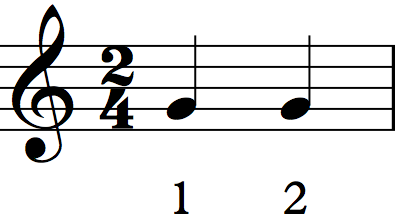
<div class="chapter standard" id="chapter-more-notes-on-the-fifth-string-expression" title="More Notes, Expression &#038; Tuplets"><div class="chapter-title-wrap"><h3 class="chapter-number">14</h3><h2 class="chapter-title">More Notes, Expression &#038; Tuplets</h2></div><div class="ugc chapter-ugc"> <p style="text-align: center"></p> <div class="textbox interactive-content interactive-content--oembed"><img src="https://i.ytimg.com/vi/HNth-30phQU/hqdefault.jpg" alt="Thumbnail for the embedded element &quot;Sight-Reading for Guitar: Unit 14&quot;" title="Sight-Reading for Guitar: Unit 14" /> <p>A YouTube element has been excluded from this version of the text. You can view it online here: <a href="https://press.rebus.community/sightreadingforguitar/?p=1170#pb-interactive-content" title="Sight-Reading for Guitar: Unit 14">https://press.rebus.community/sightreadingforguitar/?p=1170</a> </p> </div> <h2>INTRODUCTION</h2> <p>In this unit you will learn more fretted notes on the fifth string, expression indicators and tuplets.</p> <h2>NOTATIONS</h2> <h3 class="red" style="text-align: left"><span style="color: #a60c0c">Notes</span></h3> <h4>The Notes ‘A♯’ and ‘B♭’</h4> <h4><img class="wp-image-2067 alignnone" src="https://press.rebus.community/app/uploads/sites/81/2018/06/a-sharp-and-b-flat.png" alt="" width="167" height="105" srcset="https://press.rebus.community/app/uploads/sites/81/2018/06/a-sharp-and-b-flat.png 340w, https://press.rebus.community/app/uploads/sites/81/2018/06/a-sharp-and-b-flat-300x190.png 300w, https://press.rebus.community/app/uploads/sites/81/2018/06/a-sharp-and-b-flat-65x41.png 65w, https://press.rebus.community/app/uploads/sites/81/2018/06/a-sharp-and-b-flat-225x142.png 225w" /></h4> <p style="text-align: left">‘A♯’ and ‘B♭’ are enharmonics. To play ‘A♯’ or ‘B♭’, fret the first fret on the fifth string.</p> <h4>The Notes ‘C♯’ and ‘D♭’</h4> <h4><img class="wp-image-2068 alignnone" src="https://press.rebus.community/app/uploads/sites/81/2018/06/c-sharp-and-d-flat.png" alt="" width="172" height="97" srcset="https://press.rebus.community/app/uploads/sites/81/2018/06/c-sharp-and-d-flat.png 340w, https://press.rebus.community/app/uploads/sites/81/2018/06/c-sharp-and-d-flat-300x169.png 300w, https://press.rebus.community/app/uploads/sites/81/2018/06/c-sharp-and-d-flat-65x37.png 65w, https://press.rebus.community/app/uploads/sites/81/2018/06/c-sharp-and-d-flat-225x127.png 225w" /></h4> <p style="text-align: left">‘C♯’ and ‘D♭’ are enharmonics. To play ‘C♯’ or ‘D♭’, fret the fourth fret on the fifth string.</p> <h4>The Note ‘D’</h4> <h4><img class="wp-image-2069 alignnone" src="https://press.rebus.community/app/uploads/sites/81/2018/06/d.png" alt="" width="127" height="98" srcset="https://press.rebus.community/app/uploads/sites/81/2018/06/d.png 244w, https://press.rebus.community/app/uploads/sites/81/2018/06/d-65x50.png 65w, https://press.rebus.community/app/uploads/sites/81/2018/06/d-225x173.png 225w" /></h4> <p style="text-align: left">You already learned to read this note as the open fourth string. However, this same pitch can be played as the fifth fret of the fifth string as well.</p> <h3><span style="color: #a60c0c">Expression Indicators</span></h3> <p>The following five words, or abbreviations, frequently appear in scores to make music more expressive. View the video for examples of the concepts presented in this unit.</p> <h4>Accelerando</h4> <h4><a href="https://press.rebus.community/app/uploads/sites/81/2018/06/accel-II.png"><img class="wp-image-2889 alignnone" src="https://press.rebus.community/app/uploads/sites/81/2018/06/accel-II.png" alt="style=" width="278" height="104" srcset="https://press.rebus.community/app/uploads/sites/81/2018/06/accel-II.png 553w, https://press.rebus.community/app/uploads/sites/81/2018/06/accel-II-300x112.png 300w, https://press.rebus.community/app/uploads/sites/81/2018/06/accel-II-65x24.png 65w, https://press.rebus.community/app/uploads/sites/81/2018/06/accel-II-225x84.png 225w, https://press.rebus.community/app/uploads/sites/81/2018/06/accel-II-350x131.png 350w" /></a></h4> <p style="text-align: left">The accelerando<strong>, </strong>or&nbsp;<em>accel</em>. for short, directs you to gradually increase tempo. If a line of dashes accompanies the command, increase tempo until you reach the end of the dashes. If the <em>accel.</em> appears alone, continue increasing tempo until you hit another indicator (usually <em>a tempo</em>).</p> <h4>Rallentando</h4> <h4><a href="https://press.rebus.community/app/uploads/sites/81/2018/06/rall-II.png"><img class="wp-image-2888 alignnone" src="https://press.rebus.community/app/uploads/sites/81/2018/06/rall-II.png" alt="" width="281" height="108" srcset="https://press.rebus.community/app/uploads/sites/81/2018/06/rall-II.png 553w, https://press.rebus.community/app/uploads/sites/81/2018/06/rall-II-300x116.png 300w, https://press.rebus.community/app/uploads/sites/81/2018/06/rall-II-65x25.png 65w, https://press.rebus.community/app/uploads/sites/81/2018/06/rall-II-225x87.png 225w, https://press.rebus.community/app/uploads/sites/81/2018/06/rall-II-350x135.png 350w" /></a></h4> <p>The rallentando<strong>, </strong>or&nbsp;<em>rall</em>. for short, directs you to gradually decrease tempo.</p> <h4>Ritardando</h4> <h4><a href="https://press.rebus.community/app/uploads/sites/81/2018/06/rit-II.png"><img class="alignnone wp-image-2890" src="https://press.rebus.community/app/uploads/sites/81/2018/06/rit-II.png" alt="" width="282" height="107" srcset="https://press.rebus.community/app/uploads/sites/81/2018/06/rit-II.png 553w, https://press.rebus.community/app/uploads/sites/81/2018/06/rit-II-300x114.png 300w, https://press.rebus.community/app/uploads/sites/81/2018/06/rit-II-65x25.png 65w, https://press.rebus.community/app/uploads/sites/81/2018/06/rit-II-225x85.png 225w, https://press.rebus.community/app/uploads/sites/81/2018/06/rit-II-350x133.png 350w" /></a></h4> <p style="text-align: left">The ritardando<strong>, </strong>or&nbsp;<em>rit</em>. for short, directs you to gradually decrease tempo. Debates abound regarding the subtle differences between <em>rit.</em> and <em>rall</em>.</p> <h4>A Tempo</h4> <h4><a href="https://press.rebus.community/app/uploads/sites/81/2018/06/a-tempo-II.png"><img class="alignnone wp-image-2891" src="https://press.rebus.community/app/uploads/sites/81/2018/06/a-tempo-II.png" alt="" width="286" height="100" srcset="https://press.rebus.community/app/uploads/sites/81/2018/06/a-tempo-II.png 553w, https://press.rebus.community/app/uploads/sites/81/2018/06/a-tempo-II-300x105.png 300w, https://press.rebus.community/app/uploads/sites/81/2018/06/a-tempo-II-65x23.png 65w, https://press.rebus.community/app/uploads/sites/81/2018/06/a-tempo-II-225x79.png 225w, https://press.rebus.community/app/uploads/sites/81/2018/06/a-tempo-II-350x123.png 350w" /></a></h4> <p>The marking, <em>a tempo,</em> directs you to resume the original tempo or the tempo maintained prior to an <em>accel., rall. </em>or <em>rit.</em></p> <h4>Rubato</h4> <h4><a href="https://press.rebus.community/app/uploads/sites/81/2018/06/rubato-II.png"><img class="wp-image-2892 alignnone" src="https://press.rebus.community/app/uploads/sites/81/2018/06/rubato-II.png" alt="" width="288" height="100" srcset="https://press.rebus.community/app/uploads/sites/81/2018/06/rubato-II.png 553w, https://press.rebus.community/app/uploads/sites/81/2018/06/rubato-II-300x104.png 300w, https://press.rebus.community/app/uploads/sites/81/2018/06/rubato-II-65x23.png 65w, https://press.rebus.community/app/uploads/sites/81/2018/06/rubato-II-225x78.png 225w, https://press.rebus.community/app/uploads/sites/81/2018/06/rubato-II-350x122.png 350w" /></a></h4> <p>The rubato directs you to lengthen and shorten the duration of beats at your discretion. This indication affords ample space for personal expression. Rubato can be applied in various ways, which is why you may want to explore the topic further.</p> <h3><span style="color: #a60c0c">Degrees of Expression</span></h3> <p>The following adjectives modify other musical commands.</p> <h4>Poco</h4> <h4><img class="wp-image-2075 alignnone" src="https://press.rebus.community/app/uploads/sites/81/2018/06/poco-accel.png" alt="" width="345" height="110" srcset="https://press.rebus.community/app/uploads/sites/81/2018/06/poco-accel.png 672w, https://press.rebus.community/app/uploads/sites/81/2018/06/poco-accel-300x96.png 300w, https://press.rebus.community/app/uploads/sites/81/2018/06/poco-accel-65x21.png 65w, https://press.rebus.community/app/uploads/sites/81/2018/06/poco-accel-225x72.png 225w, https://press.rebus.community/app/uploads/sites/81/2018/06/poco-accel-350x112.png 350w" /></h4> <p style="text-align: left">Poco means ‘a little’ in Italian. For example, <em>poco accel. </em>means to accelerate a little.</p> <h4>Molto</h4> <h4><img class="wp-image-2076 alignnone" src="https://press.rebus.community/app/uploads/sites/81/2018/06/molto-accel.png" alt="" width="350" height="112" srcset="https://press.rebus.community/app/uploads/sites/81/2018/06/molto-accel.png 672w, https://press.rebus.community/app/uploads/sites/81/2018/06/molto-accel-300x96.png 300w, https://press.rebus.community/app/uploads/sites/81/2018/06/molto-accel-65x21.png 65w, https://press.rebus.community/app/uploads/sites/81/2018/06/molto-accel-225x72.png 225w, https://press.rebus.community/app/uploads/sites/81/2018/06/molto-accel-350x113.png 350w" /></h4> <p style="text-align: left">Molto means ‘very’ in Italian. For example,&nbsp;molto accel. means to accelerate a lot.</p> <h3 class="red" style="text-align: left"><span style="color: #a60c0c">Tuplets</span></h3> <p style="text-align: left">Tuplets are groups of rhythms equally subdivided across a specific duration in a way that is <em>irregular&nbsp;</em>&nbsp;in the context of the time signature. You already learned a tuplet. Remember the eighth-note triplet discussed in <a href="#chapter-1023">Unit 10?</a></p> <h4 style="text-align: left">Eighth-Note Triplet<br /> <a href="https://press.rebus.community/app/uploads/sites/81/2018/03/Triplet.png"><img class="wp-image-1126 alignnone" src="https://press.rebus.community/app/uploads/sites/81/2018/03/Triplet.png" alt="" width="189" height="107" /></a></h4> <p style="text-align: left">The triplet is considered <em>irregular</em>&nbsp;because the three eighth notes of a triplet add up to one quarter note. Bear in mind that the&nbsp;<em>regular&nbsp;&nbsp;</em>rules of rhythm dictate that three eighth notes should equal a dotted half note. The number ‘3’ (placed either above or below the triplet) temporarily alters the rules from <em>regular&nbsp;</em>&nbsp;to&nbsp;<em>irregular.&nbsp; </em>According to&nbsp;<em>irregular</em> rules, each eighth note in the triplet equals one-third of a beat. All tuplets, like the triplet, have a number placed either above or below them to signal the shift from <em>regular</em>&nbsp;to <em>irregular</em> rules. Here are two more common tuplets.</p> <h4 style="text-align: left">Sixteenth-Note Quintuplet</h4> <div class="wp-nocaption wp-image-1670 alignnone"><a href="https://press.rebus.community/app/uploads/sites/81/2018/06/Quintuplet.png"><img class="wp-image-1670 alignnone" src="https://press.rebus.community/app/uploads/sites/81/2018/06/Quintuplet-300x117.png" alt="" width="237" height="92" srcset="https://press.rebus.community/app/uploads/sites/81/2018/06/Quintuplet-300x117.png 300w, https://press.rebus.community/app/uploads/sites/81/2018/06/Quintuplet-65x25.png 65w, https://press.rebus.community/app/uploads/sites/81/2018/06/Quintuplet-225x88.png 225w, https://press.rebus.community/app/uploads/sites/81/2018/06/Quintuplet-350x137.png 350w, https://press.rebus.community/app/uploads/sites/81/2018/06/Quintuplet.png 471w" /></a></div> <p style="text-align: left">The example above is in simple duple meter. In this meter, the quarter note gets the pulse. The second beat is a sixteenth note quintuplet, which indicates five equally spaced rhythms across the duration of a quarter note.</p> <h4 style="text-align: left">Eighth-Note Duplet</h4> <div class="wp-nocaption wp-image-1671 alignnone"><a href="https://press.rebus.community/app/uploads/sites/81/2018/06/Duplet.png"><img class="wp-image-1671 alignnone" src="https://press.rebus.community/app/uploads/sites/81/2018/06/Duplet-300x111.png" alt="" width="262" height="97" srcset="https://press.rebus.community/app/uploads/sites/81/2018/06/Duplet-300x111.png 300w, https://press.rebus.community/app/uploads/sites/81/2018/06/Duplet-65x24.png 65w, https://press.rebus.community/app/uploads/sites/81/2018/06/Duplet-225x83.png 225w, https://press.rebus.community/app/uploads/sites/81/2018/06/Duplet-350x129.png 350w, https://press.rebus.community/app/uploads/sites/81/2018/06/Duplet.png 520w" /></a></div> <p style="text-align: left">The example above is in compound duple meter. In this meter the dotted-quarter note gets the pulse. The second beat is an eighth note duplet, which indicates two equally spaced rhythms across the duration of a dotted-quarter note.</p> <div class="textbox standard"><table><tbody><tr><td class="icon" style="width: 101.25px"><img class="alignnone wp-image-111" src="https://press.rebus.community/app/uploads/sites/81/2017/07/black-guitar-icon.png" alt="" width="50" height="50" srcset="https://press.rebus.community/app/uploads/sites/81/2017/07/black-guitar-icon.png 1024w, https://press.rebus.community/app/uploads/sites/81/2017/07/black-guitar-icon-150x150.png 150w, https://press.rebus.community/app/uploads/sites/81/2017/07/black-guitar-icon-300x300.png 300w, https://press.rebus.community/app/uploads/sites/81/2017/07/black-guitar-icon-768x768.png 768w, https://press.rebus.community/app/uploads/sites/81/2017/07/black-guitar-icon-65x65.png 65w, https://press.rebus.community/app/uploads/sites/81/2017/07/black-guitar-icon-225x225.png 225w, https://press.rebus.community/app/uploads/sites/81/2017/07/black-guitar-icon-350x350.png 350w" /></td> <td class="heading" style="width: 1211.25px"><h2 class="nomargin">Let’s Play</h2> </td> </tr> </tbody> </table> </div> <h2>Sight-Reading Tip</h2> <p>Expressive sight-reading is fun! Use your intuition to play with feeling and musicality, even if you are playing a piece for the first time.</p> <p>A fluid pulse can enhance expressive playing. Indulge in the human tendency to create a pulse that waxes and wanes. It is tempting to think that excellent musicianship is achieved by playing with a metronome. However, in my experience, the most exhilarating (and excellent) musical experiences happen while playing with other musicians, not a metronome or a click.</p> <p>The expression indicators introduced in this unit are often impossible to implement while playing with a click. If possible, I recommend that you sight-read this unit’s exercises with another musician. If it is not possible, then play with the pre-recorded tracks below but be aware that, in some cases, you will not be able to follow the expression markings.</p> <h3 class="red"><span style="color: #a60c0c">Checklist for Sight-Reading</span></h3> <ul><li>Count the beats out loud (including the&nbsp;<em>&amp;</em>).</li> <li>Keep going (even if you make a mistake).</li> <li>Maintain your best playing posture.</li> <li>Look at the score, not your hands.</li> <li>Play with the<em>&nbsp;feel</em>&nbsp;of the meter.</li> <li>Play patterns instead of individual notes (AKA chunk).</li> <li>Cultivate a calm demeanor.</li> <li>Have fun!</li> </ul> <table><tbody><tr><td class="icon"><img class="alignnone wp-image-111" src="https://press.rebus.community/app/uploads/sites/81/2017/07/black-guitar-icon.png" alt="" width="50" height="50" srcset="https://press.rebus.community/app/uploads/sites/81/2017/07/black-guitar-icon.png 1024w, https://press.rebus.community/app/uploads/sites/81/2017/07/black-guitar-icon-150x150.png 150w, https://press.rebus.community/app/uploads/sites/81/2017/07/black-guitar-icon-300x300.png 300w, https://press.rebus.community/app/uploads/sites/81/2017/07/black-guitar-icon-768x768.png 768w, https://press.rebus.community/app/uploads/sites/81/2017/07/black-guitar-icon-65x65.png 65w, https://press.rebus.community/app/uploads/sites/81/2017/07/black-guitar-icon-225x225.png 225w, https://press.rebus.community/app/uploads/sites/81/2017/07/black-guitar-icon-350x350.png 350w" /></td> <td class="heading"><h2 class="nomargin">Let’s Play Rhythms</h2> </td> </tr> </tbody> </table> <h3 style="text-align: left"><span style="color: #a60c0c">Attitude Tip</span></h3> <h3><span style="text-indent: 0em">A sponge to wipe away the past; a rose to sweeten the&nbsp;present; a kiss to greet the future. —Arabian Proverb</span></h3> <h3><a href="https://press.rebus.community/app/uploads/sites/81/2018/06/Exercise-14.1-Full-Score.pdf" target="_blank" rel="noopener noreferrer">Exercise 14.1: Score</a></h3> <h3>Exercise 14.1: Audio</h3> <p></p> <div class="textbox interactive-content interactive-content--audio"><span class="interactive-content__icon"></span> <p>An audio element has been excluded from this version of the text. You can listen to it online here: <a href="https://press.rebus.community/sightreadingforguitar/?p=1170#pb-interactive-content" title="More Notes, Expression &amp; Tuplets">https://press.rebus.community/sightreadingforguitar/?p=1170</a> </p> </div> <h3><a href="https://press.rebus.community/app/uploads/sites/81/2018/06/Exercise-14.2-Full-Score.pdf" target="_blank" rel="noopener noreferrer">Exercise 14.2: Score</a></h3> <h3>Exercise 14.2: Audio</h3> <p></p> <div class="textbox interactive-content interactive-content--audio"><span class="interactive-content__icon"></span> <p>An audio element has been excluded from this version of the text. You can listen to it online here: <a href="https://press.rebus.community/sightreadingforguitar/?p=1170#pb-interactive-content" title="More Notes, Expression &amp; Tuplets">https://press.rebus.community/sightreadingforguitar/?p=1170</a> </p> </div> <h3><a href="https://press.rebus.community/app/uploads/sites/81/2018/06/Exercise-14.3-Full-Score.pdf" target="_blank" rel="noopener noreferrer">Exercise 14.3: Score</a></h3> <h3>Exercise 14.3: Audio</h3> <p></p> <div class="textbox interactive-content interactive-content--audio"><span class="interactive-content__icon"></span> <p>An audio element has been excluded from this version of the text. You can listen to it online here: <a href="https://press.rebus.community/sightreadingforguitar/?p=1170#pb-interactive-content" title="More Notes, Expression &amp; Tuplets">https://press.rebus.community/sightreadingforguitar/?p=1170</a> </p> </div> <h3><a href="https://press.rebus.community/app/uploads/sites/81/2018/06/Exercise-14.4-Full-Score.pdf" target="_blank" rel="noopener noreferrer">Exercise 14.4: Score</a></h3> <h3>Exercise 14.4: Audio</h3> <p></p> <div class="textbox interactive-content interactive-content--audio"><span class="interactive-content__icon"></span> <p>An audio element has been excluded from this version of the text. You can listen to it online here: <a href="https://press.rebus.community/sightreadingforguitar/?p=1170#pb-interactive-content" title="More Notes, Expression &amp; Tuplets">https://press.rebus.community/sightreadingforguitar/?p=1170</a> </p> </div> <table><tbody><tr><td class="icon"><img class="alignnone wp-image-111" src="https://press.rebus.community/app/uploads/sites/81/2017/07/black-guitar-icon.png" alt="" width="50" height="50" srcset="https://press.rebus.community/app/uploads/sites/81/2017/07/black-guitar-icon.png 1024w, https://press.rebus.community/app/uploads/sites/81/2017/07/black-guitar-icon-150x150.png 150w, https://press.rebus.community/app/uploads/sites/81/2017/07/black-guitar-icon-300x300.png 300w, https://press.rebus.community/app/uploads/sites/81/2017/07/black-guitar-icon-768x768.png 768w, https://press.rebus.community/app/uploads/sites/81/2017/07/black-guitar-icon-65x65.png 65w, https://press.rebus.community/app/uploads/sites/81/2017/07/black-guitar-icon-225x225.png 225w, https://press.rebus.community/app/uploads/sites/81/2017/07/black-guitar-icon-350x350.png 350w" /></td> <td class="heading"><h2 class="nomargin">Let’s Play Patterns</h2> </td> </tr> </tbody> </table> <h3 style="text-align: left"><span style="color: #a60c0c">Attitude Tip</span></h3> <h3>Mastery – the sense of purpose and expressive intent – does not improve, and may be invoked at the outset, and at every succeeding moment. In the meantime, the resources available to communicate it broaden and deepen. –Peter Yates</h3> <h3><a href="https://press.rebus.community/app/uploads/sites/81/2018/06/Exercise-14.5-Full-Score.pdf" target="_blank" rel="noopener noreferrer">Exercise 14.5: Score</a></h3> <h3>Exercise 14.5: Audio</h3> <p></p> <div class="textbox interactive-content interactive-content--audio"><span class="interactive-content__icon"></span> <p>An audio element has been excluded from this version of the text. You can listen to it online here: <a href="https://press.rebus.community/sightreadingforguitar/?p=1170#pb-interactive-content" title="More Notes, Expression &amp; Tuplets">https://press.rebus.community/sightreadingforguitar/?p=1170</a> </p> </div> <h3><a href="https://press.rebus.community/app/uploads/sites/81/2018/06/Exercise-14.6-Full-Score.pdf" target="_blank" rel="noopener noreferrer">Exercise 14.6: Score</a></h3> <h3>Exercise 14.6: Audio</h3> <p></p> <div class="textbox interactive-content interactive-content--audio"><span class="interactive-content__icon"></span> <p>An audio element has been excluded from this version of the text. You can listen to it online here: <a href="https://press.rebus.community/sightreadingforguitar/?p=1170#pb-interactive-content" title="More Notes, Expression &amp; Tuplets">https://press.rebus.community/sightreadingforguitar/?p=1170</a> </p> </div> <table><tbody><tr><td class="icon"><img class="alignnone wp-image-111" src="https://press.rebus.community/app/uploads/sites/81/2017/07/black-guitar-icon.png" alt="" width="50" height="50" srcset="https://press.rebus.community/app/uploads/sites/81/2017/07/black-guitar-icon.png 1024w, https://press.rebus.community/app/uploads/sites/81/2017/07/black-guitar-icon-150x150.png 150w, https://press.rebus.community/app/uploads/sites/81/2017/07/black-guitar-icon-300x300.png 300w, https://press.rebus.community/app/uploads/sites/81/2017/07/black-guitar-icon-768x768.png 768w, https://press.rebus.community/app/uploads/sites/81/2017/07/black-guitar-icon-65x65.png 65w, https://press.rebus.community/app/uploads/sites/81/2017/07/black-guitar-icon-225x225.png 225w, https://press.rebus.community/app/uploads/sites/81/2017/07/black-guitar-icon-350x350.png 350w" /></td> <td class="heading"><h2 class="nomargin">Let’s Play Duets</h2> </td> </tr> </tbody> </table> <h3><span style="color: #a60c0c">Attitude Tip</span></h3> <h3>The path from pretty to beautiful passes through strange. —Peter Yates</h3> <h3><a href="https://press.rebus.community/app/uploads/sites/81/2018/06/Exercise-14.7-Allegretto-Full-Score.pdf" target="_blank" rel="noopener noreferrer"><em>Allegretto</em> by C.P.E. Bach: Score</a></h3> <h3><em>Allegretto</em>: Audio</h3> <p></p> <div class="textbox interactive-content interactive-content--audio"><span class="interactive-content__icon"></span> <p>An audio element has been excluded from this version of the text. You can listen to it online here: <a href="https://press.rebus.community/sightreadingforguitar/?p=1170#pb-interactive-content" title="More Notes, Expression &amp; Tuplets">https://press.rebus.community/sightreadingforguitar/?p=1170</a> </p> </div> <h3><a href="https://press.rebus.community/app/uploads/sites/81/2018/06/Exercise-14.8-Allegro-Full-Score-1.pdf" target="_blank" rel="noopener noreferrer"><em>Allegro</em> by C.P.E. Bach: Score</a></h3> <h3><em>Allegro</em>: Audio</h3> <p></p> <div class="textbox interactive-content interactive-content--audio"><span class="interactive-content__icon"></span> <p>An audio element has been excluded from this version of the text. You can listen to it online here: <a href="https://press.rebus.community/sightreadingforguitar/?p=1170#pb-interactive-content" title="More Notes, Expression &amp; Tuplets">https://press.rebus.community/sightreadingforguitar/?p=1170</a> </p> </div> <h3><a href="https://press.rebus.community/app/uploads/sites/81/2018/06/Exercise-14.9-Full-Score-1.pdf" target="_blank" rel="noopener noreferrer">from <em>Chaconne Légère</em> by François Couperin: Score</a></h3> <h3>from <em>Chaconne Légère</em>: Audio</h3> <p></p> <div class="textbox interactive-content interactive-content--audio"><span class="interactive-content__icon"></span> <p>An audio element has been excluded from this version of the text. You can listen to it online here: <a href="https://press.rebus.community/sightreadingforguitar/?p=1170#pb-interactive-content" title="More Notes, Expression &amp; Tuplets">https://press.rebus.community/sightreadingforguitar/?p=1170</a> </p> </div> <table><tbody><tr><td class="icon"><img class="alignnone wp-image-111" src="https://press.rebus.community/app/uploads/sites/81/2017/07/black-guitar-icon.png" alt="" width="50" height="50" srcset="https://press.rebus.community/app/uploads/sites/81/2017/07/black-guitar-icon.png 1024w, https://press.rebus.community/app/uploads/sites/81/2017/07/black-guitar-icon-150x150.png 150w, https://press.rebus.community/app/uploads/sites/81/2017/07/black-guitar-icon-300x300.png 300w, https://press.rebus.community/app/uploads/sites/81/2017/07/black-guitar-icon-768x768.png 768w, https://press.rebus.community/app/uploads/sites/81/2017/07/black-guitar-icon-65x65.png 65w, https://press.rebus.community/app/uploads/sites/81/2017/07/black-guitar-icon-225x225.png 225w, https://press.rebus.community/app/uploads/sites/81/2017/07/black-guitar-icon-350x350.png 350w" /></td> <td class="heading"><h2 class="nomargin">Let’s Play Compositions</h2> </td> </tr> </tbody> </table> <p><em>These compositions are under the <a href="https://creativecommons.org/licenses/by-nc/4.0/" target="_blank" rel="noopener noreferrer">Creative Commons&nbsp;<span class="cc-license-title">Attribution-NonCommercial 4.0 International</span> License&nbsp;</a>&nbsp;<span class="cc-license-identifier">(CC BY-NC 4.0).</span></em></p> <h3><span style="color: #a60c0c">Attitude Tip</span></h3> <h3>All performances combine the familiar and the strange, only in different orders and proportions.&nbsp;—Peter Yates</h3> <h3><em><a href="https://press.rebus.community/app/uploads/sites/81/2018/06/Obelisk-No.-3-Full-Score.pdf" target="_blank" rel="noopener noreferrer">Obelisk No. 3 </a></em><a href="https://press.rebus.community/app/uploads/sites/81/2018/06/Obelisk-No.-3-Full-Score.pdf" target="_blank" rel="noopener noreferrer">by Ashraf Fouad: Score</a></h3> <h3><em>Obelisk No. 3</em>: Audio</h3> <p></p> <div class="textbox interactive-content interactive-content--audio"><span class="interactive-content__icon"></span> <p>An audio element has been excluded from this version of the text. You can listen to it online here: <a href="https://press.rebus.community/sightreadingforguitar/?p=1170#pb-interactive-content" title="More Notes, Expression &amp; Tuplets">https://press.rebus.community/sightreadingforguitar/?p=1170</a> </p> </div> <h3><em><a href="https://press.rebus.community/app/uploads/sites/81/2018/06/Waves-Full-Score.pdf" target="_blank" rel="noopener noreferrer">Waves </a></em><a href="https://press.rebus.community/app/uploads/sites/81/2018/06/Waves-Full-Score.pdf" target="_blank" rel="noopener noreferrer">by Joan Greenwald: Score</a></h3> <h3><em>Waves:</em> Audio</h3> <p></p> <div class="textbox interactive-content interactive-content--audio"><span class="interactive-content__icon"></span> <p>An audio element has been excluded from this version of the text. You can listen to it online here: <a href="https://press.rebus.community/sightreadingforguitar/?p=1170#pb-interactive-content" title="More Notes, Expression &amp; Tuplets">https://press.rebus.community/sightreadingforguitar/?p=1170</a> </p> </div> <h3><em><a href="https://press.rebus.community/app/uploads/sites/81/2018/04/Keep-Moving-Full-Score.pdf" target="_blank" rel="noopener noreferrer">Keep Moving </a></em><a href="https://press.rebus.community/app/uploads/sites/81/2018/04/Keep-Moving-Full-Score.pdf" target="_blank" rel="noopener noreferrer">by John Baboukis: Score</a></h3> <h3><em>Keep Moving: </em>Audio</h3> <p></p> <div class="textbox interactive-content interactive-content--audio"><span class="interactive-content__icon"></span> <p>An audio element has been excluded from this version of the text. You can listen to it online here: <a href="https://press.rebus.community/sightreadingforguitar/?p=1170#pb-interactive-content" title="More Notes, Expression &amp; Tuplets">https://press.rebus.community/sightreadingforguitar/?p=1170</a> </p> </div> <p>The standard method of fingering applies to the next composition. The composer, Bahaa El Ansary, chose to represent string numbers with circled Arabic numerals.</p> <h3><a href="https://press.rebus.community/app/uploads/sites/81/2018/06/Process-II-Full-Score.pdf" target="_blank" rel="noopener noreferrer">Process II from&nbsp;<em>The Art of Process</em> by Bahaa El Ansary: Score</a></h3> <h3>Process II from<em>&nbsp;The Art of Process: </em>Audio</h3> <p></p> <div class="textbox interactive-content interactive-content--audio"><span class="interactive-content__icon"></span> <p>An audio element has been excluded from this version of the text. You can listen to it online here: <a href="https://press.rebus.community/sightreadingforguitar/?p=1170#pb-interactive-content" title="More Notes, Expression &amp; Tuplets">https://press.rebus.community/sightreadingforguitar/?p=1170</a> </p> </div> <div class="textbox shaded congrats"><h3 class="red">Congratulations!</h3> <p>You have completed this unit! If you kept up with the beat and accurately played approximately 70% of the pitches and rhythms, you are ready for the next unit. Feel free to repeat the exercises. However, do not play them so often that you memorize them. Once you memorize the notation, you are no longer developing the skill of sight-reading.</p> </div> </div></div>
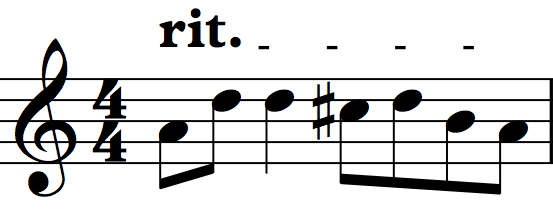
<div class="chapter standard" id="chapter-more-notes-on-the-sixth-string-more-meter" title="More Notes &#038; Meter"><div class="chapter-title-wrap"><h3 class="chapter-number">15</h3><h2 class="chapter-title">More Notes &#038; Meter</h2></div><div class="ugc chapter-ugc"> <p style="text-align: center"></p> <div class="textbox interactive-content interactive-content--oembed"><img src="https://i.ytimg.com/vi/ERpZCwvxaBw/hqdefault.jpg" alt="Thumbnail for the embedded element &quot;Sight-Reading for Guitar: Unit 15&quot;" title="Sight-Reading for Guitar: Unit 15" /> <p>A YouTube element has been excluded from this version of the text. You can view it online here: <a href="https://press.rebus.community/sightreadingforguitar/?p=1186#pb-interactive-content" title="Sight-Reading for Guitar: Unit 15">https://press.rebus.community/sightreadingforguitar/?p=1186</a> </p> </div> <h2>INTRODUCTION</h2> <p>In this unit you will learn more fretted notes on the sixth string and a few unique meters.</p> <h2>NOTATIONS</h2> <h3 class="red" style="text-align: left"><span style="color: #a60c0c">Notes</span></h3> <h4>The Notes ‘F♯’ and ‘G♭’</h4> <h4><img class="wp-image-2079 alignnone" src="https://press.rebus.community/app/uploads/sites/81/2018/06/f-sharp-and-g-flat.png" alt="" width="189" height="116" srcset="https://press.rebus.community/app/uploads/sites/81/2018/06/f-sharp-and-g-flat.png 385w, https://press.rebus.community/app/uploads/sites/81/2018/06/f-sharp-and-g-flat-300x184.png 300w, https://press.rebus.community/app/uploads/sites/81/2018/06/f-sharp-and-g-flat-65x40.png 65w, https://press.rebus.community/app/uploads/sites/81/2018/06/f-sharp-and-g-flat-225x138.png 225w, https://press.rebus.community/app/uploads/sites/81/2018/06/f-sharp-and-g-flat-350x215.png 350w" /></h4> <p style="text-align: left">‘F♯’ and ‘G♭’ are enharmonics. To play ‘F♯’ or ‘G♭’, fret the second fret on the sixth string.</p> <h4>The Notes ‘G♯’ and ‘A♭’</h4> <h4><img class="alignnone wp-image-2081" src="https://press.rebus.community/app/uploads/sites/81/2018/06/g-sharp-and-a-flat.png" alt="" width="186" height="107" srcset="https://press.rebus.community/app/uploads/sites/81/2018/06/g-sharp-and-a-flat.png 385w, https://press.rebus.community/app/uploads/sites/81/2018/06/g-sharp-and-a-flat-300x173.png 300w, https://press.rebus.community/app/uploads/sites/81/2018/06/g-sharp-and-a-flat-65x37.png 65w, https://press.rebus.community/app/uploads/sites/81/2018/06/g-sharp-and-a-flat-225x130.png 225w, https://press.rebus.community/app/uploads/sites/81/2018/06/g-sharp-and-a-flat-350x202.png 350w" /></h4> <p style="text-align: left">‘G♯’ and ‘A♭’ are enharmonics. To play ‘G♯’ or ‘A♭’, fret the fourth fret on the sixth string.</p> <h4>The Note ‘A’</h4> <h4><img class="wp-image-2082 alignnone" src="https://press.rebus.community/app/uploads/sites/81/2018/06/a.png" alt="" width="129" height="107" srcset="https://press.rebus.community/app/uploads/sites/81/2018/06/a.png 253w, https://press.rebus.community/app/uploads/sites/81/2018/06/a-65x54.png 65w, https://press.rebus.community/app/uploads/sites/81/2018/06/a-225x187.png 225w" /></h4> <p>You already learned to read this note as the open fifth string. However, this same pitch can be played as the fifth fret of the sixth string as well.</p> <h3 class="red" style="text-align: left"><span style="color: #a60c0c">Meters</span></h3> <h4 style="text-align: left">Meter with a Dotted Half Note Beat</h4> <div class="wp-nocaption wp-image-3139 alignnone"><a href="https://press.rebus.community/app/uploads/sites/81/2018/06/Capriccio.png"><img class="wp-image-3139 alignnone" src="https://press.rebus.community/app/uploads/sites/81/2018/06/Capriccio.png" alt="" width="298" height="100" srcset="https://press.rebus.community/app/uploads/sites/81/2018/06/Capriccio.png 618w, https://press.rebus.community/app/uploads/sites/81/2018/06/Capriccio-300x100.png 300w, https://press.rebus.community/app/uploads/sites/81/2018/06/Capriccio-65x22.png 65w, https://press.rebus.community/app/uploads/sites/81/2018/06/Capriccio-225x75.png 225w, https://press.rebus.community/app/uploads/sites/81/2018/06/Capriccio-350x117.png 350w" /></a></div> <p>The meter above is in compound duple. Each beat is equal to a dotted half note and is&nbsp;subdivided into three equal parts. Each subdivision is represented by a quarter note. It has the same <em>feel</em> as 6/8 meter. You can practice this meter in <em>Capriccio</em>.</p> <h4 style="text-align: left">Meter with a Half Note Beat</h4> <div class="wp-nocaption wp-image-1676 alignnone"><a href="https://press.rebus.community/app/uploads/sites/81/2018/06/3-2-Meter.png"><img class="wp-image-1676 alignnone" src="https://press.rebus.community/app/uploads/sites/81/2018/06/3-2-Meter-300x95.png" alt="" width="354" height="112" srcset="https://press.rebus.community/app/uploads/sites/81/2018/06/3-2-Meter-300x95.png 300w, https://press.rebus.community/app/uploads/sites/81/2018/06/3-2-Meter-65x21.png 65w, https://press.rebus.community/app/uploads/sites/81/2018/06/3-2-Meter-225x71.png 225w, https://press.rebus.community/app/uploads/sites/81/2018/06/3-2-Meter-350x111.png 350w, https://press.rebus.community/app/uploads/sites/81/2018/06/3-2-Meter.png 730w" /></a></div> <p style="text-align: left">The meter above features three beats per measure. Each beat is represented by a half note. The half note beat often corresponds with a slower tempo. Further, half notes have the potential to be subdivided further than quarter notes. As a result, meters with a half note pulse often showcase highly-ornamented melodies, as is the case in European dance music from the Baroque era. You can practice this meter in <em>Courante</em>.</p> <h4 style="text-align: left">Old Meter</h4> <div class="wp-nocaption wp-image-1677 alignnone"><a href="https://press.rebus.community/app/uploads/sites/81/2018/06/1-2-Meter.png"><img class="wp-image-1677 alignnone" src="https://press.rebus.community/app/uploads/sites/81/2018/06/1-2-Meter-300x124.png" alt="" width="278" height="115" srcset="https://press.rebus.community/app/uploads/sites/81/2018/06/1-2-Meter-300x124.png 300w, https://press.rebus.community/app/uploads/sites/81/2018/06/1-2-Meter-65x27.png 65w, https://press.rebus.community/app/uploads/sites/81/2018/06/1-2-Meter-225x93.png 225w, https://press.rebus.community/app/uploads/sites/81/2018/06/1-2-Meter-350x144.png 350w, https://press.rebus.community/app/uploads/sites/81/2018/06/1-2-Meter.png 567w" /></a></div> <p style="text-align: left">The meter above features one beat per measure. Each beat is a half note. This meter can apply to some European music from the Renaissance, but is rarely used today. You can practice this meter in&nbsp;<em>Con qué la lavaré?</em></p> <h4 style="text-align: left">Mixed Meter</h4> <div class="wp-nocaption wp-image-2083 alignnone"><img class="wp-image-2083 alignnone" src="https://press.rebus.community/app/uploads/sites/81/2018/06/mixed-meter.png" alt="" width="434" height="90" srcset="https://press.rebus.community/app/uploads/sites/81/2018/06/mixed-meter.png 889w, https://press.rebus.community/app/uploads/sites/81/2018/06/mixed-meter-300x62.png 300w, https://press.rebus.community/app/uploads/sites/81/2018/06/mixed-meter-768x159.png 768w, https://press.rebus.community/app/uploads/sites/81/2018/06/mixed-meter-65x13.png 65w, https://press.rebus.community/app/uploads/sites/81/2018/06/mixed-meter-225x47.png 225w, https://press.rebus.community/app/uploads/sites/81/2018/06/mixed-meter-350x72.png 350w" /></div> <p>The example above is in mixed meter. A piece in mixed meter will feature two or more different time signatures in the same piece. New time signatures appear at the beginning of a measure. Subsequent measures continue in the previous time signature until a new time signature is introduced. You can practice this meter in Mark Popeney’s <em>Brief Moments, After</em>.</p> <h4 style="text-align: left">Complex Meter</h4> <p>Meters that do not fit into the duple, triple or quadruple metric groupings are referred to as complex. Often, the beats in complex meter are grouped asymmetrically.</p> <p>The s<em>amaie </em>(samai’i), from the Turko-Arab tradition, will serve as an example of complex meter. Its 10/8 time signature indicates ten subdivisions per measure. Notice how the composer breaks the 10 subdivisions into groups of 3+4+3 via dotted bar lines (from Unit 18’s&nbsp;<em>Guitar Samaie)</em>. It is further implied that rhythmic emphasis should be placed on the first eighth note of each group. As a result, you will count either:</p> <p style="text-align: left">ONE, two, three, FOUR, five six, seven, EIGHT, nine, ten</p> <p style="text-align: left">ONE, two, three, ONE, two, three, four, ONE, two, three</p> <div class="wp-nocaption wp-image-3393 alignnone"><img class="wp-image-3393 alignnone" src="https://press.rebus.community/app/uploads/sites/81/2018/06/Guitar-Samaie-e1552560338861-new.jpg" alt="" width="583" height="110" srcset="https://press.rebus.community/app/uploads/sites/81/2018/06/Guitar-Samaie-e1552560338861-new.jpg 1213w, https://press.rebus.community/app/uploads/sites/81/2018/06/Guitar-Samaie-e1552560338861-new-300x57.jpg 300w, https://press.rebus.community/app/uploads/sites/81/2018/06/Guitar-Samaie-e1552560338861-new-768x145.jpg 768w, https://press.rebus.community/app/uploads/sites/81/2018/06/Guitar-Samaie-e1552560338861-new-1024x193.jpg 1024w, https://press.rebus.community/app/uploads/sites/81/2018/06/Guitar-Samaie-e1552560338861-new-65x12.jpg 65w, https://press.rebus.community/app/uploads/sites/81/2018/06/Guitar-Samaie-e1552560338861-new-225x42.jpg 225w, https://press.rebus.community/app/uploads/sites/81/2018/06/Guitar-Samaie-e1552560338861-new-350x66.jpg 350w" /></div> <h3></h3> <p>&nbsp;</p> <h4 style="text-align: left">Meter with Additive Rhythms</h4> <p>Meters with additive rhythms feature a time signature in which the top number can be broken into two or more asymmetrical beat groupings. Sometimes the top number of the time signature is written as an addition equation to reference the exact subdivisions.</p> <p>Many musical traditions feature song forms in additive meter. Much of the world’s music was (and is) orally transmitted. Musicians in these traditions rely on memory and their knowledge of the style, not notation. A few of these traditions have recently adopted music notation. However, music notation often falls short of communicating the stylistic nuances of a tradition. If a piece is inspired by an oral musical tradition, I suggest you research its style, culture and form.</p> <p>The <em>paidushko</em>, from the Balkan tradition will serve as an example of this phenomenon. Its 2+3/8 additive time signature indicates two pulses per measure, shown as sub-groups of 2 eighth notes + 3 eighth notes. You can practice this in <em>Paidushko</em>. Notice how the beaming patterns and placement of ornaments reinforce the 2+3 feel. As a result, you will count either:</p> <p style="text-align: left">ONE, two, THREE, four, five</p> <p style="text-align: left">ONE, two, ONE, two, three</p> <div class="wp-nocaption wp-image-2085 alignnone"><img class="wp-image-2085 alignnone" src="https://press.rebus.community/app/uploads/sites/81/2018/06/paidushko.png" alt="" width="303" height="93" srcset="https://press.rebus.community/app/uploads/sites/81/2018/06/paidushko.png 654w, https://press.rebus.community/app/uploads/sites/81/2018/06/paidushko-300x92.png 300w, https://press.rebus.community/app/uploads/sites/81/2018/06/paidushko-65x20.png 65w, https://press.rebus.community/app/uploads/sites/81/2018/06/paidushko-225x69.png 225w, https://press.rebus.community/app/uploads/sites/81/2018/06/paidushko-350x107.png 350w" /></div> <div class="textbox standard"><table><tbody><tr><td class="icon" style="width: 101.25px"><img class="alignnone wp-image-111" src="https://press.rebus.community/app/uploads/sites/81/2017/07/black-guitar-icon.png" alt="" width="50" height="50" srcset="https://press.rebus.community/app/uploads/sites/81/2017/07/black-guitar-icon.png 1024w, https://press.rebus.community/app/uploads/sites/81/2017/07/black-guitar-icon-150x150.png 150w, https://press.rebus.community/app/uploads/sites/81/2017/07/black-guitar-icon-300x300.png 300w, https://press.rebus.community/app/uploads/sites/81/2017/07/black-guitar-icon-768x768.png 768w, https://press.rebus.community/app/uploads/sites/81/2017/07/black-guitar-icon-65x65.png 65w, https://press.rebus.community/app/uploads/sites/81/2017/07/black-guitar-icon-225x225.png 225w, https://press.rebus.community/app/uploads/sites/81/2017/07/black-guitar-icon-350x350.png 350w" /></td> <td class="heading" style="width: 1211.25px"><h2 class="nomargin">Let’s Play</h2> </td> </tr> </tbody> </table> </div> <h2>Sight-Reading Tip</h2> <p>The meters introduced in this unit are not as complicated or challenging as they may appear at first glance. Many of them are associated with dances. A piece in mixed, additive or unusual meter can seem difficult when looking at its notation but is actually intuitive when you find its groove. Often a piece’s rhythmic logic just needs to get <em>off the page</em> and <em>into the body</em>. Before you start sight-reading a piece, spend time moving and singing with the groove of its meter.</p> <h3 class="red"><span style="color: #a60c0c">Checklist for Sight-Reading</span></h3> <ul><li>Count the beats out loud (including the&nbsp;<em>&amp;</em>).</li> <li>Keep going (even if you make a mistake).</li> <li>Maintain your best playing posture.</li> <li>Look at the score, not your hands.</li> <li>Play with the<em>&nbsp;feel</em>&nbsp;of the meter.</li> <li>Play patterns instead of individual notes (AKA chunk).</li> <li>Cultivate a calm demeanor.</li> <li>Have fun!</li> </ul> <table><tbody><tr><td class="icon"><img class="alignnone wp-image-111" src="https://press.rebus.community/app/uploads/sites/81/2017/07/black-guitar-icon.png" alt="" width="50" height="50" srcset="https://press.rebus.community/app/uploads/sites/81/2017/07/black-guitar-icon.png 1024w, https://press.rebus.community/app/uploads/sites/81/2017/07/black-guitar-icon-150x150.png 150w, https://press.rebus.community/app/uploads/sites/81/2017/07/black-guitar-icon-300x300.png 300w, https://press.rebus.community/app/uploads/sites/81/2017/07/black-guitar-icon-768x768.png 768w, https://press.rebus.community/app/uploads/sites/81/2017/07/black-guitar-icon-65x65.png 65w, https://press.rebus.community/app/uploads/sites/81/2017/07/black-guitar-icon-225x225.png 225w, https://press.rebus.community/app/uploads/sites/81/2017/07/black-guitar-icon-350x350.png 350w" /></td> <td class="heading"><h2 class="nomargin">Let’s Play Rhythms</h2> </td> </tr> </tbody> </table> <h3><span style="color: #a60c0c">Attitude Tip</span></h3> <h3>The goal entices precisely because it eludes. —Peter Yates</h3> <h3><a href="https://press.rebus.community/app/uploads/sites/81/2018/06/Exercise-15.1-Full-Score.pdf" target="_blank" rel="noopener noreferrer">Exercise 15.1: Score</a></h3> <h3>Exercise 15.1: Audio</h3> <p></p> <div class="textbox interactive-content interactive-content--audio"><span class="interactive-content__icon"></span> <p>An audio element has been excluded from this version of the text. You can listen to it online here: <a href="https://press.rebus.community/sightreadingforguitar/?p=1186#pb-interactive-content" title="More Notes &amp; Meter">https://press.rebus.community/sightreadingforguitar/?p=1186</a> </p> </div> <h3><a href="https://press.rebus.community/app/uploads/sites/81/2018/06/Exercise-15.2-Full-Score.pdf" target="_blank" rel="noopener noreferrer">Exercise 15.2: Score</a></h3> <h3>Exercise 15.2: Audio</h3> <p></p> <div class="textbox interactive-content interactive-content--audio"><span class="interactive-content__icon"></span> <p>An audio element has been excluded from this version of the text. You can listen to it online here: <a href="https://press.rebus.community/sightreadingforguitar/?p=1186#pb-interactive-content" title="More Notes &amp; Meter">https://press.rebus.community/sightreadingforguitar/?p=1186</a> </p> </div> <h3><a href="https://press.rebus.community/app/uploads/sites/81/2018/06/Exercise-15.3-Full-Score.pdf" target="_blank" rel="noopener noreferrer">Exercise 15.3: Score</a></h3> <h3>Exercise 15.3: Audio</h3> <p></p> <div class="textbox interactive-content interactive-content--audio"><span class="interactive-content__icon"></span> <p>An audio element has been excluded from this version of the text. You can listen to it online here: <a href="https://press.rebus.community/sightreadingforguitar/?p=1186#pb-interactive-content" title="More Notes &amp; Meter">https://press.rebus.community/sightreadingforguitar/?p=1186</a> </p> </div> <h3><a href="https://press.rebus.community/app/uploads/sites/81/2018/06/Exercise-15.4-Full-Score.pdf" target="_blank" rel="noopener noreferrer">Exercise 15.4: Score</a></h3> <h3>Exercise 15.4: Audio</h3> <p></p> <div class="textbox interactive-content interactive-content--audio"><span class="interactive-content__icon"></span> <p>An audio element has been excluded from this version of the text. You can listen to it online here: <a href="https://press.rebus.community/sightreadingforguitar/?p=1186#pb-interactive-content" title="More Notes &amp; Meter">https://press.rebus.community/sightreadingforguitar/?p=1186</a> </p> </div> <h3><a href="https://press.rebus.community/app/uploads/sites/81/2018/06/Exercise-15.5-Full-Score.pdf" target="_blank" rel="noopener noreferrer">Exercise 15.5: Score</a></h3> <h3>Exercise 15.5: Audio</h3> <p></p> <div class="textbox interactive-content interactive-content--audio"><span class="interactive-content__icon"></span> <p>An audio element has been excluded from this version of the text. You can listen to it online here: <a href="https://press.rebus.community/sightreadingforguitar/?p=1186#pb-interactive-content" title="More Notes &amp; Meter">https://press.rebus.community/sightreadingforguitar/?p=1186</a> </p> </div> <table><tbody><tr><td class="icon"><img class="alignnone wp-image-111" src="https://press.rebus.community/app/uploads/sites/81/2017/07/black-guitar-icon.png" alt="" width="50" height="50" srcset="https://press.rebus.community/app/uploads/sites/81/2017/07/black-guitar-icon.png 1024w, https://press.rebus.community/app/uploads/sites/81/2017/07/black-guitar-icon-150x150.png 150w, https://press.rebus.community/app/uploads/sites/81/2017/07/black-guitar-icon-300x300.png 300w, https://press.rebus.community/app/uploads/sites/81/2017/07/black-guitar-icon-768x768.png 768w, https://press.rebus.community/app/uploads/sites/81/2017/07/black-guitar-icon-65x65.png 65w, https://press.rebus.community/app/uploads/sites/81/2017/07/black-guitar-icon-225x225.png 225w, https://press.rebus.community/app/uploads/sites/81/2017/07/black-guitar-icon-350x350.png 350w" /></td> <td class="heading"><h2 class="nomargin">Let’s Play Patterns</h2> </td> </tr> </tbody> </table> <h3><span style="color: #a60c0c">Attitude Tip</span></h3> <h3>If you can’t fly then run, if you can’t run then walk, if you can’t walk then crawl, but whatever you do you have to keep moving forward. —Martin Luther King Jr.</h3> <h3><a href="https://press.rebus.community/app/uploads/sites/81/2018/06/Exercise-15.6-Full-Score.pdf" target="_blank" rel="noopener noreferrer">Exercise 15.6: Score</a></h3> <h3>Exercise 15.6: Audio</h3> <p></p> <div class="textbox interactive-content interactive-content--audio"><span class="interactive-content__icon"></span> <p>An audio element has been excluded from this version of the text. You can listen to it online here: <a href="https://press.rebus.community/sightreadingforguitar/?p=1186#pb-interactive-content" title="More Notes &amp; Meter">https://press.rebus.community/sightreadingforguitar/?p=1186</a> </p> </div> <h3><a href="https://press.rebus.community/app/uploads/sites/81/2018/06/Exercise-15.7-Full-Score.pdf" target="_blank" rel="noopener noreferrer">Exercise 15.7: Score</a></h3> <h3>Exercise 15.7: Audio</h3> <p></p> <div class="textbox interactive-content interactive-content--audio"><span class="interactive-content__icon"></span> <p>An audio element has been excluded from this version of the text. You can listen to it online here: <a href="https://press.rebus.community/sightreadingforguitar/?p=1186#pb-interactive-content" title="More Notes &amp; Meter">https://press.rebus.community/sightreadingforguitar/?p=1186</a> </p> </div> <h3><a href="https://press.rebus.community/app/uploads/sites/81/2018/06/Exercise-15.8-Full-Score.pdf" target="_blank" rel="noopener noreferrer">Exercise 15.8: Score</a></h3> <h3>Exercise 15.8: Audio</h3> <p></p> <div class="textbox interactive-content interactive-content--audio"><span class="interactive-content__icon"></span> <p>An audio element has been excluded from this version of the text. You can listen to it online here: <a href="https://press.rebus.community/sightreadingforguitar/?p=1186#pb-interactive-content" title="More Notes &amp; Meter">https://press.rebus.community/sightreadingforguitar/?p=1186</a> </p> </div> <table><tbody><tr><td class="icon"><img class="alignnone wp-image-111" src="https://press.rebus.community/app/uploads/sites/81/2017/07/black-guitar-icon.png" alt="" width="50" height="50" srcset="https://press.rebus.community/app/uploads/sites/81/2017/07/black-guitar-icon.png 1024w, https://press.rebus.community/app/uploads/sites/81/2017/07/black-guitar-icon-150x150.png 150w, https://press.rebus.community/app/uploads/sites/81/2017/07/black-guitar-icon-300x300.png 300w, https://press.rebus.community/app/uploads/sites/81/2017/07/black-guitar-icon-768x768.png 768w, https://press.rebus.community/app/uploads/sites/81/2017/07/black-guitar-icon-65x65.png 65w, https://press.rebus.community/app/uploads/sites/81/2017/07/black-guitar-icon-225x225.png 225w, https://press.rebus.community/app/uploads/sites/81/2017/07/black-guitar-icon-350x350.png 350w" /></td> <td class="heading"><h2 class="nomargin">Let’s Play Duets</h2> </td> </tr> </tbody> </table> <h3><span style="color: #a60c0c">Attitude Tip</span></h3> <h3>Identifying the problem is half of the solution.&nbsp;When the goal is at hand, the method will appear.&nbsp;—Peter Yates</h3> <h3><a href="https://press.rebus.community/app/uploads/sites/81/2018/06/Exercise-15.9-Air-Full-Score.pdf" target="_blank" rel="noopener noreferrer"><em>Air</em> by Henry Purcell: Score</a></h3> <h3><em>Air</em>: Audio</h3> <p></p> <div class="textbox interactive-content interactive-content--audio"><span class="interactive-content__icon"></span> <p>An audio element has been excluded from this version of the text. You can listen to it online here: <a href="https://press.rebus.community/sightreadingforguitar/?p=1186#pb-interactive-content" title="More Notes &amp; Meter">https://press.rebus.community/sightreadingforguitar/?p=1186</a> </p> </div> <h3><a href="https://press.rebus.community/app/uploads/sites/81/2018/06/Exercise-15.10-Full-Score-1.pdf" target="_blank" rel="noopener noreferrer">from <em>Invention in C Major</em> by J.S. Bach: Score</a></h3> <h3>from <em>Invention in C Major</em>: Audio</h3> <p></p> <div class="textbox interactive-content interactive-content--audio"><span class="interactive-content__icon"></span> <p>An audio element has been excluded from this version of the text. You can listen to it online here: <a href="https://press.rebus.community/sightreadingforguitar/?p=1186#pb-interactive-content" title="More Notes &amp; Meter">https://press.rebus.community/sightreadingforguitar/?p=1186</a> </p> </div> <h3><a href="https://press.rebus.community/app/uploads/sites/81/2018/06/Exercise-15.11-Capriccio-Full-Score-1.pdf" target="_blank" rel="noopener noreferrer"><em>Capriccio</em> by Johann Anton Logy: Score</a></h3> <h3><em>Capriccio</em>: Audio</h3> <p></p> <div class="textbox interactive-content interactive-content--audio"><span class="interactive-content__icon"></span> <p>An audio element has been excluded from this version of the text. You can listen to it online here: <a href="https://press.rebus.community/sightreadingforguitar/?p=1186#pb-interactive-content" title="More Notes &amp; Meter">https://press.rebus.community/sightreadingforguitar/?p=1186</a> </p> </div> <h3><a href="https://press.rebus.community/app/uploads/sites/81/2018/06/Exercise-15.12-Full-Score-1.pdf" target="_blank" rel="noopener noreferrer"><em>Courante</em> by François Couperin: Score</a></h3> <h3><em>Courante</em>: Audio</h3> <p></p> <div class="textbox interactive-content interactive-content--audio"><span class="interactive-content__icon"></span> <p>An audio element has been excluded from this version of the text. You can listen to it online here: <a href="https://press.rebus.community/sightreadingforguitar/?p=1186#pb-interactive-content" title="More Notes &amp; Meter">https://press.rebus.community/sightreadingforguitar/?p=1186</a> </p> </div> <h3><a href="https://press.rebus.community/app/uploads/sites/81/2018/06/Exercise-15.13-Full-Score-1.pdf" target="_blank" rel="noopener noreferrer"><em>Paidushko</em>: Score</a></h3> <h3><em>Paidushko</em>: Audio</h3> <p></p> <div class="textbox interactive-content interactive-content--audio"><span class="interactive-content__icon"></span> <p>An audio element has been excluded from this version of the text. You can listen to it online here: <a href="https://press.rebus.community/sightreadingforguitar/?p=1186#pb-interactive-content" title="More Notes &amp; Meter">https://press.rebus.community/sightreadingforguitar/?p=1186</a> </p> </div> <table><tbody><tr><td class="icon"><img class="alignnone wp-image-111" src="https://press.rebus.community/app/uploads/sites/81/2017/07/black-guitar-icon.png" alt="" width="50" height="50" srcset="https://press.rebus.community/app/uploads/sites/81/2017/07/black-guitar-icon.png 1024w, https://press.rebus.community/app/uploads/sites/81/2017/07/black-guitar-icon-150x150.png 150w, https://press.rebus.community/app/uploads/sites/81/2017/07/black-guitar-icon-300x300.png 300w, https://press.rebus.community/app/uploads/sites/81/2017/07/black-guitar-icon-768x768.png 768w, https://press.rebus.community/app/uploads/sites/81/2017/07/black-guitar-icon-65x65.png 65w, https://press.rebus.community/app/uploads/sites/81/2017/07/black-guitar-icon-225x225.png 225w, https://press.rebus.community/app/uploads/sites/81/2017/07/black-guitar-icon-350x350.png 350w" /></td> <td class="heading"><h2 class="nomargin">Let’s Play Compositions</h2> </td> </tr> </tbody> </table> <p><em>These compositions are under the <a href="https://creativecommons.org/licenses/by-nc/4.0/" target="_blank" rel="noopener noreferrer">Creative Commons&nbsp;<span class="cc-license-title">Attribution-NonCommercial 4.0 International</span> License </a>&nbsp;<span class="cc-license-identifier">(CC BY-NC 4.0).</span></em></p> <h3><span style="color: #a60c0c">Attitude Tip</span></h3> <h3>Watch your thoughts, they become words. Watch your words, they become actions. Watch your actions, they become habit. —Lao-Tzu</h3> <h3><em><a href="https://press.rebus.community/app/uploads/sites/81/2018/06/Obelisk-No.-2-Full-Score.pdf" target="_blank" rel="noopener noreferrer">Obelisk No. 2 </a></em><a href="https://press.rebus.community/app/uploads/sites/81/2018/06/Obelisk-No.-2-Full-Score.pdf" target="_blank" rel="noopener noreferrer">by Ashraf Fouad: Score</a></h3> <h3><em>Obelisk No. 2</em>: Audio</h3> <p></p> <div class="textbox interactive-content interactive-content--audio"><span class="interactive-content__icon"></span> <p>An audio element has been excluded from this version of the text. You can listen to it online here: <a href="https://press.rebus.community/sightreadingforguitar/?p=1186#pb-interactive-content" title="More Notes &amp; Meter">https://press.rebus.community/sightreadingforguitar/?p=1186</a> </p> </div> <h3><a href="https://press.rebus.community/app/uploads/sites/81/2018/06/Obelisk-No.-5-Full-Score.pdf" target="_blank" rel="noopener noreferrer"><em>Obelisk No. 5</em> by Ashraf Fouad: Score</a></h3> <h3><em>Obelisk No. 5</em>: Audio</h3> <p></p> <div class="textbox interactive-content interactive-content--audio"><span class="interactive-content__icon"></span> <p>An audio element has been excluded from this version of the text. You can listen to it online here: <a href="https://press.rebus.community/sightreadingforguitar/?p=1186#pb-interactive-content" title="More Notes &amp; Meter">https://press.rebus.community/sightreadingforguitar/?p=1186</a> </p> </div> <p>The Guitar 1 part of the next exercise was originally a vocal melody. Play the melody on the guitar first and then, if you want, sing it too.</p> <h3><a href="https://press.rebus.community/app/uploads/sites/81/2018/06/Con-que-la-lavare-Full-Score.pdf" target="_blank" rel="noopener noreferrer"><em>Con qué la lavaré?</em> by Miguel de Fuenllana: Score</a></h3> <h3><em>Con qué la lavaré?:</em> Audio</h3> <p></p> <div class="textbox interactive-content interactive-content--audio"><span class="interactive-content__icon"></span> <p>An audio element has been excluded from this version of the text. You can listen to it online here: <a href="https://press.rebus.community/sightreadingforguitar/?p=1186#pb-interactive-content" title="More Notes &amp; Meter">https://press.rebus.community/sightreadingforguitar/?p=1186</a> </p> </div> <div class="textbox shaded congrats"><h3 class="red">Congratulations!</h3> <p>You have completed this unit! If you kept up with the beat and accurately played approximately 70% of the pitches and rhythms, you are ready for the next unit. Feel free to repeat the exercises. However, do not play them so often that you memorize them. Once you memorize the notation, you are no longer developing the skill of sight-reading.</p> </div> </div></div>
<div class="chapter standard" id="chapter-more-notes-on-the-first-string-key-signatures" title="More Notes, Key Signatures &#038; Cut Time Meter"><div class="chapter-title-wrap"><h3 class="chapter-number">16</h3><h2 class="chapter-title">More Notes, Key Signatures &#038; Cut Time Meter</h2></div><div class="ugc chapter-ugc"> <p style="text-align: center"></p> <div class="textbox interactive-content interactive-content--oembed"><img src="https://i.ytimg.com/vi/xirrhZueCCg/hqdefault.jpg" alt="Thumbnail for the embedded element &quot;Sight-Reading for Guitar: Unit 16&quot;" title="Sight-Reading for Guitar: Unit 16" /> <p>A YouTube element has been excluded from this version of the text. You can view it online here: <a href="https://press.rebus.community/sightreadingforguitar/?p=1197#pb-interactive-content" title="Sight-Reading for Guitar: Unit 16">https://press.rebus.community/sightreadingforguitar/?p=1197</a> </p> </div> <h2>INTRODUCTION</h2> <p>In this unit you will learn more fretted notes on the first string, key signatures and cut time meter.</p> <h2>NOTATIONS</h2> <h3 class="red" style="text-align: left"><span style="color: #a60c0c">Notes</span></h3> <h4>The Notes ‘A♯’ and ‘B♭’</h4> <div class="wp-nocaption wp-image-2470 alignnone"><a href="https://press.rebus.community/app/uploads/sites/81/2018/06/a-sharp-and-b-flat-1.png"><img class="wp-image-2470 alignnone" src="https://press.rebus.community/app/uploads/sites/81/2018/06/a-sharp-and-b-flat-1.png" alt="" width="152" height="87" srcset="https://press.rebus.community/app/uploads/sites/81/2018/06/a-sharp-and-b-flat-1.png 377w, https://press.rebus.community/app/uploads/sites/81/2018/06/a-sharp-and-b-flat-1-300x172.png 300w, https://press.rebus.community/app/uploads/sites/81/2018/06/a-sharp-and-b-flat-1-65x37.png 65w, https://press.rebus.community/app/uploads/sites/81/2018/06/a-sharp-and-b-flat-1-225x129.png 225w, https://press.rebus.community/app/uploads/sites/81/2018/06/a-sharp-and-b-flat-1-350x201.png 350w" /></a></div> <p style="text-align: left">‘A♯’ and ‘B♭’ are enharmonics. To play ‘A♯’ or ‘B♭’, fret the sixth fret on the first string.</p> <h4>The Note ‘B’</h4> <div class="wp-nocaption wp-image-2472 alignnone"><a href="https://press.rebus.community/app/uploads/sites/81/2018/06/b.png"><img class="wp-image-2472 alignnone" src="https://press.rebus.community/app/uploads/sites/81/2018/06/b.png" alt="" width="100" height="85" srcset="https://press.rebus.community/app/uploads/sites/81/2018/06/b.png 244w, https://press.rebus.community/app/uploads/sites/81/2018/06/b-65x55.png 65w, https://press.rebus.community/app/uploads/sites/81/2018/06/b-225x191.png 225w" /></a></div> <p style="text-align: left">‘B’ sits on top of the first leger line above the staff. To play ‘B’, fret the seventh fret on the first string.</p> <h4>The Note ‘C’</h4> <div class="wp-nocaption wp-image-2473 alignnone"><a href="https://press.rebus.community/app/uploads/sites/81/2018/06/c.png"><img class="wp-image-2473 alignnone" src="https://press.rebus.community/app/uploads/sites/81/2018/06/c.png" alt="" width="97" height="87" srcset="https://press.rebus.community/app/uploads/sites/81/2018/06/c.png 244w, https://press.rebus.community/app/uploads/sites/81/2018/06/c-65x58.png 65w, https://press.rebus.community/app/uploads/sites/81/2018/06/c-225x200.png 225w" /></a></div> <p style="text-align: left">‘C’ is in the second leger line above the staff. To play ‘C’, fret the eighth fret on the first string.</p> <h3 class="red" style="text-align: left"><span style="color: #a60c0c">Key Signatures</span></h3> <p>Key signatures serve two important functions. First, they free the score of too much visual information, which in turn aids sight-reading. Second, they designate the key of the piece. A theoretical understanding of keys is useful, but not necessary for sight-reading. As long as you understand the rules outlined below you will be able to play music with key signatures. However, if you want to learn more about music theory, I advise you to enroll in a music theory course, or teach yourself via <a href="https://www.musictheory.net/lessons" target="_blank" rel="noopener noreferrer">MusicTheory.net.</a></p> <h3 class="red" style="text-align: left"><span style="color: #a60c0c">Rules for Key Signatures</span></h3> <p>The key signature is situated directly to the right of the treble clef. It usually contains a set of one or more sharps or flats. The key signature establishes the following rules:</p> <ol><li>Each accidental in a key signature alters notes of that name (at all pitch registers of corresponding staff positions) throughout the piece, or section of a piece.</li> <li>If an altered note needs to be temporarily ‘undone,’ then a natural symbol will precede the note in the score to indicate the change. The change caused by the natural will only last for the duration of the measure.</li> </ol> <h4 style="text-align: left">Rule 1</h4> <div class="wp-nocaption wp-image-2474 alignnone"><a href="https://press.rebus.community/app/uploads/sites/81/2018/06/f-and-c-sharp.png"><img class="wp-image-2474 alignnone" src="https://press.rebus.community/app/uploads/sites/81/2018/06/f-and-c-sharp.png" alt="" width="215" height="77" srcset="https://press.rebus.community/app/uploads/sites/81/2018/06/f-and-c-sharp.png 517w, https://press.rebus.community/app/uploads/sites/81/2018/06/f-and-c-sharp-300x107.png 300w, https://press.rebus.community/app/uploads/sites/81/2018/06/f-and-c-sharp-65x23.png 65w, https://press.rebus.community/app/uploads/sites/81/2018/06/f-and-c-sharp-225x80.png 225w, https://press.rebus.community/app/uploads/sites/81/2018/06/f-and-c-sharp-350x125.png 350w" /></a></div> <p>The key signature above contains two sharps. The center points of the sharps are positioned where ‘F’ and ‘C’ are placed on the staff. This means that all ‘F’s and ‘C’s, in all pitch registers, are to be played sharp, even though sharp signs will not precede the notes in the score. In the example above, the notes to be played are F♯, F♯, C♯ &amp; C♯.</p> <h4 style="text-align: left">Rule 2</h4> <div class="wp-nocaption wp-image-2475 alignnone"><a href="https://press.rebus.community/app/uploads/sites/81/2018/06/f-sharp-f-natural-and-c-sharp.png"><img class="wp-image-2475 alignnone" src="https://press.rebus.community/app/uploads/sites/81/2018/06/f-sharp-f-natural-and-c-sharp.png" alt="" width="201" height="74" srcset="https://press.rebus.community/app/uploads/sites/81/2018/06/f-sharp-f-natural-and-c-sharp.png 517w, https://press.rebus.community/app/uploads/sites/81/2018/06/f-sharp-f-natural-and-c-sharp-300x110.png 300w, https://press.rebus.community/app/uploads/sites/81/2018/06/f-sharp-f-natural-and-c-sharp-65x24.png 65w, https://press.rebus.community/app/uploads/sites/81/2018/06/f-sharp-f-natural-and-c-sharp-225x83.png 225w, https://press.rebus.community/app/uploads/sites/81/2018/06/f-sharp-f-natural-and-c-sharp-350x129.png 350w" /></a></div> <p>The key signature above demands that all ‘F’s and ‘C’s are to be played sharp, unless ‘undone’ by a natural symbol. Notice the natural on beat two. The notes you must play in the example are: F♯, F-natural, C♯ &amp; F♯.</p> <h3 class="red" style="text-align: left"><span style="color: #a60c0c">More Key Signatures</span></h3> <p>Take a moment to familiarize yourself with the key signatures below that contain accidentals. Please note that key signatures usually contain either all sharps or all flats. However, a key signature can exists without sharps or flats as well. Two of the most common key signatures are entirely free of accidentals.</p> <h4 class="red" style="text-align: left">Key Signatures with Sharps</h4> <div class="wp-nocaption wp-image-2477 alignnone"><a href="https://press.rebus.community/app/uploads/sites/81/2018/06/sharp-key-signatures.png"><img class="wp-image-2477 alignnone" src="https://press.rebus.community/app/uploads/sites/81/2018/06/sharp-key-signatures-1024x86.png" alt="" width="1073" height="90" srcset="https://press.rebus.community/app/uploads/sites/81/2018/06/sharp-key-signatures-1024x86.png 1024w, https://press.rebus.community/app/uploads/sites/81/2018/06/sharp-key-signatures-300x25.png 300w, https://press.rebus.community/app/uploads/sites/81/2018/06/sharp-key-signatures-768x65.png 768w, https://press.rebus.community/app/uploads/sites/81/2018/06/sharp-key-signatures-65x5.png 65w, https://press.rebus.community/app/uploads/sites/81/2018/06/sharp-key-signatures-225x19.png 225w, https://press.rebus.community/app/uploads/sites/81/2018/06/sharp-key-signatures-350x30.png 350w" /></a></div> <h4 class="red" style="text-align: left">Key Signatures with Flats</h4> <div class="wp-nocaption wp-image-2478 alignnone"><a href="https://press.rebus.community/app/uploads/sites/81/2018/06/flat-key-signatures.png"><img class="wp-image-2478 alignnone" src="https://press.rebus.community/app/uploads/sites/81/2018/06/flat-key-signatures-1024x85.png" alt="" width="1061" height="88" srcset="https://press.rebus.community/app/uploads/sites/81/2018/06/flat-key-signatures-1024x85.png 1024w, https://press.rebus.community/app/uploads/sites/81/2018/06/flat-key-signatures-300x25.png 300w, https://press.rebus.community/app/uploads/sites/81/2018/06/flat-key-signatures-768x64.png 768w, https://press.rebus.community/app/uploads/sites/81/2018/06/flat-key-signatures-65x5.png 65w, https://press.rebus.community/app/uploads/sites/81/2018/06/flat-key-signatures-225x19.png 225w, https://press.rebus.community/app/uploads/sites/81/2018/06/flat-key-signatures-350x29.png 350w" /></a></div> <h3></h3> <h3 class="red" style="text-align: left"><span style="color: #a60c0c">Cut Time Meter</span></h3> <div class="wp-nocaption wp-image-2143 alignnone"><a href="https://press.rebus.community/app/uploads/sites/81/2018/06/cut-time.png"><img class="wp-image-2143 alignnone" src="https://press.rebus.community/app/uploads/sites/81/2018/06/cut-time.png" alt="" width="182" height="76" srcset="https://press.rebus.community/app/uploads/sites/81/2018/06/cut-time.png 459w, https://press.rebus.community/app/uploads/sites/81/2018/06/cut-time-300x125.png 300w, https://press.rebus.community/app/uploads/sites/81/2018/06/cut-time-65x27.png 65w, https://press.rebus.community/app/uploads/sites/81/2018/06/cut-time-225x94.png 225w, https://press.rebus.community/app/uploads/sites/81/2018/06/cut-time-350x146.png 350w" /></a></div> <p>Cut time is a fairly common meter. It typically appears in the time signature as a ‘C’ pierced by a vertical line.</p> <div class="wp-nocaption wp-image-2144 alignnone"><a href="https://press.rebus.community/app/uploads/sites/81/2018/06/cut-time-II.png"><img class="wp-image-2144 alignnone" src="https://press.rebus.community/app/uploads/sites/81/2018/06/cut-time-II.png" alt="" width="185" height="76" srcset="https://press.rebus.community/app/uploads/sites/81/2018/06/cut-time-II.png 459w, https://press.rebus.community/app/uploads/sites/81/2018/06/cut-time-II-300x124.png 300w, https://press.rebus.community/app/uploads/sites/81/2018/06/cut-time-II-65x27.png 65w, https://press.rebus.community/app/uploads/sites/81/2018/06/cut-time-II-225x93.png 225w, https://press.rebus.community/app/uploads/sites/81/2018/06/cut-time-II-350x144.png 350w" /></a></div> <p>Cut time can also be represented by a 2/2 time signature (or with the phrase <em>alla breve</em>&nbsp;).</p> <h3 class="red" style="text-align: left"><span style="color: #a60c0c">Cut Time vs. Common Time</span></h3> <p>The rhythmic notation in cut time can look like the rhythmic notation in common time (AKA simple quadruple meter). However, the main difference between them has to do with rhythmic emphasis.</p> <div class="wp-nocaption wp-image-2145 alignnone"><a href="https://press.rebus.community/app/uploads/sites/81/2018/06/cut-time-vs-common-time-e1552512034325.png"><img class="wp-image-2145 alignnone" src="https://press.rebus.community/app/uploads/sites/81/2018/06/cut-time-vs-common-time-e1552512034325.png" alt="" width="371" height="68" srcset="https://press.rebus.community/app/uploads/sites/81/2018/06/cut-time-vs-common-time-e1552512034325.png 897w, https://press.rebus.community/app/uploads/sites/81/2018/06/cut-time-vs-common-time-e1552512034325-300x55.png 300w, https://press.rebus.community/app/uploads/sites/81/2018/06/cut-time-vs-common-time-e1552512034325-768x140.png 768w, https://press.rebus.community/app/uploads/sites/81/2018/06/cut-time-vs-common-time-e1552512034325-65x12.png 65w, https://press.rebus.community/app/uploads/sites/81/2018/06/cut-time-vs-common-time-e1552512034325-225x41.png 225w, https://press.rebus.community/app/uploads/sites/81/2018/06/cut-time-vs-common-time-e1552512034325-350x64.png 350w" /></a></div> <p>In the example above, notice how the beat accent falls on every <em>half note</em> in cut time and on every <em>quarter note</em> in common time. Think of cut time as having 50% fewer pulses than common time. This significantly alters the difference in <em>feel </em>between cut time and common time. Play the two following examples to get a sense of the difference in <em>feel.</em></p> <div class="textbox standard"><table><tbody><tr><td class="icon" style="width: 101.25px"><img class="alignnone wp-image-111" src="https://press.rebus.community/app/uploads/sites/81/2017/07/black-guitar-icon.png" alt="" width="50" height="50" srcset="https://press.rebus.community/app/uploads/sites/81/2017/07/black-guitar-icon.png 1024w, https://press.rebus.community/app/uploads/sites/81/2017/07/black-guitar-icon-150x150.png 150w, https://press.rebus.community/app/uploads/sites/81/2017/07/black-guitar-icon-300x300.png 300w, https://press.rebus.community/app/uploads/sites/81/2017/07/black-guitar-icon-768x768.png 768w, https://press.rebus.community/app/uploads/sites/81/2017/07/black-guitar-icon-65x65.png 65w, https://press.rebus.community/app/uploads/sites/81/2017/07/black-guitar-icon-225x225.png 225w, https://press.rebus.community/app/uploads/sites/81/2017/07/black-guitar-icon-350x350.png 350w" /></td> <td class="heading" style="width: 1211.25px"><h2 class="nomargin">Let’s Play</h2> </td> </tr> </tbody> </table> </div> <h2>Sight-Reading Tip</h2> <p>Remember to look at the key signature and time signature before you start sight-reading. Beginning sight-readers may forget to alter notes displayed in the key signature. With practice, it will become easier to remember which pitches to alter. Start with key signatures that have between 1-3 sharps or flats and then work your way up to key signatures with 4-7 sharps or flats. Before starting a piece, I recommend improvising in its key (if you already know this concept). This habit will train your mind and fingers to execute the altered notes with intuitive ease.</p> <h3 class="red"><span style="color: #a60c0c">Checklist for Sight-Reading</span></h3> <ul><li>Count the beats out loud (including the&nbsp;<em>&amp;</em>).</li> <li>Keep going (even if you make a mistake).</li> <li>Maintain your best playing posture.</li> <li>Look at the score, not your hands.</li> <li>Play with the<em>&nbsp;feel</em>&nbsp;of the meter.</li> <li>Play patterns instead of individual notes (AKA chunk).</li> <li>Cultivate a calm demeanor.</li> <li>Have fun!</li> </ul> <table><tbody><tr><td class="icon"><img class="alignnone wp-image-111" src="https://press.rebus.community/app/uploads/sites/81/2017/07/black-guitar-icon.png" alt="" width="50" height="50" srcset="https://press.rebus.community/app/uploads/sites/81/2017/07/black-guitar-icon.png 1024w, https://press.rebus.community/app/uploads/sites/81/2017/07/black-guitar-icon-150x150.png 150w, https://press.rebus.community/app/uploads/sites/81/2017/07/black-guitar-icon-300x300.png 300w, https://press.rebus.community/app/uploads/sites/81/2017/07/black-guitar-icon-768x768.png 768w, https://press.rebus.community/app/uploads/sites/81/2017/07/black-guitar-icon-65x65.png 65w, https://press.rebus.community/app/uploads/sites/81/2017/07/black-guitar-icon-225x225.png 225w, https://press.rebus.community/app/uploads/sites/81/2017/07/black-guitar-icon-350x350.png 350w" /></td> <td class="heading"><h2 class="nomargin">Let’s Play Rhythms</h2> </td> </tr> </tbody> </table> <h3><span style="color: #a60c0c">Attitude Tip</span></h3> <h3>The most important decision you make is to be in a good mood. —Voltaire</h3> <p>The following exercise is in a cut time meter. Since there are two half note pulses per measure, the count-in bell will be struck two times.</p> <h3><a href="https://press.rebus.community/app/uploads/sites/81/2018/06/Exercise-16.1-Full-Score.pdf" target="_blank" rel="noopener noreferrer">Exercise 16.1: Score</a></h3> <h3>Exercise 16.1: Audio</h3> <p></p> <div class="textbox interactive-content interactive-content--audio"><span class="interactive-content__icon"></span> <p>An audio element has been excluded from this version of the text. You can listen to it online here: <a href="https://press.rebus.community/sightreadingforguitar/?p=1197#pb-interactive-content" title="More Notes, Key Signatures &amp; Cut Time Meter">https://press.rebus.community/sightreadingforguitar/?p=1197</a> </p> </div> <p>Remember to check the key signature before you sight-read! The next exercise contains a B-flat in the key signature.</p> <h3><a href="https://press.rebus.community/app/uploads/sites/81/2018/06/Exercise-16.2-Full-Score.pdf" target="_blank" rel="noopener noreferrer">Exercise 16.2: Score</a></h3> <h3>Exercise 16.2: Audio</h3> <p></p> <div class="textbox interactive-content interactive-content--audio"><span class="interactive-content__icon"></span> <p>An audio element has been excluded from this version of the text. You can listen to it online here: <a href="https://press.rebus.community/sightreadingforguitar/?p=1197#pb-interactive-content" title="More Notes, Key Signatures &amp; Cut Time Meter">https://press.rebus.community/sightreadingforguitar/?p=1197</a> </p> </div> <p>The next exercise is in mixed meter. Take a moment to understand the logic of the changing meters before you sight-read. I’ve added suggestions for counting on the score. Notice the repeat signs as well.</p> <h3><a href="https://press.rebus.community/app/uploads/sites/81/2018/06/Exercise-16.3-Full-Score.pdf" target="_blank" rel="noopener noreferrer">Exercise 16.3: Score</a></h3> <h3>Exercise 16.3: Audio</h3> <p></p> <div class="textbox interactive-content interactive-content--audio"><span class="interactive-content__icon"></span> <p>An audio element has been excluded from this version of the text. You can listen to it online here: <a href="https://press.rebus.community/sightreadingforguitar/?p=1197#pb-interactive-content" title="More Notes, Key Signatures &amp; Cut Time Meter">https://press.rebus.community/sightreadingforguitar/?p=1197</a> </p> </div> <table><tbody><tr><td class="icon"><img class="alignnone wp-image-111" src="https://press.rebus.community/app/uploads/sites/81/2017/07/black-guitar-icon.png" alt="" width="50" height="50" srcset="https://press.rebus.community/app/uploads/sites/81/2017/07/black-guitar-icon.png 1024w, https://press.rebus.community/app/uploads/sites/81/2017/07/black-guitar-icon-150x150.png 150w, https://press.rebus.community/app/uploads/sites/81/2017/07/black-guitar-icon-300x300.png 300w, https://press.rebus.community/app/uploads/sites/81/2017/07/black-guitar-icon-768x768.png 768w, https://press.rebus.community/app/uploads/sites/81/2017/07/black-guitar-icon-65x65.png 65w, https://press.rebus.community/app/uploads/sites/81/2017/07/black-guitar-icon-225x225.png 225w, https://press.rebus.community/app/uploads/sites/81/2017/07/black-guitar-icon-350x350.png 350w" /></td> <td class="heading"><h2 class="nomargin">Let’s Play Patterns</h2> </td> </tr> </tbody> </table> <h3><span style="color: #a60c0c">Attitude Tip</span></h3> <h3>People are all alike in their promises. It is only in their deeds that they differ. —Moliere</h3> <p>The next exercise contains an F-sharp in the key signature.</p> <h3><a href="https://press.rebus.community/app/uploads/sites/81/2018/06/Exercise-16.4-Full-Score.pdf" target="_blank" rel="noopener noreferrer">Exercise 16.4: Score</a></h3> <h3>Exercise 16.4: Audio</h3> <p></p> <div class="textbox interactive-content interactive-content--audio"><span class="interactive-content__icon"></span> <p>An audio element has been excluded from this version of the text. You can listen to it online here: <a href="https://press.rebus.community/sightreadingforguitar/?p=1197#pb-interactive-content" title="More Notes, Key Signatures &amp; Cut Time Meter">https://press.rebus.community/sightreadingforguitar/?p=1197</a> </p> </div> <p>The next exercise contains a B-flat in the key signature.</p> <h3><a href="https://press.rebus.community/app/uploads/sites/81/2018/06/Exercise-16.5-Full-Score.pdf" target="_blank" rel="noopener noreferrer">Exercise 16.5: Score</a></h3> <h3>Exercise 16.5: Audio</h3> <p></p> <div class="textbox interactive-content interactive-content--audio"><span class="interactive-content__icon"></span> <p>An audio element has been excluded from this version of the text. You can listen to it online here: <a href="https://press.rebus.community/sightreadingforguitar/?p=1197#pb-interactive-content" title="More Notes, Key Signatures &amp; Cut Time Meter">https://press.rebus.community/sightreadingforguitar/?p=1197</a> </p> </div> <p>The next exercise contains an F-sharp and a C-sharp in the key signature.</p> <h3><a href="https://press.rebus.community/app/uploads/sites/81/2018/06/Exercise-16.6-Full-Score.pdf" target="_blank" rel="noopener noreferrer">Exercise 16.6: Score</a></h3> <h3>Exercise 16.6: Audio</h3> <p></p> <div class="textbox interactive-content interactive-content--audio"><span class="interactive-content__icon"></span> <p>An audio element has been excluded from this version of the text. You can listen to it online here: <a href="https://press.rebus.community/sightreadingforguitar/?p=1197#pb-interactive-content" title="More Notes, Key Signatures &amp; Cut Time Meter">https://press.rebus.community/sightreadingforguitar/?p=1197</a> </p> </div> <p>The next exercise contains a B-flat and an E-flat in the key signature.</p> <h3><a href="https://press.rebus.community/app/uploads/sites/81/2018/06/Exercise-16.7-Full-Score.pdf" target="_blank" rel="noopener noreferrer">Exercise 16.7: Score</a></h3> <h3>Exercise 16.7: Audio</h3> <p></p> <div class="textbox interactive-content interactive-content--audio"><span class="interactive-content__icon"></span> <p>An audio element has been excluded from this version of the text. You can listen to it online here: <a href="https://press.rebus.community/sightreadingforguitar/?p=1197#pb-interactive-content" title="More Notes, Key Signatures &amp; Cut Time Meter">https://press.rebus.community/sightreadingforguitar/?p=1197</a> </p> </div> <p>The next exercise contains an F-sharp, a C-sharp and a G-sharp in the key signature.</p> <h3><a href="https://press.rebus.community/app/uploads/sites/81/2018/06/Exercise-16.8-Full-Score.pdf" target="_blank" rel="noopener noreferrer">Exercise 16.8: Score</a></h3> <h3>Exercise 16.8: Audio</h3> <p></p> <div class="textbox interactive-content interactive-content--audio"><span class="interactive-content__icon"></span> <p>An audio element has been excluded from this version of the text. You can listen to it online here: <a href="https://press.rebus.community/sightreadingforguitar/?p=1197#pb-interactive-content" title="More Notes, Key Signatures &amp; Cut Time Meter">https://press.rebus.community/sightreadingforguitar/?p=1197</a> </p> </div> <p>The next exercise contains an F-sharp, a C-sharp, a G-sharp and a D-sharp in the key signature.</p> <h3><a href="https://press.rebus.community/app/uploads/sites/81/2018/06/Exercise-16.9-Full-Score.pdf" target="_blank" rel="noopener noreferrer">Exercise 16.9: Score</a></h3> <h3>Exercise 16.9: Audio</h3> <p></p> <div class="textbox interactive-content interactive-content--audio"><span class="interactive-content__icon"></span> <p>An audio element has been excluded from this version of the text. You can listen to it online here: <a href="https://press.rebus.community/sightreadingforguitar/?p=1197#pb-interactive-content" title="More Notes, Key Signatures &amp; Cut Time Meter">https://press.rebus.community/sightreadingforguitar/?p=1197</a> </p> </div> <table><tbody><tr><td class="icon"><img class="alignnone wp-image-111" src="https://press.rebus.community/app/uploads/sites/81/2017/07/black-guitar-icon.png" alt="" width="50" height="50" srcset="https://press.rebus.community/app/uploads/sites/81/2017/07/black-guitar-icon.png 1024w, https://press.rebus.community/app/uploads/sites/81/2017/07/black-guitar-icon-150x150.png 150w, https://press.rebus.community/app/uploads/sites/81/2017/07/black-guitar-icon-300x300.png 300w, https://press.rebus.community/app/uploads/sites/81/2017/07/black-guitar-icon-768x768.png 768w, https://press.rebus.community/app/uploads/sites/81/2017/07/black-guitar-icon-65x65.png 65w, https://press.rebus.community/app/uploads/sites/81/2017/07/black-guitar-icon-225x225.png 225w, https://press.rebus.community/app/uploads/sites/81/2017/07/black-guitar-icon-350x350.png 350w" /></td> <td class="heading"><h2 class="nomargin">Let’s Play Duets</h2> </td> </tr> </tbody> </table> <h3><span style="color: #a60c0c">Attitude Tip</span></h3> <h3>The greater the obstacle, the more glory in overcoming it. —Moliere</h3> <h3><a href="https://press.rebus.community/app/uploads/sites/81/2018/06/Exercise-16.10-Full-Score.pdf" target="_blank" rel="noopener noreferrer">Aria from <em>Partita in A Minor</em> by Johann Anton Logy: Score</a></h3> <h3>Aria from <em>Partita in A Minor</em>: Audio</h3> <p></p> <div class="textbox interactive-content interactive-content--audio"><span class="interactive-content__icon"></span> <p>An audio element has been excluded from this version of the text. You can listen to it online here: <a href="https://press.rebus.community/sightreadingforguitar/?p=1197#pb-interactive-content" title="More Notes, Key Signatures &amp; Cut Time Meter">https://press.rebus.community/sightreadingforguitar/?p=1197</a> </p> </div> <h3><a href="https://press.rebus.community/app/uploads/sites/81/2018/06/Exercise-16.11-Full-Score-1.pdf" target="_blank" rel="noopener noreferrer">Gavotte from <em>Partita in A Minor</em> by Johann Anton Logy: Score</a></h3> <h3>Gavotte from <em>Partita in A Minor</em>: Audio</h3> <p></p> <div class="textbox interactive-content interactive-content--audio"><span class="interactive-content__icon"></span> <p>An audio element has been excluded from this version of the text. You can listen to it online here: <a href="https://press.rebus.community/sightreadingforguitar/?p=1197#pb-interactive-content" title="More Notes, Key Signatures &amp; Cut Time Meter">https://press.rebus.community/sightreadingforguitar/?p=1197</a> </p> </div> <p>Notice the key signature of the next piece. From now on, it is up to you to notice the key signature at the beginning of each exercise and composition.</p> <h3><a href="https://press.rebus.community/app/uploads/sites/81/2018/06/Exercise-16.12-Full-Score-1.pdf" target="_blank" rel="noopener noreferrer"><em>Canción del Emperador</em> by Luis de Narváez: Score</a></h3> <h3><em>Canción del Emperador</em>: Audio</h3> <p></p> <div class="textbox interactive-content interactive-content--audio"><span class="interactive-content__icon"></span> <p>An audio element has been excluded from this version of the text. You can listen to it online here: <a href="https://press.rebus.community/sightreadingforguitar/?p=1197#pb-interactive-content" title="More Notes, Key Signatures &amp; Cut Time Meter">https://press.rebus.community/sightreadingforguitar/?p=1197</a> </p> </div> <h3><a href="https://press.rebus.community/app/uploads/sites/81/2018/06/Exercise-16.13-Full-Score-1.pdf" target="_blank" rel="noopener noreferrer"><em>Le Rossignol</em>: Score</a></h3> <h3><em>Le Rossignol</em>: Audio</h3> <p></p> <div class="textbox interactive-content interactive-content--audio"><span class="interactive-content__icon"></span> <p>An audio element has been excluded from this version of the text. You can listen to it online here: <a href="https://press.rebus.community/sightreadingforguitar/?p=1197#pb-interactive-content" title="More Notes, Key Signatures &amp; Cut Time Meter">https://press.rebus.community/sightreadingforguitar/?p=1197</a> </p> </div> <h3><a href="https://press.rebus.community/app/uploads/sites/81/2018/06/Exercise-16.14-Full-Score-1.pdf" target="_blank" rel="noopener noreferrer">Sarabande from <em>Violin Partita No. 1 in B Minor</em> by J.S. Bach: Score</a></h3> <h3>Sarabande from <em>Violin Partita No. 1 in B Minor</em>: Audio</h3> <p></p> <div class="textbox interactive-content interactive-content--audio"><span class="interactive-content__icon"></span> <p>An audio element has been excluded from this version of the text. You can listen to it online here: <a href="https://press.rebus.community/sightreadingforguitar/?p=1197#pb-interactive-content" title="More Notes, Key Signatures &amp; Cut Time Meter">https://press.rebus.community/sightreadingforguitar/?p=1197</a> </p> </div> <table><tbody><tr><td class="icon"><img class="alignnone wp-image-111" src="https://press.rebus.community/app/uploads/sites/81/2017/07/black-guitar-icon.png" alt="" width="50" height="50" srcset="https://press.rebus.community/app/uploads/sites/81/2017/07/black-guitar-icon.png 1024w, https://press.rebus.community/app/uploads/sites/81/2017/07/black-guitar-icon-150x150.png 150w, https://press.rebus.community/app/uploads/sites/81/2017/07/black-guitar-icon-300x300.png 300w, https://press.rebus.community/app/uploads/sites/81/2017/07/black-guitar-icon-768x768.png 768w, https://press.rebus.community/app/uploads/sites/81/2017/07/black-guitar-icon-65x65.png 65w, https://press.rebus.community/app/uploads/sites/81/2017/07/black-guitar-icon-225x225.png 225w, https://press.rebus.community/app/uploads/sites/81/2017/07/black-guitar-icon-350x350.png 350w" /></td> <td class="heading"><h2 class="nomargin">Let’s Play Compositions</h2> </td> </tr> </tbody> </table> <p><em>These compositions are under the <a href="https://creativecommons.org/licenses/by-nc/4.0/" target="_blank" rel="noopener noreferrer">Creative Commons&nbsp;<span class="cc-license-title">Attribution-NonCommercial 4.0 International</span> License&nbsp;</a>&nbsp;<span class="cc-license-identifier">(CC BY-NC 4.0).</span></em></p> <h3><span style="color: #a60c0c">Attitude Tip</span></h3> <h3>More can be accomplished by alternating between instinct and intellect than by using either one alone. Like two legs, they tirelessly propel step-by-step development. —Peter Yates</h3> <h3><a href="https://press.rebus.community/app/uploads/sites/81/2018/06/Adrianes-Pavana-Full-Score.pdf" target="_blank" rel="noopener noreferrer"><em>Adriane’s Pavana</em> by John Baboukis: Score</a></h3> <h3><em>Adriane’s Pavana</em>: Audio</h3> <p></p> <div class="textbox interactive-content interactive-content--audio"><span class="interactive-content__icon"></span> <p>An audio element has been excluded from this version of the text. You can listen to it online here: <a href="https://press.rebus.community/sightreadingforguitar/?p=1197#pb-interactive-content" title="More Notes, Key Signatures &amp; Cut Time Meter">https://press.rebus.community/sightreadingforguitar/?p=1197</a> </p> </div> <h3><em><a href="https://press.rebus.community/app/uploads/sites/81/2018/06/Duelete-de-mi-Señora-Full-Score.pdf" target="_blank" rel="noopener noreferrer">Duélete de mí, Señora </a></em><a href="https://press.rebus.community/app/uploads/sites/81/2018/06/Duelete-de-mi-Señora-Full-Score.pdf" target="_blank" rel="noopener noreferrer">by Miguel de Fuenllana: Score</a></h3> <h3><em>Du</em>é<em>lete de m</em>í<em>, Señora</em>: Audio</h3> <p></p> <div class="textbox interactive-content interactive-content--audio"><span class="interactive-content__icon"></span> <p>An audio element has been excluded from this version of the text. You can listen to it online here: <a href="https://press.rebus.community/sightreadingforguitar/?p=1197#pb-interactive-content" title="More Notes, Key Signatures &amp; Cut Time Meter">https://press.rebus.community/sightreadingforguitar/?p=1197</a> </p> </div> <p>The indication ‘l.v.’ in the&nbsp; upcoming Guitar 2 part is short for “let vibrate.” Pluck or strum the note in accordance with the notated rhythms. However it is okay to let the note(s) ring longer than notated.</p> <h3><a href="https://press.rebus.community/app/uploads/sites/81/2018/06/Travis-Pick-Chorale-Full-Score.pdf" target="_blank" rel="noopener noreferrer"><em>Travis Pick Chorale</em> by Brandon Mayer: Score</a></h3> <h3>Travis Pick Chorale: Audio</h3> <p></p> <div class="textbox interactive-content interactive-content--audio"><span class="interactive-content__icon"></span> <p>An audio element has been excluded from this version of the text. You can listen to it online here: <a href="https://press.rebus.community/sightreadingforguitar/?p=1197#pb-interactive-content" title="More Notes, Key Signatures &amp; Cut Time Meter">https://press.rebus.community/sightreadingforguitar/?p=1197</a> </p> </div> <h3><a href="https://press.rebus.community/app/uploads/sites/81/2018/06/Triplets-Poree-Full-Score.pdf" target="_blank" rel="noopener noreferrer"><em>Triplets</em> by Emile Poré</a><a href="https://press.rebus.community/app/uploads/sites/81/2018/06/Triplets-Poree-Full-Score.pdf" target="_blank" rel="noopener noreferrer">e: Score</a></h3> <h3>Triplets: Audio</h3> <p></p> <div class="textbox interactive-content interactive-content--audio"><span class="interactive-content__icon"></span> <p>An audio element has been excluded from this version of the text. You can listen to it online here: <a href="https://press.rebus.community/sightreadingforguitar/?p=1197#pb-interactive-content" title="More Notes, Key Signatures &amp; Cut Time Meter">https://press.rebus.community/sightreadingforguitar/?p=1197</a> </p> </div> <p>The asterisks (*) in the next piece take you to the composer’s prose directions at the bottom of the score. Make sure to read and understand these directions before sight-reading the piece.</p> <h3><a href="https://press.rebus.community/app/uploads/sites/81/2018/06/Brief-Moments-III-After-Full-Score.pdf" target="_blank" rel="noopener noreferrer">After, No. 3 from <em>Brief Moments</em> by Mark Popeney: Score</a></h3> <h3>After, No. 3 from <em>Brief Moments</em>: Audio</h3> <p></p> <div class="textbox interactive-content interactive-content--audio"><span class="interactive-content__icon"></span> <p>An audio element has been excluded from this version of the text. You can listen to it online here: <a href="https://press.rebus.community/sightreadingforguitar/?p=1197#pb-interactive-content" title="More Notes, Key Signatures &amp; Cut Time Meter">https://press.rebus.community/sightreadingforguitar/?p=1197</a> </p> </div> <div class="textbox shaded congrats"><h3 class="red">Congratulations!</h3> <p>You have completed this unit! If you kept up with the beat and accurately played approximately 70% of the pitches and rhythms, you are ready for the next unit. Feel free to repeat the exercises. However, do not play them so often that you memorize them. Once you memorize the notation, you are no longer developing the skill of sight-reading.</p> </div> </div></div>
<div class="chapter standard" id="chapter-more-notes-on-the-first-string-extended-techniques" title="More Notes &#038; Extended Techniques"><div class="chapter-title-wrap"><h3 class="chapter-number">17</h3><h2 class="chapter-title">More Notes &#038; Extended Techniques</h2></div><div class="ugc chapter-ugc"> <p style="text-align: center"></p> <div class="textbox interactive-content interactive-content--oembed"><img src="https://i.ytimg.com/vi/U2o89i-kKT8/hqdefault.jpg" alt="Thumbnail for the embedded element &quot;Sight-Reading for Guitar: Unit 17&quot;" title="Sight-Reading for Guitar: Unit 17" /> <p>A YouTube element has been excluded from this version of the text. You can view it online here: <a href="https://press.rebus.community/sightreadingforguitar/?p=1201#pb-interactive-content" title="Sight-Reading for Guitar: Unit 17">https://press.rebus.community/sightreadingforguitar/?p=1201</a> </p> </div> <h2>INTRODUCTION</h2> <p>In this unit you will learn more fretted notes on the first string and a few common extended techniques. Generally speaking, extended techniques produce distinctive pitches, noises and colors. They broaden the guitar’s range of expression.</p> <h2>NOTATIONS</h2> <h3 class="red" style="text-align: left"><span style="color: #a60c0c">Notes</span></h3> <h4>The Notes ‘C♯’ and ‘D♭’</h4> <div class="wp-nocaption wp-image-2466 alignnone"><a href="https://press.rebus.community/app/uploads/sites/81/2018/06/c-sharp-and-d-flat-1.png"><img class="wp-image-2466 alignnone" src="https://press.rebus.community/app/uploads/sites/81/2018/06/c-sharp-and-d-flat-1.png" alt="" width="169" height="101" srcset="https://press.rebus.community/app/uploads/sites/81/2018/06/c-sharp-and-d-flat-1.png 375w, https://press.rebus.community/app/uploads/sites/81/2018/06/c-sharp-and-d-flat-1-300x180.png 300w, https://press.rebus.community/app/uploads/sites/81/2018/06/c-sharp-and-d-flat-1-65x39.png 65w, https://press.rebus.community/app/uploads/sites/81/2018/06/c-sharp-and-d-flat-1-225x135.png 225w, https://press.rebus.community/app/uploads/sites/81/2018/06/c-sharp-and-d-flat-1-350x210.png 350w" /></a></div> <p style="text-align: left">‘C♯’ and ‘D♭’ are enharmonics. To play ‘C♯’ or ‘D♭’, fret the ninth fret on the first string.</p> <h4>The Note ‘D’</h4> <div class="wp-nocaption wp-image-2467 alignnone"><a href="https://press.rebus.community/app/uploads/sites/81/2018/06/d-1.png"><img class="wp-image-2467 alignnone" src="https://press.rebus.community/app/uploads/sites/81/2018/06/d-1.png" alt="" width="121" height="94" srcset="https://press.rebus.community/app/uploads/sites/81/2018/06/d-1.png 264w, https://press.rebus.community/app/uploads/sites/81/2018/06/d-1-65x50.png 65w, https://press.rebus.community/app/uploads/sites/81/2018/06/d-1-225x175.png 225w" /></a></div> <p style="text-align: left">‘D’ sits on top of the second leger line above the staff. To play ‘D’ fret the tenth fret on the first string.</p> <h4>The Notes ‘D♯’ and ‘E♭’</h4> <div class="wp-nocaption alignnone wp-image-2468"><a href="https://press.rebus.community/app/uploads/sites/81/2018/06/d-sharp-and-e-flat.png"><img class="alignnone wp-image-2468" src="https://press.rebus.community/app/uploads/sites/81/2018/06/d-sharp-and-e-flat.png" alt="" width="184" height="114" srcset="https://press.rebus.community/app/uploads/sites/81/2018/06/d-sharp-and-e-flat.png 375w, https://press.rebus.community/app/uploads/sites/81/2018/06/d-sharp-and-e-flat-300x186.png 300w, https://press.rebus.community/app/uploads/sites/81/2018/06/d-sharp-and-e-flat-65x40.png 65w, https://press.rebus.community/app/uploads/sites/81/2018/06/d-sharp-and-e-flat-225x139.png 225w, https://press.rebus.community/app/uploads/sites/81/2018/06/d-sharp-and-e-flat-350x217.png 350w" /></a></div> <p style="text-align: left">‘D♯’ and ‘E♭’ are enharmonics. To play ‘D♯’ or ‘E♭’, fret the eleventh fret on the first string.</p> <h3 class="red" style="text-align: left"><span style="color: #a60c0c">Extended Techniques</span></h3> <h4>Mute</h4> <div class="wp-nocaption wp-image-2894 alignnone"><a href="https://press.rebus.community/app/uploads/sites/81/2018/06/mute-II.png"><img class="wp-image-2894 alignnone" src="https://press.rebus.community/app/uploads/sites/81/2018/06/mute-II.png" alt="" width="209" height="93" srcset="https://press.rebus.community/app/uploads/sites/81/2018/06/mute-II.png 442w, https://press.rebus.community/app/uploads/sites/81/2018/06/mute-II-300x134.png 300w, https://press.rebus.community/app/uploads/sites/81/2018/06/mute-II-65x29.png 65w, https://press.rebus.community/app/uploads/sites/81/2018/06/mute-II-225x100.png 225w, https://press.rebus.community/app/uploads/sites/81/2018/06/mute-II-350x156.png 350w" /></a></div> <p style="text-align: left">The mute is typically notated with an “x” in place of a notehead, suggesting a slightly pitched, mostly noisy, sound. The mute sound is produced when the fretting-finger applies less pressure on the string than normal.</p> <h4>Pizzicato (AKA Palm Muting)</h4> <div class="wp-nocaption wp-image-2895 alignnone"><a href="https://press.rebus.community/app/uploads/sites/81/2018/06/pizz-II.png"><img class="wp-image-2895 alignnone" src="https://press.rebus.community/app/uploads/sites/81/2018/06/pizz-II.png" alt="" width="204" height="103" srcset="https://press.rebus.community/app/uploads/sites/81/2018/06/pizz-II.png 443w, https://press.rebus.community/app/uploads/sites/81/2018/06/pizz-II-300x151.png 300w, https://press.rebus.community/app/uploads/sites/81/2018/06/pizz-II-65x33.png 65w, https://press.rebus.community/app/uploads/sites/81/2018/06/pizz-II-225x113.png 225w, https://press.rebus.community/app/uploads/sites/81/2018/06/pizz-II-350x176.png 350w" /></a></div> <p style="text-align: left">The pizzicato is notated with the abbreviation, <em>pizz. </em>It is often used along with succession of dashes to indicate an entire pizzicato phrase or section. Typically, a pizzicato is produced by resting the exterior side of the plucking-hand on the string near the bridge. Many guitarists refer to this technique as <em>palm muting.</em></p> <h4>Snap (AKA Bartok Pizzicato)</h4> <div class="wp-nocaption alignnone wp-image-2901"><a href="https://press.rebus.community/app/uploads/sites/81/2018/06/snap-II-1.png"><img class="alignnone wp-image-2901" src="https://press.rebus.community/app/uploads/sites/81/2018/06/snap-II-1.png" alt="" width="209" height="99" srcset="https://press.rebus.community/app/uploads/sites/81/2018/06/snap-II-1.png 443w, https://press.rebus.community/app/uploads/sites/81/2018/06/snap-II-1-300x142.png 300w, https://press.rebus.community/app/uploads/sites/81/2018/06/snap-II-1-65x31.png 65w, https://press.rebus.community/app/uploads/sites/81/2018/06/snap-II-1-225x107.png 225w, https://press.rebus.community/app/uploads/sites/81/2018/06/snap-II-1-350x166.png 350w" /></a></div> <p style="text-align: left">The snap is notated by writing the word <em>snap</em> into the score. The same technique can also be referred to as the Bartok pizzicato which is represented with a circle pierced by a vertical line.&nbsp;The effect is produced by gripping the string, lifting it away from the guitar face and releasing it to <em>snap</em> against the fretboard.</p> <h4>Tambora (AKA Tambour)</h4> <div class="wp-nocaption alignnone wp-image-2899"><a href="https://press.rebus.community/app/uploads/sites/81/2018/06/tamb-II.png"><img class="alignnone wp-image-2899" src="https://press.rebus.community/app/uploads/sites/81/2018/06/tamb-II.png" alt="" width="212" height="117" srcset="https://press.rebus.community/app/uploads/sites/81/2018/06/tamb-II.png 443w, https://press.rebus.community/app/uploads/sites/81/2018/06/tamb-II-300x165.png 300w, https://press.rebus.community/app/uploads/sites/81/2018/06/tamb-II-65x36.png 65w, https://press.rebus.community/app/uploads/sites/81/2018/06/tamb-II-225x124.png 225w, https://press.rebus.community/app/uploads/sites/81/2018/06/tamb-II-350x193.png 350w" /></a></div> <p style="text-align: left">The tambora (AKA tambour) is typically notated with the abbreviation, <em>tamb.</em>. A tambora is produced by hitting the strings near the bridge, usually with the thumb of the plucking-hand.</p> <h4>Golpe</h4> <div class="wp-nocaption wp-image-2897 alignnone"><a href="https://press.rebus.community/app/uploads/sites/81/2018/06/golpe-II.png"><img class="wp-image-2897 alignnone" src="https://press.rebus.community/app/uploads/sites/81/2018/06/golpe-II.png" alt="" width="213" height="91" srcset="https://press.rebus.community/app/uploads/sites/81/2018/06/golpe-II.png 442w, https://press.rebus.community/app/uploads/sites/81/2018/06/golpe-II-300x128.png 300w, https://press.rebus.community/app/uploads/sites/81/2018/06/golpe-II-65x28.png 65w, https://press.rebus.community/app/uploads/sites/81/2018/06/golpe-II-225x96.png 225w, https://press.rebus.community/app/uploads/sites/81/2018/06/golpe-II-350x150.png 350w" /></a></div> <p style="text-align: left">The term golpe&nbsp;originated in flamenco but is also employed in non-flamenco styles to indicate any type of percussive sound resulting from striking the guitar. Often, composers will specify distinct places on the guitar body where golpes should occur. In these cases, ‘<em>x’</em> noteheads are positioned at different pitch levels on the staff. Most likely, the composer will write a statement to correspond with the score. The statement will include a description of where each x-pitched golpe is to be played on the guitar’s body.</p> <h4>Harmonic</h4> <div class="wp-nocaption wp-image-2364 alignnone"><a href="https://press.rebus.community/app/uploads/sites/81/2018/06/e-harmonic.png"><img class="wp-image-2364 alignnone" src="https://press.rebus.community/app/uploads/sites/81/2018/06/e-harmonic.png" alt="" width="136" height="86" srcset="https://press.rebus.community/app/uploads/sites/81/2018/06/e-harmonic.png 283w, https://press.rebus.community/app/uploads/sites/81/2018/06/e-harmonic-65x41.png 65w, https://press.rebus.community/app/uploads/sites/81/2018/06/e-harmonic-225x142.png 225w" /></a></div> <p>The harmonic shown above can be played at string VI, fret 5.</p> <div class="wp-nocaption wp-image-2365 alignnone"><a href="https://press.rebus.community/app/uploads/sites/81/2018/06/a-harmonic.png"><img class="wp-image-2365 alignnone" src="https://press.rebus.community/app/uploads/sites/81/2018/06/a-harmonic.png" alt="" width="139" height="88" srcset="https://press.rebus.community/app/uploads/sites/81/2018/06/a-harmonic.png 283w, https://press.rebus.community/app/uploads/sites/81/2018/06/a-harmonic-65x41.png 65w, https://press.rebus.community/app/uploads/sites/81/2018/06/a-harmonic-225x143.png 225w" /></a></div> <p>The harmonic shown above can be played at string V, fret 5</p> <div class="wp-nocaption wp-image-2366 alignnone"><a href="https://press.rebus.community/app/uploads/sites/81/2018/06/d-harmonic.png"><img class="wp-image-2366 alignnone" src="https://press.rebus.community/app/uploads/sites/81/2018/06/d-harmonic.png" alt="" width="144" height="103" srcset="https://press.rebus.community/app/uploads/sites/81/2018/06/d-harmonic.png 283w, https://press.rebus.community/app/uploads/sites/81/2018/06/d-harmonic-65x47.png 65w, https://press.rebus.community/app/uploads/sites/81/2018/06/d-harmonic-225x161.png 225w" /></a></div> <p>The harmonic shown above can be played at string IV, fret 5</p> <p style="text-align: left">The harmonic is usually represented by a diamond-shaped notehead. The notehead is placed at the harmonic’s <em>sounding pitch</em>, not at the location of its production. The examples above show the sounding pitch and the production location of a few fifth fret harmonics. I suggest you memorize the sounding pitch and production location of these, and other, guitar harmonics. Link to a description of natural harmonics forthcoming.</p> <div class="textbox standard"><table><tbody><tr><td class="icon" style="width: 101.25px"><img class="alignnone wp-image-111" src="https://press.rebus.community/app/uploads/sites/81/2017/07/black-guitar-icon.png" alt="" width="50" height="50" srcset="https://press.rebus.community/app/uploads/sites/81/2017/07/black-guitar-icon.png 1024w, https://press.rebus.community/app/uploads/sites/81/2017/07/black-guitar-icon-150x150.png 150w, https://press.rebus.community/app/uploads/sites/81/2017/07/black-guitar-icon-300x300.png 300w, https://press.rebus.community/app/uploads/sites/81/2017/07/black-guitar-icon-768x768.png 768w, https://press.rebus.community/app/uploads/sites/81/2017/07/black-guitar-icon-65x65.png 65w, https://press.rebus.community/app/uploads/sites/81/2017/07/black-guitar-icon-225x225.png 225w, https://press.rebus.community/app/uploads/sites/81/2017/07/black-guitar-icon-350x350.png 350w" /></td> <td class="heading" style="width: 1211.25px"><h2 class="nomargin">Let’s Play</h2> </td> </tr> </tbody> </table> </div> <h2>Sight-Reading Tip</h2> <p>People learn to sight-read at different rates and in different ways. Do not be discouraged if you think you are taking too long to master a concept, or if you are taking longer than other guitarists. When it comes to sight-reading, there is no such thing as a <em>normal</em>&nbsp; path of development. Sight-reading requires countless facets of a person’s physical, intellectual and emotional being. Perhaps the dynamic and holistic aspects of the skill account for the typical guitarist’s progression in unpredictable leaps of dramatic improvement followed by periods of agonizing stagnation.</p> <p>Further, there is no point at which a guitarist can claim to have mastered the skill of sight-reading. The best sight-readers are the ones who strive to continually refine this skill. Sight-reading is always contextual. Today you might sight-read a sarabande by J.S. Bach with no mistakes, but tomorrow you might sight-read a siguiriyas by Paco de Lucía with difficulty. Therefore, the best goal for sight-reading practice is not some over-intellectualized concept of mastery. Instead, allow your goal to be revealed in practice, as you experience increasing ease of understanding, processing and playing notated music.</p> <p>In the end, consistent practice is the only thing that distinguishes good sight-readers from average sight-readers. So resist the temptation to compare yourself to others and refocus that energy on your regular practice. Appreciate your unique path of development and celebrate the small successes along the way. If you continue in this manner, you <em>will&nbsp;&nbsp;</em>eventually&nbsp;sight-read at the level you desire, and beyond…&nbsp; &nbsp; &nbsp; &nbsp; &nbsp; &nbsp; &nbsp; &nbsp; &nbsp; &nbsp; &nbsp; &nbsp; &nbsp; &nbsp; &nbsp; &nbsp; &nbsp; &nbsp; .&nbsp; &nbsp; &nbsp; &nbsp; &nbsp; &nbsp; &nbsp; &nbsp; &nbsp; &nbsp; &nbsp; &nbsp; &nbsp; &nbsp; &nbsp; &nbsp;&nbsp;<span style="text-indent: 0em">&nbsp; &nbsp; &nbsp; &nbsp; &nbsp; &nbsp; &nbsp; &nbsp; &nbsp; &nbsp; &nbsp; &nbsp; &nbsp; &nbsp; &nbsp; &nbsp; &nbsp; &nbsp; &nbsp; &nbsp; &nbsp; &nbsp; &nbsp; &nbsp;</span></p> <h3 class="red"><span style="color: #a60c0c">Checklist for Sight-Reading</span></h3> <ul><li>Count the beats out loud (including the&nbsp;<em>&amp;</em>).</li> <li>Keep going (even if you make a mistake).</li> <li>Maintain your best playing posture.</li> <li>Look at the score, not your hands.</li> <li>Play with the<em>&nbsp;feel</em>&nbsp;of the meter.</li> <li>Play patterns instead of individual notes (AKA chunk).</li> <li>Cultivate a calm demeanor.</li> <li>Have fun!</li> </ul> <table><tbody><tr><td class="icon"><img class="alignnone wp-image-111" src="https://press.rebus.community/app/uploads/sites/81/2017/07/black-guitar-icon.png" alt="" width="50" height="50" srcset="https://press.rebus.community/app/uploads/sites/81/2017/07/black-guitar-icon.png 1024w, https://press.rebus.community/app/uploads/sites/81/2017/07/black-guitar-icon-150x150.png 150w, https://press.rebus.community/app/uploads/sites/81/2017/07/black-guitar-icon-300x300.png 300w, https://press.rebus.community/app/uploads/sites/81/2017/07/black-guitar-icon-768x768.png 768w, https://press.rebus.community/app/uploads/sites/81/2017/07/black-guitar-icon-65x65.png 65w, https://press.rebus.community/app/uploads/sites/81/2017/07/black-guitar-icon-225x225.png 225w, https://press.rebus.community/app/uploads/sites/81/2017/07/black-guitar-icon-350x350.png 350w" /></td> <td class="heading"><h2 class="nomargin">Let’s Play Rhythms</h2> </td> </tr> </tbody> </table> <h3><span style="color: #a60c0c">Attitude Tip</span></h3> <h3 style="text-align: center">“Puss, though I own thy quicker parts,<br /> Things are not always done by starts,<br /> You may deride my awkward pace,<br /> But <em>slow and steady</em> wins the race.”<br /> –from “The Hare and Tortoise”&nbsp; by Robert Lloyd</h3> <h3><a href="https://press.rebus.community/app/uploads/sites/81/2018/06/Exercise-17.1-Full-Score.pdf" target="_blank" rel="noopener noreferrer">Exercise 17.1: Score</a></h3> <h3>Exercise 17.1: Audio</h3> <p></p> <div class="textbox interactive-content interactive-content--audio"><span class="interactive-content__icon"></span> <p>An audio element has been excluded from this version of the text. You can listen to it online here: <a href="https://press.rebus.community/sightreadingforguitar/?p=1201#pb-interactive-content" title="More Notes &amp; Extended Techniques">https://press.rebus.community/sightreadingforguitar/?p=1201</a> </p> </div> <h3><a href="https://press.rebus.community/app/uploads/sites/81/2018/06/Exercise-17.2-Full-Score.pdf" target="_blank" rel="noopener noreferrer">Exercise 17.2: Score</a></h3> <h3>Exercise 17.2: Audio</h3> <p></p> <div class="textbox interactive-content interactive-content--audio"><span class="interactive-content__icon"></span> <p>An audio element has been excluded from this version of the text. You can listen to it online here: <a href="https://press.rebus.community/sightreadingforguitar/?p=1201#pb-interactive-content" title="More Notes &amp; Extended Techniques">https://press.rebus.community/sightreadingforguitar/?p=1201</a> </p> </div> <h3><a href="https://press.rebus.community/app/uploads/sites/81/2018/06/Exercise-17.3-Full-Score.pdf" target="_blank" rel="noopener noreferrer">Exercise 17.3: Score</a></h3> <h3>Exercise 17.3: Audio</h3> <p></p> <div class="textbox interactive-content interactive-content--audio"><span class="interactive-content__icon"></span> <p>An audio element has been excluded from this version of the text. You can listen to it online here: <a href="https://press.rebus.community/sightreadingforguitar/?p=1201#pb-interactive-content" title="More Notes &amp; Extended Techniques">https://press.rebus.community/sightreadingforguitar/?p=1201</a> </p> </div> <p>Exercise 17.4 requires two different types of golpes. Tap the face of the guitar for the lower note and the side of the guitar for the higher one.</p> <h3><a href="https://press.rebus.community/app/uploads/sites/81/2018/06/Exercise-17.4-Full-Score.pdf" target="_blank" rel="noopener noreferrer">Exercise 17.4: Score</a></h3> <h3>Exercise 17.4: Audio</h3> <p></p> <div class="textbox interactive-content interactive-content--audio"><span class="interactive-content__icon"></span> <p>An audio element has been excluded from this version of the text. You can listen to it online here: <a href="https://press.rebus.community/sightreadingforguitar/?p=1201#pb-interactive-content" title="More Notes &amp; Extended Techniques">https://press.rebus.community/sightreadingforguitar/?p=1201</a> </p> </div> <table><tbody><tr><td class="icon"><img class="alignnone wp-image-111" src="https://press.rebus.community/app/uploads/sites/81/2017/07/black-guitar-icon.png" alt="" width="50" height="50" srcset="https://press.rebus.community/app/uploads/sites/81/2017/07/black-guitar-icon.png 1024w, https://press.rebus.community/app/uploads/sites/81/2017/07/black-guitar-icon-150x150.png 150w, https://press.rebus.community/app/uploads/sites/81/2017/07/black-guitar-icon-300x300.png 300w, https://press.rebus.community/app/uploads/sites/81/2017/07/black-guitar-icon-768x768.png 768w, https://press.rebus.community/app/uploads/sites/81/2017/07/black-guitar-icon-65x65.png 65w, https://press.rebus.community/app/uploads/sites/81/2017/07/black-guitar-icon-225x225.png 225w, https://press.rebus.community/app/uploads/sites/81/2017/07/black-guitar-icon-350x350.png 350w" /></td> <td class="heading"><h2 class="nomargin">Let’s Play Patterns</h2> </td> </tr> </tbody> </table> <h3><span style="color: #a60c0c">Attitude Tip</span></h3> <h3>What really matters is what we do after the mistake, and how we try to make things right again. –Fred Rogers</h3> <h3><a href="https://press.rebus.community/app/uploads/sites/81/2018/06/Exercise-17.5-Full-Score-1.pdf" target="_blank" rel="noopener noreferrer">Exercise 17.5: Score</a></h3> <h3>Exercise 17.5: Audio</h3> <p></p> <div class="textbox interactive-content interactive-content--audio"><span class="interactive-content__icon"></span> <p>An audio element has been excluded from this version of the text. You can listen to it online here: <a href="https://press.rebus.community/sightreadingforguitar/?p=1201#pb-interactive-content" title="More Notes &amp; Extended Techniques">https://press.rebus.community/sightreadingforguitar/?p=1201</a> </p> </div> <p>Exercise 17.6 features the twelfth fret natural harmonics introduced in the text above.</p> <h3><a href="https://press.rebus.community/app/uploads/sites/81/2018/06/Exercise-17.6-Full-Score-1.pdf" target="_blank" rel="noopener noreferrer">Exercise 17.6: Score</a></h3> <h3>Exercise 17.6: Audio</h3> <p></p> <div class="textbox interactive-content interactive-content--audio"><span class="interactive-content__icon"></span> <p>An audio element has been excluded from this version of the text. You can listen to it online here: <a href="https://press.rebus.community/sightreadingforguitar/?p=1201#pb-interactive-content" title="More Notes &amp; Extended Techniques">https://press.rebus.community/sightreadingforguitar/?p=1201</a> </p> </div> <p>Exercise 17.7 features the fifth fret natural harmonics introduced in the text above.</p> <h3><a href="https://press.rebus.community/app/uploads/sites/81/2018/06/Exercise-17.7-Full-Score.pdf" target="_blank" rel="noopener noreferrer">Exercise 17.7: Score</a></h3> <h3>Exercise 17.7: Audio</h3> <p></p> <div class="textbox interactive-content interactive-content--audio"><span class="interactive-content__icon"></span> <p>An audio element has been excluded from this version of the text. You can listen to it online here: <a href="https://press.rebus.community/sightreadingforguitar/?p=1201#pb-interactive-content" title="More Notes &amp; Extended Techniques">https://press.rebus.community/sightreadingforguitar/?p=1201</a> </p> </div> <table><tbody><tr><td class="icon"><img class="alignnone wp-image-111" src="https://press.rebus.community/app/uploads/sites/81/2017/07/black-guitar-icon.png" alt="" width="50" height="50" srcset="https://press.rebus.community/app/uploads/sites/81/2017/07/black-guitar-icon.png 1024w, https://press.rebus.community/app/uploads/sites/81/2017/07/black-guitar-icon-150x150.png 150w, https://press.rebus.community/app/uploads/sites/81/2017/07/black-guitar-icon-300x300.png 300w, https://press.rebus.community/app/uploads/sites/81/2017/07/black-guitar-icon-768x768.png 768w, https://press.rebus.community/app/uploads/sites/81/2017/07/black-guitar-icon-65x65.png 65w, https://press.rebus.community/app/uploads/sites/81/2017/07/black-guitar-icon-225x225.png 225w, https://press.rebus.community/app/uploads/sites/81/2017/07/black-guitar-icon-350x350.png 350w" /></td> <td class="heading"><h2 class="nomargin">Let’s Play Duets</h2> </td> </tr> </tbody> </table> <h3><span style="color: #a60c0c">Attitude Tip</span></h3> <h3>There are not shortcuts because there is no end.&nbsp;–Kyuzo Mifune</h3> <h3><a href="https://press.rebus.community/app/uploads/sites/81/2018/06/Pavana-VI-Full-Score.pdf" target="_blank" rel="noopener noreferrer"><em>Pavana VI</em> by Luis de Milán: Score</a></h3> <h3><em>Pavana VI</em>: Audio</h3> <p></p> <div class="textbox interactive-content interactive-content--audio"><span class="interactive-content__icon"></span> <p>An audio element has been excluded from this version of the text. You can listen to it online here: <a href="https://press.rebus.community/sightreadingforguitar/?p=1201#pb-interactive-content" title="More Notes &amp; Extended Techniques">https://press.rebus.community/sightreadingforguitar/?p=1201</a> </p> </div> <h3><a href="https://press.rebus.community/app/uploads/sites/81/2018/06/Ricercare-Secondo-Full-Score.pdf" target="_blank" rel="noopener noreferrer"><em>Ricercare Secondo</em> by Giacomo Gorzanis: Score</a></h3> <h3><em>Ricercare Secondo</em>: Audio</h3> <p></p> <div class="textbox interactive-content interactive-content--audio"><span class="interactive-content__icon"></span> <p>An audio element has been excluded from this version of the text. You can listen to it online here: <a href="https://press.rebus.community/sightreadingforguitar/?p=1201#pb-interactive-content" title="More Notes &amp; Extended Techniques">https://press.rebus.community/sightreadingforguitar/?p=1201</a> </p> </div> <h3><a href="https://press.rebus.community/app/uploads/sites/81/2018/06/Pavana-V-Full-Score.pdf" target="_blank" rel="noopener noreferrer"><em>Pavana V</em> by Luis de Milán: Score</a></h3> <h3><em>Pavana V</em>: Audio</h3> <p></p> <div class="textbox interactive-content interactive-content--audio"><span class="interactive-content__icon"></span> <p>An audio element has been excluded from this version of the text. You can listen to it online here: <a href="https://press.rebus.community/sightreadingforguitar/?p=1201#pb-interactive-content" title="More Notes &amp; Extended Techniques">https://press.rebus.community/sightreadingforguitar/?p=1201</a> </p> </div> <table><tbody><tr><td class="icon"><img class="alignnone wp-image-111" src="https://press.rebus.community/app/uploads/sites/81/2017/07/black-guitar-icon.png" alt="" width="50" height="50" srcset="https://press.rebus.community/app/uploads/sites/81/2017/07/black-guitar-icon.png 1024w, https://press.rebus.community/app/uploads/sites/81/2017/07/black-guitar-icon-150x150.png 150w, https://press.rebus.community/app/uploads/sites/81/2017/07/black-guitar-icon-300x300.png 300w, https://press.rebus.community/app/uploads/sites/81/2017/07/black-guitar-icon-768x768.png 768w, https://press.rebus.community/app/uploads/sites/81/2017/07/black-guitar-icon-65x65.png 65w, https://press.rebus.community/app/uploads/sites/81/2017/07/black-guitar-icon-225x225.png 225w, https://press.rebus.community/app/uploads/sites/81/2017/07/black-guitar-icon-350x350.png 350w" /></td> <td class="heading"><h2 class="nomargin">Let’s Play Compositions</h2> </td> </tr> </tbody> </table> <p><em>These compositions are under the <a href="https://creativecommons.org/licenses/by-nc/4.0/" target="_blank" rel="noopener noreferrer">Creative Commons&nbsp;<span class="cc-license-title">Attribution-NonCommercial 4.0 International</span> License&nbsp;</a>&nbsp;<span class="cc-license-identifier">(CC BY-NC 4.0).</span></em></p> <h3><span style="color: #a60c0c">Attitude Tip</span></h3> <h3 style="text-align: center">The dragon cloud turns<br /> into a bunny rabbit.<br /> So, why worry?<br /> –C. Green</h3> <h3><em><a href="https://press.rebus.community/app/uploads/sites/81/2018/06/Night-Crawler-Full-Score.pdf" target="_blank" rel="noopener noreferrer">Night Crawler </a></em><a href="https://press.rebus.community/app/uploads/sites/81/2018/06/Night-Crawler-Full-Score.pdf" target="_blank" rel="noopener noreferrer">by Peter Yates: Score</a></h3> <h3><em>Night Crawler</em>: Audio</h3> <p></p> <div class="textbox interactive-content interactive-content--audio"><span class="interactive-content__icon"></span> <p>An audio element has been excluded from this version of the text. You can listen to it online here: <a href="https://press.rebus.community/sightreadingforguitar/?p=1201#pb-interactive-content" title="More Notes &amp; Extended Techniques">https://press.rebus.community/sightreadingforguitar/?p=1201</a> </p> </div> <h3><em><a href="https://press.rebus.community/app/uploads/sites/81/2018/06/Kuzma-Nataraja-extended-techniques-Full-Score.pdf" target="_blank" rel="noopener noreferrer">Nataraja </a></em><a href="https://press.rebus.community/app/uploads/sites/81/2018/06/Kuzma-Nataraja-extended-techniques-Full-Score.pdf" target="_blank" rel="noopener noreferrer">by Paweł Kuźma: Score</a></h3> <h3><em>Nataraja</em>: Audio</h3> <p></p> <div class="textbox interactive-content interactive-content--audio"><span class="interactive-content__icon"></span> <p>An audio element has been excluded from this version of the text. You can listen to it online here: <a href="https://press.rebus.community/sightreadingforguitar/?p=1201#pb-interactive-content" title="More Notes &amp; Extended Techniques">https://press.rebus.community/sightreadingforguitar/?p=1201</a> </p> </div> <div class="textbox shaded congrats"><h3 class="red">Congratulations!</h3> <p>You have completed this unit! If you kept up with the beat and accurately played approximately 70% of the pitches and rhythms, you are ready for the next unit. Feel free to repeat the exercises. However, do not play them so often that you memorize them. Once you memorize the notation, you are no longer developing the skill of sight-reading.</p> </div> </div></div>
<div class="chapter standard" id="chapter-more-notes-on-the-first-string-atonality-cut-time-swing-rhythm" title="More Notes, Thirty-Second Rhythms &#038; Swing"><div class="chapter-title-wrap"><h3 class="chapter-number">18</h3><h2 class="chapter-title">More Notes, Thirty-Second Rhythms &#038; Swing</h2></div><div class="ugc chapter-ugc"> <p style="text-align: center"></p> <div class="textbox interactive-content interactive-content--oembed"><img src="https://i.ytimg.com/vi/tbZniFowcH8/hqdefault.jpg" alt="Thumbnail for the embedded element &quot;Sight-Reading for Guitar: Unit 18&quot;" title="Sight-Reading for Guitar: Unit 18" /> <p>A YouTube element has been excluded from this version of the text. You can view it online here: <a href="https://press.rebus.community/sightreadingforguitar/?p=1203#pb-interactive-content" title="Sight-Reading for Guitar: Unit 18">https://press.rebus.community/sightreadingforguitar/?p=1203</a> </p> </div> <h2>INTRODUCTION</h2> <p>In this unit you will learn more fretted notes on the first string, thirty-second note rhythms and different methods for notating swing rhythm.</p> <h2>NOTATIONS</h2> <h3 class="red" style="text-align: left"><span style="color: #a60c0c">Notes</span></h3> <h4>The Note ‘E’</h4> <div class="wp-nocaption wp-image-2459 alignnone"><a href="https://press.rebus.community/app/uploads/sites/81/2018/06/e.png"><img class="wp-image-2459 alignnone" src="https://press.rebus.community/app/uploads/sites/81/2018/06/e.png" alt="" width="117" height="88" srcset="https://press.rebus.community/app/uploads/sites/81/2018/06/e.png 283w, https://press.rebus.community/app/uploads/sites/81/2018/06/e-65x49.png 65w, https://press.rebus.community/app/uploads/sites/81/2018/06/e-225x169.png 225w" /></a></div> <p>‘E’ is in the third leger line above the staff. To play ‘E,’ fret the twelfth fret on the first string.</p> <h4>The Note ‘F’</h4> <div class="wp-nocaption wp-image-2460 alignnone"><a href="https://press.rebus.community/app/uploads/sites/81/2018/06/f.png"><img class="wp-image-2460 alignnone" src="https://press.rebus.community/app/uploads/sites/81/2018/06/f.png" alt="" width="119" height="93" srcset="https://press.rebus.community/app/uploads/sites/81/2018/06/f.png 283w, https://press.rebus.community/app/uploads/sites/81/2018/06/f-65x51.png 65w, https://press.rebus.community/app/uploads/sites/81/2018/06/f-225x176.png 225w" /></a></div> <p>‘F’ sits on top of the third leger line above the staff. To play ‘F’ fret the thirteenth fret on the first string.</p> <h4>The Notes ‘F♯’ or ‘G♭’</h4> <div class="wp-nocaption wp-image-2461 alignnone"><a href="https://press.rebus.community/app/uploads/sites/81/2018/06/f-sharp-and-g-flat-1.png"><img class="wp-image-2461 alignnone" src="https://press.rebus.community/app/uploads/sites/81/2018/06/f-sharp-and-g-flat-1.png" alt="" width="161" height="109" srcset="https://press.rebus.community/app/uploads/sites/81/2018/06/f-sharp-and-g-flat-1.png 380w, https://press.rebus.community/app/uploads/sites/81/2018/06/f-sharp-and-g-flat-1-300x203.png 300w, https://press.rebus.community/app/uploads/sites/81/2018/06/f-sharp-and-g-flat-1-65x44.png 65w, https://press.rebus.community/app/uploads/sites/81/2018/06/f-sharp-and-g-flat-1-225x152.png 225w, https://press.rebus.community/app/uploads/sites/81/2018/06/f-sharp-and-g-flat-1-350x237.png 350w" /></a></div> <p>‘F♯’ and ‘G♭’ are enharmonics. To play ‘F♯’ or ‘G♭’, fret the fourteenth fret on the first string.</p> <h4>The Note ‘G’<strong><br /> </strong></h4> <h4><a href="https://press.rebus.community/app/uploads/sites/81/2018/06/g.png"><img class="wp-image-2462 alignnone" src="https://press.rebus.community/app/uploads/sites/81/2018/06/g.png" alt="" width="121" height="99" srcset="https://press.rebus.community/app/uploads/sites/81/2018/06/g.png 283w, https://press.rebus.community/app/uploads/sites/81/2018/06/g-65x53.png 65w, https://press.rebus.community/app/uploads/sites/81/2018/06/g-225x184.png 225w" /></a></h4> <p>‘G’ sits on top of the fourth leger line above the staff. To play ‘G’ fret the fifteenth fret on the first string.</p> <h3 class="red" style="text-align: left"><span style="color: #a60c0c">Rhythms</span></h3> <h4>Thirty-Second Note in Simple Meter</h4> <p>A thirty-second note sustains for one-eighth of a beat in simple meter. The thirty-second note can be written in two ways: either with three beams or three flags.</p> <h4>Beamed Thirty-Second Notes</h4> <div class="wp-nocaption wp-image-2903 alignnone"><a href="https://press.rebus.community/app/uploads/sites/81/2018/06/32nd-beamed-II.png"><img class="wp-image-2903 alignnone" src="https://press.rebus.community/app/uploads/sites/81/2018/06/32nd-beamed-II.png" alt="" width="125" height="74" srcset="https://press.rebus.community/app/uploads/sites/81/2018/06/32nd-beamed-II.png 300w, https://press.rebus.community/app/uploads/sites/81/2018/06/32nd-beamed-II-65x39.png 65w, https://press.rebus.community/app/uploads/sites/81/2018/06/32nd-beamed-II-225x134.png 225w" /></a></div> <p>This example contains four thirty-second notes.. The thirty-second note consists of a note head that is colored in, a stem and three beams.</p> <h4>Flagged Thirty-Second Notes</h4> <div class="wp-nocaption wp-image-2904 alignnone"><a href="https://press.rebus.community/app/uploads/sites/81/2018/06/32nd-flagged-II.png"><img class="wp-image-2904 alignnone" src="https://press.rebus.community/app/uploads/sites/81/2018/06/32nd-flagged-II.png" alt="" width="131" height="74" srcset="https://press.rebus.community/app/uploads/sites/81/2018/06/32nd-flagged-II.png 308w, https://press.rebus.community/app/uploads/sites/81/2018/06/32nd-flagged-II-300x169.png 300w, https://press.rebus.community/app/uploads/sites/81/2018/06/32nd-flagged-II-65x37.png 65w, https://press.rebus.community/app/uploads/sites/81/2018/06/32nd-flagged-II-225x127.png 225w" /></a></div> <p>In this example, the thirty-second notes contain flags instead of beams.</p> <h4>Thirty-Second Rest</h4> <div class="wp-nocaption wp-image-2905 alignnone"><a href="https://press.rebus.community/app/uploads/sites/81/2018/06/32nd-rest-II.png"><img class="wp-image-2905 alignnone" src="https://press.rebus.community/app/uploads/sites/81/2018/06/32nd-rest-II.png" alt="" width="131" height="77" srcset="https://press.rebus.community/app/uploads/sites/81/2018/06/32nd-rest-II.png 297w, https://press.rebus.community/app/uploads/sites/81/2018/06/32nd-rest-II-65x39.png 65w, https://press.rebus.community/app/uploads/sites/81/2018/06/32nd-rest-II-225x133.png 225w" /></a></div> <p>A thirty-second rest creates silence for one-eighth of a beat in simple meter. It consists of a diagonal line with three small flags.</p> <h4>How to Count Thirty-Second Notes in Simple Meter</h4> <p>It’s impossible to count thirty-second notes in a methodical manner at a brisk tempo, simply because they proceed faster than most of us can count. Therefore, it is best to devote part of your practice to recognizing and playing different combinations of thirty-second and sixteenth notes. Aim to play them in relation to the pulse in an intuitive (not intellectual) manner. However, while developing this skill, it will help to slow down the pulse and count according to the method below. When this becomes manageable, speed up the pulse (little by little) until you count only the pulse, not the rhythmic sub-divisions of the pulse.</p> <div class="wp-nocaption wp-image-2288 alignnone"><a href="https://press.rebus.community/app/uploads/sites/81/2018/06/32nd-notes.png"><img class="wp-image-2288 alignnone" src="https://press.rebus.community/app/uploads/sites/81/2018/06/32nd-notes-1024x138.png" alt="" width="847" height="114" srcset="https://press.rebus.community/app/uploads/sites/81/2018/06/32nd-notes-1024x138.png 1024w, https://press.rebus.community/app/uploads/sites/81/2018/06/32nd-notes-300x41.png 300w, https://press.rebus.community/app/uploads/sites/81/2018/06/32nd-notes-768x104.png 768w, https://press.rebus.community/app/uploads/sites/81/2018/06/32nd-notes-65x9.png 65w, https://press.rebus.community/app/uploads/sites/81/2018/06/32nd-notes-225x30.png 225w, https://press.rebus.community/app/uploads/sites/81/2018/06/32nd-notes-350x47.png 350w, https://press.rebus.community/app/uploads/sites/81/2018/06/32nd-notes.png 1887w" /></a></div> <p>I recommend counting in the manner described above (view the video for a demonstration). The first eighth of the beat receives a number, which represents the its placement in the measure. The second eighth of the beat receives the sound ‘<em>di</em>.’ The third eighth of the beat receives the sound ‘<em>ee</em>.’ The fourth eighth of the beat receives the sound ‘<em>da</em>.’&nbsp;The fifth eighth of the beat receives the sound ‘<em>&amp;</em>.’&nbsp;The sixth eighth of the beat receives the sound ‘<em>di</em>.’&nbsp; The seventh eighth of the beat receives the sound <em>‘ah</em>.’&nbsp;&nbsp;The last eighth of the beat receives the sound ‘<em>da</em>.’</p> <p>Bear in mind that thirty-second notes are usually ornamental. When applicable, it will help to recognize them as a trill, turn, mordent, etc. Further, ornaments are often played with a greater degree of expression and flexibility because they are not as structurally important as melody. Despite this fact, many composers request that musicians perform thirty-second notes and ornaments with rhythmic precision.</p> <h4>Dotted Sixteenth Note &amp; Rest in Simple Meter</h4> <p>The dotted sixteenth note sustains for three-quarters of a half of a beat in simple meter.</p> <h4>Dotted Sixteenth Note</h4> <div class="wp-nocaption wp-image-2907 alignnone"><a href="https://press.rebus.community/app/uploads/sites/81/2018/06/dotted-16th-II.png"><img class="wp-image-2907 alignnone" src="https://press.rebus.community/app/uploads/sites/81/2018/06/dotted-16th-II.png" alt="" width="91" height="77" srcset="https://press.rebus.community/app/uploads/sites/81/2018/06/dotted-16th-II.png 207w, https://press.rebus.community/app/uploads/sites/81/2018/06/dotted-16th-II-65x55.png 65w" /></a></div> <p>The dotted sixteenth note consists of a sixteenth note with a dot positioned close to the notehead.</p> <h4>Dotted Sixteenth Rest</h4> <div class="wp-nocaption wp-image-2908 alignnone"><a href="https://press.rebus.community/app/uploads/sites/81/2018/06/dotted-16th-rest-II.png"><img class="wp-image-2908 alignnone" src="https://press.rebus.community/app/uploads/sites/81/2018/06/dotted-16th-rest-II.png" alt="" width="92" height="78" srcset="https://press.rebus.community/app/uploads/sites/81/2018/06/dotted-16th-rest-II.png 206w, https://press.rebus.community/app/uploads/sites/81/2018/06/dotted-16th-rest-II-65x56.png 65w" /></a></div> <p>The dotted sixteenth rest creates silence for three-quarters of a half of a beat. The dotted sixteenth rest consists of a sixteenth rest with a dot positioned close to the symbol.</p> <h4 style="text-align: left">Dotted Sixteenth &amp; Thirty-Second Note Combinations in Simple Meter</h4> <div class="wp-nocaption wp-image-2912 alignnone"><a href="https://press.rebus.community/app/uploads/sites/81/2018/06/dotted-16th-combinations-again-II.png"><img class="wp-image-2912 alignnone" src="https://press.rebus.community/app/uploads/sites/81/2018/06/dotted-16th-combinations-again-II.png" alt="" width="343" height="84" srcset="https://press.rebus.community/app/uploads/sites/81/2018/06/dotted-16th-combinations-again-II.png 787w, https://press.rebus.community/app/uploads/sites/81/2018/06/dotted-16th-combinations-again-II-300x74.png 300w, https://press.rebus.community/app/uploads/sites/81/2018/06/dotted-16th-combinations-again-II-768x188.png 768w, https://press.rebus.community/app/uploads/sites/81/2018/06/dotted-16th-combinations-again-II-65x16.png 65w, https://press.rebus.community/app/uploads/sites/81/2018/06/dotted-16th-combinations-again-II-225x55.png 225w, https://press.rebus.community/app/uploads/sites/81/2018/06/dotted-16th-combinations-again-II-350x86.png 350w" /></a></div> <p>The dotted sixteenth and thirty-second note frequently beam together to form recognizable groups. Two combinations are above. View the video for a demonstration.</p> <h4 style="text-align: left">Sixteenth &amp; Thirty-Second Note Combinations in Simple Meter</h4> <div class="wp-nocaption wp-image-2913 alignnone"><a href="https://press.rebus.community/app/uploads/sites/81/2018/06/32nd-combinations-II.png"><img class="wp-image-2913 alignnone" src="https://press.rebus.community/app/uploads/sites/81/2018/06/32nd-combinations-II-1024x171.png" alt="" width="479" height="80" srcset="https://press.rebus.community/app/uploads/sites/81/2018/06/32nd-combinations-II-1024x171.png 1024w, https://press.rebus.community/app/uploads/sites/81/2018/06/32nd-combinations-II-300x50.png 300w, https://press.rebus.community/app/uploads/sites/81/2018/06/32nd-combinations-II-768x128.png 768w, https://press.rebus.community/app/uploads/sites/81/2018/06/32nd-combinations-II-65x11.png 65w, https://press.rebus.community/app/uploads/sites/81/2018/06/32nd-combinations-II-225x38.png 225w, https://press.rebus.community/app/uploads/sites/81/2018/06/32nd-combinations-II-350x58.png 350w, https://press.rebus.community/app/uploads/sites/81/2018/06/32nd-combinations-II.png 1169w" /></a></div> <p>Sixteenth and thirty-second notes frequently beam together to form recognizable groups. Three combinations are above. View the video for a demonstration.</p> <h3 class="red" style="text-align: left"><span style="color: #a60c0c">Meters for Swing Rhythm</span></h3> <p>Many of you already know swing rhythm, as it is central to blues and jazz music. Swing rhythm involves a consistent and asymmetrical subdivision of the beat that (in most cases) can’t be accurately represented using the rhythmic symbols available standard notation.&nbsp;As a result, the notation used to represent swing is only an approximation of the rhythm itself. Nonetheless, musicians have attempted to notate swing rhythm in various ways for over a century. In nearly all cases, the word <em>swing </em>is&nbsp;written above the time signature.</p> <div class="wp-nocaption alignnone wp-image-3413"><a href="https://press.rebus.community/app/uploads/sites/81/2018/06/Swing-Poree_0001.png"><img class="alignnone wp-image-3413" src="https://press.rebus.community/app/uploads/sites/81/2018/06/Swing-Poree_0001-300x214.png" alt="" width="331" height="236" srcset="https://press.rebus.community/app/uploads/sites/81/2018/06/Swing-Poree_0001-300x214.png 300w, https://press.rebus.community/app/uploads/sites/81/2018/06/Swing-Poree_0001-768x548.png 768w, https://press.rebus.community/app/uploads/sites/81/2018/06/Swing-Poree_0001-65x46.png 65w, https://press.rebus.community/app/uploads/sites/81/2018/06/Swing-Poree_0001-225x160.png 225w, https://press.rebus.community/app/uploads/sites/81/2018/06/Swing-Poree_0001-350x250.png 350w, https://press.rebus.community/app/uploads/sites/81/2018/06/Swing-Poree_0001.png 843w" /></a></div> <p>Most musicians <a href="https://bretpimentel.com/jazz-swing-notation/">advocate</a> to notate swing rhythm in simple meter, as in the example above from <em>Swing</em> by Emile Porée. In this piece each eighth-note grouping (as seen in Guitar 1) should not be played <em>straight—</em>with equal subdivisions of the beat. Instead, each eighth-note grouping should be <em>swung—</em>with asymmetrical subdivisions of the beat. The beat subdivision in swing is often described as <em>long-short</em> or <em>doo-bah</em>. View the video for a demonstration.</p> <div class="wp-nocaption wp-image-3414 alignnone"><a href="https://press.rebus.community/app/uploads/sites/81/2018/06/Crazy-Vertical-Blues.png"><img class="wp-image-3414 alignnone" src="https://press.rebus.community/app/uploads/sites/81/2018/06/Crazy-Vertical-Blues-300x197.png" alt="" width="318" height="209" srcset="https://press.rebus.community/app/uploads/sites/81/2018/06/Crazy-Vertical-Blues-300x197.png 300w, https://press.rebus.community/app/uploads/sites/81/2018/06/Crazy-Vertical-Blues-768x505.png 768w, https://press.rebus.community/app/uploads/sites/81/2018/06/Crazy-Vertical-Blues-65x43.png 65w, https://press.rebus.community/app/uploads/sites/81/2018/06/Crazy-Vertical-Blues-225x148.png 225w, https://press.rebus.community/app/uploads/sites/81/2018/06/Crazy-Vertical-Blues-350x230.png 350w, https://press.rebus.community/app/uploads/sites/81/2018/06/Crazy-Vertical-Blues.png 800w" /></a></div> <p>Shuffle rhythm is a type of swing rhythm that <em>can</em> be noted accurately. It occurs when the asymmetrical subdivision of the beat adheres to a 2:1 ratio. This rhythm is typically notated in simple meter (like other forms of swing) with the word <em>shuffle</em> (or <em>swing</em>) written above the time signature. However, in the example above from <em>Crazy Vertical Blues</em> by Joan Greenwald, shuffle rhythm (as seen in the Guitar 2 part) is notated in compound meter. View the video for a demonstration.</p> <div class="textbox standard"><table><tbody><tr><td class="icon" style="width: 101.25px"><img class="alignnone wp-image-111" src="https://press.rebus.community/app/uploads/sites/81/2017/07/black-guitar-icon.png" alt="" width="50" height="50" srcset="https://press.rebus.community/app/uploads/sites/81/2017/07/black-guitar-icon.png 1024w, https://press.rebus.community/app/uploads/sites/81/2017/07/black-guitar-icon-150x150.png 150w, https://press.rebus.community/app/uploads/sites/81/2017/07/black-guitar-icon-300x300.png 300w, https://press.rebus.community/app/uploads/sites/81/2017/07/black-guitar-icon-768x768.png 768w, https://press.rebus.community/app/uploads/sites/81/2017/07/black-guitar-icon-65x65.png 65w, https://press.rebus.community/app/uploads/sites/81/2017/07/black-guitar-icon-225x225.png 225w, https://press.rebus.community/app/uploads/sites/81/2017/07/black-guitar-icon-350x350.png 350w" /></td> <td class="heading" style="width: 1211.25px"><h2 class="nomargin">Let’s Play</h2> </td> </tr> </tbody> </table> </div> <h2>Sight-Reading Tip</h2> <p>If you are interested in developing swing rhythm, bear in mind that there are many ways to swing! Further, the swing&nbsp;<em>feel</em> is achieved by a combination of articulation, phrasing <em>and</em> rhythm. Therefore, I suggest you listen to great blues and jazz musicians, emulate their swing and eventually play in a way that feels right for you.</p> <h3 class="red"><span style="color: #a60c0c">Checklist for Sight-Reading</span></h3> <ul><li>Count the beats out loud (including the&nbsp;<em>&amp;</em>).</li> <li>Keep going (even if you make a mistake).</li> <li>Maintain your best playing posture.</li> <li>Look at the score, not your hands.</li> <li>Play with the<em>&nbsp;feel</em>&nbsp;of the meter.</li> <li>Play patterns instead of individual notes (AKA chunk).</li> <li>Cultivate a calm demeanor.</li> <li>Have fun!</li> </ul> <table><tbody><tr><td class="icon"><img class="alignnone wp-image-111" src="https://press.rebus.community/app/uploads/sites/81/2017/07/black-guitar-icon.png" alt="" width="50" height="50" srcset="https://press.rebus.community/app/uploads/sites/81/2017/07/black-guitar-icon.png 1024w, https://press.rebus.community/app/uploads/sites/81/2017/07/black-guitar-icon-150x150.png 150w, https://press.rebus.community/app/uploads/sites/81/2017/07/black-guitar-icon-300x300.png 300w, https://press.rebus.community/app/uploads/sites/81/2017/07/black-guitar-icon-768x768.png 768w, https://press.rebus.community/app/uploads/sites/81/2017/07/black-guitar-icon-65x65.png 65w, https://press.rebus.community/app/uploads/sites/81/2017/07/black-guitar-icon-225x225.png 225w, https://press.rebus.community/app/uploads/sites/81/2017/07/black-guitar-icon-350x350.png 350w" /></td> <td class="heading"><h2 class="nomargin">Let’s Play Rhythms</h2> </td> </tr> </tbody> </table> <h3><span style="color: #a60c0c">Attitude Tip</span></h3> <h3>The measure of who we are is what we do with what we have. –Vince Lombardi</h3> <h3><a href="https://press.rebus.community/app/uploads/sites/81/2018/06/Exercise-18.1-Full-Score.pdf" target="_blank" rel="noopener noreferrer">Exercise 18.1: Score</a></h3> <h3>Exercise 18.1: Audio</h3> <p></p> <div class="textbox interactive-content interactive-content--audio"><span class="interactive-content__icon"></span> <p>An audio element has been excluded from this version of the text. You can listen to it online here: <a href="https://press.rebus.community/sightreadingforguitar/?p=1203#pb-interactive-content" title="More Notes, Thirty-Second Rhythms &amp; Swing">https://press.rebus.community/sightreadingforguitar/?p=1203</a> </p> </div> <h3><a href="https://press.rebus.community/app/uploads/sites/81/2018/06/Exercise-18.2-Full-Score.pdf" target="_blank" rel="noopener noreferrer">Exercise 18.2: Score</a></h3> <h3>Exercise 18.2: Audio</h3> <p></p> <div class="textbox interactive-content interactive-content--audio"><span class="interactive-content__icon"></span> <p>An audio element has been excluded from this version of the text. You can listen to it online here: <a href="https://press.rebus.community/sightreadingforguitar/?p=1203#pb-interactive-content" title="More Notes, Thirty-Second Rhythms &amp; Swing">https://press.rebus.community/sightreadingforguitar/?p=1203</a> </p> </div> <h3><a href="https://press.rebus.community/app/uploads/sites/81/2018/06/Exercise-18.3-Full-Score.pdf" target="_blank" rel="noopener noreferrer">Exercise 18.3: Score</a></h3> <h3>Exercise 18.3: Audio</h3> <p></p> <div class="textbox interactive-content interactive-content--audio"><span class="interactive-content__icon"></span> <p>An audio element has been excluded from this version of the text. You can listen to it online here: <a href="https://press.rebus.community/sightreadingforguitar/?p=1203#pb-interactive-content" title="More Notes, Thirty-Second Rhythms &amp; Swing">https://press.rebus.community/sightreadingforguitar/?p=1203</a> </p> </div> <table><tbody><tr><td class="icon"><img class="alignnone wp-image-111" src="https://press.rebus.community/app/uploads/sites/81/2017/07/black-guitar-icon.png" alt="" width="50" height="50" srcset="https://press.rebus.community/app/uploads/sites/81/2017/07/black-guitar-icon.png 1024w, https://press.rebus.community/app/uploads/sites/81/2017/07/black-guitar-icon-150x150.png 150w, https://press.rebus.community/app/uploads/sites/81/2017/07/black-guitar-icon-300x300.png 300w, https://press.rebus.community/app/uploads/sites/81/2017/07/black-guitar-icon-768x768.png 768w, https://press.rebus.community/app/uploads/sites/81/2017/07/black-guitar-icon-65x65.png 65w, https://press.rebus.community/app/uploads/sites/81/2017/07/black-guitar-icon-225x225.png 225w, https://press.rebus.community/app/uploads/sites/81/2017/07/black-guitar-icon-350x350.png 350w" /></td> <td class="heading"><h2 class="nomargin">Let’s Play Patterns</h2> </td> </tr> </tbody> </table> <h3><span style="color: #a60c0c">Attitude Tip</span></h3> <h3>Perfection is not attainable, but if we chase perfection we can catch excellence. –Vince Lombardi</h3> <h3><a href="https://press.rebus.community/app/uploads/sites/81/2018/06/Exercise-18.4-Full-Score.pdf" target="_blank" rel="noopener noreferrer">Exercise 18.4: Score</a></h3> <h3>Exercise 18.4: Audio</h3> <p></p> <div class="textbox interactive-content interactive-content--audio"><span class="interactive-content__icon"></span> <p>An audio element has been excluded from this version of the text. You can listen to it online here: <a href="https://press.rebus.community/sightreadingforguitar/?p=1203#pb-interactive-content" title="More Notes, Thirty-Second Rhythms &amp; Swing">https://press.rebus.community/sightreadingforguitar/?p=1203</a> </p> </div> <h3><a href="https://press.rebus.community/app/uploads/sites/81/2018/06/Exercise-18.5-Full-Score-1.pdf" target="_blank" rel="noopener noreferrer">Exercise 18.5: Score</a></h3> <h3>Exercise 18.5: Audio</h3> <p></p> <div class="textbox interactive-content interactive-content--audio"><span class="interactive-content__icon"></span> <p>An audio element has been excluded from this version of the text. You can listen to it online here: <a href="https://press.rebus.community/sightreadingforguitar/?p=1203#pb-interactive-content" title="More Notes, Thirty-Second Rhythms &amp; Swing">https://press.rebus.community/sightreadingforguitar/?p=1203</a> </p> </div> <h3><a href="https://press.rebus.community/app/uploads/sites/81/2018/06/Exercise-18.6-Full-Score-1.pdf" target="_blank" rel="noopener noreferrer">Exercise 18.6: Score</a></h3> <h3>Exercise 18.5: Audio</h3> <p></p> <div class="textbox interactive-content interactive-content--audio"><span class="interactive-content__icon"></span> <p>An audio element has been excluded from this version of the text. You can listen to it online here: <a href="https://press.rebus.community/sightreadingforguitar/?p=1203#pb-interactive-content" title="More Notes, Thirty-Second Rhythms &amp; Swing">https://press.rebus.community/sightreadingforguitar/?p=1203</a> </p> </div> <table><tbody><tr><td class="icon"><img class="alignnone wp-image-111" src="https://press.rebus.community/app/uploads/sites/81/2017/07/black-guitar-icon.png" alt="" width="50" height="50" srcset="https://press.rebus.community/app/uploads/sites/81/2017/07/black-guitar-icon.png 1024w, https://press.rebus.community/app/uploads/sites/81/2017/07/black-guitar-icon-150x150.png 150w, https://press.rebus.community/app/uploads/sites/81/2017/07/black-guitar-icon-300x300.png 300w, https://press.rebus.community/app/uploads/sites/81/2017/07/black-guitar-icon-768x768.png 768w, https://press.rebus.community/app/uploads/sites/81/2017/07/black-guitar-icon-65x65.png 65w, https://press.rebus.community/app/uploads/sites/81/2017/07/black-guitar-icon-225x225.png 225w, https://press.rebus.community/app/uploads/sites/81/2017/07/black-guitar-icon-350x350.png 350w" /></td> <td class="heading"><h2 class="nomargin">Let’s Play Duets</h2> </td> </tr> </tbody> </table> <h3><span style="color: #a60c0c">Attitude Tip</span></h3> <h3>The greatest accomplishment is not in never falling, but in rising again after you fall. –Vince Lombardi</h3> <h3><a href="https://press.rebus.community/app/uploads/sites/81/2018/06/Pavana-I-Full-Score.pdf" target="_blank" rel="noopener noreferrer"><em>Pavana I</em> by Luis de Milán: Score</a></h3> <h3><em>Pavana I</em>: Audio</h3> <p></p> <div class="textbox interactive-content interactive-content--audio"><span class="interactive-content__icon"></span> <p>An audio element has been excluded from this version of the text. You can listen to it online here: <a href="https://press.rebus.community/sightreadingforguitar/?p=1203#pb-interactive-content" title="More Notes, Thirty-Second Rhythms &amp; Swing">https://press.rebus.community/sightreadingforguitar/?p=1203</a> </p> </div> <table><tbody><tr><td class="icon"><img class="alignnone wp-image-111" src="https://press.rebus.community/app/uploads/sites/81/2017/07/black-guitar-icon.png" alt="" width="50" height="50" srcset="https://press.rebus.community/app/uploads/sites/81/2017/07/black-guitar-icon.png 1024w, https://press.rebus.community/app/uploads/sites/81/2017/07/black-guitar-icon-150x150.png 150w, https://press.rebus.community/app/uploads/sites/81/2017/07/black-guitar-icon-300x300.png 300w, https://press.rebus.community/app/uploads/sites/81/2017/07/black-guitar-icon-768x768.png 768w, https://press.rebus.community/app/uploads/sites/81/2017/07/black-guitar-icon-65x65.png 65w, https://press.rebus.community/app/uploads/sites/81/2017/07/black-guitar-icon-225x225.png 225w, https://press.rebus.community/app/uploads/sites/81/2017/07/black-guitar-icon-350x350.png 350w" /></td> <td class="heading"><h2 class="nomargin">Let’s Play Compositions</h2> </td> </tr> </tbody> </table> <p><em>These compositions are under the <a href="https://creativecommons.org/licenses/by-nc/4.0/" target="_blank" rel="noopener noreferrer">Creative Commons&nbsp;<span class="cc-license-title">Attribution-NonCommercial 4.0 International</span> License&nbsp;</a>&nbsp;<span class="cc-license-identifier">(CC BY-NC 4.0).</span></em></p> <h3><span style="color: #a60c0c">Attitude Tip</span></h3> <h3>We would accomplish many more things if we did not think of them as impossible. –Vince Lombardi</h3> <h3><em><a href="https://press.rebus.community/app/uploads/sites/81/2018/06/Swing-Poree-Full-Score.pdf" target="_blank" rel="noopener noreferrer">Swing </a></em><a href="https://press.rebus.community/app/uploads/sites/81/2018/06/Swing-Poree-Full-Score.pdf" target="_blank" rel="noopener noreferrer">by Emile Porée: Score</a></h3> <h3><em>Swing</em>: Audio</h3> <p></p> <div class="textbox interactive-content interactive-content--audio"><span class="interactive-content__icon"></span> <p>An audio element has been excluded from this version of the text. You can listen to it online here: <a href="https://press.rebus.community/sightreadingforguitar/?p=1203#pb-interactive-content" title="More Notes, Thirty-Second Rhythms &amp; Swing">https://press.rebus.community/sightreadingforguitar/?p=1203</a> </p> </div> <h3><em><a href="https://press.rebus.community/app/uploads/sites/81/2018/06/Crazy-Vertical-Blues.pdf" target="_blank" rel="noopener noreferrer">Crazy Vertical Blues </a></em><a href="https://press.rebus.community/app/uploads/sites/81/2018/06/Crazy-Vertical-Blues.pdf" target="_blank" rel="noopener noreferrer">by Joan Greenwald: Score</a></h3> <h3><em>Crazy Vertical Blues</em>: Audio</h3> <p></p> <div class="textbox interactive-content interactive-content--audio"><span class="interactive-content__icon"></span> <p>An audio element has been excluded from this version of the text. You can listen to it online here: <a href="https://press.rebus.community/sightreadingforguitar/?p=1203#pb-interactive-content" title="More Notes, Thirty-Second Rhythms &amp; Swing">https://press.rebus.community/sightreadingforguitar/?p=1203</a> </p> </div> <h3><em><a href="https://press.rebus.community/app/uploads/sites/81/2018/06/Obelisk-No.-4-Full-Score.pdf" target="_blank" rel="noopener noreferrer">Obelisk No. 4 </a></em><a href="https://press.rebus.community/app/uploads/sites/81/2018/06/Obelisk-No.-4-Full-Score.pdf" target="_blank" rel="noopener noreferrer">by Ashraf Fouad: Score</a></h3> <h3><em>Obelisk No. 4</em>: Audio</h3> <p></p> <div class="textbox interactive-content interactive-content--audio"><span class="interactive-content__icon"></span> <p>An audio element has been excluded from this version of the text. You can listen to it online here: <a href="https://press.rebus.community/sightreadingforguitar/?p=1203#pb-interactive-content" title="More Notes, Thirty-Second Rhythms &amp; Swing">https://press.rebus.community/sightreadingforguitar/?p=1203</a> </p> </div> <p>The next piece contains a refrain. The refrain starts at the <em>Segno</em> (on the first page, third system) and ends at the <em>Coda</em> (on the first page, fourth system). Notice that the piece is divided into four major sections, labeled A, B, C and D. When you see the <em>Segno/Coda</em> symbols in Sections B, C, and D jump back to the beginning of the refrain in Section A. At the end of the refrain, when you encounter the <em>Coda</em>, jump back to the <em>Coda</em> in either the B, C, or D sections.</p> <h3><a href="https://press.rebus.community/app/uploads/sites/81/2018/06/Guitar-Samaie-Full-Score.pdf" target="_blank" rel="noopener noreferrer"><em>Guitar Samaie</em> by Ashraf Fouad: Score</a></h3> <h3><em>Guitar Samaie</em>: Audio</h3> <p></p> <div class="textbox interactive-content interactive-content--audio"><span class="interactive-content__icon"></span> <p>An audio element has been excluded from this version of the text. You can listen to it online here: <a href="https://press.rebus.community/sightreadingforguitar/?p=1203#pb-interactive-content" title="More Notes, Thirty-Second Rhythms &amp; Swing">https://press.rebus.community/sightreadingforguitar/?p=1203</a> </p> </div> <div class="textbox shaded congrats"><h3 class="red">Congratulations!</h3> <p>You have completed this unit! If you kept up with the beat and accurately played approximately 70% of the pitches and rhythms, you are ready for the next unit. Feel free to repeat the exercises. However, do not play them so often that you memorize them. Once you memorize the notation, you are no longer developing the skill of sight-reading.</p> </div> </div></div>
<div class="chapter standard" id="chapter-playing-in-positions" title="Playing in Positions"><div class="chapter-title-wrap"><h3 class="chapter-number">19</h3><h2 class="chapter-title">Playing in Positions</h2></div><div class="ugc chapter-ugc"> <p style="text-align: center"></p> <div class="textbox interactive-content interactive-content--oembed"><img src="https://i.ytimg.com/vi/Gv1dweMH8R0/hqdefault.jpg" alt="Thumbnail for the embedded element &quot;Sight-Reading for Guitar: Unit 19&quot;" title="Sight-Reading for Guitar: Unit 19" /> <p>A YouTube element has been excluded from this version of the text. You can view it online here: <a href="https://press.rebus.community/sightreadingforguitar/?p=2652#pb-interactive-content" title="Sight-Reading for Guitar: Unit 19">https://press.rebus.community/sightreadingforguitar/?p=2652</a> </p> </div> <h2>Introduction</h2> <p>Skillful sight-reading involves knowing the many locations where one specific note can be played on the guitar. There are many ways to develop this skill. I will share two different approaches in this unit. The first is to play chromatic scales and the second is to play in high positions on the guitar neck. Before we begin, let’s take a moment to think about the guitar’s unique construction.</p> <h2>Notations</h2> <h3 class="red" style="text-align: left"><span style="color: #a60c0c">One Note; Multiple Locations</span></h3> <p>A distinct pitch (represented by a note) can potentially be played in multiple locations of the guitar. There are many possibilities. For example, some pitches can be played in five different locations, whereas other pitches can only be played in one location. Some examples are below.</p> <h4 style="text-align: left">Five Locations</h4> <div class="wp-nocaption wp-image-2527 alignnone"><a href="https://press.rebus.community/app/uploads/sites/81/2018/06/5-E-1.png"><img class="wp-image-2527 alignnone" src="https://press.rebus.community/app/uploads/sites/81/2018/06/5-E-1-300x170.png" alt="" width="181" height="103" srcset="https://press.rebus.community/app/uploads/sites/81/2018/06/5-E-1-300x170.png 300w, https://press.rebus.community/app/uploads/sites/81/2018/06/5-E-1-65x37.png 65w, https://press.rebus.community/app/uploads/sites/81/2018/06/5-E-1-225x128.png 225w, https://press.rebus.community/app/uploads/sites/81/2018/06/5-E-1-350x199.png 350w, https://press.rebus.community/app/uploads/sites/81/2018/06/5-E-1.png 513w" /></a></div> <p style="text-align: left">This ‘E’ can be played five locations.</p> <h4 style="text-align: left">Four Locations</h4> <div class="wp-nocaption wp-image-2528 alignnone"><a href="https://press.rebus.community/app/uploads/sites/81/2018/06/4-G-1.png"><img class="wp-image-2528 alignnone" src="https://press.rebus.community/app/uploads/sites/81/2018/06/4-G-1-300x197.png" alt="" width="157" height="103" srcset="https://press.rebus.community/app/uploads/sites/81/2018/06/4-G-1-300x197.png 300w, https://press.rebus.community/app/uploads/sites/81/2018/06/4-G-1-65x43.png 65w, https://press.rebus.community/app/uploads/sites/81/2018/06/4-G-1-225x148.png 225w, https://press.rebus.community/app/uploads/sites/81/2018/06/4-G-1-350x230.png 350w, https://press.rebus.community/app/uploads/sites/81/2018/06/4-G-1.png 443w" /></a></div> <p style="text-align: left">This ‘G’ can be played in four locations.</p> <h4 style="text-align: left">Three Locations</h4> <div class="wp-nocaption wp-image-2529 alignnone"><a href="https://press.rebus.community/app/uploads/sites/81/2018/06/3-D-1.png"><img class="wp-image-2529 alignnone" src="https://press.rebus.community/app/uploads/sites/81/2018/06/3-D-1-300x239.png" alt="" width="123" height="98" srcset="https://press.rebus.community/app/uploads/sites/81/2018/06/3-D-1-300x239.png 300w, https://press.rebus.community/app/uploads/sites/81/2018/06/3-D-1-65x52.png 65w, https://press.rebus.community/app/uploads/sites/81/2018/06/3-D-1-225x179.png 225w, https://press.rebus.community/app/uploads/sites/81/2018/06/3-D-1-350x279.png 350w, https://press.rebus.community/app/uploads/sites/81/2018/06/3-D-1.png 353w" /></a></div> <p style="text-align: left">This ‘D’ can be played in three locations.</p> <h4 style="text-align: left">Two Locations</h4> <div class="wp-nocaption wp-image-2530 alignnone"><a href="https://press.rebus.community/app/uploads/sites/81/2018/06/2-B-1.png"><img class="wp-image-2530 alignnone" src="https://press.rebus.community/app/uploads/sites/81/2018/06/2-B-1.png" alt="" width="100" height="103" srcset="https://press.rebus.community/app/uploads/sites/81/2018/06/2-B-1.png 278w, https://press.rebus.community/app/uploads/sites/81/2018/06/2-B-1-65x67.png 65w, https://press.rebus.community/app/uploads/sites/81/2018/06/2-B-1-225x231.png 225w" /></a></div> <p style="text-align: left">This ‘B’ can be played in two locations.</p> <h4 style="text-align: left">One Location</h4> <div class="wp-nocaption wp-image-2531 alignnone"><a href="https://press.rebus.community/app/uploads/sites/81/2018/06/1-F-1.png"><img class="wp-image-2531 alignnone" src="https://press.rebus.community/app/uploads/sites/81/2018/06/1-F-1.png" alt="" width="74" height="116" srcset="https://press.rebus.community/app/uploads/sites/81/2018/06/1-F-1.png 199w, https://press.rebus.community/app/uploads/sites/81/2018/06/1-F-1-191x300.png 191w, https://press.rebus.community/app/uploads/sites/81/2018/06/1-F-1-65x102.png 65w" /></a></div> <p>This ‘F’ can be played in only one location.</p> <h3 class="red" style="text-align: left"><span style="color: #a60c0c">Chromatic Scales</span></h3> <p>The <em>chromatic scale</em> will help you identify the name of any note on the guitar. It has a fancy name but it’s actually quite simple. A chromatic scale occurs when adjacent frets are played in either an ascending or descending order. Consult the chart below to know how pitches follow one another, fret by fret.</p> <div class="wp-nocaption wp-image-3260 size-medium alignnone"><a href="https://press.rebus.community/app/uploads/sites/81/2018/10/800px-Pitch_class_space.svg_.png"><img class="wp-image-3260 size-medium alignnone" src="https://press.rebus.community/app/uploads/sites/81/2018/10/800px-Pitch_class_space.svg_-300x300.png" alt="" width="300" height="300" srcset="https://press.rebus.community/app/uploads/sites/81/2018/10/800px-Pitch_class_space.svg_-300x300.png 300w, https://press.rebus.community/app/uploads/sites/81/2018/10/800px-Pitch_class_space.svg_-150x150.png 150w, https://press.rebus.community/app/uploads/sites/81/2018/10/800px-Pitch_class_space.svg_-768x768.png 768w, https://press.rebus.community/app/uploads/sites/81/2018/10/800px-Pitch_class_space.svg_-65x65.png 65w, https://press.rebus.community/app/uploads/sites/81/2018/10/800px-Pitch_class_space.svg_-225x225.png 225w, https://press.rebus.community/app/uploads/sites/81/2018/10/800px-Pitch_class_space.svg_-350x350.png 350w, https://press.rebus.community/app/uploads/sites/81/2018/10/800px-Pitch_class_space.svg_.png 800w" /></a></div> <p>The easiest way to produce a chromatic scale is to start with an open string and play up the neck, one fret at a time. Make sure to look at the correct notation for each note and say its name as you go. Ascend the chromatic scale using the sharp enharmonic of the pitch, as in the first example below. Then, ascend the chromatic scale using the flat version of the enharmonic, as in the second example below. Do this on every one of the guitar’s six strings, starting with the name of the open string. View this&nbsp;<a href="https://press.rebus.community/app/uploads/sites/81/2018/08/Notes-on-the-neck.jpg" target="_blank" rel="noopener noreferrer">graphic</a>&nbsp;if you need extra help or want to double check your work.</p> <h4 style="text-align: left">Ascending String V in Sharps</h4> <div class="wp-nocaption wp-image-2353 alignnone"><a href="https://press.rebus.community/app/uploads/sites/81/2018/06/chromatic-scale-sharps_0001.png"><img class="wp-image-2353 alignnone" src="https://press.rebus.community/app/uploads/sites/81/2018/06/chromatic-scale-sharps_0001-1024x158.png" alt="" width="721" height="111" srcset="https://press.rebus.community/app/uploads/sites/81/2018/06/chromatic-scale-sharps_0001-1024x158.png 1024w, https://press.rebus.community/app/uploads/sites/81/2018/06/chromatic-scale-sharps_0001-300x46.png 300w, https://press.rebus.community/app/uploads/sites/81/2018/06/chromatic-scale-sharps_0001-768x119.png 768w, https://press.rebus.community/app/uploads/sites/81/2018/06/chromatic-scale-sharps_0001-65x10.png 65w, https://press.rebus.community/app/uploads/sites/81/2018/06/chromatic-scale-sharps_0001-225x35.png 225w, https://press.rebus.community/app/uploads/sites/81/2018/06/chromatic-scale-sharps_0001-350x54.png 350w" /></a></div> <h3></h3> <p>&nbsp;</p> <h4 style="text-align: left">Ascending String V in Flats</h4> <div class="wp-nocaption wp-image-2354 alignnone"><a href="https://press.rebus.community/app/uploads/sites/81/2018/06/chromatic-scale-flats_0001.png"><img class="wp-image-2354 alignnone" src="https://press.rebus.community/app/uploads/sites/81/2018/06/chromatic-scale-flats_0001-1024x152.png" alt="" width="730" height="108" srcset="https://press.rebus.community/app/uploads/sites/81/2018/06/chromatic-scale-flats_0001-1024x152.png 1024w, https://press.rebus.community/app/uploads/sites/81/2018/06/chromatic-scale-flats_0001-300x44.png 300w, https://press.rebus.community/app/uploads/sites/81/2018/06/chromatic-scale-flats_0001-768x114.png 768w, https://press.rebus.community/app/uploads/sites/81/2018/06/chromatic-scale-flats_0001-65x10.png 65w, https://press.rebus.community/app/uploads/sites/81/2018/06/chromatic-scale-flats_0001-225x33.png 225w, https://press.rebus.community/app/uploads/sites/81/2018/06/chromatic-scale-flats_0001-350x52.png 350w" /></a></div> <h3></h3> <p>&nbsp;</p> <h3 class="red" style="text-align: left"><span style="color: #a60c0c">Playing in Positions</span></h3> <p>A <em>position</em> is way of expressing where fretting fingers are placed in relation to frets. In <em>first position,</em> for example, the first finger corresponds with fret one, the second finger with fret two, the third finger with fret three and the fourth finger with fret four. However, in <em>second position</em>, every finger is moved up by one fret so that the first finger corresponds with fret two, the second finger with fret three, the third finger with fret four, and the fourth finger with fret five. Note that the name of the position comes from the fret number that corresponds with the first finger. The majority of the previous play-along exercises are designed for playing in first or second positions. You will now encounter some exercises to be played in higher positions.</p> <p>Bear in mind that positions are flexible. For example, you may have to shift your hand out of position to reach a really high note. Or, you may have to slightly extend a finger out of position, either up or down a fret. For the most part, playing in a position allows us to play with more speed and accuracy. Further, higher positions create an opportunity for us to sight-read familiar notes in new locations.</p> <h4>Fifth Position</h4> <div class="wp-nocaption wp-image-2321 alignnone"><a href="https://press.rebus.community/app/uploads/sites/81/2018/06/5th-position_0001.png"><img class="wp-image-2321 alignnone" src="https://press.rebus.community/app/uploads/sites/81/2018/06/5th-position_0001-1024x161.png" alt="" width="838" height="132" srcset="https://press.rebus.community/app/uploads/sites/81/2018/06/5th-position_0001-1024x161.png 1024w, https://press.rebus.community/app/uploads/sites/81/2018/06/5th-position_0001-300x47.png 300w, https://press.rebus.community/app/uploads/sites/81/2018/06/5th-position_0001-768x121.png 768w, https://press.rebus.community/app/uploads/sites/81/2018/06/5th-position_0001-65x10.png 65w, https://press.rebus.community/app/uploads/sites/81/2018/06/5th-position_0001-225x35.png 225w, https://press.rebus.community/app/uploads/sites/81/2018/06/5th-position_0001-350x55.png 350w" /></a></div> <p>The task above is designed for <em>fifth position</em>, meaning your first finger corresponds to fret five, the second finger to fret six, etc. Notice the asterisk below. You will need to briefly extend your fourth finger out of fifth position to reach that note. The sharp and flat notes have been omitted from the graphic below to make it easier to view. However, if you refer to the chromatic scale you will be able to play the sharp or flat notes in fifth position. Practice this like a scale. Start on string VI and continue to play across the adjacent strings. Look at the notation and say the name of each pitch as you play.</p> <h4>Seventh Position</h4> <div class="wp-nocaption wp-image-2322 alignnone"><a href="https://press.rebus.community/app/uploads/sites/81/2018/06/7th-position_0001.png"><img class="wp-image-2322 alignnone" src="https://press.rebus.community/app/uploads/sites/81/2018/06/7th-position_0001-1024x159.png" alt="" width="831" height="129" srcset="https://press.rebus.community/app/uploads/sites/81/2018/06/7th-position_0001-1024x159.png 1024w, https://press.rebus.community/app/uploads/sites/81/2018/06/7th-position_0001-300x46.png 300w, https://press.rebus.community/app/uploads/sites/81/2018/06/7th-position_0001-768x119.png 768w, https://press.rebus.community/app/uploads/sites/81/2018/06/7th-position_0001-65x10.png 65w, https://press.rebus.community/app/uploads/sites/81/2018/06/7th-position_0001-225x35.png 225w, https://press.rebus.community/app/uploads/sites/81/2018/06/7th-position_0001-350x54.png 350w" /></a></div> <p>The task above is designed for <em>seventh position</em>, meaning your first finger corresponds to fret seven, the second finger to fret eight, etc. Practice this like a scale. Start on string VI and continue to play across the adjacent strings. Look at the notation and say the name of each pitch as you play.</p> <h4>Ninth Position</h4> <div class="wp-nocaption wp-image-2325 alignnone"><a href="https://press.rebus.community/app/uploads/sites/81/2018/06/9th-position_0001.png"><img class="wp-image-2325 alignnone" src="https://press.rebus.community/app/uploads/sites/81/2018/06/9th-position_0001-1024x168.png" alt="" width="831" height="136" srcset="https://press.rebus.community/app/uploads/sites/81/2018/06/9th-position_0001-1024x168.png 1024w, https://press.rebus.community/app/uploads/sites/81/2018/06/9th-position_0001-300x49.png 300w, https://press.rebus.community/app/uploads/sites/81/2018/06/9th-position_0001-768x126.png 768w, https://press.rebus.community/app/uploads/sites/81/2018/06/9th-position_0001-65x11.png 65w, https://press.rebus.community/app/uploads/sites/81/2018/06/9th-position_0001-225x37.png 225w, https://press.rebus.community/app/uploads/sites/81/2018/06/9th-position_0001-350x58.png 350w" /></a></div> <p>The task above is designed for <em>ninth position</em>, meaning your first finger corresponds to fret nine, the second finger to fret ten, etc. Practice this like a scale. Start on string VI and continue to play across the adjacent strings. Look at the notation and say the name of each pitch as you play.</p> <h4>Twelfth Position</h4> <div class="wp-nocaption wp-image-2326 alignnone"><a href="https://press.rebus.community/app/uploads/sites/81/2018/06/12th-position_0002.png"><img class="wp-image-2326 alignnone" src="https://press.rebus.community/app/uploads/sites/81/2018/06/12th-position_0002-1024x169.png" alt="" width="831" height="137" srcset="https://press.rebus.community/app/uploads/sites/81/2018/06/12th-position_0002-1024x169.png 1024w, https://press.rebus.community/app/uploads/sites/81/2018/06/12th-position_0002-300x50.png 300w, https://press.rebus.community/app/uploads/sites/81/2018/06/12th-position_0002-768x127.png 768w, https://press.rebus.community/app/uploads/sites/81/2018/06/12th-position_0002-65x11.png 65w, https://press.rebus.community/app/uploads/sites/81/2018/06/12th-position_0002-225x37.png 225w, https://press.rebus.community/app/uploads/sites/81/2018/06/12th-position_0002-350x58.png 350w" /></a></div> <p>The task above is designed for <em>twelfth&nbsp;position</em>, meaning your first finger corresponds to fret twelve, the second finger to fret thirteen, etc. Practice this like a scale. Start on string VI and continue to play across the adjacent strings. Look at the notation and say the name of each pitch as you play. <em>This may be too awkward to play on some acoustic guitars. In this case, I suggest you play only the notes on the first three (treble) strings.</em></p> <div class="textbox standard"><table><tbody><tr><td class="icon" style="width: 101.25px"><img class="alignnone wp-image-111" src="https://press.rebus.community/app/uploads/sites/81/2017/07/black-guitar-icon.png" alt="" width="50" height="50" srcset="https://press.rebus.community/app/uploads/sites/81/2017/07/black-guitar-icon.png 1024w, https://press.rebus.community/app/uploads/sites/81/2017/07/black-guitar-icon-150x150.png 150w, https://press.rebus.community/app/uploads/sites/81/2017/07/black-guitar-icon-300x300.png 300w, https://press.rebus.community/app/uploads/sites/81/2017/07/black-guitar-icon-768x768.png 768w, https://press.rebus.community/app/uploads/sites/81/2017/07/black-guitar-icon-65x65.png 65w, https://press.rebus.community/app/uploads/sites/81/2017/07/black-guitar-icon-225x225.png 225w, https://press.rebus.community/app/uploads/sites/81/2017/07/black-guitar-icon-350x350.png 350w" /></td> <td class="heading" style="width: 1211.25px"><h2 class="nomargin">Let’s Play</h2> </td> </tr> </tbody> </table> </div> <h2>Sight-Reading Tip</h2> <p>Sight-reading is truly a study in time. It demands that we respond to the past, root ourselves in the present, and catch a glimpse of the future, all at once! This is why flexible and controlled eye movement is essential. In fact, recent studies of eye movement during sight-reading prove that the eyes of skilled readers regularly jump from the present note being played, to a future note a few measures ahead and back to the present<span class="footnote">Madell, Jaime &amp; Herbert, Sylvie. "Eye Movements and Music Reading: Where Do We Look Next?" Music Perception: An Interdisciplinary Journal. Vol. 26. No. 2. December, 2008.</span>. If you want to develop flexible and controlled eye movement consider each item listed below.</p> <ul><li>Place scores at eye level.</li> <li>Make sure all notation is legible.</li> <li>Spread all the pages of a score out before playing.</li> <li>If a score has more pages than you can spread out then plan a page turn in a place that does not disrupt the forward progress of visual and mental processing.</li> </ul> <h3 class="red"><span style="color: #a60c0c">Checklist for Sight-Reading&nbsp;</span></h3> <ul><li>Count the beats out loud (including the <em>&amp;</em>).</li> <li>Keep going (even if you make a mistake).</li> <li>Maintain your best playing posture.</li> <li>Look at the score, not your hands.</li> <li>Play with the <em>feel</em> of the meter.</li> <li>Play patterns instead of individual notes (AKA chunk).</li> <li>Cultivate a calm demeanor.</li> <li>Have fun!</li> </ul> <table><tbody><tr><td class="icon"><img class="alignnone wp-image-111" src="https://press.rebus.community/app/uploads/sites/81/2017/07/black-guitar-icon.png" alt="" width="50" height="50" srcset="https://press.rebus.community/app/uploads/sites/81/2017/07/black-guitar-icon.png 1024w, https://press.rebus.community/app/uploads/sites/81/2017/07/black-guitar-icon-150x150.png 150w, https://press.rebus.community/app/uploads/sites/81/2017/07/black-guitar-icon-300x300.png 300w, https://press.rebus.community/app/uploads/sites/81/2017/07/black-guitar-icon-768x768.png 768w, https://press.rebus.community/app/uploads/sites/81/2017/07/black-guitar-icon-65x65.png 65w, https://press.rebus.community/app/uploads/sites/81/2017/07/black-guitar-icon-225x225.png 225w, https://press.rebus.community/app/uploads/sites/81/2017/07/black-guitar-icon-350x350.png 350w" /></td> <td class="heading"><h2 class="nomargin">Let’s Play Rhythms</h2> </td> </tr> </tbody> </table> <h3><span style="color: #a60c0c">Attitude Tip</span></h3> <h3>The secret of getting ahead is getting started. –Mark Twain</h3> <h3><a href="https://press.rebus.community/app/uploads/sites/81/2018/10/Exercise-19.1-Full-Score.pdf" target="_blank" rel="noopener noreferrer">Exercise 19.1: Score</a></h3> <h3>Exercise 19.1: Audio</h3> <p></p> <div class="textbox interactive-content interactive-content--audio"><span class="interactive-content__icon"></span> <p>An audio element has been excluded from this version of the text. You can listen to it online here: <a href="https://press.rebus.community/sightreadingforguitar/?p=2652#pb-interactive-content" title="Playing in Positions">https://press.rebus.community/sightreadingforguitar/?p=2652</a> </p> </div> <h3><a href="https://press.rebus.community/app/uploads/sites/81/2018/10/Exercise-19.2-Full-Score.pdf" target="_blank" rel="noopener noreferrer">Exercise 19.2: Score</a></h3> <h3>Exercise 19.2: Audio</h3> <p></p> <div class="textbox interactive-content interactive-content--audio"><span class="interactive-content__icon"></span> <p>An audio element has been excluded from this version of the text. You can listen to it online here: <a href="https://press.rebus.community/sightreadingforguitar/?p=2652#pb-interactive-content" title="Playing in Positions">https://press.rebus.community/sightreadingforguitar/?p=2652</a> </p> </div> <h3><a href="https://press.rebus.community/app/uploads/sites/81/2018/10/Exercise-19.3-Full-Score.pdf" target="_blank" rel="noopener noreferrer">Exercise 19.3: Score</a></h3> <h3>Exercise 19.3: Audio</h3> <p></p> <div class="textbox interactive-content interactive-content--audio"><span class="interactive-content__icon"></span> <p>An audio element has been excluded from this version of the text. You can listen to it online here: <a href="https://press.rebus.community/sightreadingforguitar/?p=2652#pb-interactive-content" title="Playing in Positions">https://press.rebus.community/sightreadingforguitar/?p=2652</a> </p> </div> <table><tbody><tr><td class="icon"><img class="alignnone wp-image-111" src="https://press.rebus.community/app/uploads/sites/81/2017/07/black-guitar-icon.png" alt="" width="50" height="50" srcset="https://press.rebus.community/app/uploads/sites/81/2017/07/black-guitar-icon.png 1024w, https://press.rebus.community/app/uploads/sites/81/2017/07/black-guitar-icon-150x150.png 150w, https://press.rebus.community/app/uploads/sites/81/2017/07/black-guitar-icon-300x300.png 300w, https://press.rebus.community/app/uploads/sites/81/2017/07/black-guitar-icon-768x768.png 768w, https://press.rebus.community/app/uploads/sites/81/2017/07/black-guitar-icon-65x65.png 65w, https://press.rebus.community/app/uploads/sites/81/2017/07/black-guitar-icon-225x225.png 225w, https://press.rebus.community/app/uploads/sites/81/2017/07/black-guitar-icon-350x350.png 350w" /></td> <td class="heading"><h2 class="nomargin">Let’s Play Patterns</h2> </td> </tr> </tbody> </table> <h3><span style="color: #a60c0c">Attitude Tip</span></h3> <h3>It’s not the size of the dog in the fight, it’s the size of the fight in the dog. –Mark Twain</h3> <p>Exercise 19.4 is designed to play entirely in fifth position.</p> <h3><a href="https://press.rebus.community/app/uploads/sites/81/2018/10/Exercise-19.4-Full-Score.pdf" target="_blank" rel="noopener noreferrer">Exercise 19.4: Score</a></h3> <h3>Exercise 19.4: Audio</h3> <p></p> <div class="textbox interactive-content interactive-content--audio"><span class="interactive-content__icon"></span> <p>An audio element has been excluded from this version of the text. You can listen to it online here: <a href="https://press.rebus.community/sightreadingforguitar/?p=2652#pb-interactive-content" title="Playing in Positions">https://press.rebus.community/sightreadingforguitar/?p=2652</a> </p> </div> <p>Exercise 19.5 is designed to play entirely in fifth position. Notice the key signature.</p> <h3><a href="https://press.rebus.community/app/uploads/sites/81/2018/10/Exercise-19.5-Full-Score.pdf" target="_blank" rel="noopener noreferrer">Exercise 19.5: Score</a></h3> <h3>Exercise 19.5: Audio</h3> <p></p> <div class="textbox interactive-content interactive-content--audio"><span class="interactive-content__icon"></span> <p>An audio element has been excluded from this version of the text. You can listen to it online here: <a href="https://press.rebus.community/sightreadingforguitar/?p=2652#pb-interactive-content" title="Playing in Positions">https://press.rebus.community/sightreadingforguitar/?p=2652</a> </p> </div> <p>Exercise 19.6 is designed to play entirely in seventh position.</p> <h3><a href="https://press.rebus.community/app/uploads/sites/81/2018/10/Exercise-19.6-Full-Score.pdf" target="_blank" rel="noopener noreferrer">Exercise 19.6: Score</a></h3> <h3>Exercise 19.6: Audio</h3> <p></p> <div class="textbox interactive-content interactive-content--audio"><span class="interactive-content__icon"></span> <p>An audio element has been excluded from this version of the text. You can listen to it online here: <a href="https://press.rebus.community/sightreadingforguitar/?p=2652#pb-interactive-content" title="Playing in Positions">https://press.rebus.community/sightreadingforguitar/?p=2652</a> </p> </div> <p>Exercise 19.7 is designed to play entirely in seventh position. Notice the key signature.</p> <h3><a href="https://press.rebus.community/app/uploads/sites/81/2018/10/Exercise-19.7-sib-Full-Score.pdf" target="_blank" rel="noopener noreferrer">Exercise 19.7: Score</a></h3> <h3>Exercise 19.7: Audio</h3> <p></p> <div class="textbox interactive-content interactive-content--audio"><span class="interactive-content__icon"></span> <p>An audio element has been excluded from this version of the text. You can listen to it online here: <a href="https://press.rebus.community/sightreadingforguitar/?p=2652#pb-interactive-content" title="Playing in Positions">https://press.rebus.community/sightreadingforguitar/?p=2652</a> </p> </div> <p>Exercise 19.8 is designed to play in ninth position. Take note of the key signature.</p> <h3><a href="https://press.rebus.community/app/uploads/sites/81/2018/10/Exercise-19.8-Full-Score.pdf" target="_blank" rel="noopener noreferrer">Exercise 19.8: Score</a></h3> <h3>Exercise 19.8: Audio</h3> <p></p> <div class="textbox interactive-content interactive-content--audio"><span class="interactive-content__icon"></span> <p>An audio element has been excluded from this version of the text. You can listen to it online here: <a href="https://press.rebus.community/sightreadingforguitar/?p=2652#pb-interactive-content" title="Playing in Positions">https://press.rebus.community/sightreadingforguitar/?p=2652</a> </p> </div> <p>Exercise 19.9 is designed to play in twelfth position. Take note of the key signature.</p> <h3><a href="https://press.rebus.community/app/uploads/sites/81/2018/10/Exercise-19.9-Full-Score.pdf" target="_blank" rel="noopener noreferrer">Exercise 19.9: Score</a></h3> <h3>Exercise 19.9: Audio</h3> <p></p> <div class="textbox interactive-content interactive-content--audio"><span class="interactive-content__icon"></span> <p>An audio element has been excluded from this version of the text. You can listen to it online here: <a href="https://press.rebus.community/sightreadingforguitar/?p=2652#pb-interactive-content" title="Playing in Positions">https://press.rebus.community/sightreadingforguitar/?p=2652</a> </p> </div> <table><tbody><tr><td class="icon"><img class="alignnone wp-image-111" src="https://press.rebus.community/app/uploads/sites/81/2017/07/black-guitar-icon.png" alt="" width="50" height="50" srcset="https://press.rebus.community/app/uploads/sites/81/2017/07/black-guitar-icon.png 1024w, https://press.rebus.community/app/uploads/sites/81/2017/07/black-guitar-icon-150x150.png 150w, https://press.rebus.community/app/uploads/sites/81/2017/07/black-guitar-icon-300x300.png 300w, https://press.rebus.community/app/uploads/sites/81/2017/07/black-guitar-icon-768x768.png 768w, https://press.rebus.community/app/uploads/sites/81/2017/07/black-guitar-icon-65x65.png 65w, https://press.rebus.community/app/uploads/sites/81/2017/07/black-guitar-icon-225x225.png 225w, https://press.rebus.community/app/uploads/sites/81/2017/07/black-guitar-icon-350x350.png 350w" /></td> <td class="heading"><h2 class="nomargin">Let’s Play Duets</h2> </td> </tr> </tbody> </table> <h3><span style="color: #a60c0c">Attitude Tip</span></h3> <h3>Everybody’s a work in progress. I’m a work in progress. I mean, I’ve never arrived…I’m still learning all the time. –Renée Fleming</h3> <p>Exercise 19.10 is designed to play mostly in seventh position. At the end, however, you will play harmonics.</p> <h3><a href="https://press.rebus.community/app/uploads/sites/81/2018/10/Exercise-19.10-sib-Full-Score.pdf" target="_blank" rel="noopener noreferrer">Exercise 19.10: Score</a></h3> <h3>Exercise 19.10: Audio</h3> <p></p> <div class="textbox interactive-content interactive-content--audio"><span class="interactive-content__icon"></span> <p>An audio element has been excluded from this version of the text. You can listen to it online here: <a href="https://press.rebus.community/sightreadingforguitar/?p=2652#pb-interactive-content" title="Playing in Positions">https://press.rebus.community/sightreadingforguitar/?p=2652</a> </p> </div> <p>Play the following piece in fifth position.</p> <h3><a href="https://press.rebus.community/app/uploads/sites/81/2018/10/Exercise-19-Allegretto-Full-Score.pdf" target="_blank" rel="noopener noreferrer"><em>Allegretto</em> by C.P.E. Bach: Score</a></h3> <h3><em>Allegretto</em>: Audio</h3> <p></p> <div class="textbox interactive-content interactive-content--audio"><span class="interactive-content__icon"></span> <p>An audio element has been excluded from this version of the text. You can listen to it online here: <a href="https://press.rebus.community/sightreadingforguitar/?p=2652#pb-interactive-content" title="Playing in Positions">https://press.rebus.community/sightreadingforguitar/?p=2652</a> </p> </div> <p>Play the following exercise in ninth position. Take note of the key signature.</p> <h3><em><a href="https://press.rebus.community/app/uploads/sites/81/2018/10/Exercise-19-Old-French-Song-Full-Score.pdf" target="_blank" rel="noopener noreferrer">Old French Song </a></em><a href="https://press.rebus.community/app/uploads/sites/81/2018/10/Exercise-19-Old-French-Song-Full-Score.pdf" target="_blank" rel="noopener noreferrer">by Peter Tchaikovsky: Score</a></h3> <h3><em>Old French Song</em>: Audio</h3> <p></p> <div class="textbox interactive-content interactive-content--audio"><span class="interactive-content__icon"></span> <p>An audio element has been excluded from this version of the text. You can listen to it online here: <a href="https://press.rebus.community/sightreadingforguitar/?p=2652#pb-interactive-content" title="Playing in Positions">https://press.rebus.community/sightreadingforguitar/?p=2652</a> </p> </div> <p>Play the next exercise in ninth position. Take note of the key signature.</p> <h3><a href="https://press.rebus.community/app/uploads/sites/81/2018/10/Exercise-19-Italian-Song-Full-Score.pdf" target="_blank" rel="noopener noreferrer"><em>Italian Song</em> by Peter Tchaikovsky: Score</a></h3> <h3>Italian Song: Audio</h3> <p></p> <div class="textbox interactive-content interactive-content--audio"><span class="interactive-content__icon"></span> <p>An audio element has been excluded from this version of the text. You can listen to it online here: <a href="https://press.rebus.community/sightreadingforguitar/?p=2652#pb-interactive-content" title="Playing in Positions">https://press.rebus.community/sightreadingforguitar/?p=2652</a> </p> </div> <p>Play the next exercise in twelfth position. Take note of the key signature.</p> <h3><a href="https://press.rebus.community/app/uploads/sites/81/2018/10/Exercise-19-tip-top-Full-Score.pdf" target="_blank" rel="noopener noreferrer"><em>The Tip-Top Polka</em>: Score</a></h3> <h3><em>The Tip-Top Polka</em>: Audio</h3> <p></p> <div class="textbox interactive-content interactive-content--audio"><span class="interactive-content__icon"></span> <p>An audio element has been excluded from this version of the text. You can listen to it online here: <a href="https://press.rebus.community/sightreadingforguitar/?p=2652#pb-interactive-content" title="Playing in Positions">https://press.rebus.community/sightreadingforguitar/?p=2652</a> </p> </div> <table><tbody><tr><td class="icon"><img class="alignnone wp-image-111" src="https://press.rebus.community/app/uploads/sites/81/2017/07/black-guitar-icon.png" alt="" width="50" height="50" srcset="https://press.rebus.community/app/uploads/sites/81/2017/07/black-guitar-icon.png 1024w, https://press.rebus.community/app/uploads/sites/81/2017/07/black-guitar-icon-150x150.png 150w, https://press.rebus.community/app/uploads/sites/81/2017/07/black-guitar-icon-300x300.png 300w, https://press.rebus.community/app/uploads/sites/81/2017/07/black-guitar-icon-768x768.png 768w, https://press.rebus.community/app/uploads/sites/81/2017/07/black-guitar-icon-65x65.png 65w, https://press.rebus.community/app/uploads/sites/81/2017/07/black-guitar-icon-225x225.png 225w, https://press.rebus.community/app/uploads/sites/81/2017/07/black-guitar-icon-350x350.png 350w" /></td> <td class="heading"><h2 class="nomargin">Let’s Play Compositions</h2> </td> </tr> </tbody> </table> <p><em>This composition is under the <a href="https://creativecommons.org/licenses/by-nc/4.0/" target="_blank" rel="noopener noreferrer">Creative Commons&nbsp;<span class="cc-license-title">Attribution-NonCommercial 4.0 International</span> License&nbsp;</a>&nbsp;<span class="cc-license-identifier">(CC BY-NC 4.0).</span></em></p> <h3><span style="color: #a60c0c">Attitude Tip</span></h3> <h3>Ever Tried. Ever Failed. No matter. Try Again. Fail again. Fail better. –Samuel Beckett</h3> <p>The box containing the numbers ‘4+3+2+1’ is a reference to groupings of eighth-notes. The composer omitted the changing time signatures because it is easier to simply count in an eighth-note pulse, being aware of the groupings as you go. The count-in consists of four eighth-notes.</p> <h3><em><a href="https://press.rebus.community/app/uploads/sites/81/2018/06/Drawing_6-Full-Score.pdf" target="_blank" rel="noopener noreferrer">Drawing 6 </a></em><a href="https://press.rebus.community/app/uploads/sites/81/2018/06/Drawing_6-Full-Score.pdf" target="_blank" rel="noopener noreferrer">by Walter Marsh: Score</a></h3> <h3><em>Drawing 6:</em> Audio</h3> <p></p> <div class="textbox interactive-content interactive-content--audio"><span class="interactive-content__icon"></span> <p>An audio element has been excluded from this version of the text. You can listen to it online here: <a href="https://press.rebus.community/sightreadingforguitar/?p=2652#pb-interactive-content" title="Playing in Positions">https://press.rebus.community/sightreadingforguitar/?p=2652</a> </p> </div> <div class="textbox shaded congrats"><h3 class="red">Congratulations!</h3> <p>You have completed this unit! If you kept up with the beat and accurately played approximately 70% of the pitches and rhythms, you are ready for the next unit. Feel free to repeat the exercises. However, do not play them so often that you memorize them. Once you memorize the notation, you are no longer developing the skill of sight-reading.</p> </div> </div></div>

<div class="chapter standard" id="chapter-intervals-chords" title="Intervals, Chords &#038; Strums"><div class="chapter-title-wrap"><h3 class="chapter-number">20</h3><h2 class="chapter-title">Intervals, Chords &#038; Strums</h2></div><div class="ugc chapter-ugc"> <p style="text-align: center"></p> <div class="textbox interactive-content interactive-content--oembed"><img src="https://i.ytimg.com/vi/u2eWgCjDE08/hqdefault.jpg" alt="Thumbnail for the embedded element &quot;Sight-Reading for Guitar: Unit 20&quot;" title="Sight-Reading for Guitar: Unit 20" /> <p>A YouTube element has been excluded from this version of the text. You can view it online here: <a href="https://press.rebus.community/sightreadingforguitar/?p=1205#pb-interactive-content" title="Sight-Reading for Guitar: Unit 20">https://press.rebus.community/sightreadingforguitar/?p=1205</a> </p> </div> <h2>INTRODUCTION</h2> <p>In this unit you will learn intervals, chords and strumming notations.</p> <h2>NOTATIONS</h2> <h3 class="red" style="text-align: left"><span style="color: #a60c0c">Harmony</span></h3> <p>A harmony is two or more noted that sound simultaneously. Below are two types of harmonies played on the guitar: the interval and the chord.</p> <h4>Interval</h4> <div class="wp-nocaption wp-image-2920 alignnone"><a href="https://press.rebus.community/app/uploads/sites/81/2018/06/intervals-II.png"><img class="wp-image-2920 alignnone" src="https://press.rebus.community/app/uploads/sites/81/2018/06/intervals-II.png" alt="" width="194" height="85" srcset="https://press.rebus.community/app/uploads/sites/81/2018/06/intervals-II.png 411w, https://press.rebus.community/app/uploads/sites/81/2018/06/intervals-II-300x131.png 300w, https://press.rebus.community/app/uploads/sites/81/2018/06/intervals-II-65x28.png 65w, https://press.rebus.community/app/uploads/sites/81/2018/06/intervals-II-225x99.png 225w, https://press.rebus.community/app/uploads/sites/81/2018/06/intervals-II-350x153.png 350w" /></a></div> <p>The interval consists of two vertically stacked notes. The stacking indicates that the notes are to be played simultaneously, or nearly simultaneously.</p> <h4>Chord</h4> <div class="wp-nocaption wp-image-2921 alignnone"><a href="https://press.rebus.community/app/uploads/sites/81/2018/06/chords-II.png"><img class="wp-image-2921 alignnone" src="https://press.rebus.community/app/uploads/sites/81/2018/06/chords-II.png" alt="" width="202" height="98" srcset="https://press.rebus.community/app/uploads/sites/81/2018/06/chords-II.png 413w, https://press.rebus.community/app/uploads/sites/81/2018/06/chords-II-300x146.png 300w, https://press.rebus.community/app/uploads/sites/81/2018/06/chords-II-65x32.png 65w, https://press.rebus.community/app/uploads/sites/81/2018/06/chords-II-225x110.png 225w, https://press.rebus.community/app/uploads/sites/81/2018/06/chords-II-350x170.png 350w" /></a></div> <p>​The chord consists of three or more vertically stacked notes. The stacking indicates that the notes are to be played simultaneously, or nearly simultaneously.​</p> <h3 class="red" style="text-align: left"><span style="color: #a60c0c">Strum Types</span></h3> <h4>Strum</h4> <div class="wp-nocaption wp-image-2916 alignnone"><a href="https://press.rebus.community/app/uploads/sites/81/2018/06/strum-II.png"><img class="wp-image-2916 alignnone" src="https://press.rebus.community/app/uploads/sites/81/2018/06/strum-II.png" alt="" width="212" height="88" srcset="https://press.rebus.community/app/uploads/sites/81/2018/06/strum-II.png 439w, https://press.rebus.community/app/uploads/sites/81/2018/06/strum-II-300x124.png 300w, https://press.rebus.community/app/uploads/sites/81/2018/06/strum-II-65x27.png 65w, https://press.rebus.community/app/uploads/sites/81/2018/06/strum-II-225x93.png 225w, https://press.rebus.community/app/uploads/sites/81/2018/06/strum-II-350x145.png 350w" /></a></div> <p>The strum consists of a wavy line that directly precedes an interval or a chord.</p> <h4>Down Strum</h4> <div class="wp-nocaption alignnone wp-image-2917"><a href="https://press.rebus.community/app/uploads/sites/81/2018/06/down-strum-II.png"><img class="alignnone wp-image-2917" src="https://press.rebus.community/app/uploads/sites/81/2018/06/down-strum-II.png" alt="" width="220" height="92" srcset="https://press.rebus.community/app/uploads/sites/81/2018/06/down-strum-II.png 458w, https://press.rebus.community/app/uploads/sites/81/2018/06/down-strum-II-300x126.png 300w, https://press.rebus.community/app/uploads/sites/81/2018/06/down-strum-II-65x27.png 65w, https://press.rebus.community/app/uploads/sites/81/2018/06/down-strum-II-225x94.png 225w, https://press.rebus.community/app/uploads/sites/81/2018/06/down-strum-II-350x147.png 350w" /></a></div> <p>The down strum consists of a wavy line with an arrow pointing to the top of the score that precedes an interval or chord. The arrow direction indicates that the strum should start with the low pitches and proceed to the high pitches. Alternatively, an arrow pointing to the top of the score can be placed directly above the interval or chord meant to be strummed.<strong>&nbsp;</strong></p> <h4>Up Strum</h4> <div class="wp-nocaption alignnone wp-image-2918"><a href="https://press.rebus.community/app/uploads/sites/81/2018/06/up-strum-II.png"><img class="alignnone wp-image-2918" src="https://press.rebus.community/app/uploads/sites/81/2018/06/up-strum-II.png" alt="" width="217" height="92" srcset="https://press.rebus.community/app/uploads/sites/81/2018/06/up-strum-II.png 458w, https://press.rebus.community/app/uploads/sites/81/2018/06/up-strum-II-300x128.png 300w, https://press.rebus.community/app/uploads/sites/81/2018/06/up-strum-II-65x28.png 65w, https://press.rebus.community/app/uploads/sites/81/2018/06/up-strum-II-225x96.png 225w, https://press.rebus.community/app/uploads/sites/81/2018/06/up-strum-II-350x149.png 350w" /></a></div> <p>The up strum consists of a wavy line with an arrow pointing to the bottom of the score that precedes an interval or chord. The arrow direction indicates that the strum should start with the high pitches and proceed to the low pitches. Alternatively, an arrow pointing to the bottom of the score can be placed directly above the interval or chord meant to be strummed.</p> <h4>Rasgueado</h4> <div class="wp-nocaption alignnone wp-image-2375"><a href="https://press.rebus.community/app/uploads/sites/81/2018/06/rasgueado.png"><img class="alignnone wp-image-2375" src="https://press.rebus.community/app/uploads/sites/81/2018/06/rasgueado.png" alt="" width="231" height="130" srcset="https://press.rebus.community/app/uploads/sites/81/2018/06/rasgueado.png 467w, https://press.rebus.community/app/uploads/sites/81/2018/06/rasgueado-300x169.png 300w, https://press.rebus.community/app/uploads/sites/81/2018/06/rasgueado-65x37.png 65w, https://press.rebus.community/app/uploads/sites/81/2018/06/rasgueado-225x127.png 225w, https://press.rebus.community/app/uploads/sites/81/2018/06/rasgueado-350x197.png 350w" /></a></div> <p>The rasgueado is associated with flamenco guitar technique but is actually used in many genres. It is commonly notated in the following ways: with the abbreviation rasg.,&nbsp;with the tremolo symbol or as a set of sixteenth notes in combination with up and down strum symbols.</p> <div class="textbox standard"><table><tbody><tr><td class="icon" style="width: 101.25px"><img class="alignnone wp-image-111" src="https://press.rebus.community/app/uploads/sites/81/2017/07/black-guitar-icon.png" alt="" width="50" height="50" srcset="https://press.rebus.community/app/uploads/sites/81/2017/07/black-guitar-icon.png 1024w, https://press.rebus.community/app/uploads/sites/81/2017/07/black-guitar-icon-150x150.png 150w, https://press.rebus.community/app/uploads/sites/81/2017/07/black-guitar-icon-300x300.png 300w, https://press.rebus.community/app/uploads/sites/81/2017/07/black-guitar-icon-768x768.png 768w, https://press.rebus.community/app/uploads/sites/81/2017/07/black-guitar-icon-65x65.png 65w, https://press.rebus.community/app/uploads/sites/81/2017/07/black-guitar-icon-225x225.png 225w, https://press.rebus.community/app/uploads/sites/81/2017/07/black-guitar-icon-350x350.png 350w" /></td> <td class="heading" style="width: 1211.25px"><h2 class="nomargin">Let’s Play</h2> </td> </tr> </tbody> </table> </div> <h2>Sight-Reading Tip</h2> <p>We open ourselves to judgement from others (and ourselves) when we play and perform music. These situations can build up character or take it down. On one hand, performing artists can develop resilience and healthy responses to criticism. On the other hand, performing artists can allow their creativity to be undermined by accepting judgement from people who can’t give informed and constructive criticism. Accepting criticism from the wrong source is like going to a Pakistani restaurant expecting to eat Mexican food. When hungry for feedback, consider the following before allowing another person’s judgement to have an effect on your artistic life. Is the person:</p> <ul><li>capable of clearly observing the subject and event in question?</li> <li>qualified to comment on the particular subject in question?</li> <li>unshackled from a bias toward you or the subject in question?</li> <li>capable of giving critical yet constructive feedback?</li> <li>applying the advice given to you in his or her own life?</li> </ul> <h3 class="red"><span style="color: #a60c0c">Checklist for Sight-Reading</span></h3> <ul><li>Count the beats out loud (including the&nbsp;<em>&amp;</em>).</li> <li>Keep going (even if you make a mistake).</li> <li>Maintain your best playing posture.</li> <li>Look at the score, not your hands.</li> <li>Play with the<em>&nbsp;feel</em>&nbsp;of the meter.</li> <li>Play patterns instead of individual notes (AKA chunk).</li> <li>Cultivate a calm demeanor.</li> <li>Have fun!</li> </ul> <table><tbody><tr><td class="icon"><img class="alignnone wp-image-111" src="https://press.rebus.community/app/uploads/sites/81/2017/07/black-guitar-icon.png" alt="" width="50" height="50" srcset="https://press.rebus.community/app/uploads/sites/81/2017/07/black-guitar-icon.png 1024w, https://press.rebus.community/app/uploads/sites/81/2017/07/black-guitar-icon-150x150.png 150w, https://press.rebus.community/app/uploads/sites/81/2017/07/black-guitar-icon-300x300.png 300w, https://press.rebus.community/app/uploads/sites/81/2017/07/black-guitar-icon-768x768.png 768w, https://press.rebus.community/app/uploads/sites/81/2017/07/black-guitar-icon-65x65.png 65w, https://press.rebus.community/app/uploads/sites/81/2017/07/black-guitar-icon-225x225.png 225w, https://press.rebus.community/app/uploads/sites/81/2017/07/black-guitar-icon-350x350.png 350w" /></td> <td class="heading"><h2 class="nomargin">Let’s Play Rhythms</h2> </td> </tr> </tbody> </table> <h3><span style="color: #a60c0c">Attitude Tip</span></h3> <h3>The true method is not methodical. If you tire of continual creative exploration, and yearn for certainty, tune your guitar. –Peter Yates</h3> <h3><a href="https://press.rebus.community/app/uploads/sites/81/2018/06/Exercise-20.1-Full-Score.pdf" target="_blank" rel="noopener noreferrer">Exercise 20.1: Score</a></h3> <h3>Exercise 20.1: Audio</h3> <p></p> <div class="textbox interactive-content interactive-content--audio"><span class="interactive-content__icon"></span> <p>An audio element has been excluded from this version of the text. You can listen to it online here: <a href="https://press.rebus.community/sightreadingforguitar/?p=1205#pb-interactive-content" title="Intervals, Chords &amp; Strums">https://press.rebus.community/sightreadingforguitar/?p=1205</a> </p> </div> <h3><a href="https://press.rebus.community/app/uploads/sites/81/2018/06/Exercise-20.2-Full-Score.pdf" target="_blank" rel="noopener noreferrer">Exercise 20.2: Score</a></h3> <h3>Exercise 20.2: Audio</h3> <p></p> <div class="textbox interactive-content interactive-content--audio"><span class="interactive-content__icon"></span> <p>An audio element has been excluded from this version of the text. You can listen to it online here: <a href="https://press.rebus.community/sightreadingforguitar/?p=1205#pb-interactive-content" title="Intervals, Chords &amp; Strums">https://press.rebus.community/sightreadingforguitar/?p=1205</a> </p> </div> <h3><a href="https://press.rebus.community/app/uploads/sites/81/2018/06/Exercise-20.3-Full-Score.pdf" target="_blank" rel="noopener noreferrer">Exercise 20.3: Score</a></h3> <h3>Exercise 20.3: Audio</h3> <p></p> <div class="textbox interactive-content interactive-content--audio"><span class="interactive-content__icon"></span> <p>An audio element has been excluded from this version of the text. You can listen to it online here: <a href="https://press.rebus.community/sightreadingforguitar/?p=1205#pb-interactive-content" title="Intervals, Chords &amp; Strums">https://press.rebus.community/sightreadingforguitar/?p=1205</a> </p> </div> <h3><a href="https://press.rebus.community/app/uploads/sites/81/2018/06/Exercise-20.4-Full-Score.pdf" target="_blank" rel="noopener noreferrer">Exercise 20.4: Score</a></h3> <h3>Exercise 20.4: Audio</h3> <p></p> <div class="textbox interactive-content interactive-content--audio"><span class="interactive-content__icon"></span> <p>An audio element has been excluded from this version of the text. You can listen to it online here: <a href="https://press.rebus.community/sightreadingforguitar/?p=1205#pb-interactive-content" title="Intervals, Chords &amp; Strums">https://press.rebus.community/sightreadingforguitar/?p=1205</a> </p> </div> <table><tbody><tr><td class="icon"><img class="alignnone wp-image-111" src="https://press.rebus.community/app/uploads/sites/81/2017/07/black-guitar-icon.png" alt="" width="50" height="50" srcset="https://press.rebus.community/app/uploads/sites/81/2017/07/black-guitar-icon.png 1024w, https://press.rebus.community/app/uploads/sites/81/2017/07/black-guitar-icon-150x150.png 150w, https://press.rebus.community/app/uploads/sites/81/2017/07/black-guitar-icon-300x300.png 300w, https://press.rebus.community/app/uploads/sites/81/2017/07/black-guitar-icon-768x768.png 768w, https://press.rebus.community/app/uploads/sites/81/2017/07/black-guitar-icon-65x65.png 65w, https://press.rebus.community/app/uploads/sites/81/2017/07/black-guitar-icon-225x225.png 225w, https://press.rebus.community/app/uploads/sites/81/2017/07/black-guitar-icon-350x350.png 350w" /></td> <td class="heading"><h2 class="nomargin">Let’s Play Patterns</h2> </td> </tr> </tbody> </table> <h3><span style="color: #a60c0c">Attitude Tip</span></h3> <h3>Patience is to be respected until it fails to produce, at which point impatience should demand a new approach. Interplay between these opposites allows progress to occur.&nbsp;–Peter Yates</h3> <h3><a href="https://press.rebus.community/app/uploads/sites/81/2018/06/Exercise-20.5-Full-Score.pdf" target="_blank" rel="noopener noreferrer">Exercise 20.5: Score</a></h3> <h3>Exercise 20.5: Audio</h3> <p></p> <div class="textbox interactive-content interactive-content--audio"><span class="interactive-content__icon"></span> <p>An audio element has been excluded from this version of the text. You can listen to it online here: <a href="https://press.rebus.community/sightreadingforguitar/?p=1205#pb-interactive-content" title="Intervals, Chords &amp; Strums">https://press.rebus.community/sightreadingforguitar/?p=1205</a> </p> </div> <h3><a href="https://press.rebus.community/app/uploads/sites/81/2018/06/Exercise-20.6-Full-Score.pdf" target="_blank" rel="noopener noreferrer">Exercise 20.6: Score</a></h3> <h3>Exercise 20.6: Audio</h3> <p></p> <div class="textbox interactive-content interactive-content--audio"><span class="interactive-content__icon"></span> <p>An audio element has been excluded from this version of the text. You can listen to it online here: <a href="https://press.rebus.community/sightreadingforguitar/?p=1205#pb-interactive-content" title="Intervals, Chords &amp; Strums">https://press.rebus.community/sightreadingforguitar/?p=1205</a> </p> </div> <h3><a href="https://press.rebus.community/app/uploads/sites/81/2018/06/Exercise-20.7-Full-Score.pdf" target="_blank" rel="noopener noreferrer">Exercise 20.7: Score</a></h3> <h3>Exercise 20.7: Audio</h3> <p></p> <div class="textbox interactive-content interactive-content--audio"><span class="interactive-content__icon"></span> <p>An audio element has been excluded from this version of the text. You can listen to it online here: <a href="https://press.rebus.community/sightreadingforguitar/?p=1205#pb-interactive-content" title="Intervals, Chords &amp; Strums">https://press.rebus.community/sightreadingforguitar/?p=1205</a> </p> </div> <h3><a href="https://press.rebus.community/app/uploads/sites/81/2018/06/Exercise-20.8-Full-Score.pdf" target="_blank" rel="noopener noreferrer">Exercise 20.8: Score</a></h3> <h3>Exercise 20.8: Audio</h3> <p></p> <div class="textbox interactive-content interactive-content--audio"><span class="interactive-content__icon"></span> <p>An audio element has been excluded from this version of the text. You can listen to it online here: <a href="https://press.rebus.community/sightreadingforguitar/?p=1205#pb-interactive-content" title="Intervals, Chords &amp; Strums">https://press.rebus.community/sightreadingforguitar/?p=1205</a> </p> </div> <table><tbody><tr><td class="icon"><img class="alignnone wp-image-111" src="https://press.rebus.community/app/uploads/sites/81/2017/07/black-guitar-icon.png" alt="" width="50" height="50" srcset="https://press.rebus.community/app/uploads/sites/81/2017/07/black-guitar-icon.png 1024w, https://press.rebus.community/app/uploads/sites/81/2017/07/black-guitar-icon-150x150.png 150w, https://press.rebus.community/app/uploads/sites/81/2017/07/black-guitar-icon-300x300.png 300w, https://press.rebus.community/app/uploads/sites/81/2017/07/black-guitar-icon-768x768.png 768w, https://press.rebus.community/app/uploads/sites/81/2017/07/black-guitar-icon-65x65.png 65w, https://press.rebus.community/app/uploads/sites/81/2017/07/black-guitar-icon-225x225.png 225w, https://press.rebus.community/app/uploads/sites/81/2017/07/black-guitar-icon-350x350.png 350w" /></td> <td class="heading"><h2 class="nomargin">Let’s Play Duets</h2> </td> </tr> </tbody> </table> <h3><span style="color: #a60c0c">Attitude Tip</span></h3> <h3>The savvy player will learn to anticipate passages that require careful attention to the hands. The rest of the time, she just plays the varied sounds that need to be heard. Life is short. –Peter Yates</h3> <h3><a href="https://press.rebus.community/app/uploads/sites/81/2018/06/Exercise-19.9-Rameau-Full-Score.pdf" target="_blank" rel="noopener noreferrer"><em>Double</em> by Jean-Philippe Rameau: Score</a></h3> <h3><em>Double</em>: Audio</h3> <p></p> <div class="textbox interactive-content interactive-content--audio"><span class="interactive-content__icon"></span> <p>An audio element has been excluded from this version of the text. You can listen to it online here: <a href="https://press.rebus.community/sightreadingforguitar/?p=1205#pb-interactive-content" title="Intervals, Chords &amp; Strums">https://press.rebus.community/sightreadingforguitar/?p=1205</a> </p> </div> <h3><a href="https://press.rebus.community/app/uploads/sites/81/2018/06/Exercise-19.10-WFE-Bach-Full-Score-1.pdf" target="_blank" rel="noopener noreferrer"><em>Cradle Song</em> by Wilhelm Friedrich Ernst Bach: Score</a></h3> <h3><em>Cradle Song</em>: Audio</h3> <p></p> <div class="textbox interactive-content interactive-content--audio"><span class="interactive-content__icon"></span> <p>An audio element has been excluded from this version of the text. You can listen to it online here: <a href="https://press.rebus.community/sightreadingforguitar/?p=1205#pb-interactive-content" title="Intervals, Chords &amp; Strums">https://press.rebus.community/sightreadingforguitar/?p=1205</a> </p> </div> <p><em>Pholoé </em>is transcribed for voice and two guitars. The play-along track contains only the Guitar 2 part. However, the vocal part is included in the score in case you aspire to perform this exquisite song with a singer and another guitarist!</p> <h3><a href="https://press.rebus.community/app/uploads/sites/81/2018/06/Exercise-19.11-Hahn-Full-Score-1.pdf" target="_blank" rel="noopener noreferrer"><em>Pholoé</em> from <em>Étude Latines</em> by Reynaldo Hahn: Score</a></h3> <h3><em>Pholoé</em> from <em>Étude Latines </em>: Audio</h3> <p></p> <div class="textbox interactive-content interactive-content--audio"><span class="interactive-content__icon"></span> <p>An audio element has been excluded from this version of the text. You can listen to it online here: <a href="https://press.rebus.community/sightreadingforguitar/?p=1205#pb-interactive-content" title="Intervals, Chords &amp; Strums">https://press.rebus.community/sightreadingforguitar/?p=1205</a> </p> </div> <table><tbody><tr><td class="icon"><img class="alignnone wp-image-111" src="https://press.rebus.community/app/uploads/sites/81/2017/07/black-guitar-icon.png" alt="" width="50" height="50" srcset="https://press.rebus.community/app/uploads/sites/81/2017/07/black-guitar-icon.png 1024w, https://press.rebus.community/app/uploads/sites/81/2017/07/black-guitar-icon-150x150.png 150w, https://press.rebus.community/app/uploads/sites/81/2017/07/black-guitar-icon-300x300.png 300w, https://press.rebus.community/app/uploads/sites/81/2017/07/black-guitar-icon-768x768.png 768w, https://press.rebus.community/app/uploads/sites/81/2017/07/black-guitar-icon-65x65.png 65w, https://press.rebus.community/app/uploads/sites/81/2017/07/black-guitar-icon-225x225.png 225w, https://press.rebus.community/app/uploads/sites/81/2017/07/black-guitar-icon-350x350.png 350w" /></td> <td class="heading"><h2 class="nomargin">Let’s Play Compositions</h2> </td> </tr> </tbody> </table> <p><em>These compositions are under the <a href="https://creativecommons.org/licenses/by-nc/4.0/" target="_blank" rel="noopener noreferrer">Creative Commons&nbsp;<span class="cc-license-title">Attribution-NonCommercial 4.0 International</span> License&nbsp;</a>&nbsp;<span class="cc-license-identifier">(CC BY-NC 4.0).</span></em></p> <h3><span style="color: #a60c0c">Attitude Tip</span></h3> <h3>By confronting music never before heard, wondering every day how it should go and whether it has merit, one takes on a flexible authority which is recognizable in the playing, and which cannot be achieved by playing only the certified, recorded and over-performed repertoire.&nbsp;–Peter Yates</h3> <h3><em><a href="https://press.rebus.community/app/uploads/sites/81/2018/06/Intervals-Poree-Full-Score.pdf" target="_blank" rel="noopener noreferrer">Intervals </a></em><a href="https://press.rebus.community/app/uploads/sites/81/2018/06/Intervals-Poree-Full-Score.pdf" target="_blank" rel="noopener noreferrer">by Emile Porée: Score</a></h3> <h3><em>Intervals</em>: Audio</h3> <p></p> <div class="textbox interactive-content interactive-content--audio"><span class="interactive-content__icon"></span> <p>An audio element has been excluded from this version of the text. You can listen to it online here: <a href="https://press.rebus.community/sightreadingforguitar/?p=1205#pb-interactive-content" title="Intervals, Chords &amp; Strums">https://press.rebus.community/sightreadingforguitar/?p=1205</a> </p> </div> <h3><a href="https://press.rebus.community/app/uploads/sites/81/2018/06/Love-Skunk-Full-Score.pdf" target="_blank" rel="noopener noreferrer"><em>Love Skunk</em> by Peter Yates: Score</a></h3> <h3><em>Love Skunk</em>: Audio</h3> <p></p> <div class="textbox interactive-content interactive-content--audio"><span class="interactive-content__icon"></span> <p>An audio element has been excluded from this version of the text. You can listen to it online here: <a href="https://press.rebus.community/sightreadingforguitar/?p=1205#pb-interactive-content" title="Intervals, Chords &amp; Strums">https://press.rebus.community/sightreadingforguitar/?p=1205</a> </p> </div> <p><em>Macaria</em> is in 4/2 meter. Each measure contains four beats. Each beat is represented by a half note.&nbsp;&nbsp;Since there are four half note beats per measure, the count-in bell will be struck four times.</p> <h3><em><a href="https://press.rebus.community/app/uploads/sites/81/2018/06/Macaria.pdf" target="_blank" rel="noopener noreferrer">Macaria </a></em><a href="https://press.rebus.community/app/uploads/sites/81/2018/06/Macaria.pdf" target="_blank" rel="noopener noreferrer">by Paweł Kuźma: Score</a></h3> <h3>Macaria: Audio</h3> <p></p> <div class="textbox interactive-content interactive-content--audio"><span class="interactive-content__icon"></span> <p>An audio element has been excluded from this version of the text. You can listen to it online here: <a href="https://press.rebus.community/sightreadingforguitar/?p=1205#pb-interactive-content" title="Intervals, Chords &amp; Strums">https://press.rebus.community/sightreadingforguitar/?p=1205</a> </p> </div> <p>The Guitar 1 part of <em>Efykay</em> contains two voices, which makes sight-reading difficult. If you would like to simplify the sight-reading process, I suggest you sight-read Guitar 1’s top voice only, then Guitar 1’s bottom voice only, and finally, attempt to play both voices at the same time.</p> <h3><a href="https://press.rebus.community/app/uploads/sites/81/2018/06/Efykay-Full-Score.pdf" target="_blank" rel="noopener noreferrer"><em>Efykay</em> by Felix Salazar: Score</a></h3> <h3><em>Efykay</em>: Audio</h3> <p></p> <div class="textbox interactive-content interactive-content--audio"><span class="interactive-content__icon"></span> <p>An audio element has been excluded from this version of the text. You can listen to it online here: <a href="https://press.rebus.community/sightreadingforguitar/?p=1205#pb-interactive-content" title="Intervals, Chords &amp; Strums">https://press.rebus.community/sightreadingforguitar/?p=1205</a> </p> </div> <div class="textbox shaded congrats"><h3 class="red">Congratulations!</h3> <p>You have completed this unit! If you kept up with the beat and accurately played approximately 70% of the pitches and rhythms, you are ready for the next unit. Feel free to repeat the exercises. However, do not play them so often that you memorize them. Once you memorize the notation, you are no longer developing the skill of sight-reading.</p> </div> </div></div>
<div class="chapter standard" id="chapter-enharmonics" title="More Enharmonics"><div class="chapter-title-wrap"><h3 class="chapter-number">21</h3><h2 class="chapter-title">More Enharmonics</h2></div><div class="ugc chapter-ugc"> <p style="text-align: center"></p> <div class="textbox interactive-content interactive-content--oembed"><img src="https://i.ytimg.com/vi/vVugKkfik3Y/hqdefault.jpg" alt="Thumbnail for the embedded element &quot;Sight-Reading for Guitar: Unit 21&quot;" title="Sight-Reading for Guitar: Unit 21" /> <p>A YouTube element has been excluded from this version of the text. You can view it online here: <a href="https://press.rebus.community/sightreadingforguitar/?p=2654#pb-interactive-content" title="Sight-Reading for Guitar: Unit 21">https://press.rebus.community/sightreadingforguitar/?p=2654</a> </p> </div> <h2>INTRODUCTION</h2> <p>In this unit you will learn more about enharmonics.</p> <div><h2>NOTATIONS</h2> </div> <h3><span style="color: #a60c0c">More About Enharmonics</span></h3> <p>As you learned in Unit 10, enharmonics&nbsp;are notes that create the same pitch despite being notated differently. In other words, the notes are spelled differently but sound the same. You already know that every sharp note has a flat enharmonic. For example, ‘<em>F-sharp</em>‘ and ‘<em>G-flat</em>‘ are enharmonics. The enharmonics introduced in this chapter not nearly as common as the ones you already know. However, they do appear from time to time, which is why you need to understand two new symbols: the <em>double sharp</em> and the <em>double flat</em>.</p> <h4>Double Sharp</h4> <div class="wp-nocaption wp-image-2343 alignnone"><img class="wp-image-2343 alignnone" src="https://press.rebus.community/app/uploads/sites/81/2018/06/double-sharp.png" alt="" width="106" height="80" srcset="https://press.rebus.community/app/uploads/sites/81/2018/06/double-sharp.png 272w, https://press.rebus.community/app/uploads/sites/81/2018/06/double-sharp-65x49.png 65w, https://press.rebus.community/app/uploads/sites/81/2018/06/double-sharp-225x170.png 225w" /></div> <p>The double sharp looks like an ‘x.’</p> <h4>Double Flat</h4> <div class="wp-nocaption wp-image-2344 alignnone"><img class="wp-image-2344 alignnone" src="https://press.rebus.community/app/uploads/sites/81/2018/06/double-flat.png" alt="" width="109" height="79" srcset="https://press.rebus.community/app/uploads/sites/81/2018/06/double-flat.png 287w, https://press.rebus.community/app/uploads/sites/81/2018/06/double-flat-65x47.png 65w, https://press.rebus.community/app/uploads/sites/81/2018/06/double-flat-225x163.png 225w" /></div> <p>The double flat consists of two flat symbols.</p> <h3><span style="color: #a60c0c">Rules For Enharmonics</span></h3> <ol><li>Sharp means one fret higher in pitch. <ul><li>For example, <em>‘E-sharp’</em> is one fret higher than ‘<em>E</em>.’ The note ‘<em>F’</em> is also one fret higher than ‘<em>E</em>.’ Therefore, <em>‘E-sharp’</em> and <em>‘F’</em> are enharmonics.</li> </ul> </li> <li>Flat means one fret lower in pitch. <ul><li>For example, <em>‘C-flat’</em> is one fret lower than ‘<em>C’</em>. The note <em>‘B ‘&nbsp;</em>is also one fret lower than <em>‘C.’</em>&nbsp; Therefore, <em>‘C-flat’</em>&nbsp;and <em>‘B ‘</em>&nbsp;are enharmonics.</li> </ul> </li> <li>Double sharp means two frets higher in pitch. <ul><li>For example, <em>‘D-double sharp’</em> is two frets higher than <em>‘D.’</em> Therefore,&nbsp;<em>‘D-double sharp’&nbsp;</em>and <em>‘E ‘&nbsp;</em>are enharmonics.</li> </ul> </li> <li>Double flat means two frets lower in pitch. <ul><li>For example, <em>‘G-double flat ‘</em>&nbsp;is two frets lower than <em>‘G.’&nbsp;&nbsp;</em>Therefore, ‘<em>G-double flat</em>‘ and <em>‘F ‘</em> are enharmonics.</li> </ul> </li> </ol> <p>Double sharps and double flats may seem unnecessarily bizarre. However, music theory presents logical reasons for their usage in music notation. If you are interested understand why, and in what circumstances, double sharps and double flats are used, please view this <a href="https://www.youtube.com/watch?v=uZs8vwF8-gs">video</a>.</p> <h3><span style="color: #a60c0c">Comparison of Enharmonics</span></h3> <p>Each measure below contains notes that are enharmonics. In the first measure, ‘<em>G-double sharp</em>&nbsp;‘ is the same as ‘<em>A’</em>, which is the same as ‘<em>B-double flat</em>.’&nbsp; Despite the different spellings, all three of these notes can be played on the second fret of the third string.</p> <div class="wp-nocaption wp-image-2339 alignnone"><a href="https://press.rebus.community/app/uploads/sites/81/2018/06/Enharmonics.png"><img class="wp-image-2339 alignnone" src="https://press.rebus.community/app/uploads/sites/81/2018/06/Enharmonics-1024x272.png" alt="" width="833" height="221" srcset="https://press.rebus.community/app/uploads/sites/81/2018/06/Enharmonics-1024x272.png 1024w, https://press.rebus.community/app/uploads/sites/81/2018/06/Enharmonics-300x80.png 300w, https://press.rebus.community/app/uploads/sites/81/2018/06/Enharmonics-768x204.png 768w, https://press.rebus.community/app/uploads/sites/81/2018/06/Enharmonics-65x17.png 65w, https://press.rebus.community/app/uploads/sites/81/2018/06/Enharmonics-225x60.png 225w, https://press.rebus.community/app/uploads/sites/81/2018/06/Enharmonics-350x93.png 350w" /></a></div> <div class="textbox standard"><table><tbody><tr><td class="icon" style="width: 101.25px"><img class="alignnone wp-image-111" src="https://press.rebus.community/app/uploads/sites/81/2017/07/black-guitar-icon.png" alt="" width="50" height="50" srcset="https://press.rebus.community/app/uploads/sites/81/2017/07/black-guitar-icon.png 1024w, https://press.rebus.community/app/uploads/sites/81/2017/07/black-guitar-icon-150x150.png 150w, https://press.rebus.community/app/uploads/sites/81/2017/07/black-guitar-icon-300x300.png 300w, https://press.rebus.community/app/uploads/sites/81/2017/07/black-guitar-icon-768x768.png 768w, https://press.rebus.community/app/uploads/sites/81/2017/07/black-guitar-icon-65x65.png 65w, https://press.rebus.community/app/uploads/sites/81/2017/07/black-guitar-icon-225x225.png 225w, https://press.rebus.community/app/uploads/sites/81/2017/07/black-guitar-icon-350x350.png 350w" /></td> <td class="heading" style="width: 1211.25px"><h2 class="nomargin">Let’s Play</h2> </td> </tr> </tbody> </table> </div> <h2>Sight-Reading Tip</h2> <p class="red">The study of music is a life-long adventure. You will most likely embark on a new musical endeavor upon completion of this series. But before you do, take a moment to reflect on your accomplishment. What has sight-reading developed in you? In what ways have you grown, not just musically, but in other aspects of your life as well? Take a moment to celebrate these new gifts! Well done!</p> <h3 class="red"><span style="color: #a60c0c">Checklist for Sight-Reading&nbsp;</span></h3> <ul><li>Count the beats out loud (including the <em>&amp;</em>).</li> <li>Keep going (even if you make a mistake).</li> <li>Maintain your best playing posture.</li> <li>Look at the score, not your hands.</li> <li>Play with the <em>feel</em> of the meter.</li> <li>Play patterns instead of individual notes (AKA chunk).</li> <li>Cultivate a calm demeanor.</li> <li>Have fun! (format: paragraph and bullet points)</li> </ul> <table><tbody><tr><td class="icon"><img class="alignnone wp-image-111" src="https://press.rebus.community/app/uploads/sites/81/2017/07/black-guitar-icon.png" alt="" width="50" height="50" srcset="https://press.rebus.community/app/uploads/sites/81/2017/07/black-guitar-icon.png 1024w, https://press.rebus.community/app/uploads/sites/81/2017/07/black-guitar-icon-150x150.png 150w, https://press.rebus.community/app/uploads/sites/81/2017/07/black-guitar-icon-300x300.png 300w, https://press.rebus.community/app/uploads/sites/81/2017/07/black-guitar-icon-768x768.png 768w, https://press.rebus.community/app/uploads/sites/81/2017/07/black-guitar-icon-65x65.png 65w, https://press.rebus.community/app/uploads/sites/81/2017/07/black-guitar-icon-225x225.png 225w, https://press.rebus.community/app/uploads/sites/81/2017/07/black-guitar-icon-350x350.png 350w" /></td> <td class="heading"><h2 class="nomargin">Let’s Play Rhythms</h2> </td> </tr> </tbody> </table> <h3><span style="color: #a60c0c">Attitude Tip</span></h3> <h3 style="text-align: left">The present changes the past. Looking back you do not find what you left behind. —Kiran Desai</h3> <h3><a href="https://press.rebus.community/app/uploads/sites/81/2018/10/Exercise-20.1-Full-Score.pdf" target="_blank" rel="noopener noreferrer">Exercise 21.1: Score</a></h3> <h3 style="text-align: left">Exercise 21.1: Audio</h3> <p></p> <div class="textbox interactive-content interactive-content--audio"><span class="interactive-content__icon"></span> <p>An audio element has been excluded from this version of the text. You can listen to it online here: <a href="https://press.rebus.community/sightreadingforguitar/?p=2654#pb-interactive-content" title="More Enharmonics">https://press.rebus.community/sightreadingforguitar/?p=2654</a> </p> </div> <h3><a href="https://press.rebus.community/app/uploads/sites/81/2018/10/Exercise-20.2-Full-Score.pdf" target="_blank" rel="noopener noreferrer">Exercise 21.2: Score</a></h3> <h3 style="text-align: left">Exercise 21.2: Audio</h3> <p></p> <div class="textbox interactive-content interactive-content--audio"><span class="interactive-content__icon"></span> <p>An audio element has been excluded from this version of the text. You can listen to it online here: <a href="https://press.rebus.community/sightreadingforguitar/?p=2654#pb-interactive-content" title="More Enharmonics">https://press.rebus.community/sightreadingforguitar/?p=2654</a> </p> </div> <table><tbody><tr><td class="icon"><img class="alignnone wp-image-111" src="https://press.rebus.community/app/uploads/sites/81/2017/07/black-guitar-icon.png" alt="" width="50" height="50" srcset="https://press.rebus.community/app/uploads/sites/81/2017/07/black-guitar-icon.png 1024w, https://press.rebus.community/app/uploads/sites/81/2017/07/black-guitar-icon-150x150.png 150w, https://press.rebus.community/app/uploads/sites/81/2017/07/black-guitar-icon-300x300.png 300w, https://press.rebus.community/app/uploads/sites/81/2017/07/black-guitar-icon-768x768.png 768w, https://press.rebus.community/app/uploads/sites/81/2017/07/black-guitar-icon-65x65.png 65w, https://press.rebus.community/app/uploads/sites/81/2017/07/black-guitar-icon-225x225.png 225w, https://press.rebus.community/app/uploads/sites/81/2017/07/black-guitar-icon-350x350.png 350w" /></td> <td class="heading"><h2 class="nomargin">Let’s Play Patterns</h2> </td> </tr> </tbody> </table> <h3><span style="color: #a60c0c">Attitude Tip</span></h3> <h3 style="text-align: left">One thorn of experience is worth a whole wilderness of warning. —James Russell Lowell</h3> <h3><a href="https://press.rebus.community/app/uploads/sites/81/2018/10/Exercise-20.3-Full-Score.pdf" target="_blank" rel="noopener noreferrer">Exercise 21.3: Score</a></h3> <h3 style="text-align: left">Exercise 21.3: Audio</h3> <p></p> <div class="textbox interactive-content interactive-content--audio"><span class="interactive-content__icon"></span> <p>An audio element has been excluded from this version of the text. You can listen to it online here: <a href="https://press.rebus.community/sightreadingforguitar/?p=2654#pb-interactive-content" title="More Enharmonics">https://press.rebus.community/sightreadingforguitar/?p=2654</a> </p> </div> <h3><a href="https://press.rebus.community/app/uploads/sites/81/2018/10/Exercise-20.4-Full-Score.pdf" target="_blank" rel="noopener noreferrer">Exercise 21.4: Score</a></h3> <h3 style="text-align: left">Exercise 21.4: Audio</h3> <p></p> <div class="textbox interactive-content interactive-content--audio"><span class="interactive-content__icon"></span> <p>An audio element has been excluded from this version of the text. You can listen to it online here: <a href="https://press.rebus.community/sightreadingforguitar/?p=2654#pb-interactive-content" title="More Enharmonics">https://press.rebus.community/sightreadingforguitar/?p=2654</a> </p> </div> <table><tbody><tr><td class="icon"><img class="alignnone wp-image-111" src="https://press.rebus.community/app/uploads/sites/81/2017/07/black-guitar-icon.png" alt="" width="50" height="50" srcset="https://press.rebus.community/app/uploads/sites/81/2017/07/black-guitar-icon.png 1024w, https://press.rebus.community/app/uploads/sites/81/2017/07/black-guitar-icon-150x150.png 150w, https://press.rebus.community/app/uploads/sites/81/2017/07/black-guitar-icon-300x300.png 300w, https://press.rebus.community/app/uploads/sites/81/2017/07/black-guitar-icon-768x768.png 768w, https://press.rebus.community/app/uploads/sites/81/2017/07/black-guitar-icon-65x65.png 65w, https://press.rebus.community/app/uploads/sites/81/2017/07/black-guitar-icon-225x225.png 225w, https://press.rebus.community/app/uploads/sites/81/2017/07/black-guitar-icon-350x350.png 350w" /></td> <td class="heading"><h2 class="nomargin">Let’s Play Duets</h2> </td> </tr> </tbody> </table> <h3><span style="color: #a60c0c">Attitude Tip</span></h3> <h3 style="text-align: left">When you do something you should burn yourself completely, like a good bonfire, leaving no trace of yourself. —Shunryu Suzuki</h3> <h3 style="text-align: left">Exercise 21.5: Audio (TBA)</h3> <h3 style="text-align: left">Exercise 21.6: Audio (TBA)</h3> <h3 style="text-align: left">Exercise 21.7: Audio (TBA)</h3> <table><tbody><tr><td class="icon"><img class="alignnone wp-image-111" src="https://press.rebus.community/app/uploads/sites/81/2017/07/black-guitar-icon.png" alt="" width="50" height="50" srcset="https://press.rebus.community/app/uploads/sites/81/2017/07/black-guitar-icon.png 1024w, https://press.rebus.community/app/uploads/sites/81/2017/07/black-guitar-icon-150x150.png 150w, https://press.rebus.community/app/uploads/sites/81/2017/07/black-guitar-icon-300x300.png 300w, https://press.rebus.community/app/uploads/sites/81/2017/07/black-guitar-icon-768x768.png 768w, https://press.rebus.community/app/uploads/sites/81/2017/07/black-guitar-icon-65x65.png 65w, https://press.rebus.community/app/uploads/sites/81/2017/07/black-guitar-icon-225x225.png 225w, https://press.rebus.community/app/uploads/sites/81/2017/07/black-guitar-icon-350x350.png 350w" /></td> <td class="heading"><h2 class="nomargin">Let’s Play Compositions</h2> </td> </tr> </tbody> </table> <p><em>These compositions are under the <a href="https://creativecommons.org/licenses/by-nc/4.0/" target="_blank" rel="noopener noreferrer">Creative Commons&nbsp;<span class="cc-license-title">Attribution-NonCommercial 4.0 International</span> License&nbsp;</a>&nbsp;<span class="cc-license-identifier">(CC BY-NC 4.0).</span></em></p> <h3><span style="color: #a60c0c">Attitude Tip</span></h3> <h3 style="text-align: left">Let everything happen to you: beauty and terror. Just keep going. No feeling is final. —Rainer Maria Rilke</h3> <h3><em><a href="https://press.rebus.community/app/uploads/sites/81/2018/06/Pigeon-Dream-Full-Score.pdf" target="_blank" rel="noopener noreferrer">Pigeon Dream </a></em><a href="https://press.rebus.community/app/uploads/sites/81/2018/06/Pigeon-Dream-Full-Score.pdf" target="_blank" rel="noopener noreferrer">by Peter Yates: Score</a></h3> <h3><em>Pigeon Dream</em>: Audio</h3> <p></p> <div class="textbox interactive-content interactive-content--audio"><span class="interactive-content__icon"></span> <p>An audio element has been excluded from this version of the text. You can listen to it online here: <a href="https://press.rebus.community/sightreadingforguitar/?p=2654#pb-interactive-content" title="More Enharmonics">https://press.rebus.community/sightreadingforguitar/?p=2654</a> </p> </div> <p>To play Process <em>III</em> according to the El Ansary’s intentions you must abide by the string number indications. In this piece the standard method (not the Norman method) applies, meaning circled Arabic numerals represent string numbers.</p> <h3><a href="https://press.rebus.community/app/uploads/sites/81/2018/06/Process-III-Full-Score.pdf" target="_blank" rel="noopener noreferrer">Process III, from <em>The Art of Process</em>&nbsp;by Bahaa El Ansary: Score</a></h3> <h3>Process III, from <em>The Art of Process</em>: Audio</h3> <p></p> <div class="textbox interactive-content interactive-content--audio"><span class="interactive-content__icon"></span> <p>An audio element has been excluded from this version of the text. You can listen to it online here: <a href="https://press.rebus.community/sightreadingforguitar/?p=2654#pb-interactive-content" title="More Enharmonics">https://press.rebus.community/sightreadingforguitar/?p=2654</a> </p> </div> <p>The next two pieces are at the level of advanced sight-reading. You may want to play each four times. First, clap the rhythms. Second, sight-read Guitar 1’s upper voice. Third, sight-read Guitar 1’s lower voice. And, finally, sight-read the entire Guitar 1 part.</p> <h3><a href="https://press.rebus.community/app/uploads/sites/81/2018/06/Binary-Repair-Full-Score.pdf" target="_blank" rel="noopener noreferrer"><em>Binary Repair</em> by Felix Salazar &amp; Eric Kiersnowski: Score</a></h3> <h3><em>Binary Repair</em>: Audio</h3> <p></p> <div class="textbox interactive-content interactive-content--audio"><span class="interactive-content__icon"></span> <p>An audio element has been excluded from this version of the text. You can listen to it online here: <a href="https://press.rebus.community/sightreadingforguitar/?p=2654#pb-interactive-content" title="More Enharmonics">https://press.rebus.community/sightreadingforguitar/?p=2654</a> </p> </div> <h3><em><a href="https://press.rebus.community/app/uploads/sites/81/2018/06/Sdüuit-Full-Score.pdf" target="_blank" rel="noopener noreferrer">Sdüuit </a></em><a href="https://press.rebus.community/app/uploads/sites/81/2018/06/Sdüuit-Full-Score.pdf" target="_blank" rel="noopener noreferrer">by Felix Salazar &amp; Eric Kiersnowski: Score</a></h3> <h3><em>Sdüuit</em><i>: </i>Audio</h3> <p></p> <div class="textbox interactive-content interactive-content--audio"><span class="interactive-content__icon"></span> <p>An audio element has been excluded from this version of the text. You can listen to it online here: <a href="https://press.rebus.community/sightreadingforguitar/?p=2654#pb-interactive-content" title="More Enharmonics">https://press.rebus.community/sightreadingforguitar/?p=2654</a> </p> </div> <div class="textbox shaded congrats"><h3 class="red">Congratulations!</h3> <p>You have completed this unit! If you kept up with the beat and accurately played approximately 70% of the pitches and rhythms, you are ready for the next unit. Feel free to repeat the exercises. However, do not play them so often that you memorize them. Once you memorize the notation, you are no longer developing the skill of sight-reading.</p> </div> </div></div>
<div class="chapter standard" id="chapter-refining-your-practice" title="Refining Your Practice"><div class="chapter-title-wrap"><h3 class="chapter-number">22</h3><h2 class="chapter-title">Refining Your Practice</h2></div><div class="ugc chapter-ugc"> <p style="text-align: center;"></p> <div class="textbox interactive-content interactive-content--oembed"><img src="https://i.ytimg.com/vi/FTcCOCmB0nw/hqdefault.jpg" alt="Thumbnail for the embedded element &quot;Sight-Reading for Guitar: Unit 22&quot;" title="Sight-Reading for Guitar: Unit 22" /> <p>A YouTube element has been excluded from this version of the text. You can view it online here: <a href="https://press.rebus.community/sightreadingforguitar/?p=1207#pb-interactive-content" title="Sight-Reading for Guitar: Unit 22">https://press.rebus.community/sightreadingforguitar/?p=1207</a> </p> </div> <h2>INTRODUCTION</h2> <p>This is the last unit in the series. It consists of eight strategies to continue refining your sight-reading practice on your own. Most strategies discussed below include links to other relevant resources.</p> <h2>REFINING YOUR PRACTICE</h2> <h3><span style="color: #a60c0c;">Practice Sight-Reading Daily</span></h3> <p>Dedicate at least fifteen minutes of each practice session to sight-reading. Your sight-reading skills will continue to improve and you will experience the additional benefit of encountering new music. Take time to find good sight-reading repertoire. I&#8217;ve included some recommendations below to get you started.</p> <h4>Public Domain Scores</h4> <ul><li>Play the Guitar 2 parts of the compositions and exercises in this series.</li> <li><a href="https://www.forrestguitarensembles.co.uk/" target="_blank" rel="noopener noreferrer">Forrest Guitar Ensembles</a> offers free guitar ensemble music arranged and composed by Andrew Forrest.</li> <li><a href="https://imslp.org/" target="_blank" rel="noopener noreferrer">IMSLP</a> offers scores in the public domain. I suggest you find guitar duets or trios and read one part at a time. Unfortunately, most scores in this database are not for guitar. You can, however, play music composed for other instruments. For example, since solo keyboard music is written in two staves—with the top part in treble clef and the bottom part in bass clef—I suggest you play the top staff only. The flute, oboe and violin are also written in treble clef and have a similar range to the guitar. As a result, you can play music meant of those instruments too. Here are some links to get you started: <ul><li><a href="https://imslp.org/wiki/Category:For_2_guitars" target="_blank" rel="noopener noreferrer">For Two Guitars</a> is a list of all the guitar duet music available on the database.</li> <li><a href="http://hz.imslp.info/files/imglnks/usimg/e/ed/IMSLP498377-PMLP03267-E365451_etc-Bach,_J.Seb._-_Invention_I_(BWV_772).pdf" target="_blank" rel="noopener noreferrer">Inventions</a> by J.S. Bach is originally a collection of solo keyboard music. However, this collection has been arranged for two guitars.</li> <li><a href="https://imslp.org/wiki/Category:Scarlatti,_Domenico#fcfrom:K" target="_blank" rel="noopener noreferrer">Keyboard Sonatas</a> by Domenico Scarlatti is a list of the hundreds of solo keyboard piece. You can read the top staff in treble clef.</li> <li><a href="https://www.flutetunes.com/composers.php?id=37" target="_blank" rel="noopener noreferrer">Flute Sonatas</a> by G. F. Handel can be found in IMSLP, but this link provides free sheet music as well as audio tracks!</li> <li><a href="https://imslp.org/wiki/Category:Haydn,_Joseph#fcfrom:S" target="_blank" rel="noopener noreferrer">String Quartets</a> by Joseph Haydn is a list of string quartets (two violins, one viola and one cello). You can read either violin part.</li> </ul> </li> </ul> <h4>Other Scores</h4> <ul><li>Check out scores from a library. Many public and university libraries house large collections of scores.</li> <li>Purchase scores. I recommend <a href="http://www.calguitar.com/catalog.php" target="_blank" rel="noopener noreferrer">California Guitar Archives</a> and <a href="https://www.gspguitar.com/" target="_blank" rel="noopener noreferrer">Guitar Solo Publications</a>.</li> <li>Trade scores with other musicians.</li> </ul> <h3><span style="color: #a60c0c;">Play in Different Positions</span></h3> <p>In this series, you have been formally introduced to fifth, seventh, ninth and twelfth positions. Yet you probably realize that guitarists can play in other positions as well. To develop the advanced skill of sight-reading in various positions, I suggest the following:</p> <ul><li>Play the Guitar 1 parts of the exercises and compositions in this series in higher positions on the neck.</li> <li>Play the Guitar 1 parts of the exercises and compositions in this series an octave higher or lower than written.</li> </ul> <h3><span style="color: #a60c0c;">Clap Rhythms</span></h3> <ul><li>Clap the rhythms of all the exercises and compositions in this series.</li> <li>Acquire Louis Bellson&#8217;s books: <em>Modern Reading Text in 4/4</em>  and <em>Odd Time Reading Text.</em></li> <li>Find free, online resources such as <a href="http://practicesightreading.com/index.php" target="_blank" rel="noopener noreferrer">this</a> one.</li> <li>Seek out and sight-read music with meters and tuplets beyond those taught in this series.</li> </ul> <h3 class="red"><span style="color: #a60c0c;">Listen to Quality Recordings While Viewing Scores</span></h3> <p>Listen to excellent performances of compositions and follow along with the scores. I prefer to use a hard copy. But if you prefer an online experience, listen and watch any of the countless YouTube postings of great musical performances combined with scores. I usually use the search terms &#8216;score&#8217; or &#8216;scrolling score&#8217; as well as the name of the composer and instrument(s) that interest me. For example, I found <a href="https://www.youtube.com/watch?v=nXhMM_mj1Y4" target="_blank" rel="noopener noreferrer">this</a> while searching the terms: <em>score, Villa-Lobos </em>and <em>guitar.</em></p> <h3 class="red"><span style="color: #a60c0c;">Improvise</span></h3> <p>One recent study theorizes that regular improvisation practice contributes to better sight-reading.<span class="footnote">Mcpherson, Gary E., et al. “Path Analysis of a Theoretical Model to Describe the Relationship among Five Types of Musical Performance.” Journal of Research in Music Education, vol. 45, no. 1, 1997, pp. 103–129.</span> It is worth noting that some the best composers (and sight-readers) in the Western musical tradition, such as J.S. Bach and Beethoven, were famous for their skill at improvisation.</p> <h3 class="red"><span style="color: #a60c0c;">Develop Chord Reading</span></h3> <p>This series only touched the surface of chord reading. Most guitarists work for years to sight-read harmonies with relative ease. Consider the following while developing this skill.</p> <ul><li>The lowest and highest notes of the chord often dictate the position in which it will be played.</li> <li>Take time to memorize the shape of recurring chords.</li> <li>Learn music theory to gain a deeper understanding of harmonic structure.</li> </ul> <h3 class="red"><span style="color: #a60c0c;">Apply Music Theory on the Guitar</span></h3> <p>Knowledge of music-theory will certainly help sight-reading. You can practice scales and harmonies in different positions. For free, online and guided learning, I recommend <a href="https://www.musictheory.net/lessons" target="_blank" rel="noopener noreferrer">MusicTheory.net</a> as well as <a href="http://openmusictheory.com/" target="_blank" rel="noopener noreferrer">OpenMusicTheory.com</a>.</p> <h3 class="red"><span style="color: #a60c0c;">Compose, Arrange, Transcribe &amp; Notate Music</span></h3> <p>The best way to recognize musical symbols is to notate music by hand, or with notation software (Sibelius, Finale etc.). You can print free staff paper via <a href="https://www.blanksheetmusic.net/" target="_blank" rel="noopener noreferrer">the Blank Sheet Music site</a>. Take a few hours to notate some of your unique musical ideas. If composition is new to you, start by notating a melody or chord progression. If you are not drawn to composition, then notate an arrangement of your favorite song. Another useful activity is to create a guitar transcription. A transcription is a musical piece created for an instrumentation that differs from the original. Try turning a violin solo into a guitar piece.</p> <div class="textbox shaded congrats"><h3 class="red">Congratulations!</h3> <p>You have completed the series! I hope this experience dramatically enhanced your sight-reading ability, expanded your sense of wonder, forged new pathways to your creativity and augmented your capacity for resilience and poise, especially while under pressure. May these virtues continue to enrich your life.</p> </div> </div></div>
<div class="back-matter appendix" id="back-matter-appendix" title="Appendix"><div class="back-matter-title-wrap"><h3 class="back-matter-number">1</h3><h1 class="back-matter-title">Appendix</h1></div><div class="ugc back-matter-ugc"><p><strong>THE COLLECTIONS: SCORES AND AUDIO FILES</strong></p> <p><em>The Keep Going Method Scores</em> &#8211; This is a collection of all the exercises and compositions included in the series. It is organized by unit and is intended for educational purposes.</p> <p>[One PDF combining all the scores is coming soon!]</p> <p><em>The Obelisks</em> &#8211; This is a collection of duets composed by an internationally diverse group of composers. This collection can be used for performances as well as educational purposes.</p> <p>[One PDF combining all the scores is coming soon!]</p> <p><em>The Keep Going Method MP3s</em> &#8211; This is a collection of all the play-along audio files to be used in coordination with The Keep Going Method Scores.</p> <p>[All MP3s to a Google Drive folder and link the folder is coming soon!]</p> </div></div>
<div class="back-matter miscellaneous" id="back-matter-about-the-author-and-composers" title="About the Author &#038; Composers"><div class="back-matter-title-wrap"><h3 class="back-matter-number">2</h3><h1 class="back-matter-title">About the Author &#038; Composers</h1></div><div class="ugc back-matter-ugc"><h2 class="rtejustify"><strong>About the Author</strong></h2> <p class="rtejustify"><a href="https://www.chelseacgreen.com/"><strong>Chelsea Green</strong></a> is an associate professor of music at The American University in Cairo. She teaches music history, introductory ethnomusicology, music theory, music entrepreneurship and guitar performance. Drawing on her experience as a professional guitar soloist and ensemble player, Chelsea also directs the <a href="https://www.cairoguitarcollective.com">Cairo Guitar Collective</a> (CGC) and the AUC Guitar Ensemble, both of which perform regularly throughout Egypt.</p> <p class="rtejustify">In 2018, CGC completed a US/Egyptian tour and full-length recording of the <a href="https://www.cairoguitarcollective.com/egyptian-composers-for-guitar">Egyptian Composers Project</a>. For this project, four Egyptian composers created new works for the group. Chelsea also transcribes music for guitar. Her transcriptions of French art songs for guitar and voice are published and distributed by California Guitar Archives (CGA). CGA also distributes her full-length album, <em>The Mélodies of Eric Satie and Reynaldo Hahn</em>, performed by duo Les Copines (Risa Larson, soprano &amp; Chelsea Green, guitars). In 2011, she published a philosophical article entitled <em>Permission to Play: Obstacles and Open Spaces in Music-Making.</em> The article describes how the phenomenon of <em>play, </em>as articulated by the philosopher Hans George Gadamer, relates to the performing arts.</p> <p class="rtejustify">In 2010, Chelsea was selected to participate in the month-long <em>Asian Pacific Performance Exchange (APPEX) </em>in Bali, Indonesia. During the exchange, artists from East Asia and the United States studied traditional Balinese performing arts and created collaborative performance pieces. Chelsea is also a co-founder of the <a href="http://losangeleselectric8.com/">Los Angeles Electric 8</a>, an electric guitar octet. The octet&#8217;s repertoire spans the late Renaissance to today. During her six-year membership in the octet, the Los Angeles Electric 8 recorded three full-length albums and performed in a variety of US national festivals including the Strathmore Guitar Festival, Sundays Live at LACMA, REDCAT’s Summer Studio, World Festival of Sacred Music and MicroFest.</p> <p class="rtejustify">Chelsea holds a Doctorate of Musical Arts, with a specialization in guitar performance, from the University of California, Los Angeles.</p> <h2 class="font_8"><strong>About the Composers of The Obelisks</strong></h2> <p class="font_8"><strong><a href="https://www.aucegypt.edu/fac/johnbaboukis">John Baboukis</a></strong> is a professor of music at the American Uni. in Cairo. He teaches courses in music theory, musicianship, and music literature, teaches private lessons, directs the AUC Chamber Singers, and coaches chamber music ensembles.</p> <p>Baboukis is the conductor of the Cairo Choral Society, a community chorus affiliated with the University in which students may also participate (either for course credit, or on a voluntary basis). Over the past twelve years, he has conducted them in performances of major works in the western choral repertory, including Charpentier’s <em>Messe de minuit</em> and <em>Te Deum,</em> Handel’s <em>Messiah</em>, Haydn’s <em>Creation </em>and<em> Nelson Mass</em>, Mendelssohn’s <em>Elijah</em>, Brahms’s <em>German Requiem </em>and<em> Schicksalslied</em>, Beethoven&#8217;s <em>Mass in C </em>and <em>Choral Fantasy</em>, Mozart’s <em>Requiem,</em> Stravinsky’s <em>Symphony of Psalms</em>, and Vivaldi’s <em>Gloria</em>. He is also the conductor of the Cairo Festival Orchestra, a professional ensemble which frequently accompanies the Cairo Choral Society, and which is being developed as an ensemble in residence at AUC.</p> <p>He is the founder and co-director of the Lions of Cairo, an early music group composed primarily of AUC faculty, with whom he is a singer, <em>qanoon </em>player and harpsichordist. The Lions present regular performances of medieval, renaissance and baroque Western music, Byzantine chant and classical Arab music. He is a specialist in the performance of medieval and renaissance music, and was the founder and director of the Saint Paul Early Music Ensemble and Les voix médiévales de Montréal. He has also been trained in the performance of Byzantine Chant, and has served for many years as a chanter in the Orthodox Church. He has taught conducting and directed numerous choral and early music groups at the College of Saint Catherine (in Saint Paul, Minnesota), McGill University, the University of Georgia, Young Harris College and Illinois State University.</p> <p>Baboukis holds a Doctor of Music degree from the Jacobs School of Music at Indiana University, where he was the first doctoral student ever permitted to submit an original composition (his <em>Requiem Mass</em>, for chorus, orchestra, and soloists) as a dissertation for a degree in choral conducting. He has written a substantial body of vocal music, as well as chamber works and music for piano, harpsichord, clavichord and organ. His concerto for bassoon and string orchestra, <em>Three Walks in Zamalek</em>, was premiered by the Cairo Symphony Orchestra in March of 2013, in a performance in which the composer was also the harpsichord soloist, and his <em>Symphony for Cairo</em> had its premiere performance, also by the Cairo Symphony, in June 2016. He has since conducted both works in a performance in Ewart Hall with the Cairo Festival Orchestra in March of 2017. He has been awarded a McKnight Composition Fellowship, and, in addition to receiving numerous private commissions, has twice won composer commissioning grants from the Jerome Foundation, through the American Composers Forum.</p> <p><a href="https://bahaaelansary.wixsite.com/ansary"><strong>Bahaa El-Ansary</strong></a> is a composer and improvisor from Egypt, born in Cairo, 1991. He studied composition at The Academy of Arts in Cairo, Conservatoire de Bordeaux, Conservatoire de Boulogne-Billancourt, and is currently studying for a Master of Arts in Opera Making &amp; Writing at the world-renowned Guildhall School of Music &amp; Drama in collaboration with Royal Opera House. He also participated at The 46th International Summer Course for New Music in Darmstadt. In 2017, he co-founded Cairo Impro, a group that is dedicated to free improvisation via workshops and concerts.</p> <p class="font_8">Bahaa’s music is rooted in Arabic music and is also influenced by a list of master composers such as: György Ligeti, Iannis Xenakis, and John Cage, as well as many of Spectral Music and Avant-Garde music techniques. Bahaa composes what he calls “Energetic Music”.</p> <p class="font_8">Bahaa had been a Composer in Residence of The Royal Opera House &amp; Shubbak Festival, ROH-Shubbak composers’ residency in London, Summer 2017. At some prestigious festivals and venues, Bahaa&#8217;s music has been performed throughout Europe and in the UK, Singapore, Lebanon, Egypt, and the US by some prestigious ensembles such as: Xenia Ensemble, Duo Harpverk, ECCMOP Ensemble, Egyptian Contemporary Music Ensemble, Musicians of LSO London Symphony Orchestra, Fear No Music, Cairo Guitar Collective, Friends of MATA, Ensemble Écoute, and Quatuor Apollinaire. His works have been performed at some of the following festivals: ESTOVEST Festival in Turin, Singapore Saxophone Symposium, American Arts Festival in Beirut, DCaf Downtown Contemporary Arts Festival in Cairo, Gaudeamus Muziekweek in Utrecht, Shubbak Festival in London, MATA Festival in New York, Cairo Contemporary Music Days in Cairo, Fete de la Musique in Paris, and World Saxophone Congress in Zagreb.</p> <p class="font_8"><strong>Ashraf Fouad</strong> is a composer, who teaches composition and theory at The American University in Cairo. He is a graduate of The Academy of Arts in Cairo, Egypt, and The Juilliard School of Music, New York, where he advanced to the level of DMA studies with David Diamond (1988–1991). At the Cairo Conservatory, he studied with Taha Nagy and Said Awad. At Juilliard, Fouad studied composition with Stanley Wolfe, Joseph Schwantner, and Bernard Rands. Among his works, which were premiered at Juilliard are: Sonata Concertante for Violin and Piano (Paul Hall) and String Quartet (Alice Tully Hall).</p> <p class="font_8">A working musician all his life, Fouad has been performer, producer, researcher, teacher, lecturer, and composer. In 1994, he joined the faculty at The American University in Cairo as composer-in-residence. Since then, he has written Ithaca (cantata for orchestra, chorus and soloists), a commission celebrating the 75th anniversary of the University. Other works composed, while at AUC include Afterthought, a song for tenor, soprano, violin, and piano; Longing, song for voice and piano; Cairo Tapestry, a work in collaboration with artist Paul Rinaldi in video and music; Tapestry Suite, for nine musicians; Silently I Wait, I admire Your Face, songs for voice and piano; Christmas Song, ensemble song for voice, harp, percussion and piano; In the Basement, tuba solo; New Jersey Girls, three songs for bass tuba, and piano; Love Cycle, four songs for voice and piano; Waheeda, a trio for vion, violoncello and piano; Sonata Piccola, piano sonata; Nature’s Angels, song for voice and piano; Toccata Moderna, for piano. In the Theater, Fouad wrote Octahedron, score for experimental theater and recorded the incidental music for Sophocles’s Antigone and performed live in Brecht’s A Man’s a Man with director Frank Bradley. Recent performances of Fouad’s works have been in Cairo and Alexandria, Egypt; Washington DC; Chicago; New York; Dublin; London; Vienna; Komaron; Slovakia; and Budapest, Hungary. Awards for his works have come from The Kennedy Center, Washington, DC, and the American Society of Composers, Authors, and Publishers (ASCAP).</p> <p>I, <strong>Joan Greenwald,</strong>  am a perpetual student, practitioner, and teacher of tai chi, qi gong and classical guitar. For music composition, I am following the brilliant inspiration of Theodore Norman (my 25 year mentor). We miss him dearly.  Also a modern artist, I’ve spent a lifetime creating and showing my paintings and drawings. These endeavors combine and move together in the visual, aural and martial art worlds. Really they are all the same —just with slightly different expressions, all flow. Thank you for your attention.</p> <p><a href="https://erickiersnowski.bandcamp.com/"><strong>Eric Kiersnowski</strong></a> is a musician and composer known for his unique playing and songwriting in projects including Godzik Pink, Rats, his current projects FeatherWolf, OxOx, Upsilon Acrux, Totally Serious, Los Angeles Electric 8 and others. In 2018, he completed his first album performing his own original works for solo classical guitar</p> <p><strong>Paweł Kuźma </strong>(b. 1985, Piekary Śląskie, Poland) is an adjunct professor at The American University in Cairo where he teaches world music and private applied guitar. In fall 2017, Pawel became co-director of the Cairo Guitar Collective. Along with composer Bahaa El Ansary, Pawel also co-directs Cairo Impro, a group dedicated to the education and performance of avant-garde improvisation. As a performing artist, Pawel has given many concerts in Poland, Finland, Germany, Czech Republic, Austria and, more recently, Egypt.</p> <p class="font_8">His passion for classical guitar started in his first year of primary school. At the beginning of his musical education, Pawel won many national music competitions. Later, he won international competitions and grants from the Polish Ministry of Culture and City Council.</p> <p class="font_8">Considered by many to be one of the most promising guitarists in Poland, Pawel graduated from high school with honors. Pawel continued his education at the Szymanowski Music Academy in Katowice, Poland. There, he studied under the renowned professor, Alina Gruszka. During this time, Pawel was awarded a grant by Young Poland, an organization founded by Ministry of Culture.</p> <p class="font_8">After graduating from the Szymanowski Academy, Pawel moved to Finland to continue his education at the Sibelius Academy in Helsinki, which is widely considered to be one of the best music programs in the world. Pawel studied under Dr. Jukka Savijoki.</p> <p><strong>Walter Marsh</strong> pursued a life in music as a classical guitarist from 1988 to 1995 (and sporadically in years following) studying with Theodore Norman at UCLA, where he earned a Master of Fine Arts degree in guitar performance in 1995. His work as a soloist and as a founding member of the Modern Arts Guitar Quartet transitioned to work as a teacher and then into the world of nonprofit arts management where he works today. As a guitarist, Walter has had a particular focus on modern music, inspired by his mentor, Theodore Norman, who was the subject of his MFA thesis. In it, he explored the performance practice of Norman’s music for solo guitar and his unique place in the instrument’s history. Since 2012, Walter has been a member of ensembleFRET, a Los Angeles based group whose core instruments are mandolin, guitar and arpeggione.</p> <p><a href="https://brandonmayer-hiddenpowers.bandcamp.com/"><strong>Brandon Mayer </strong></a>is o<span class="TextRun SCXW265103466 BCX0" xml:lang="TR-TR" data-contrast="auto"><span class="SpellingError SCXW265103466 BCX0">riginally </span></span><span class="TextRun SCXW265103466 BCX0" xml:lang="TR-TR" data-contrast="auto"><span class="SpellingError SCXW265103466 BCX0">from</span></span><span class="TextRun SCXW265103466 BCX0" xml:lang="TR-TR" data-contrast="auto"><span class="NormalTextRun SCXW265103466 BCX0">Florida. He </span></span><span class="TextRun SCXW265103466 BCX0" xml:lang="TR-TR" data-contrast="auto"><span class="SpellingError SCXW265103466 BCX0">attended</span></span><span class="TextRun SCXW265103466 BCX0" xml:lang="TR-TR" data-contrast="auto"><span class="NormalTextRun SCXW265103466 BCX0"> UCLA </span></span><span class="TextRun SCXW265103466 BCX0" xml:lang="TR-TR" data-contrast="auto"><span class="SpellingError SCXW265103466 BCX0">and </span></span><span class="TextRun SCXW265103466 BCX0" xml:lang="TR-TR" data-contrast="auto"><span class="SpellingError SCXW265103466 BCX0">University</span></span><span class="TextRun SCXW265103466 BCX0" xml:lang="TR-TR" data-contrast="auto"><span class="NormalTextRun SCXW265103466 BCX0">of Barcelona </span></span><span class="TextRun SCXW265103466 BCX0" xml:lang="TR-TR" data-contrast="auto"><span class="SpellingError SCXW265103466 BCX0">earning, </span></span><span class="TextRun SCXW265103466 BCX0" xml:lang="TR-TR" data-contrast="auto"><span class="SpellingError SCXW265103466 BCX0">degrees</span></span><span class="TextRun SCXW265103466 BCX0" xml:lang="TR-TR" data-contrast="auto"><span class="NormalTextRun SCXW265103466 BCX0"> in </span></span><span class="TextRun SCXW265103466 BCX0" xml:lang="TR-TR" data-contrast="auto"><span class="SpellingError SCXW265103466 BCX0">m</span></span><span class="TextRun SCXW265103466 BCX0" xml:lang="TR-TR" data-contrast="auto"><span class="SpellingError SCXW265103466 BCX0">usic </span></span><span class="TextRun SCXW265103466 BCX0" xml:lang="TR-TR" data-contrast="auto"><span class="SpellingError SCXW265103466 BCX0">and </span></span><span class="TextRun SCXW265103466 BCX0" xml:lang="TR-TR" data-contrast="auto"><span class="SpellingError SCXW265103466 BCX0">a</span></span><span class="TextRun SCXW265103466 BCX0" xml:lang="TR-TR" data-contrast="auto"><span class="SpellingError SCXW265103466 BCX0">nthropology</span></span><span class="TextRun SCXW265103466 BCX0" xml:lang="TR-TR" data-contrast="auto"><span class="NormalTextRun SCXW265103466 BCX0">. </span></span><span class="TextRun SCXW265103466 BCX0" xml:lang="TR-TR" data-contrast="auto"><span class="NormalTextRun SCXW265103466 BCX0">At UCLA he </span></span><span class="TextRun SCXW265103466 BCX0" xml:lang="TR-TR" data-contrast="auto"><span class="SpellingError SCXW265103466 BCX0">studied </span></span><span class="TextRun SCXW265103466 BCX0" xml:lang="TR-TR" data-contrast="auto"><span class="SpellingError SCXW265103466 BCX0">classical </span></span><span class="TextRun SCXW265103466 BCX0" xml:lang="TR-TR" data-contrast="auto"><span class="SpellingError SCXW265103466 BCX0">guitar </span></span><span class="TextRun SCXW265103466 BCX0" xml:lang="TR-TR" data-contrast="auto"><span class="SpellingError SCXW265103466 BCX0">with</span></span><span class="TextRun SCXW265103466 BCX0" xml:lang="TR-TR" data-contrast="auto"><span class="NormalTextRun SCXW265103466 BCX0"> Peter </span></span><span class="TextRun SCXW265103466 BCX0" xml:lang="TR-TR" data-contrast="auto"><span class="SpellingError SCXW265103466 BCX0">Yates </span></span><span class="TextRun SCXW265103466 BCX0" xml:lang="TR-TR" data-contrast="auto"><span class="SpellingError SCXW265103466 BCX0">and</span></span><span class="TextRun SCXW265103466 BCX0" xml:lang="TR-TR" data-contrast="auto"><span class="NormalTextRun SCXW265103466 BCX0"> Theodore Norman. As an </span></span><span class="TextRun SCXW265103466 BCX0" xml:lang="TR-TR" data-contrast="auto"><span class="SpellingError SCXW265103466 BCX0">ensemble </span></span><span class="TextRun SCXW265103466 BCX0" xml:lang="TR-TR" data-contrast="auto"><span class="SpellingError SCXW265103466 BCX0">and</span></span><span class="TextRun SCXW265103466 BCX0" xml:lang="TR-TR" data-contrast="auto"><span class="NormalTextRun SCXW265103466 BCX0"> solo artist, </span></span><span class="TextRun SCXW265103466 BCX0" xml:lang="TR-TR" data-contrast="auto"><span class="SpellingError SCXW265103466 BCX0">Mayer</span></span><span class="TextRun SCXW265103466 BCX0" xml:lang="TR-TR" data-contrast="auto"><span class="NormalTextRun SCXW265103466 BCX0"> has </span></span><span class="TextRun SCXW265103466 BCX0" xml:lang="TR-TR" data-contrast="auto"><span class="SpellingError SCXW265103466 BCX0">performed </span></span><span class="TextRun SCXW265103466 BCX0" xml:lang="TR-TR" data-contrast="auto"><span class="SpellingError SCXW265103466 BCX0">and </span></span><span class="TextRun SCXW265103466 BCX0" xml:lang="TR-TR" data-contrast="auto"><span class="SpellingError SCXW265103466 BCX0">toured </span></span><span class="TextRun SCXW265103466 BCX0" xml:lang="TR-TR" data-contrast="auto"><span class="SpellingError SCXW265103466 BCX0">extensively, </span></span><span class="TextRun SCXW265103466 BCX0" xml:lang="TR-TR" data-contrast="auto"><span class="SpellingError SCXW265103466 BCX0">including</span></span><span class="TextRun SCXW265103466 BCX0" xml:lang="TR-TR" data-contrast="auto"><span class="NormalTextRun SCXW265103466 BCX0"> at LA </span></span><span class="TextRun SCXW265103466 BCX0" xml:lang="TR-TR" data-contrast="auto"><span class="SpellingError SCXW265103466 BCX0">County</span></span><span class="TextRun SCXW265103466 BCX0" xml:lang="TR-TR" data-contrast="auto"><span class="SpellingError SCXW265103466 BCX0">Museum</span></span><span class="TextRun SCXW265103466 BCX0" xml:lang="TR-TR" data-contrast="auto"><span class="NormalTextRun SCXW265103466 BCX0"> of Art</span></span><span class="TextRun SCXW265103466 BCX0" xml:lang="TR-TR" data-contrast="auto"><span class="NormalTextRun SCXW265103466 BCX0">, </span></span><span class="TextRun SCXW265103466 BCX0" xml:lang="TR-TR" data-contrast="auto"><span class="NormalTextRun SCXW265103466 BCX0">UCLA </span></span><span class="TextRun SCXW265103466 BCX0" xml:lang="TR-TR" data-contrast="auto"><span class="SpellingError SCXW265103466 BCX0">Hammer</span></span><span class="TextRun SCXW265103466 BCX0" xml:lang="TR-TR" data-contrast="auto"><span class="SpellingError SCXW265103466 BCX0">Museum</span></span><span class="TextRun SCXW265103466 BCX0" xml:lang="TR-TR" data-contrast="auto"><span class="NormalTextRun SCXW265103466 BCX0">, </span></span><span class="TextRun SCXW265103466 BCX0" xml:lang="TR-TR" data-contrast="auto"><span class="NormalTextRun SCXW265103466 BCX0">USC, </span></span><span class="TextRun SCXW265103466 BCX0" xml:lang="TR-TR" data-contrast="auto"><span class="NormalTextRun SCXW265103466 BCX0">Kennedy Center (DC), Manhattan School of Music, </span></span><span class="TextRun SCXW265103466 BCX0" xml:lang="TR-TR" data-contrast="auto"><span class="SpellingError SCXW265103466 BCX0">and</span></span><span class="TextRun SCXW265103466 BCX0" xml:lang="TR-TR" data-contrast="auto"><span class="NormalTextRun SCXW265103466 BCX0"> as artist-in-</span></span><span class="TextRun SCXW265103466 BCX0" xml:lang="TR-TR" data-contrast="auto"><span class="SpellingError SCXW265103466 BCX0">residence</span></span><span class="TextRun SCXW265103466 BCX0" xml:lang="TR-TR" data-contrast="auto"><span class="NormalTextRun SCXW265103466 BCX0"> at </span></span><span class="TextRun SCXW265103466 BCX0" xml:lang="TR-TR" data-contrast="auto"><span class="SpellingError SCXW265103466 BCX0">University</span></span><span class="TextRun SCXW265103466 BCX0" xml:lang="TR-TR" data-contrast="auto"><span class="NormalTextRun SCXW265103466 BCX0"> of Kansas.</span></span><span class="TextRun SCXW265103466 BCX0" xml:lang="TR-TR" data-contrast="auto"><span class="NormalTextRun SCXW265103466 BCX0"> A </span></span><span class="TextRun SCXW265103466 BCX0" xml:lang="TR-TR" data-contrast="auto"><span class="SpellingError SCXW265103466 BCX0">prolific </span></span><span class="TextRun SCXW265103466 BCX0" xml:lang="TR-TR" data-contrast="auto"><span class="SpellingError SCXW265103466 BCX0">singer-songwriter</span></span><span class="TextRun SCXW265103466 BCX0" xml:lang="TR-TR" data-contrast="auto"><span class="NormalTextRun SCXW265103466 BCX0">, he has </span></span><span class="TextRun SCXW265103466 BCX0" xml:lang="TR-TR" data-contrast="auto"><span class="SpellingError SCXW265103466 BCX0">released </span></span><span class="TextRun SCXW265103466 BCX0" xml:lang="TR-TR" data-contrast="auto"><span class="SpellingError SCXW265103466 BCX0">multiple </span></span><span class="TextRun SCXW265103466 BCX0" xml:lang="TR-TR" data-contrast="auto"><span class="SpellingError SCXW265103466 BCX0">recordings </span></span><span class="TextRun SCXW265103466 BCX0" xml:lang="TR-TR" data-contrast="auto"><span class="SpellingError SCXW265103466 BCX0">and </span></span><span class="TextRun SCXW265103466 BCX0" xml:lang="TR-TR" data-contrast="auto"><span class="SpellingError SCXW265103466 BCX0">collaborations </span></span><span class="TextRun SCXW265103466 BCX0" xml:lang="TR-TR" data-contrast="auto"><span class="SpellingError SCXW265103466 BCX0">associating </span></span><span class="TextRun SCXW265103466 BCX0" xml:lang="TR-TR" data-contrast="auto"><span class="SpellingError SCXW265103466 BCX0">with </span></span><span class="TextRun SCXW265103466 BCX0" xml:lang="TR-TR" data-contrast="auto"><span class="SpellingError SCXW265103466 BCX0">labels </span></span><span class="TextRun SCXW265103466 BCX0" xml:lang="TR-TR" data-contrast="auto"><span class="SpellingError SCXW265103466 BCX0">Pelvic</span></span><span class="TextRun SCXW265103466 BCX0" xml:lang="TR-TR" data-contrast="auto"><span class="NormalTextRun SCXW265103466 BCX0">, </span></span><span class="TextRun SCXW265103466 BCX0" xml:lang="TR-TR" data-contrast="auto"><span class="SpellingError SCXW265103466 BCX0">Village</span></span><span class="TextRun SCXW265103466 BCX0" xml:lang="TR-TR" data-contrast="auto"><span class="SpellingError SCXW265103466 BCX0">Vert</span></span><span class="TextRun SCXW265103466 BCX0" xml:lang="TR-TR" data-contrast="auto"><span class="NormalTextRun SCXW265103466 BCX0">, </span></span><span class="TextRun SCXW265103466 BCX0" xml:lang="TR-TR" data-contrast="auto"><span class="SpellingError SCXW265103466 BCX0">and </span></span><span class="TextRun SCXW265103466 BCX0" xml:lang="TR-TR" data-contrast="auto"><span class="SpellingError SCXW265103466 BCX0">Range </span></span><span class="TextRun SCXW265103466 BCX0" xml:lang="TR-TR" data-contrast="auto"><span class="NormalTextRun SCXW265103466 BCX0">Life. </span></span><span class="TextRun SCXW265103466 BCX0" xml:lang="TR-TR" data-contrast="auto"><span class="SpellingError SCXW265103466 BCX0">Also</span></span><span class="TextRun SCXW265103466 BCX0" xml:lang="TR-TR" data-contrast="auto"><span class="NormalTextRun SCXW265103466 BCX0"> a </span></span><span class="TextRun SCXW265103466 BCX0" xml:lang="TR-TR" data-contrast="auto"><span class="SpellingError SCXW265103466 BCX0">composer</span></span><span class="TextRun SCXW265103466 BCX0" xml:lang="TR-TR" data-contrast="auto"><span class="NormalTextRun SCXW265103466 BCX0">, </span></span><span class="TextRun SCXW265103466 BCX0" xml:lang="TR-TR" data-contrast="auto"><span class="SpellingError SCXW265103466 BCX0">Mayer</span></span><span class="TextRun SCXW265103466 BCX0" xml:lang="TR-TR" data-contrast="auto"><span class="NormalTextRun SCXW265103466 BCX0">has </span></span><span class="TextRun SCXW265103466 BCX0" xml:lang="TR-TR" data-contrast="auto"><span class="SpellingError SCXW265103466 BCX0">contributed </span></span><span class="TextRun SCXW265103466 BCX0" xml:lang="TR-TR" data-contrast="auto"><span class="SpellingError SCXW265103466 BCX0">music </span></span><span class="TextRun SCXW265103466 BCX0" xml:lang="TR-TR" data-contrast="auto"><span class="SpellingError SCXW265103466 BCX0">for </span></span><span class="TextRun SCXW265103466 BCX0" xml:lang="TR-TR" data-contrast="auto"><span class="SpellingError SCXW265103466 BCX0">theater </span></span><span class="TextRun SCXW265103466 BCX0" xml:lang="TR-TR" data-contrast="auto"><span class="SpellingError SCXW265103466 BCX0">and </span></span><span class="TextRun SCXW265103466 BCX0" xml:lang="TR-TR" data-contrast="auto"><span class="SpellingError SCXW265103466 BCX0">films </span></span><span class="TextRun SCXW265103466 BCX0" xml:lang="TR-TR" data-contrast="auto"><span class="SpellingError SCXW265103466 BCX0">that </span></span><span class="TextRun SCXW265103466 BCX0" xml:lang="TR-TR" data-contrast="auto"><span class="SpellingError SCXW265103466 BCX0">have </span></span><span class="TextRun SCXW265103466 BCX0" xml:lang="TR-TR" data-contrast="auto"><span class="SpellingError SCXW265103466 BCX0">been </span></span><span class="TextRun SCXW265103466 BCX0" xml:lang="TR-TR" data-contrast="auto"><span class="SpellingError SCXW265103466 BCX0">produced</span></span><span class="TextRun SCXW265103466 BCX0" xml:lang="TR-TR" data-contrast="auto"><span class="NormalTextRun SCXW265103466 BCX0">/</span></span><span class="TextRun SCXW265103466 BCX0" xml:lang="TR-TR" data-contrast="auto"><span class="SpellingError SCXW265103466 BCX0">screened</span></span><span class="TextRun SCXW265103466 BCX0" xml:lang="TR-TR" data-contrast="auto"><span class="NormalTextRun SCXW265103466 BCX0"> at </span></span><span class="TextRun SCXW265103466 BCX0" xml:lang="TR-TR" data-contrast="auto"><span class="SpellingError SCXW265103466 BCX0">festivals </span></span><span class="TextRun SCXW265103466 BCX0" xml:lang="TR-TR" data-contrast="auto"><span class="SpellingError SCXW265103466 BCX0">throughout </span></span><span class="TextRun SCXW265103466 BCX0" xml:lang="TR-TR" data-contrast="auto"><span class="SpellingError SCXW265103466 BCX0">the</span></span><span class="TextRun SCXW265103466 BCX0" xml:lang="TR-TR" data-contrast="auto"><span class="NormalTextRun SCXW265103466 BCX0"> U.S., Europe, </span></span><span class="TextRun SCXW265103466 BCX0" xml:lang="TR-TR" data-contrast="auto"><span class="SpellingError SCXW265103466 BCX0">and</span></span><span class="TextRun SCXW265103466 BCX0" xml:lang="TR-TR" data-contrast="auto"><span class="SpellingError SCXW265103466 BCX0">Asia</span></span><span class="TextRun SCXW265103466 BCX0" xml:lang="TR-TR" data-contrast="auto"><span class="NormalTextRun SCXW265103466 BCX0">. </span></span><span class="TextRun SCXW265103466 BCX0" xml:lang="TR-TR" data-contrast="auto"><span class="SpellingError SCXW265103466 BCX0">Currently</span></span><span class="TextRun SCXW265103466 BCX0" xml:lang="TR-TR" data-contrast="auto"><span class="NormalTextRun SCXW265103466 BCX0">, </span></span><span class="TextRun SCXW265103466 BCX0" xml:lang="TR-TR" data-contrast="auto"><span class="NormalTextRun SCXW265103466 BCX0">he </span></span><span class="TextRun SCXW265103466 BCX0" xml:lang="TR-TR" data-contrast="auto"><span class="SpellingError SCXW265103466 BCX0">t</span></span><span class="TextRun SCXW265103466 BCX0" xml:lang="TR-TR" data-contrast="auto"><span class="SpellingError SCXW265103466 BCX0">eaches </span></span><span class="TextRun SCXW265103466 BCX0" xml:lang="TR-TR" data-contrast="auto"><span class="NormalTextRun SCXW265103466 BCX0">at </span></span><span class="TextRun SCXW265103466 BCX0" xml:lang="TR-TR" data-contrast="auto"><span class="SpellingError SCXW265103466 BCX0">Bahcesehir </span></span><span class="TextRun SCXW265103466 BCX0" xml:lang="TR-TR" data-contrast="auto"><span class="SpellingError SCXW265103466 BCX0">University</span></span><span class="TextRun SCXW265103466 BCX0" xml:lang="TR-TR" data-contrast="auto"><span class="NormalTextRun SCXW265103466 BCX0"> (</span></span><span class="TextRun SCXW265103466 BCX0" xml:lang="TR-TR" data-contrast="auto"><span class="SpellingError SCXW265103466 BCX0">Istanbul) </span></span><span class="TextRun SCXW265103466 BCX0" xml:lang="TR-TR" data-contrast="auto"><span class="SpellingError SCXW265103466 BCX0">and</span></span><span class="TextRun SCXW265103466 BCX0" xml:lang="TR-TR" data-contrast="auto"><span class="NormalTextRun SCXW265103466 BCX0"> UCLA.</span></span></p> <p class="p1"><span class="s1"><a href="http://www.markpopeney.com"><b>Mark Popeney</b></a> (b. 1982, San Diego, California, USA) is a composer whose music spans many styles and media. His music has been performed by such groups as Ensemble Signal, the USC Thornton Symphony, the Tuscaloosa New Music Collective, and the Harvard University Choral Fellows. His musical, <i>irl (In Real Life</i>) was premiered by Hooligan Theater Company in 2011. </span></p> <p class="p1"><span class="s1">Mark received his Doctor of Musical Arts in Composition from the University of Southern California Thornton School of Music in 2012, where he studied with Stephen Hartke and Donald Crockett. Mark earned his Master’s degree from the University of California, Los Angeles in 2007, studying with David Lefkowitz and Ian Krouse, and his Bachelor’s degree in 2004 from the University of California, Berkeley.</span></p> <p class="p1"><span class="s1">Mark teaches music at Bunker Hill Community College in Boston, MA, where he also serves as chair of the Performing Arts Department. Mark is an avid singer, guitarist, and producer, and is a founding member of the rock quintet Dream Hydra. </span></p> <p class="p2"><a href="https://soundcloud.com/mpopeney"><span class="s1">https://soundcloud.com/mpopeney </span></a></p> <p class="p2"><a href="https://soundcloud.com/dream-hydra"><span class="s1">https://soundcloud.com/dream-hydra</span></a></p> <p><strong><a href="https://www.emileporee.com/new-page">Emile Porée</a></strong> is a jazz musician and vocalist who enjoys performing to a broad music-loving audience. Either solo, or with his trio, he fuses many musical genres. To this end, Emile considers himself a musical activist. Today, Emile is recording his own music and performing on the local music scene in Los Angeles, with bands and other various artists. It’s no wonder that bands and producers are big supporters and advocates of Emile. One of Emile&#8217;s passion projects has been the documentation of jazz in Los Angeles, exploring and recording the soundscapes and images of the city&#8217;s musicians.</p> <p><strong>Felix Salazar </strong>was born in Los Angeles, California, Felix is a composer, producer, photographer and guitarist. He received an M.F.A. in Composition from the California Institute of the Arts (CalArts) and a B.A. in Commercial Music from California State Polytechnic University Pomona.</p> <p>Felix is the director and primary arranger of Los Angeles Electric 8, a chamber group of eight electric guitarists. He is also a guitarist and composer of the technical rock band FeatherWolf and improvisation group Doctor9. In an attempt to break certain stereotypes associated with photography, the electric guitar, and chamber music, Felix blends preconceived ideas, all the while experimenting with fields and the depths of space.</p> <p>He specializes in guitar photography working with Guild Guitars, Guitar Salon International and Cordoba Guitars. Felix also produces and promotes performances in Los Angeles, working with production companies &amp; venues: Red Bull Music Academy, Red Bull Radio, The New York Guitar Festival, Rum &amp; Humble, Spaceland Presents, The Echo &amp; Echoplex, dublab, SASSAS, The Regent Theater, KJAZZ 88.1 FM, Santa Monica Pier Twilight Concert Series, Simi Valley Cajun &amp; Blues Festival, World Festival of Sacred Music and the Hollywood Bowl. .</p> <p>Felix hopes that his productions, arrangements and compositions will expose people to fresh and inspiring music. In his free time, Felix also maintains microcosms of various tropical plant and aquatic life.</p> <p><a href="http://www.felixsalazar.com/" target="_blank" rel="noopener noreferrer" data-saferedirecturl="https://www.google.com/url?q=http://www.felixsalazar.com&amp;source=gmail&amp;ust=1585840577297000&amp;usg=AFQjCNGxqR4bJYQqzMHSt0YXP61cBZoywQ">http://www.felixsalazar.com</a></p> <p><a href="http://www.doctor9primarycare.com/" target="_blank" rel="noopener noreferrer" data-saferedirecturl="https://www.google.com/url?q=http://www.doctor9primarycare.com/&amp;source=gmail&amp;ust=1585840577297000&amp;usg=AFQjCNG64fnve39yPRSpRPcDWZ0XJIWUhA">http://www.doctor9primarycare.com/</a></p> <p><a href="http://www.featherwolf.org/" target="_blank" rel="noopener noreferrer" data-saferedirecturl="https://www.google.com/url?q=http://www.featherwolf.org&amp;source=gmail&amp;ust=1585840577297000&amp;usg=AFQjCNFtUCNsvi7qO3eov7reR6--62HCEA">http://www.featherwolf.org</a></p> <p><strong><a href="https://www.youtube.com/channel/UCSbsMAmpKOcQR2gBXrEZpEw">Peter Yates</a> </strong> is a guitarist and composer whose interest in things not usually done has led to works for prepared guitar, building and playing an arpeggione (a bowed guitar invented in 1823 and rarely seen since), cycles of &#8220;PopArt&#8221; songs, a puppet opera about the Watts Towers, and a DVD ghost-town opera in which historic photographs come to life and sing. Recent performance activity has included recording and performing with the trio ensembleFRET and the duo GuitAria. His work with the Elgart/Yates Duo included sixteen tours of Europe, over one hundred premieres, and a book on prepared guitar. His works have been performed on Italian National Radio (RAI), microfest, The Living Arts Festival, NOW Festival, Festival of American Music, in Mexico, Europe and across the United States. His performances and compositions are recorded on Reference Recordings, Innova, Centaur, Bridge and TR Records. He is on the faculties of music at UCLA and at the California State Polytechnic University, Pomona. Examples of his work can be found at California Guitar Archives (<a href="http://calguitar.com/">calguitar.com</a>) and youtube/peterfyates.</p> <p><em>“A particularly lucid fretboard dreamer. An unreconstructed modernist, he is also sensitive to vernacular and popular styles.”</em>  – The Los Angeles Times</p> </div></div>
<div class="back-matter miscellaneous" id="back-matter-adoption-form" title="Adoption Form"><div class="back-matter-title-wrap"><h3 class="back-matter-number">3</h3><h1 class="back-matter-title">Adoption Form</h1></div><div class="ugc back-matter-ugc"> <p>If you have adopted this book or made a revised/adapted version for a course, please let us know on the adoption form for the <em>Sight Reading for Guitar: The Keep Going Method</em> open textbook (embedded below).</p> <p></p> <div class="textbox interactive-content"><span class="interactive-content__icon"></span> <p>An interactive or media element has been excluded from this version of the text. You can view it online here: <a href="https://press.rebus.community/sightreadingforguitar/?p=4173#pb-interactive-content" title="Adoption Form">https://press.rebus.community/sightreadingforguitar/?p=4173</a> </p> </div> <p>This material is based on original work by Christina Hendricks; in <em>Introduction to Philosophy: Philosophy of Mind</em>, edited by Heather Salazar and Christina Hendricks, and produced with support from the Rebus Community. The original is freely available under the terms of the&nbsp;<a href="https://creativecommons.org/licenses/by/4.0/">CC BY 4.0 license</a> at <a href="https://press.rebus.community/intro-to-phil-of-mind/back-matter/adoption-form/">https://press.rebus.community/intro-to-phil-of-mind/back-matter/adoption-form/</a>.</p> </div></div>
<div class="back-matter miscellaneous" id="back-matter-licensing-and-attribution-information" title="Licensing &#038; Attribution Information"><div class="back-matter-title-wrap"><h3 class="back-matter-number">4</h3><h1 class="back-matter-title">Licensing &#038; Attribution Information</h1></div><div class="ugc back-matter-ugc"> <h2>CC BY &amp; CC BY-NC LICENSES EXPLAINED*</h2> <p>This book is licensed <a href="https://creativecommons.org/licenses/by/4.0/">CC BY</a> (Creative Commons Attribution 4.0) except where otherwise noted. This license allows for reuse, adaptation, remixing and redistribution of content, so long as you attribute it to the original author(s), indicate if changes are made, and link to the original, free content, found at <a href="https://press.rebus.community/sightreadingforguitar/">https://press.rebus.community/sightreadingforguitar/</a>.</p> <p>Additionally, most duets in the <em>Let’s Play Compositions</em> category are licensed <a href="https://creativecommons.org/licenses/by-nc/4.0/">CC BY-NC</a> (Creative Commons Attribution-NonCommercial 4.0). This license bears the same stipulations as CC BY, plus an additional stipulation that the content may not be used for commercial purposes. This additional license was adopted in large part to honor the composers who generously contributed their duets to the series.</p> <p>The chapters in these books, compositions, and transcriptions are all original works—copyright of their authors—who have agreed to release these works under the CC BY license (except where otherwise noted). If you plan on adapting some, or parts, of the book, videos, audio files or compositions, please let us know in the <a href="https://www1.rebus.community/#/project/65c3a074-6cdc-49b1-835b-452a9a55f332">Rebus Community platform</a> and&nbsp;by filling out <a href="#back-matter-adoption-form">our adoption form.</a> Be sure to attribute the original creators, as required by the license (see Suggested Attributions below).</p> <p>If you would like to make revisions or adaptations, please be mindful that <a href="https://creativecommons.org/licenses/by/4.0/legalcode">according to the terms of the license</a>, you must not do so in a way that suggests the original authors agree with the changes you have made. You may do so by using the sample attribution for revised versions, below. Minor spelling or typo changes usually do not count as revisions or adaptations, according to the CC BY license (see <a href="https://creativecommons.org/faq/#when-is-my-use-considered-an-adaptation">the Creative Commons FAQ on adaptations</a>).</p> <h2>Suggested Attributions</h2> <p>See also&nbsp;<a href="https://creativecommons.org/faq/#attribution">the Creative Commons FAQ on attribution</a>, and also&nbsp;<a href="https://wiki.creativecommons.org/wiki/Best_practices_for_attribution">best practices for attribution</a>.</p> <h2>CC BY Material</h2> <h3>Redistributing the book, videos, audio files or compositions verbatim:</h3> <p>This material is created by Chelsea Green; with contributions from John Baboukis, Bahaa El-Ansary, Ashraf Fouad, Joan Greenwald, Eric Kiersnowski, Pawel Kuźma, Walter Marsh, Brandon Mayer, Mark Popeney,&nbsp; Emile Porée, Felix Salazar, Peter Yates, and produced with support from the Centre for Learning and Teaching at The American University in Cairo and Rebus Community. The original is freely available under the terms of the <a href="https://creativecommons.org/licenses/by/4.0/">CC BY 4.0 license</a> at <a href="https://press.rebus.community/sightreadingforguitar/">https://press.rebus.community/sightreadingforguitar/</a>.</p> <h3>Revised or adapted versions:</h3> <p>This material is a revised/adapted version of original work by Chelsea Green;&nbsp; with contributions from John Baboukis, Bahaa El-Ansary, Ashraf Fouad, Joan Greenwald, Eric Kiersnowski, Pawel Kuźma, Walter Marsh, Brandon Mayer, Mark Popeney,&nbsp; Emile Porée, Felix Salazar, Peter Yates, and produced with support from the Centre for Learning and Teaching at The American University in Cairo and Rebus Community. The original is freely available under the terms of the <a href="https://creativecommons.org/licenses/by/4.0/">CC BY 4.0 license</a> at <a href="https://press.rebus.community/sightreadingforguitar/">https://press.rebus.community/sightreadingforguitar/</a>.</p> <h3>Individual chapters or pieces:</h3> <p>This material is [created by or based on] original work by Chelsea Green; in <em>Sight Reading for Guitar: The Keep Going Method</em>, authored by Chelsea Green, with contributions from John Baboukis, Bahaa El-Ansary, Ashraf Fouad, Joan Greenwald, Eric Kiersnowski, Pawel Kuźma, Walter Marsh, Brandon Mayer, Mark Popeney,&nbsp; Emile Porée, Felix Salazar, Peter Yates, and produced with support from the Centre for Learning and Teaching at The American University in Cairo and Rebus Community. The original is freely available under the terms of the <a href="https://creativecommons.org/licenses/by/4.0/">CC BY 4.0 license</a> at <a href="https://press.rebus.community/sightreadingforguitar/">https://press.rebus.community/sightreadingforguitar/</a>.</p> <h2>CC BY NC Compositions</h2> <h3>Redistributing the compositions:</h3> <p>This material is by [composer’s name], in <em>Sight-Reading for Guitar: The Keep Going Method Book &amp; Video Series</em>, authored by Chelsea Green and produced with support from the Rebus Community. The original is freely available under the terms of the <a href="https://creativecommons.org/licenses/by-nc/4.0/">CC BY-NC 4.0 license</a> at <a href="https://press.rebus.community/sightreadingforguitar/">https://press.rebus.community/sightreadingforguitar/</a>.</p> <h3>Revised or adapted versions of compositions:</h3> <p>This material is a revised or adapted version of an original composition by [composer’s name], in <em>Sight-Reading for Guitar: The Keep Going Method Book &amp; Video Series</em>, authored by Chelsea Green and produced with support from the Rebus Community. The original is freely available under the terms of the <a href="https://creativecommons.org/licenses/by-nc/4.0/">CC BY-NC 4.0 license</a> at <a href="https://press.rebus.community/sightreadingforguitar/">https://press.rebus.community/sightreadingforguitar/</a>.</p> <p>*This material is a revised/adapted version of original work by Christina Hendricks, and produced with support from the Rebus Community. The original is freely available under the terms of the <a href="https://creativecommons.org/licenses/by/4.0/">CC BY 4.0 license</a> at <a href="https://press.rebus.community/intro-to-phil-of-mind/">https://press.rebus.community/intro-to-phil-of-mind/</a>.</p> <div class="wp-nocaption aligncenter wp-image-143"><a href="https://creativecommons.org/licenses/by/4.0/"><img class="aligncenter wp-image-143" src="https://press.rebus.community/app/uploads/sites/146/2019/08/CC-BY-300x105.png" alt="Creative Commons Attribution logo" width="211" height="74" /></a></div> </div></div>
<div class="back-matter miscellaneous" id="back-matter-review-statement" title="Review Statement"><div class="back-matter-title-wrap"><h3 class="back-matter-number">5</h3><h1 class="back-matter-title">Review Statement</h1></div><div class="ugc back-matter-ugc"><p><em>Sight Reading for Guitar: The Keep Going Method Book and Video Series</em> was produced with support from the <a href="https://about.rebus.community/">Rebus Community</a>, a charity building a new, collaborative model for publishing open textbooks. Critical to the success of this model is including mechanisms to ensure that open textbooks produced with the Community are high quality, and meet the needs of all students who will one day use them.</p> <p>As a result, this book has undergone peer review by five subject experts, each reviewing five units of the book. The reviewers were largely music teachers or music professors, at colleges and universities across North America. Reviews were structured around considerations of the intended audience of the book, and examined the comprehensiveness, accuracy, and relevance of content. See the <a href="https://drive.google.com/open?id=1otJdQWL5bsb3xEBFY9HthXvp9aq49xE75gZ1QWn8zD8">Rebus Community Review Guide</a> for more details.</p> <p>Chelsea, Nadine, Maha, Ahmed, and the team at Rebus would like to thank the review team for the time, care and commitment they contributed to the project. We recognize that volunteering to review the book without compensation is a generous act of service on their part. This book would not be the robust, valuable resource that it is were it not for their feedback and input.</p> </div></div>
<div class="back-matter miscellaneous" id="back-matter-accessibility-assessment" title="Accessibility Assessment"><div class="back-matter-title-wrap"><h3 class="back-matter-number">6</h3><h1 class="back-matter-title">Accessibility Assessment</h1></div><div class="ugc back-matter-ugc"><h2>A note from the Rebus Community</h2> <p>We are working to create a new, collaborative model for publishing open textbooks. Critical to our success in reaching this goal is to ensure that all books produced using that model meet the needs of all those who will one day use them. To us, open means inclusive, so for a book to be open, it must also be accessible.</p> <p>As a result, we are working with accessibility experts and others in the OER community to develop best practices for creating accessible open textbooks, and are building those practices into the Rebus model of publishing. By doing this, we hope to ensure that all books produced using the Rebus Community are accessible by default, and require an absolute minimum of remediation or adaptation to meet any individual reader&#8217;s needs.</p> <p>While we work on developing guidelines and implementing support for authoring accessible content, we are making a good faith effort to ensure that books produced with our support meet accessibility standards wherever possible, and to highlight areas where we know there is work to do. It is our hope that by being transparent on our current books, we can begin the process of making sure that accessibility is top of mind for all authors, adopters, students, and contributors of all kinds on all our open textbook projects.</p> <p>Below is a short assessment of eight key areas that have been assessed during the production process. The <a href="https://opentextbc.ca/accessibilitytoolkit/back-matter/appendix-checklist-for-accessibility-toolkit/">checklist</a> has been drawn from the <a href="https://opentextbc.ca/accessibilitytoolkit/">BCcampus Open Education Accessibility Toolkit</a>. While a checklist such as this is just one part of a holistic approach to accessibility, it is one way to begin our work on embedded good accessibility practices in the books we support.</p> <p>Wherever possible, we have identified ways in which anyone may contribute their expertise to improve the accessibility of this text.</p> <p>We also welcome any feedback from anyone who encounters the book and identifies an issue that needs resolving. This book is an ongoing project and will be updated as needed. If you would like to submit a correction or suggestion, please do so using the <a href="https://goo.gl/forms/WlbA4bJ9tE1smQII3">Rebus Community Accessibility Suggestions</a> form.</p> <h2>Accessibility Checklist</h2> <table class="grid" style="border-collapse: collapse; width: 100%; height: 465px;"><caption>Checklist for Accessibility in Webbook</caption> <tbody><tr style="height: 30px;"><th style="height: 30px;" scope="col">Area of Focus</th> <th style="height: 30px;" scope="col">Requirements</th> <th style="height: 30px;" scope="col">Pass?</th> </tr> <tr style="height: 30px;"><th style="height: 30px;" scope="row">Organizing Content</th> <td style="height: 30px;">Content is organized under headings and subheadings</td> <td style="height: 30px;">Yes</td> </tr> <tr style="height: 30px;"><th style="height: 30px;" scope="row">Organizing Content</th> <td style="height: 30px;">Headings and subheadings are used sequentially (e.g. Heading 1. Heading 2, etc.) as well as logically (if the title if Heading 1 then there should be no other Heading 1 styles as the title is the uppermost level)</td> <td style="height: 30px;">Yes</td> </tr> <tr style="height: 15px;"><th style="height: 15px;" scope="row">Images</th> <td style="height: 15px;">Images that convey information include Alternative Text (alt-text) descriptions of the image&#8217;s content or function</td> <td style="height: 15px;">Yes</td> </tr> <tr style="height: 30px;"><th style="height: 30px;" scope="row">Images</th> <td style="height: 30px;">Graphs, charts, and maps also include contextual or supporting details in the text surrounding the image</td> <td style="height: 30px;">Not Applicable</td> </tr> <tr style="height: 15px;"><th style="height: 15px;" scope="row">Images</th> <td style="height: 15px;">Images do not rely on colour to convey information</td> <td style="height: 15px;">Yes</td> </tr> <tr style="height: 30px;"><th style="height: 30px;" scope="row">Images</th> <td style="height: 30px;">Images that are purely decorative contain empty alternative text descriptions. (Descriptive text is unnecessary if the image doesn&#8217;t convey contextual content information)</td> <td style="height: 30px;">Yes</td> </tr> <tr style="height: 15px;"><th style="height: 15px;" scope="row">Tables</th> <td style="height: 15px;">Tables include row and column headers</td> <td style="height: 15px;">No</td> </tr> <tr style="height: 15px;"><th style="height: 15px;" scope="row">Tables</th> <td style="height: 15px;">Tables include a title or caption</td> <td style="height: 15px;">No</td> </tr> <tr style="height: 15px;"><th style="height: 15px;" scope="row">Tables</th> <td style="height: 15px;">Tables do not have merged or split cells</td> <td style="height: 15px;">Yes</td> </tr> <tr style="height: 15px;"><th style="height: 15px;" scope="row">Tables</th> <td style="height: 15px;">Tables have adequate cell padding</td> <td style="height: 15px;">Yes</td> </tr> <tr style="height: 15px;"><th style="height: 15px;" scope="row">Weblinks</th> <td style="height: 15px;">The weblink is meaningful in context, and does not use generic text such as &#8220;click here&#8221; or &#8220;read more&#8221;</td> <td style="height: 15px;">Yes</td> </tr> <tr style="height: 15px;"><th style="height: 15px;" scope="row">Weblinks</th> <td style="height: 15px;">Weblinks do not open new windows or tabs</td> <td style="height: 15px;">No</td> </tr> <tr style="height: 15px;"><th style="height: 15px;" scope="row">Weblinks</th> <td style="height: 15px;">If weblinks must open in a new window, a textual reference is included in the link information</td> <td style="height: 15px;">Yes</td> </tr> <tr style="height: 30px;"><th style="height: 30px;" scope="row">Embedded Multimedia</th> <td style="height: 30px;">A transcript has been made available for a multimedia resource that includes audio narration or instruction*</td> <td style="height: 30px;">No</td> </tr> <tr style="height: 30px;"><th style="height: 30px;" scope="row">Embedded Multimedia</th> <td style="height: 30px;">Captions of all speech content and relevant non-speech content are included in the multimedia resource that includes audio synchronized with a video presentation</td> <td style="height: 30px;">No</td> </tr> <tr style="height: 30px;"><th style="height: 30px;" scope="row">Embedded Multimedia</th> <td style="height: 30px;">Audio descriptions of contextual visuals (graphs, charts, etc.) are included in the multimedia resource</td> <td style="height: 30px;">Not Applicable</td> </tr> <tr style="height: 15px;"><th style="height: 15px;" scope="row">Formulas</th> <td style="height: 15px;">Formulas have been created using MathML</td> <td style="height: 15px;">Not Applicable</td> </tr> <tr style="height: 30px;"><th style="height: 30px;" scope="row">Formulas</th> <td style="height: 30px;">Formulas are images with alternative text descriptions, if MathML is not an option</td> <td style="height: 30px;">Not Applicable</td> </tr> <tr style="height: 15px;"><th style="height: 15px;" scope="row">Font Size</th> <td style="height: 15px;">Font size is 12 point or higher for body text</td> <td style="height: 15px;">Yes</td> </tr> <tr style="height: 15px;"><th style="height: 15px;" scope="row">Font Size</th> <td style="height: 15px;">Font size is 9 point for footnotes or endnotes</td> <td style="height: 15px;">Yes</td> </tr> <tr style="height: 15px;"><th style="height: 15px;" scope="row">Font Size</th> <td style="height: 15px;">Font size can be zoomed to 200%</td> <td style="height: 15px;">Yes</td> </tr> </tbody> </table> <p>*Transcript includes:</p> <ul><li>Speaker’s name</li> <li>All speech content</li> <li>Relevant descriptions of speech</li> <li>Descriptions of relevant non-speech audio</li> <li>Headings and subheadings</li> </ul> </div></div>
<div class="back-matter miscellaneous" id="back-matter-version-history" title="Version History"><div class="back-matter-title-wrap"><h3 class="back-matter-number">7</h3><h1 class="back-matter-title">Version History</h1></div><div class="ugc back-matter-ugc"><p>This page provides a record of edits and changes made to this book since its initial publication. Whenever edits or updates are made in the text, we provide a record and description of those changes here. If the change is minor, the version number increases by 0.1. If the edits involve substantial updates, the edition number increases to the next whole number.</p> <p>The files posted alongside this book always reflect the most recent version. If you find an error in this book, please let us know in the <a href="https://www1.rebus.community/#/project/65c3a074-6cdc-49b1-835b-452a9a55f332">Rebus Community project home</a>.</p> <table class="grid"><caption>Version History</caption> <tbody><tr><th scope="col">Version</th> <th scope="col">Date</th> <th scope="col">Change</th> <th scope="col">Affected Web Page</th> </tr> <tr><th scope="row">1.0</th> <td>2 April 2020</td> <td>Original</td> <td></td> </tr> </tbody> </table> </div></div>

</body>
</html>